Before you start planning a promotional video, the most important question to answer is simple: who is it for? When you get the audience right, your message becomes clearer, your tone feels more natural, and the video becomes easier to approve and more effective in the real world.
This guide gives you a practical way to define your audience, so you can create videos that speak directly to the people who matter, whether the video is for your website, LinkedIn, sales conversations, or internal comms.
Why defining your audience matters
Every viewer comes to your video with different needs, expectations, and levels of knowledge. When you know who you are speaking to, you can match your language, pacing, and examples to what feels natural for them.
When you don’t define the audience, videos often become too general. They try to speak to everyone and end up connecting with no one. In practice, that usually leads to:
- Longer approval cycles because the message feels unfocused
- More rework in the edit because the structure is unclear
- A final video that looks good, but does not help the viewer decide what to do next
Start with a simple audience definition
You do not need a complex persona document. In most cases, a clear, shared understanding of the viewer is enough to guide the message and the production approach.
Start by answering these questions:
- Who is most likely to buy or use your product or service? Job title, industry, seniority, and day-to-day responsibilities.
- What problem are they trying to solve? The problem they are actually thinking about, not the one you wish they cared about.
- What do they already know? Their baseline knowledge and assumptions.
- What do they need you to explain? The gaps that slow decisions down.
If this is a first-time project, it can also help to clarify where the viewer sits in the journey. Are they just discovering you, comparing options, or nearly ready to make contact? That one decision can change the structure of the whole video.
Match your language to the viewer
Different audiences respond to different communication styles. A time-poor executive may want a concise overview and clear proof. A technical stakeholder may want more detail, as long as it is organised and explained with care.
A good rule is: use the simplest language that still respects the viewer. If you need to use technical terms, make sure they are either familiar to the audience or clearly explained.
Before scripting, test your language by asking:
- Would this make sense to the exact person we are targeting?
- Are we explaining what matters to them, or what matters to us?
- Is the viewer likely to hear this and think, “Yes, that’s my situation”?
Use visuals to do some of the work
Video is visual. You do not need to explain everything through dialogue. If you are demonstrating a product or service, showing it in use is often more effective than describing it.
For example:
- If the audience needs confidence in the team’s capabilities, show the team at work, the process steps, or real environments.
- If the audience needs clarity, use a clean on-screen structure, simple graphics, or a clear visual sequence.
- If the audience needs proof, use case study moments, outcomes, or credible supporting voices.

When the visuals carry the message, the script becomes simpler, the pacing improves, and the video feels easier to follow. It also helps your production partner plan the shoot properly, because the filming is built around what the viewer needs to see.
Choose a tone that respects the viewer
Avoid talking down to your audience. Even when explaining complex ideas, your job is to bring people along with you, not make them feel out of their depth.
A respectful tone looks like:
- Clear language with no unnecessary jargon
- Specific examples that match the viewer’s world
- A calm pace that leaves room for information to land
Define what the viewer wants from you
Before you lock the concept, ask what the viewer is trying to achieve. This keeps the video focused on usefulness rather than promotion.
- Are they looking for a clearer understanding of the topic?
- Do they want to see how something works?
- Are they trying to solve a specific problem?
- Are they comparing options and looking for proof?
If your video helps someone make a better decision, it has a clear purpose. Purposeful videos are easier to structure, easier to approve, and more likely to generate the outcomes you want.
Bring it all together with a simple checklist
Before production begins, make sure you can answer these questions in one or two sentences each:
- Who is the audience?
- What do they care about most?
- What do they need to understand to move forward?
- What should they do after watching?
- Where will they watch it? Website, LinkedIn, email follow-up, sales meeting, internal training.
If you want support shaping the message, planning the shoot, and producing a promotional video that feels clear and credible, the Dream Engine team can help. You can learn more about promotional video production in Melbourne or get in contact to discuss your project.
Promotional Video Audience – Frequently Asked Questions
Why is defining an audience important for a promotional video?
It helps you shape your message, tone, and visuals so the video feels relevant and useful to the people you want to reach. It also reduces rework and makes approvals smoother.
How detailed does an audience profile need to be?
For most business videos, you only need a clear definition of the viewer’s role, knowledge level, and main concerns. A complex persona document is rarely necessary.
Should I avoid technical language?
Use technical terms when your audience is familiar with them. If the audience is broader, keep language simple and explain any necessary terminology clearly.
Can visuals replace parts of the script?
Yes. Showing how something works is often more effective than describing it. Strong visuals reduce cognitive load and help viewers understand faster.
How do I choose the right tone for my video?
Aim for natural, respectful communication. Match the tone to the viewer’s expectations and knowledge level, and keep the structure clear so the message lands quickly.
Who should be involved in defining the audience internally?
Marketing usually leads, but it helps to involve sales, customer support, and subject matter experts. They hear real questions and objections that can shape the message.
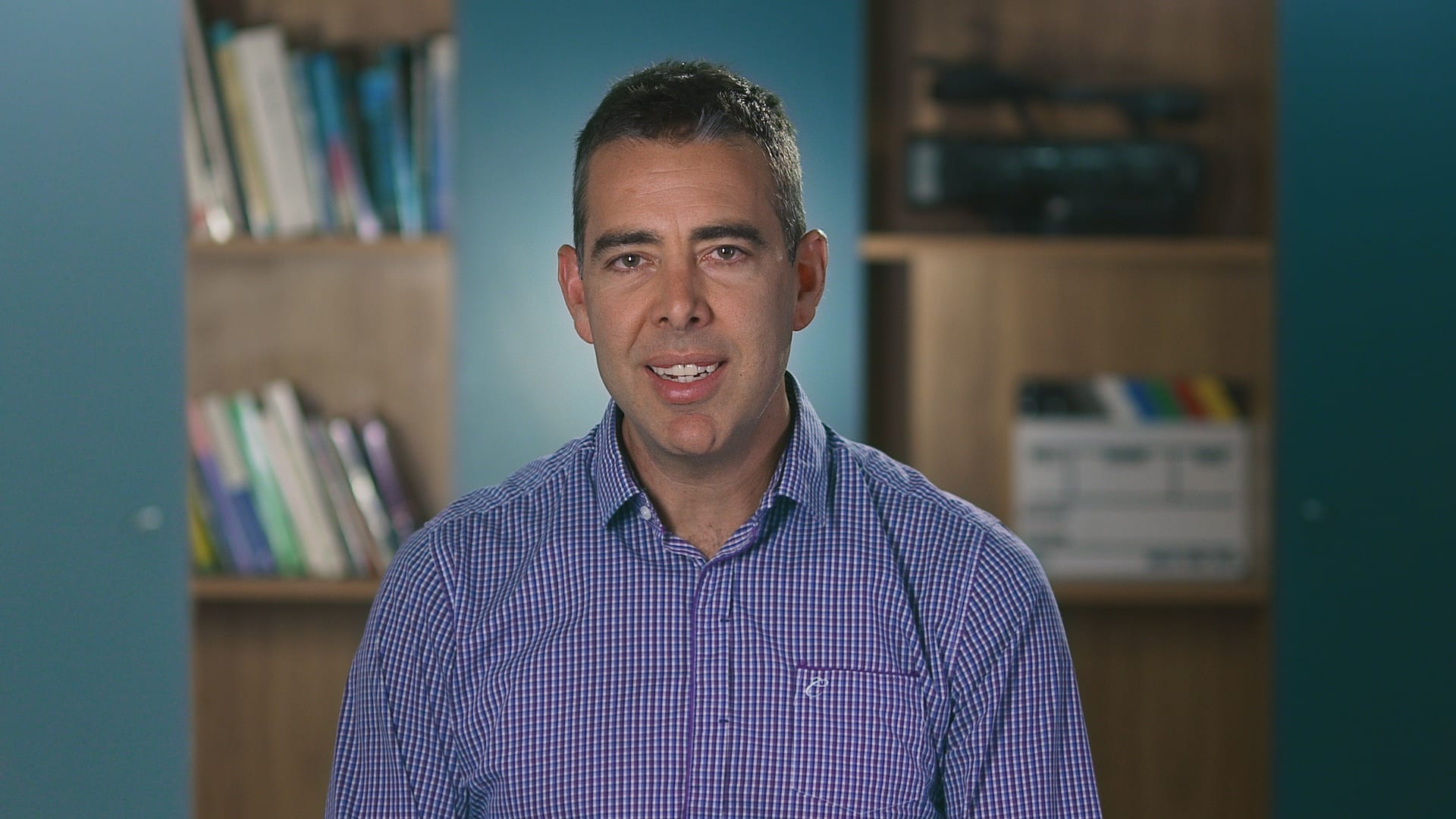
Ryan Spanger is the founder and managing director of Dream Engine, a Melbourne video production company established in 2002. Over the past two decades, he’s produced hundreds of videos for businesses, government departments, universities and healthcare organisations across Australia. Ryan specialises in helping organisations explain complex ideas through clear, engaging video content, with particular experience in corporate communications, training and education.