Most marketing teams want better quality leads. Not just more leads, but leads who understand the problem you solve, feel confident about your approach, and move through the sales process without friction. Video is one of the simplest ways to make that happen.
The way people research, compare, and make decisions has changed. They expect clear information, social proof, and a sense of who they are dealing with long before they speak to anyone. Video does this faster and more effectively than any other format.
This article explains how Melbourne businesses can use video marketing to attract the right people, educate them early, and improve the quality of every conversation that follows.
Why Video Improves Lead Quality
A strong video helps your audience understand your message without effort. It answers questions they have not yet asked. It shows who you are and how you work. Instead of scrolling through long web pages, your viewer receives a clear and direct explanation in a format they are already comfortable with.
When people understand you sooner, they trust you sooner. That trust influences the quality of the leads you receive, and the speed at which they move.
Where Video Fits into the Lead Generation Process
Leads improve when your audience has the right information at the right time. Video supports that journey from the first moment of curiosity through to a purchase decision.
Early on, short and simple videos introduce your brand and make people aware that you exist. As they move closer to considering you as an option, videos that explain your process or share client outcomes give them confidence. When they are close to choosing, clear and practical videos on your website remove doubts and guide them toward taking action.
Thinking about video as a sequence rather than a single project is one of the easiest ways to improve your lead flow.
The Videos That Tend to Generate the Best Leads
Different businesses need different styles of content, but there are a few formats that consistently help attract the right people.
Homepage or service page videos. These set the tone. A visitor gets a sense of who you are within seconds. This increases time on page and helps prospects understand your value quickly.
Explainer videos. When your offering is technical or considered, a short explainer removes confusion and positions you as the guide. It makes your sales process easier because your audience arrives informed.
Testimonial and case study videos. Hearing a real client explain the problem they faced, the decision they made, and the outcome they achieved is often more persuasive than any sales message.
Product or service walkthroughs. Clear, simple demonstrations reduce uncertainty. Prospects feel more prepared and more confident about engaging with you.
Short social videos. These are ideal for reaching people who have never heard of you. They introduce ideas, share point-of-view content, or offer small pieces of advice that position you as helpful and credible.
Using Video in Paid Campaigns
Video can significantly improve the performance of paid campaigns when used correctly. A short and engaging video generally earns more attention on platforms like LinkedIn, Meta, and YouTube compared with static creative.
The goal here isn’t to force a conversion on the spot. It is to introduce your brand and help people understand what you do. The video warms your audience, which improves the performance of the retargeting campaigns that follow.
Video in the Sales Process
Many organisations now use video directly within their sales process. A short personalised video sent after an enquiry can improve response rates. A simple demonstration video placed inside a proposal can help decision-makers evaluate you more easily. A concise “how we work” video can give procurement teams more clarity and confidence.
This is a practical way to shorten the time between first contact and a confirmed project.
Why Landing Page Videos Work So Well
People often decide in seconds whether they want to keep reading or take the next step. A well-placed landing page video gives them a clear overview without asking them to interpret long blocks of text.
When your audience understands what you do and how it helps, they stay on the page longer and make decisions with more certainty. This creates a noticeable lift in both conversions and lead quality.
Video in Email Nurture Sequences
Email is still an effective channel for thoughtful follow-up, especially when paired with helpful, short video content. A simple educational video inside a lead nurture sequence builds trust in a predictable way. It guides your audience without pressure, letting them move at their own pace.
For many businesses, this is the stage where leads transform from curious to confident.
Using Analytics to Improve Future Leads
Analytics provide a clear view of how your audience behaves. You can see how long people watch, where they lose interest, and which messages keep them engaged. This removes guesswork from your content and helps you refine the videos you create in the future.
Small improvements in clarity, structure, or visual presentation often lead to meaningful improvements in responses and enquiries.
Real Examples from Businesses We Work With
Healthcare organisations use video to help the public understand complex ideas quickly. Financial firms rely on case study videos to show credibility and experience. Construction and industrial clients use video to demonstrate their capabilities and reassure prospective partners about their processes and standards.
Across all these sectors, the pattern is the same. When you explain clearly and build trust early, the quality of your leads improves.
Where to Go Next
If you want to understand how video fits into a complete marketing system, you may find our guide helpful: Video Marketing Melbourne.
It walks through the strategy behind effective video marketing and shows how Melbourne organisations use video across the full customer journey.
Video Marketing and Lead Quality – Frequently Asked Questions
How does video marketing improve lead quality?
Video helps prospects understand your offer, your approach, and your value earlier in their research process. When people arrive informed and confident, conversations are more focused and leads are better aligned.
What types of videos attract the right leads?
Homepage and service videos, explainers, case studies, testimonials, and simple walkthroughs tend to attract more qualified leads. These formats reduce confusion and set clearer expectations before contact is made.
Where should video sit in the lead generation journey?
Video works best when used across the full journey. Short videos introduce your brand, deeper content builds trust and understanding, and practical videos near the decision stage help remove doubt and friction.
Can video be used directly in the sales process?
Yes. Many businesses use video in follow-up emails, proposals, and presentations. These videos help explain processes, answer common questions, and shorten the time it takes for prospects to make decisions.
Does video work for complex or high-consideration services?
Video is particularly effective for complex offerings. It allows you to explain ideas clearly, show how things work, and demonstrate credibility in a way that text alone often cannot.
How do you measure whether video is improving lead quality?
Indicators include longer time on page, higher engagement with content, more informed enquiries, and smoother sales conversations. Video analytics also show which messages hold attention and where clarity can be improved.
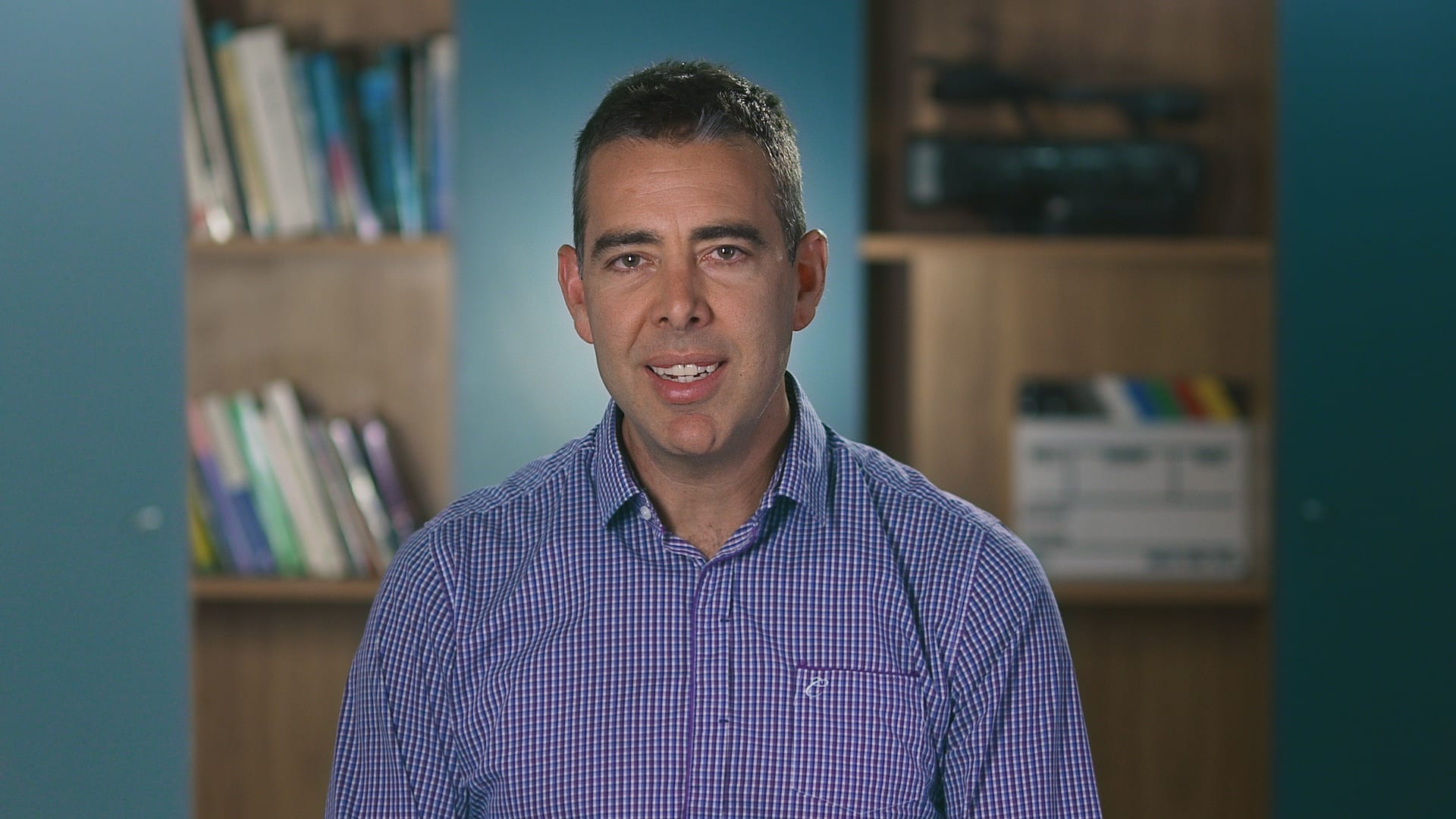
Ryan Spanger is the founder and managing director of Dream Engine, a Melbourne-based video production company established in 2002. With more than two decades of experience, Ryan has helped leading Australian businesses, government departments, and non-profits communicate their message with clarity and impact through video. He’s known for his strategic approach, reliable process, and commitment to producing videos that deliver measurable results.