Are you planning on commissioning a video production? How can you ensure that you choose the best Melbourne video production company to achieve the right result? Should you consider asking production companies to pitch the work?
Transcription
I am going to say strategy doesn’t get enough attention because the visual content has a creative bias. And so when a client approaches me for the first time, or a repeat client, they see a portfolio, they think, oh, those are beautiful images, that’s a really great video. I want that. And we get tied in, or they get tied into this idea that if it’s beautiful, if it’s shiny, it’ll work, and sometimes I feel like, oh, well, we should really slow down and think critically about what this is doing for someone’s business.
Something that I feel is very important in the early stages of production is not pitching for a project. And I think this is one of the classic places where businesses go wrong: they go out to the market and ask companies to pitch for a video project. And there are two main reasons why I don’t think there’s a good way to go. One is asking us to do unpaid split speculative work. However, the other reason, which is really more important from the client’s point of view, is asking companies to come up with ideas and solutions without having a full understanding of the problem. Companies will go out there and create storyboards or find examples of videos that look really cool. They’ll find videos that have been done in the same industry as the prospect, and they’ll put together a pitch deck to sell an idea. The problem is that they haven’t got a full understanding of what the problem is yet. The client may be seduced by seeing these wonderful videos, beautiful storyboards, or all of this hard, unpaid work that’s gone into creating an idea and actually be seduced by it. Once they fall in love with that idea, they will want to make the video. A far better approach is for, from a client’s point of view, is to get to know a company by understanding who they’ve worked with before, what their approach is, who’s involved in the business, what their track record is, what customers and previous customers of the video production company have said about them and learn enough to understand whether these are the type of people you can work with and whether you think they have the potential to solve your problem. Once the company’s working with the video production company, that’s the time to do the strategy session, where the video production company can get a really deep understanding of who you are, what you do and what your particular problem is. And then they’ll come up with a solution that will address that problem. And they’ll end up with a far more effective video.
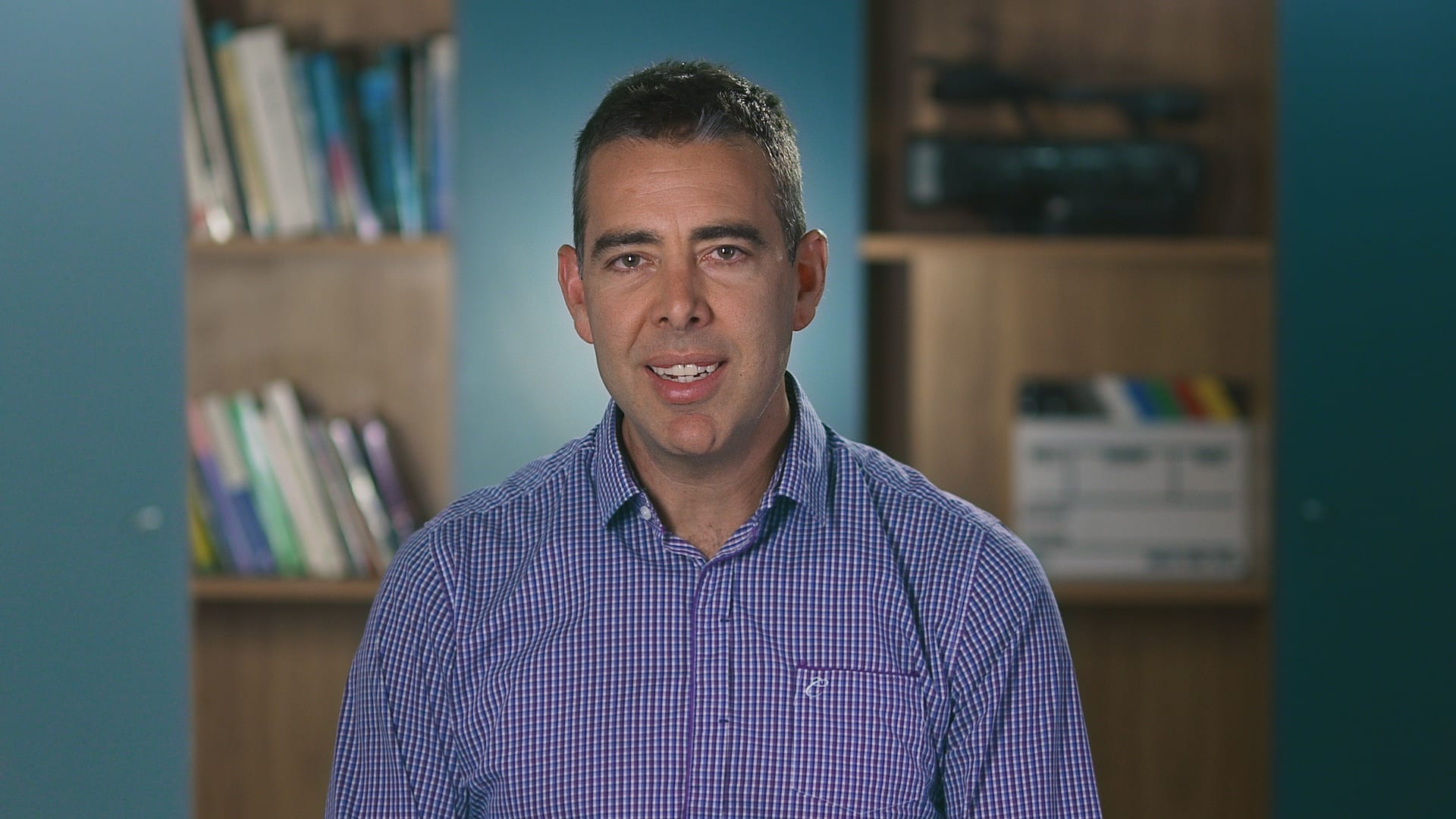
Ryan Spanger is the founder and managing director of Dream Engine, a Melbourne-based video production company established in 2002. With more than two decades of experience, Ryan has helped leading Australian businesses, government departments, and non-profits communicate their message with clarity and impact through video. He’s known for his strategic approach, reliable process, and commitment to producing videos that deliver measurable results.