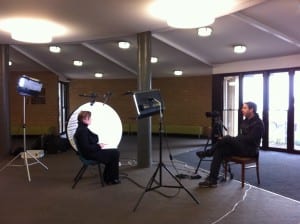
Strong interviews are the foundation of most corporate videos. Whether you are producing a case study, a brand story, an internal communication piece, or an educational film, the quality of the interview shapes the entire message. A great interview feels natural, open and honest. A weak one feels stiff and guarded.
Over many years of interviewing leaders, experts and clients, I have developed a set of practices that consistently lead to better on-camera conversations. These tips will help you create interviews that feel real, reveal useful insights and give you material that works in the edit.
1. Build rapport before the camera rolls
Interviews are personal. People share stories, opinions and sometimes vulnerable details. They do this more freely when they trust the person asking the questions. That trust starts well before the shoot day.
If possible, connect beforehand by phone, video call or email. Share the purpose of the interview and give them a feel for your style. Even a short conversation helps. Walking in cold almost always results in a more guarded interview.
2. Warm up with easy questions
The first few minutes of an interview set the tone. Do not open with the most important question. Start with simple, low-pressure prompts. Think of it like warming up before exercise. Once the conversation is flowing, move into the key topics.
3. Treat the interview as a conversation
New interviewers often work through a long list of scripted questions. This creates a rigid dynamic. A better approach is to treat the interview as a guided conversation. Listen closely, follow interesting threads and respond to what the person is actually saying.
Most interviewees drop small clues that point to deeper stories. When you notice these and respond naturally, they feel heard. That encourages them to open up and share more meaningful insights.
4. Know the story you are trying to tell
Good filmmaking always begins with a sense of direction. You do not need a script, but you should know the themes, messages or outcomes you want from the interview. This lets you shape the conversation gently without forcing answers.
Your job is to guide the interviewee toward material that supports the larger story while still allowing authentic expression.
5. Ask short, open-ended questions
Short questions invite longer answers. Long questions create confusion. A closed question like “Are you happy with the results?” gives you a one-word answer. An open question such as “What changed for you after this project?” invites detail, emotion and story.
Short, clear prompts keep attention on the interviewee, not the interviewer. That is exactly where it should be.
6. Explore what is at stake
The strongest moments in an interview often come from exploring meaning and motivation. Ask questions that reveal why the topic matters. For example: “What does this achievement represent for you?” or “Why is this project important for your team?”
These questions help uncover emotion, context and deeper insight. That is the material that gives your video power.
7. End with the question that reveals the gold
A simple but incredibly valuable closing question is: “What should I ask that I have not asked yet?” People often have a perspective they want to share, but are waiting for an invitation. This question gives them the space to include what matters most to them.
8. Let the camera keep rolling
Some of the best comments happen once the formal interview ends. When people relax, they stop performing and speak more naturally. Keep the camera running as you wind down, and let the conversation continue. Make sure the interviewee knows you are still recording, and treat it as part of the process. The relaxed energy often leads to authentic, valuable insights.
Final thoughts
Strong interviews come from curiosity, preparation and respect for the person in front of the camera. When you build rapport, keep the questions open, listen closely and give the conversation room to breathe, you capture material that feels honest and engaging.
If you would like help filming professional interview-driven videos for your business, get in touch with Dream Engine. We can guide you through the full process and produce interviews that connect clearly with your audience.
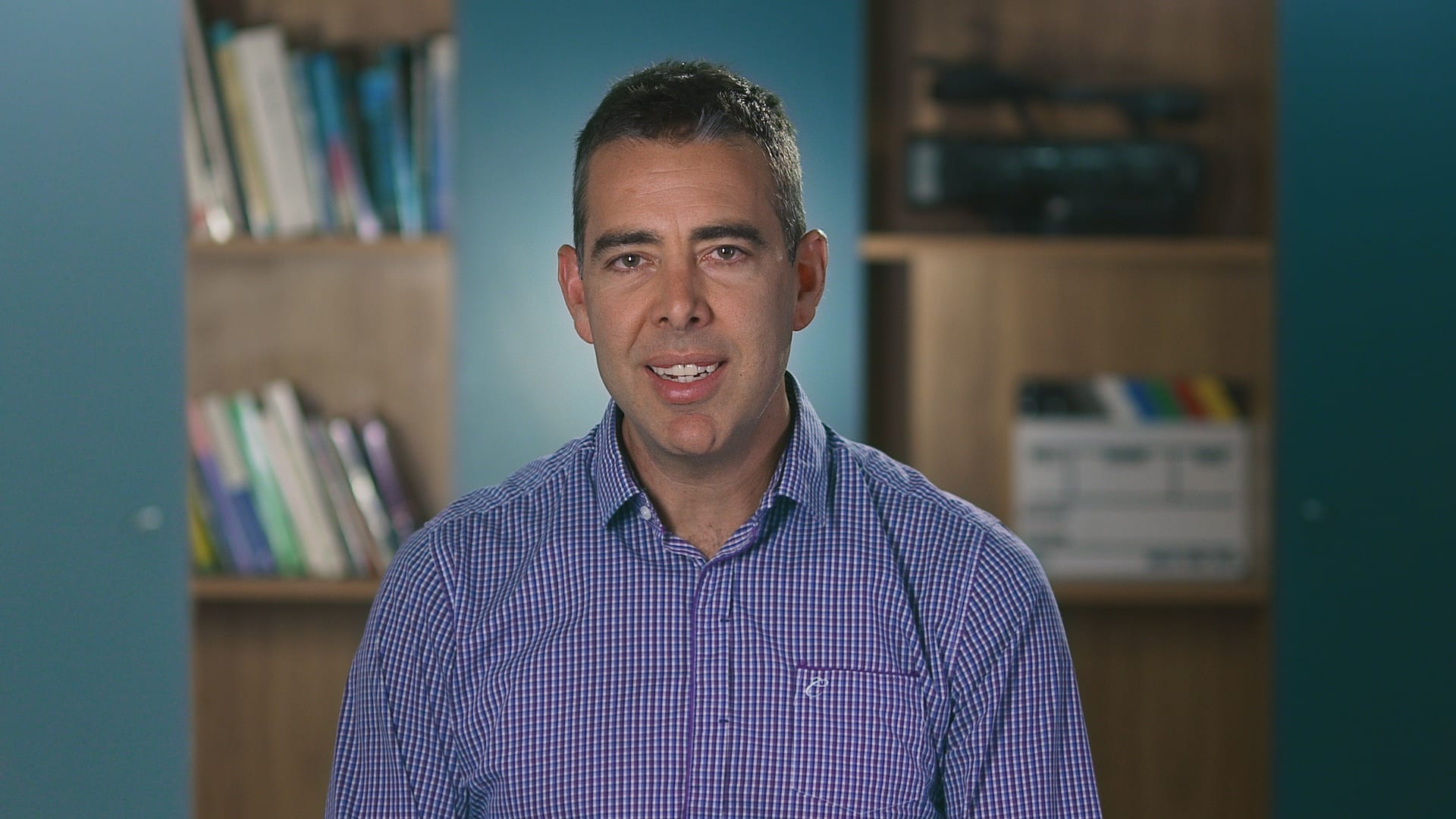
Ryan Spanger is the founder and managing director of Dream Engine, a Melbourne-based video production company established in 2002. With more than two decades of experience, Ryan has helped leading Australian businesses, government departments, and non-profits communicate their message with clarity and impact through video. He’s known for his strategic approach, reliable process, and commitment to producing videos that deliver measurable results.