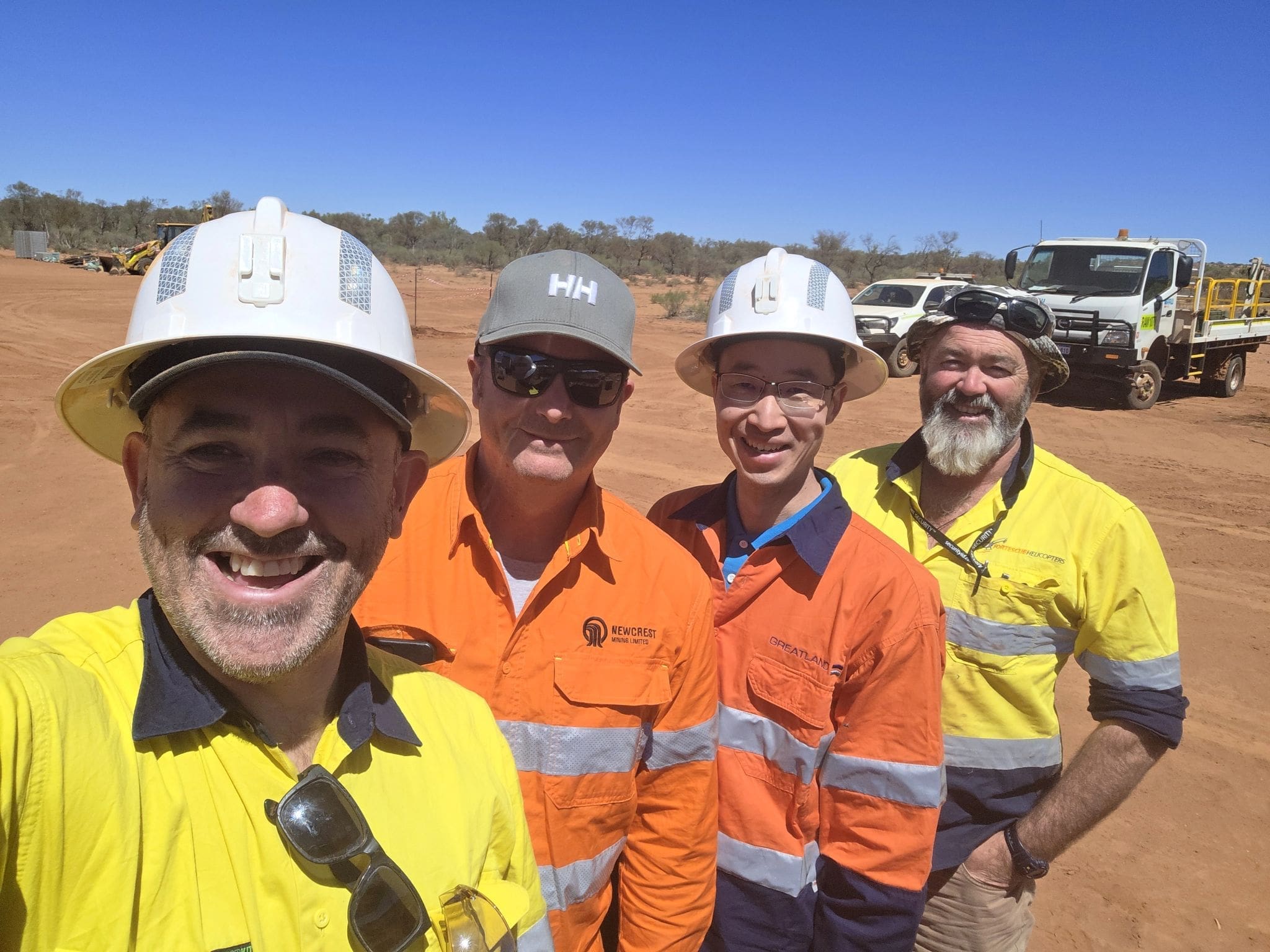
Dream Engine produces videos for Australian mining companies, from early-stage exploration through to large-scale operations and supporting systems. Video helps teams show what is happening, why it’s needed, and how work is being carried out on site.
Watch our mining video examples
How mining companies use video
- Document exploration activity and fieldwork so stakeholders can see progress and context.
- Explain geological, operational, or technical processes in a way that is accurate and easy to follow.
- Provide visibility for executives, boards, and investors who need confidence in what is happening on site.
- Support technology, systems, and infrastructure initiatives with a real-world story of implementation.
- Communicate consistently across remote or distributed teams with a shared reference point.
- Create an accurate record of work carried out on site and the thinking behind it.
The aim is to give viewers enough context to understand the work and ask informed questions.
The challenges of mining video production
- Remote and regional locations across Australia with complex logistics and access windows.
- Limited availability of key personnel and tight on-site production timing.
- Strict safety and site protocols that must be followed without exception.
- Technical subject matter that cannot be simplified to the point of inaccuracy.
- Specialist audiences who will immediately spot errors or missing context.
Mining companies need a production partner who can plan carefully, work calmly on site, and adapt to conditions without disrupting operations.
Examples of mining video production
Geo Exploration and early-stage fieldwork
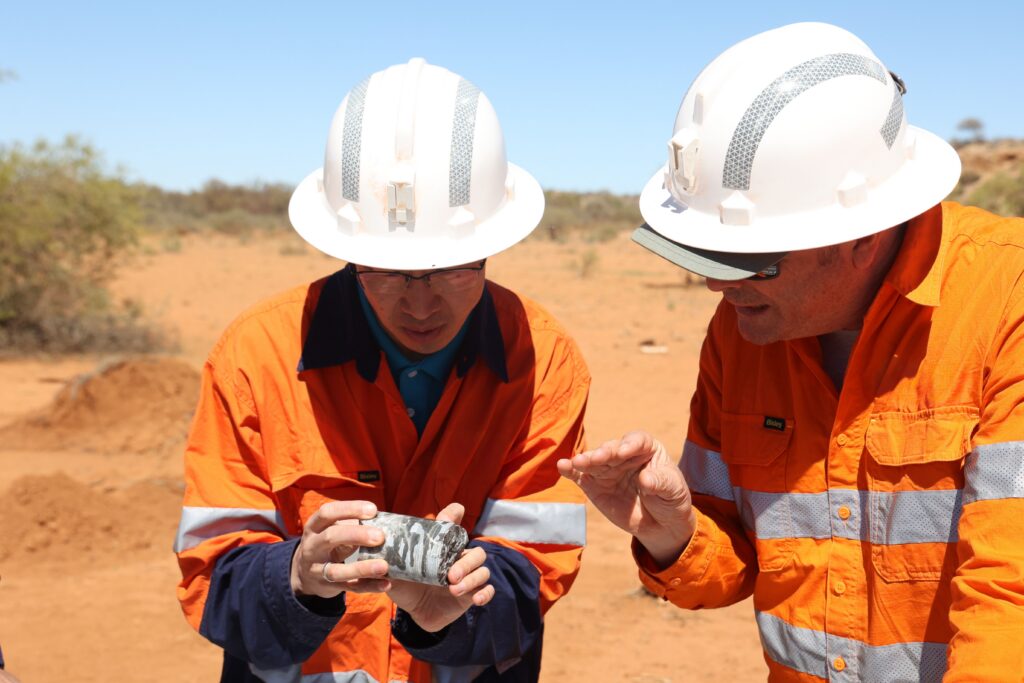
We documented a remote fieldwork project for Geo Exploration.
Filming took place in a highly isolated location, accessed via regional air travel and helicopter. The video followed geologists on site as they explained the geological context of the project, the history of the tenement, and why the location was being explored.
The focus was on accurate documentation and expert-led explanation. The result was a factual, observational video that could be shared with internal teams, stakeholders and investors to show the work being undertaken.
For an exploration video, hearing directly from the geologists gives viewers the context behind the fieldwork. Filming them at the location connects their explanation to the ground they are investigating.
Mining operations, technology and systems
Another mining project involved a case study video produced in collaboration with Whitehaven Coal.
This video focused on the role of enterprise technology in supporting large-scale mining operations. It showed how systems were designed to work in demanding environments, supporting site teams while improving reliability and visibility at an organisational level.
The challenge here was accurately representing how technology supports day-to-day mining operations and explaining that value in a way that makes sense to executives and other stakeholders.
For this kind of operational case study, the useful detail is how the systems support the people doing the work. Interviews and footage from the site help explain a technology partnership to an audience outside the project.
Terra Capital and mining investment
We produced this video for Terra Capital to introduce its approach to global mining investment to wholesale investors. It covers businesses at different stages, from exploration and mine development through to production.
The interview explains how the team assesses individual companies, management teams and broader commodity trends. It gives prospective investors a concise introduction to the thinking behind the fund’s decisions.
Safety on site
We plan each shoot around the site’s safety requirements. That includes completing site inductions, understanding access restrictions, coordinating closely with supervisors, and working within established safety systems.
Our crews operate with compact, efficient setups and a strong awareness of their surroundings. We plan the filming around site activity and follow the directions of the site team.
How we work with your mining team
Our mining projects involve working with geologists, engineers, technology teams and operations staff. The priorities are to:
- Listen carefully to subject-matter experts and ask the right questions.
- Represent technical detail accurately so the video stands up to scrutiny.
- Plan logistics thoroughly so site access is used well.
- Work efficiently within constraints without disrupting operations.
- Agree the delivery schedule and allow time for technical review and approval.
Nominate a technical reviewer before filming. They can check terminology, diagrams and interview context during the edit, including whether a statement describes an observed result or an expectation. For investor or external communications, allow time for your organisation’s approval process before release.
Reliable crews across Australia
Mining projects are spread across the country, often far from major cities.
Dream Engine has access to experienced video crews across Australia, allowing us to support mining organisations in regional and remote locations. Where suitable local crew are available, this can reduce travel and simplify logistics.
We maintain consistent production standards across all locations, with clear oversight and coordination from our core team.
Learn more about our corporate video services.
Mining video production FAQs
Can you film on active mine sites?
Yes. We plan around site conditions and protocols, complete required inductions, and coordinate closely with site contacts so filming can happen safely and with minimal disruption to operations.
How do you handle remote and regional logistics?
We build a production plan around access windows, travel, site requirements, and who needs to be involved. Where appropriate, we use trusted local crew to reduce travel overheads and keep logistics simpler.
How do you make technical content easy to follow without oversimplifying?
We let your subject-matter experts lead the story, then shape the edit so viewers can follow the context, the decisions being made and what the work involves. Your nominated reviewer checks technical detail and context before the video is approved.
What types of mining videos do you produce?
Common projects include exploration and fieldwork documentation, operational case studies, technology and infrastructure stories, internal communication, stakeholder updates, and training or process content where appropriate.
Do you have crew outside Melbourne?
Yes. We have access to experienced crew across Australia. We choose the crew around the location, availability and site requirements, with oversight and coordination from our core team.
How long does a mining video project take?
Timelines depend on site access, travel, and availability of key people. Some projects can be captured in a single visit, while others are filmed across multiple stages. We will recommend a schedule that fits operational realities.
What do you need from us to get started?
Usually we start with the purpose of the video, the audience, where filming will occur, any site requirements, and who needs to be involved. From there we can propose a plan, crew, and schedule.
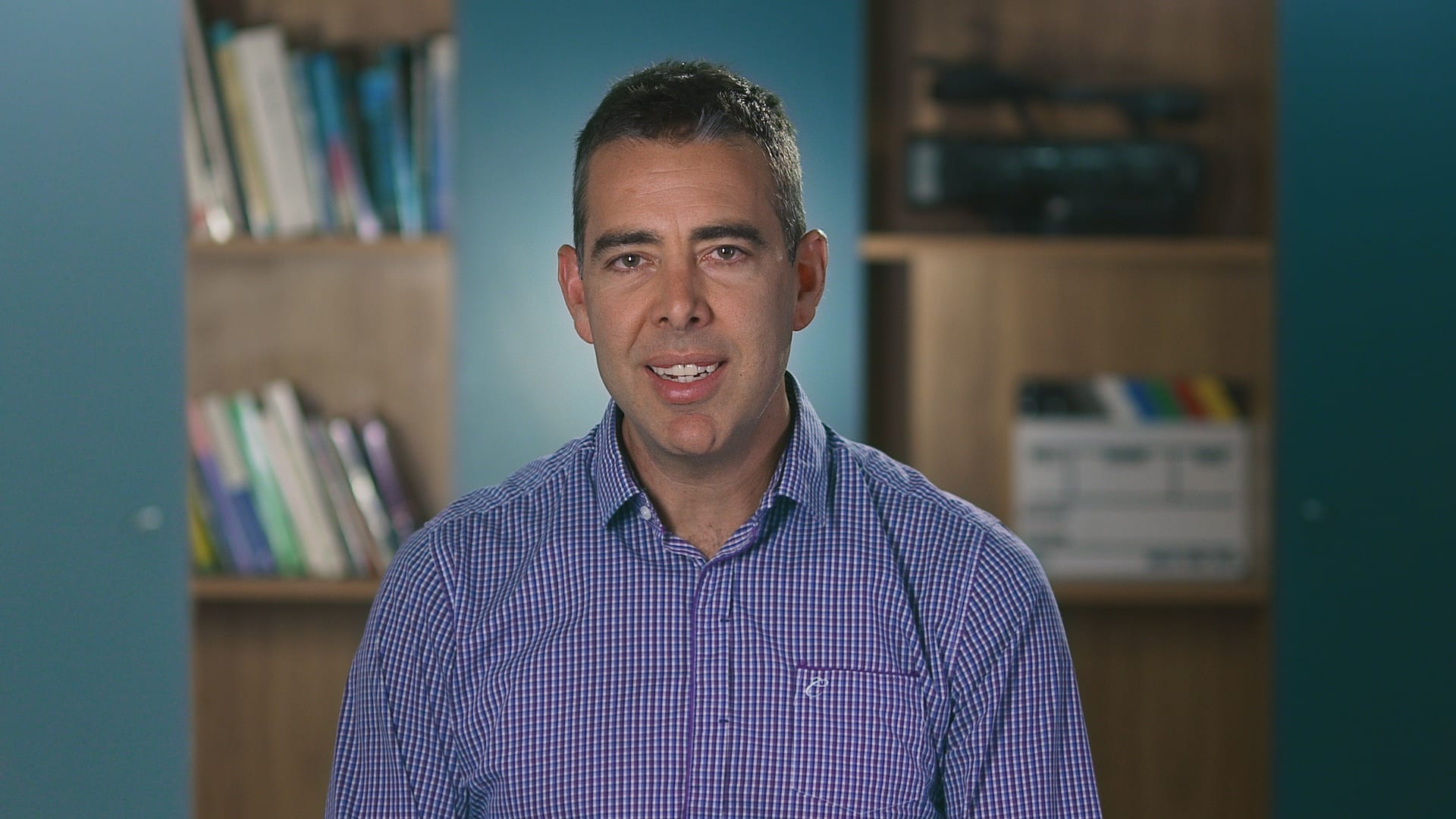
Ryan Spanger is the founder and managing director of Dream Engine, a Melbourne video production company established in 2002. Over the past two decades, he’s produced hundreds of videos for businesses, government departments, universities and healthcare organisations across Australia. Ryan specialises in helping organisations explain complex ideas through clear, engaging video content, with particular experience in corporate communications, training and education.