If you are doing meaningful work, there is a good chance you will be interviewed on camera at some point. You might be explaining a project, sharing an idea, representing your organisation, or speaking on behalf of your team.
Over the past twenty years, I have filmed hundreds of interviews for businesses, universities, government departments and community organisations. One thing has become clear. The people who come across best on camera are not always the most polished or rehearsed. They are the ones who seem comfortable being themselves.
That can be harder than it sounds.
Why it can feel hard to be yourself on camera
When the camera starts rolling, something strange often happens. People shift into a different version of themselves. Their tone changes. Their posture stiffens. A protective layer appears.
Underneath that is usually one thing: fear.
- Fear of being judged
- Fear of making a mistake
- Fear of not sounding smart enough
- Fear of being seen
That fear makes people tighten up. And when that happens, the message loses impact because the real person starts to disappear.
Just recognising that this is normal can help. You are not failing because you feel awkward. You are simply having a very human response to an unusual situation.
Many people assume confidence comes first, but in reality, it often develops through experience. If being filmed feels uncomfortable, these tips on how to feel comfortable on camera may help.
Reframe what the interview is for
Instead of thinking:
“This is about me being judged.”
Try thinking:
“I am here to help someone understand something.”
That small change can make a big difference.
Once your focus shifts from how you look to how you can help, your delivery usually becomes clearer, calmer and more natural. You stop trying to prove yourself and start trying to communicate.
This is the mindset that consistently helps people sound more like themselves on camera.
Speak from purpose, not performance
We see this happen often during interviews. Someone begins by sounding formal and guarded. Then the conversation turns to why the work matters, who it helps, or what they genuinely care about.
The delivery changes. The language becomes simpler. The energy lifts. The real person starts to appear.
That is usually where the strongest moments come from.
Good on-camera interviews are not about sounding perfect. They are about helping the viewer believe that there is a real person behind the message.
Many of the same principles apply to presenter-to-camera videos. The strongest presenters focus on communicating an idea rather than delivering a performance.
This is particularly important in corporate video production, where interviews are often used to explain complex ideas, build trust and communicate expertise.
Do not script every word
A video interview is a conversation, not a performance. Scripting every answer word-for-word usually makes people sound flat and rehearsed.
That does not mean you should arrive unprepared. It means preparing in the right way.
Before the interview, think about three things:
- What is the key message I want to share?
- Who is the audience?
- What do I hope they understand, feel or do after watching?
This gives you structure without locking you into exact wording. You know where you are heading, but you still have room to speak naturally.
Trust the filming process
A good camera crew wants you to look and sound your best. Their job is not to catch you out. It is to help you communicate clearly.
Only the strongest moments will be used in the final edit. If you stumble, pause, take a breath and start the sentence again. There is no need to get everything right in one take.
The interviewer can guide you through the conversation, ask the question again, or help you find a simpler way to say something. The crew will also take care of lighting, framing and sound so you can focus on the message rather than the technical side of the shoot.
Once you understand that the final video is built from the best parts of the conversation, the whole experience becomes much lighter.
How to prepare for an on-camera interview
The best preparation is simple. Do not try to memorise perfect answers. Instead, get clear on the main points you want to communicate.
It can help to write down a few notes, practise saying your answers out loud, and think about examples that make your message more concrete. If you are speaking on behalf of an organisation, make sure you understand any key wording or facts that need to be included.
Then, when the interview begins, let it become a conversation. Listen to the question, answer in your own words, and trust that the edit will shape the strongest material into the final video.
Next steps
If your organisation is planning an interview-based video, the right setup and direction can make a significant difference. A calm filming process helps people relax, speak clearly and come across as themselves.
To see how we approach interview-led business videos, visit our Corporate Video Production Melbourne page.
On-Camera Interview – Frequently Asked Questions
What if I freeze during the interview?
Pause, breathe, and start the sentence again. It will not appear in the final edit. Interviews are full of do-overs, and a good interviewer will help you get back into the flow.
Where should I look during an on-camera interview?
Usually, you look at the interviewer rather than directly into the camera. This helps the interview feel like a normal conversation. Your videographer will guide you on where to look before filming begins.
What should I do with my hands?
Let your hands move naturally. Trying to hold them completely still can make you look tense. The camera crew will frame the shot so your posture and movement look natural on screen.
Should I memorise answers for a video interview?
No. It is usually better to know your key points rather than memorise exact lines. This helps your answers sound more natural and less scripted.
How do I prepare for an on-camera interview?
Think about your audience, your key message and the main points you want people to remember. It can also help to practise speaking your answers out loud, but avoid trying to memorise them word-for-word.
What should I wear for an on-camera interview?
Wear something that feels comfortable, professional and appropriate for your role. Avoid very busy patterns, tiny stripes or clothes that make noise when you move. If in doubt, bring a second option to the shoot.
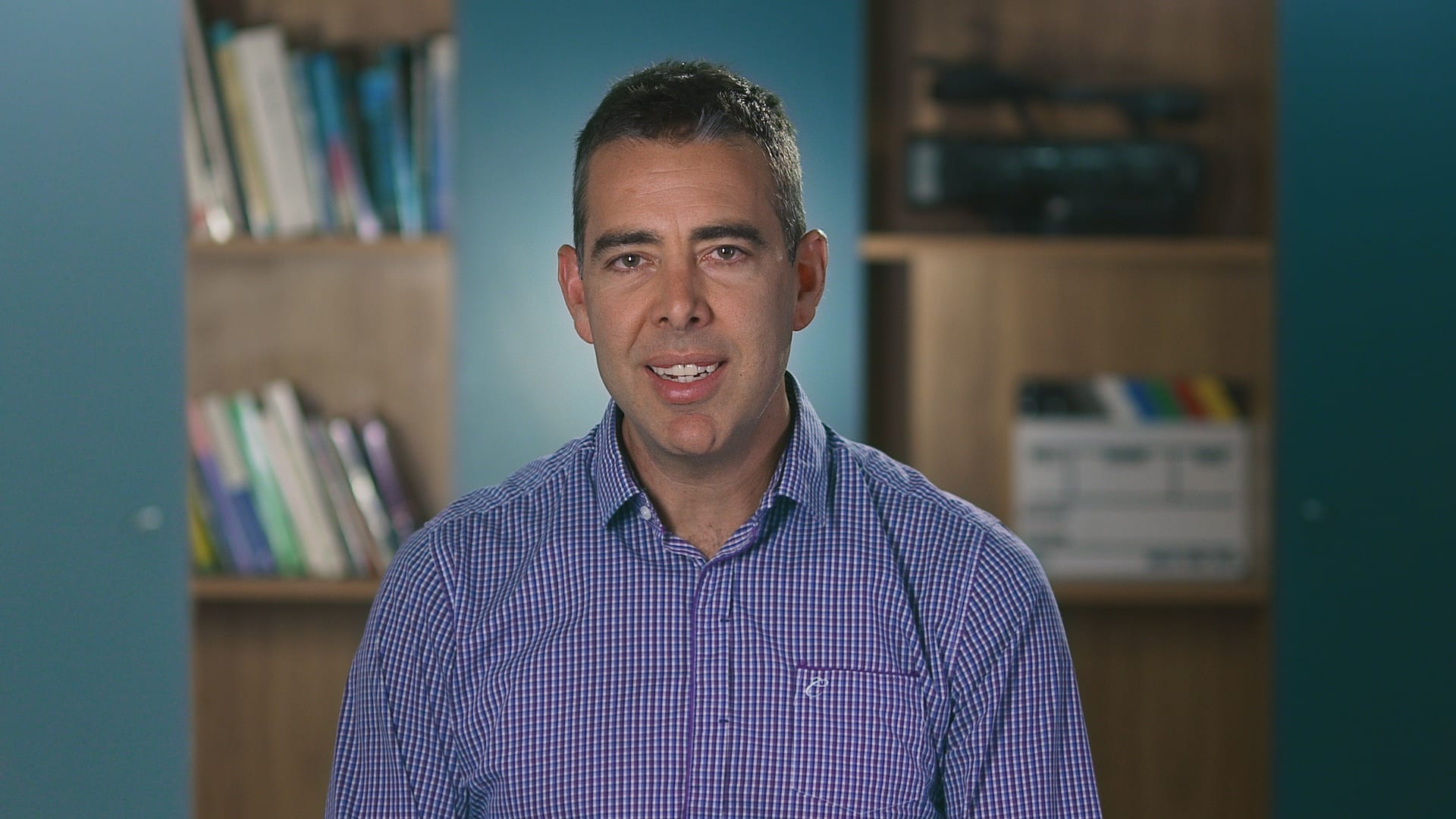
Ryan Spanger is the founder and managing director of Dream Engine, a Melbourne-based video production company established in 2002. With more than two decades of experience, Ryan has helped leading Australian businesses, government departments, and non-profits communicate their message with clarity and impact through video. He’s known for his strategic approach, reliable process, and commitment to producing videos that deliver measurable results.