
What is a home page video?
The homepage of your website is where visitors get their first impression of your business and decide whether to stick around or click to another website. If it doesn’t excite and engage them, you risk them moving on, finding your competitor’s website, and losing the opportunity to build a relationship with them. One of the best ways to grab and hold an audience’s attention is by having an effective video on your home page.
Why the homepage video is effective
Video marketing, through its combination of moving images, audio and graphics, is immersive. It draws your audience closer and can really hold their attention more powerfully than straight text, where they may be tempted to scan rather than focus on your message.
But it’s not simply a case of just putting a video on your home page. A successful home page video contains the right combination of ingredients. Once you’ve read this, you’ll know how to create an effective homepage video that drives people to action.

Avoid autoplay video
It’s tempting to make your video play automatically when someone loads your website, but we don’t recommend it. Generally, people in Australia find this annoying. And if your video is being watched in an open-plan office environment, it can disturb people sitting near the viewer and immediately create a negative impression of the video. So, with this in mind, people won’t appreciate a noisy video popping up out of nowhere.
Give people the choice to play the video when they’re in an environment where they want to watch it. By adding a nice big play button, they’ll know straight away that it’s a video, so you don’t need to worry that it won’t be watched.

Make your video prominent
A good rule for placing your home page video on your website is to keep it ‘above the fold’. This is a design term that refers to the top half of a page. The term comes from the layout of a newspaper, where the top half includes attention-grabbing headlines and images that compel you to unfold the paper and read on.
Your website should be the same. The video should be the centrepiece that draws the viewer’s eye when they first look at your home page, and then they can move on to your other content.
Draw Viewers in With a Video Thumbnail
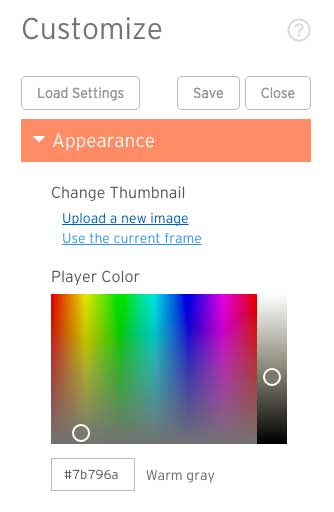
When a video is embedded on a website, the image viewers see before they click play is called a thumbnail. The role of a thumbnail is to give people an idea of what the content will be. And it also serves to entice your audience to click play. So, a good thumbnail is a high-quality, interesting or curiosity-arousing image. And it will make your audience more likely to click play.
Using a still image from your video is a good place to start, but consider adding a large title, your branding, and any other imagery to make it stand out.
Most video hosting websites allow you to either upload your own thumbnail or select a single frame from your video. For a homepage video, it will probably look best to create your own so that the design suits your website.
Ideal length of home page video
When people are searching for a business, they weigh their options and compare different providers. They won’t have time to learn every aspect of your business, so keep your video short to avoid your audience getting distracted and leaving before they’ve watched it.
It’s far more effective to keep your video short and leave your audience wanting more. The job of this type of video is mainly to grab attention, make an impression, and encourage your audience to go deeper into your website. Try to keep your video under 40 seconds to give it the best chance of being seen all the way through. If viewers start watching but don’t finish, they’ll miss out on vital information. If they don’t make it to your ‘call to action’ or your contact details, you’ll lose your chance to get their business. If your video is short, it will make the audience happier to invest their time in watching it through.
A great way to keep it short is to keep your message simple and to the point. The vital information that your audience will be looking for is: who you are, what you do, who you work with, how you can help them, and what action they need to take.
Finding a way to answer these questions quickly and directly will mean your video stands the best chance of making an impression on your audience and keeping their interest. This is because the information that you’re giving them will be relevant and useful so they won’t tune out.
Keep it Looking Professional
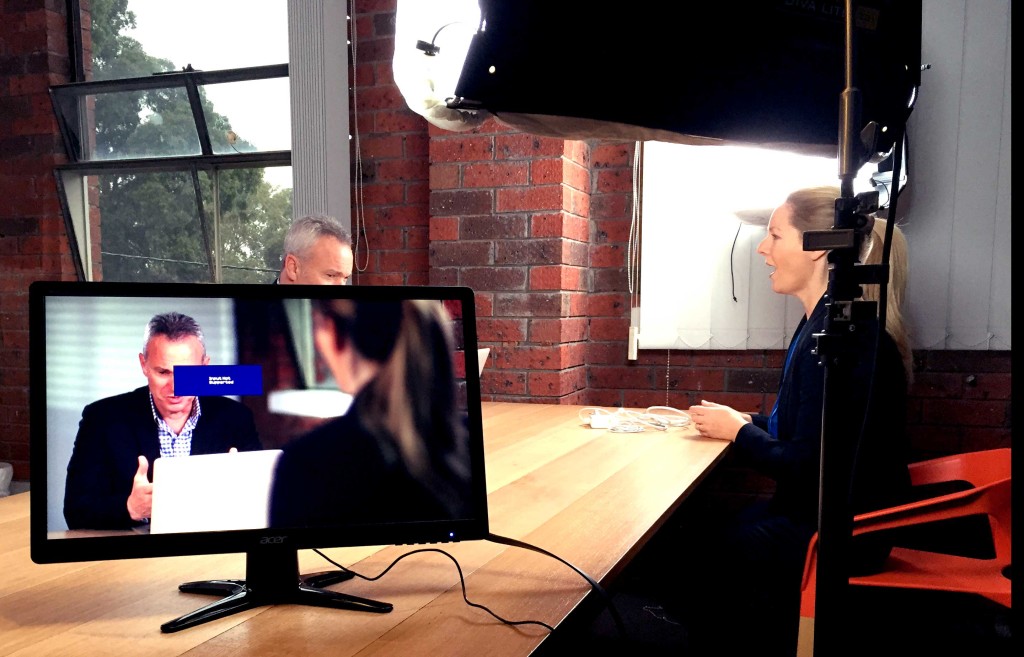
Your home page video should be of the same quality that you extend to your work, your website, your branding and your corporate ID. It may be appropriate to make your own videos for social media or blogs, but for key marketing materials and client-facing videos, your homepage video must be professionally produced. This is because it will reflect on the standard of your business: if your home page is sub-pa,r then you run the risk that your viewers will make the same assumption about the quality of your work.
The best way to make a high-quality homepage video is to find a production company with the expertise to create one for you. We created this guide to help you find the right video production company to ensure you get the best result.
Use Professional Video Hosting
Every video on the web has to be hosted by a service. Once your video has been made, it’s time to decide the best way to put it on your website. There are plenty of video hosting services to choose from, but they aren’t all equal.
YouTube is great, but it’s not necessarily the best place to host a video for your website. This is partly because the video will feature YouTube’s branding rather than your company’s. And you risk diminishing your business’s perceived authority or professionalism. The other downside of using YouTube is that at the end of your video, they will also suggest related videos to your viewers, which could be from your competitors. Or, they might just click on a suggested video and forget why they came to your website in the first place.
With professional video hosting, such as the service Dream Engine offers, we can host a custom thumbnail and embed a clickable ‘call to action’ at the end of the video. A call to action can take people straight to your contact page to help increase conversions.
By following the steps in this blog post, you’ll catch your viewers’ attention, give them the information they came for, entertain them, and leave them wanting more. By doing this, your home page video will be an effective part of your website, engaging your viewers and helping convert them into customers.
I’ve been creating web videos for clients in Melbourne and around the world for many years now. If you want an effective home page video for your website, then get in touch today.
Home Page Video – Frequently Asked Questions
What is a home page video?
A home page video is a short video placed on your website’s main page to give visitors a clear first impression of who you are, what you do, and what to do next.
Should a home page video autoplay?
Usually, no. Autoplay can annoy visitors, especially on mobile or in open-plan offices. It is better to give people the choice to press play, using a clear thumbnail and a prominent play button.
How long should a home page video be?
Keep it short. For most businesses, under 40 seconds is a good target. The goal is to make a fast impression and guide visitors deeper into the site, not explain everything at once.
Where should a home page video be placed?
Place it high on the page, ideally above the fold, so visitors see it immediately. It should be visually prominent but still sit cleanly within the overall page design.
What makes a good home page video thumbnail?
A good thumbnail is clear, high quality, and designed to earn the click. It often includes a strong still image plus simple text or branding so it stands out and looks intentional on the page.
Should we use YouTube to host a home page video?
Not always. YouTube adds its own branding and can show suggested videos that distract viewers. Professional hosting can give you a cleaner player, a custom thumbnail, and the option to add a call to action at the end.
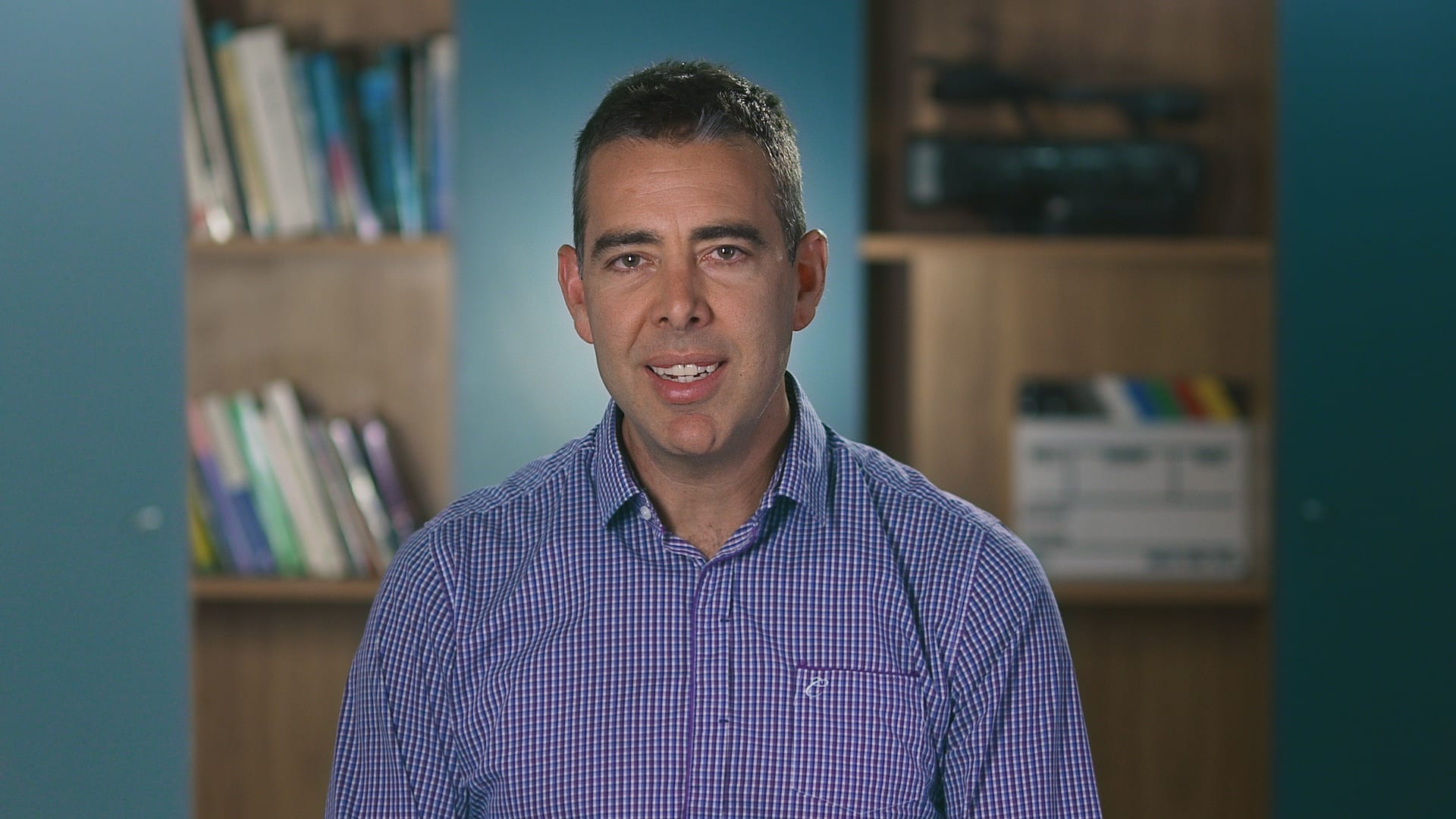
Ryan Spanger is the founder and managing director of Dream Engine, a Melbourne-based video production company established in 2002. With more than two decades of experience, Ryan has helped leading Australian businesses, government departments, and non-profits communicate their message with clarity and impact through video. He’s known for his strategic approach, reliable process, and commitment to producing videos that deliver measurable results.