After producing corporate videos for organisations such as IBM, BMW, The Good Guys, Suncorp and government departments across Australia, we’ve noticed the same patterns again and again.
The videos that work best are rarely the ones with the biggest budgets. They are usually the projects with a clear purpose, the right people on camera, and enough preparation before filming begins.
If you’re planning a corporate video for your organisation, these are some of the lessons we’ve learned from producing hundreds of projects over the past two decades.
The Question We Ask Before Every Corporate Video
Before we write a script, book a crew, or set up a camera, we ask a simple question: what do we want someone to do after watching this video?
The answer might be to contact your sales team, apply for a role, understand a new process, support a change project, or feel more confident choosing your organisation. That answer influences almost every production decision that follows.
It affects who should be interviewed, what should be filmed, how long the video should be, where it should be used, and what information needs to be left out.
1. Most Corporate Videos Try to Say Too Much
This is probably the most common problem we see. A stakeholder wants to mention the company history. Someone else wants to talk about culture. Another person wants to cover products, services, awards, values, people, process, and future plans.
Before long, the video is trying to do six different jobs at once. The message becomes harder to follow, the edit becomes longer, and the audience has to work too hard to understand what matters.
The strongest corporate videos usually focus on one audience and one main message. A single, focused idea is easier to produce, easier to approve, and easier for your audience to remember.
- Who is the video for?
- What do you want them to understand?
- What should they do after watching?
- Where will the video be used? Website, LinkedIn, internal communications, sales conversations, onboarding, or paid campaigns.
If you want help choosing the right format, start with our main service page for corporate video production in Melbourne.
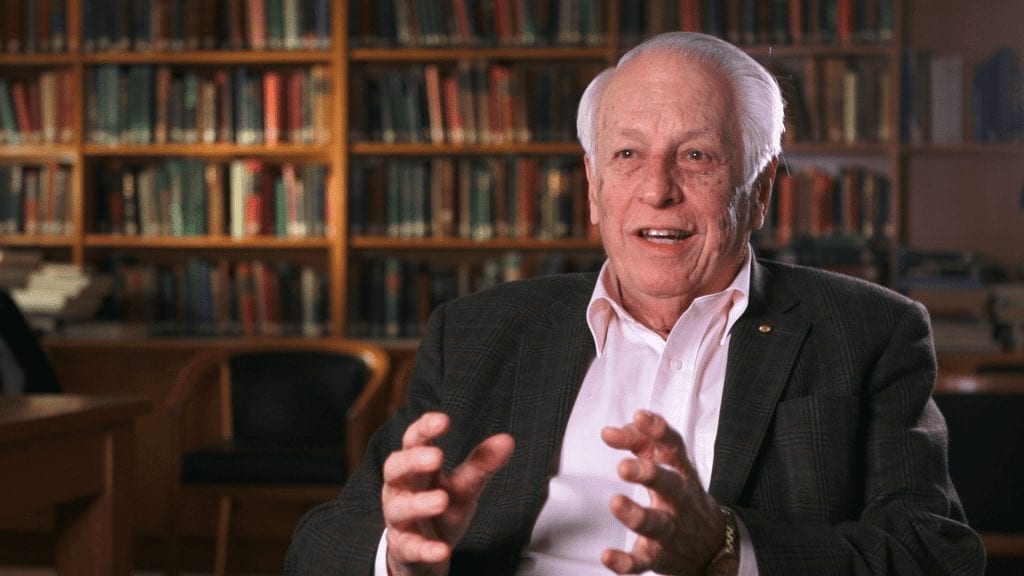
2. The Best Person on Camera Is Not Always the CEO
Many organisations assume the most senior person should be the spokesperson. Sometimes that is the right choice, especially when the message needs authority or leadership visibility.
But the best person on camera is often the person closest to the story. That might be a project manager, researcher, teacher, engineer, healthcare worker, customer, graduate, or frontline staff member who works with the subject every day.
We’ve seen relatively junior team members deliver stronger interviews than senior executives because they spoke naturally, clearly, and with real knowledge of the work. The viewer can usually tell when someone is speaking from lived experience rather than repeating approved messaging.
That is why interview planning matters. The goal is to find the people who can explain the story in a way that feels clear, credible, and human.
3. Viewers Care Less About Your Organisation Than You Think
This can be uncomfortable, but it is worth saying. Most viewers are not watching because they want a complete history of your organisation. They are watching because they want to know how the message relates to them.
They may be asking: can this company help us? Is this a place I want to work? Do I trust these people? Will this service solve the problem we are dealing with? What do I need to know before making a decision?
Many corporate videos spend too much time talking about the organisation and not enough time helping the viewer understand the value of what is being offered. A good video still builds credibility, but it does so by making the audience’s needs clear.
This is where structure helps. Even if the video is interview-led, it should have a clear path from the viewer’s problem or question through to the outcome you can help them reach.
4. Filming Is Usually the Easy Part
People often focus on cameras, lighting, equipment, and shoot days. These things matter, but they are only one part of the process.
In many corporate video projects, the biggest challenges happen before and after filming. Stakeholder feedback, approvals, scripting, scheduling, interview preparation, legal review, branding requirements, and internal sign-off can all affect the final result.
That is why preparation is so important. A clear brief, planned structure, thoughtful interview questions, and an agreed approval process can prevent a lot of problems later.
- Write a simple structure: audience, problem, context, solution, result, next step.
- Prepare interview prompts: questions designed to draw out complete, useful answers.
- Create a shot list: so the supporting footage matches the message.
- Agree on reviewers early: so feedback does not become scattered or contradictory.
5. B-Roll Is Often the Difference Between Average and Excellent
A strong interview gives the video substance. Strong supporting footage helps the viewer understand and feel the message.
B-roll covers interview edits, adds visual interest, and gives the editor options. It also allows the video to show what is being discussed rather than relying only on someone explaining it.
The most useful B-roll shows real activity. People working, interacting with colleagues, meeting customers, using equipment, walking through a site, reviewing plans, teaching, demonstrating, or solving practical problems.
We’ve worked on projects where the interview content was strong, but there was not enough supporting footage to fully bring the story to life. The edit became harder, and the final video had fewer options. That is why we spend time planning B-roll before filming begins.
- Film actions, not poses: people doing real work are usually more useful than staged shots.
- Capture variety: wide shots, mid shots, close-ups, details, movement, and environment.
- Connect footage to the story: the best B-roll supports what the viewer is hearing.
The Best Corporate Videos Are Easier to Approve
This is something many people do not think about until they are deep in the project. A focused video is usually easier for internal teams to review and approve.
When a video tries to cover too many ideas, every stakeholder wants their section expanded. The edit gets longer, the feedback becomes more complicated, and the final version can lose its impact.
When the purpose is clear from the start, decisions become easier. You can judge every interview answer, scene, graphic, and edit against the same question: does this help the video achieve its main goal?
What We’d Tell Ourselves 20 Years Ago
If we were starting again today, we would spend less time worrying about equipment and more time refining the planning process.
Cameras have improved enormously over the years, but the fundamentals of an effective corporate video have stayed remarkably consistent. You need a clear message, the right people, a well-managed process, and footage that helps the audience understand the story.
The best videos are not just good-looking. They make the viewer feel more informed, more confident, and more ready to take the next step.
Conclusion
A successful corporate video starts long before filming begins. The goal, audience, spokesperson, structure, location, and supporting footage all influence the final result.
When these elements are planned carefully, the production day runs more smoothly and the final video is much more useful. It becomes a clear communication tool rather than simply another piece of content.
If you would like help planning and producing your next corporate video, Dream Engine can guide you through every stage and deliver a result you can feel confident sharing.
Want help planning the right corporate video? If you are comparing formats, budgets, and timelines, start with our main service page: Corporate Video Production Melbourne.
<
Corporate Video Planning – Frequently Asked Questions
What is the biggest mistake organisations make when producing a corporate video?
Trying to communicate too many messages in a single video. The most effective corporate videos usually focus on one audience and one primary objective. When a video attempts to explain everything, the message often becomes harder for viewers to remember.
Who should appear in a corporate video?
The best person is not always the CEO or most senior executive. In many cases, customers, project leaders, subject matter experts, or frontline staff can communicate the message more naturally because they work directly with the topic being discussed.
How long should a corporate video be?
There is no perfect length. The right duration depends on the audience, purpose, and distribution channel. Most successful corporate videos are only as long as they need to be to communicate the message clearly and hold attention.
What should we decide before filming begins?
Before production starts, define the audience, the purpose of the video, the key message, where the video will be used, and what action you want viewers to take after watching. These decisions influence scripting, interviews, filming, and editing.
Why do some corporate videos perform better than others?
The strongest videos usually have a clear objective, relevant speakers, good planning, and a message that focuses on the audience rather than the organisation itself. Production quality matters, but planning and communication often make the bigger difference.
Where should we start if we want Dream Engine to produce our corporate video?
Start with our main service page, which outlines common formats, process, timelines, and how we quote: Corporate Video Production Melbourne.
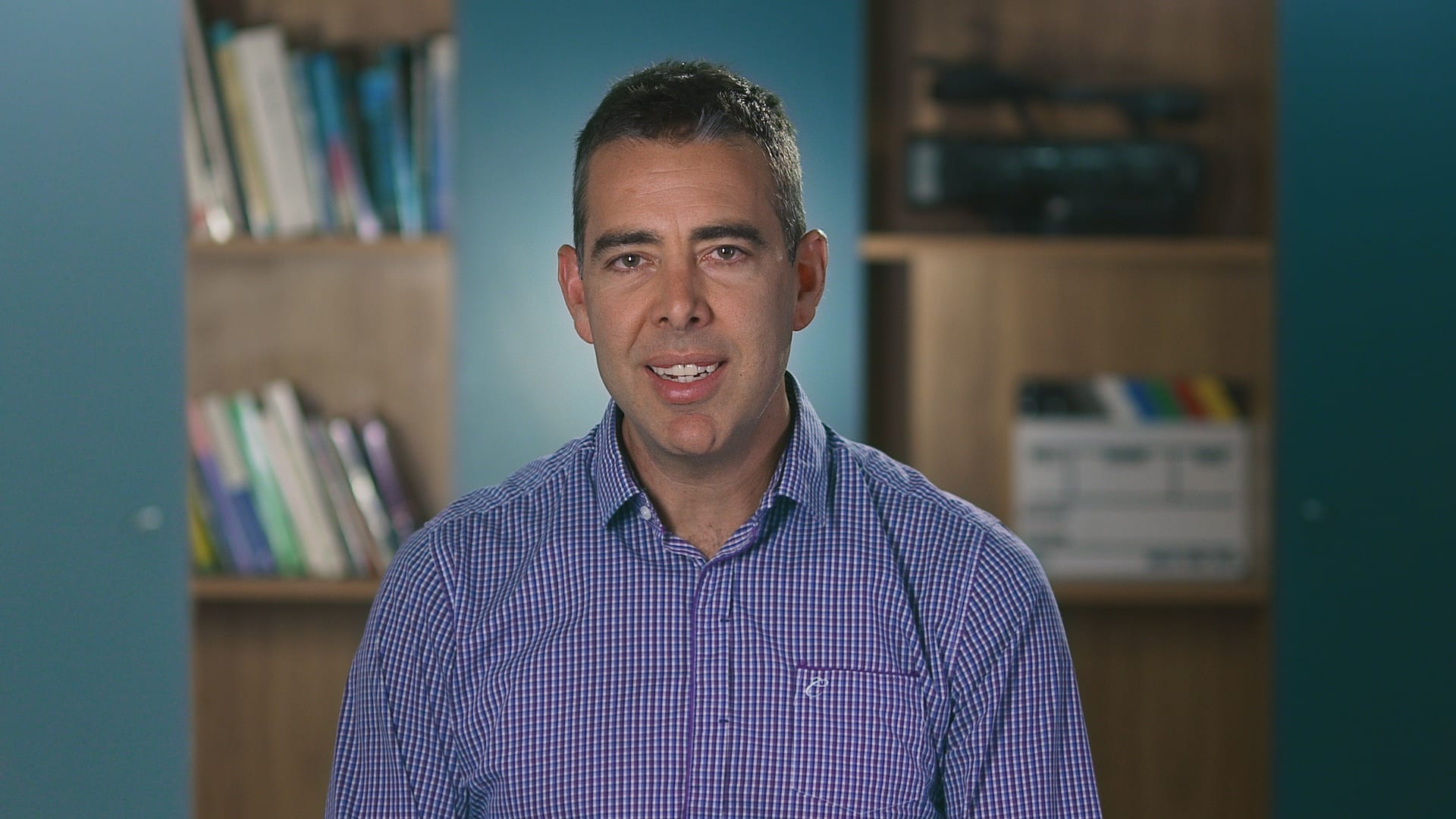
Ryan Spanger is the founder and managing director of Dream Engine, a Melbourne-based video production company established in 2002. With more than two decades of experience, Ryan has helped leading Australian businesses, government departments, and non-profits communicate their message with clarity and impact through video. He’s known for his strategic approach, reliable process, and commitment to producing videos that deliver measurable results.