When someone is considering your business, they are usually trying to answer a few simple questions. Can you deliver what you promise? Do you understand my situation? Will this be a smooth experience?
A video testimonial helps answer those questions quickly and credibly. It is not a hype reel. It is a short story about a real customer, what they needed, what changed, and what it was like to work with you.
This article explains how testimonial videos work, why they are persuasive without feeling salesy, and what to focus on if you want a video that supports real decisions.
What a video testimonial actually is
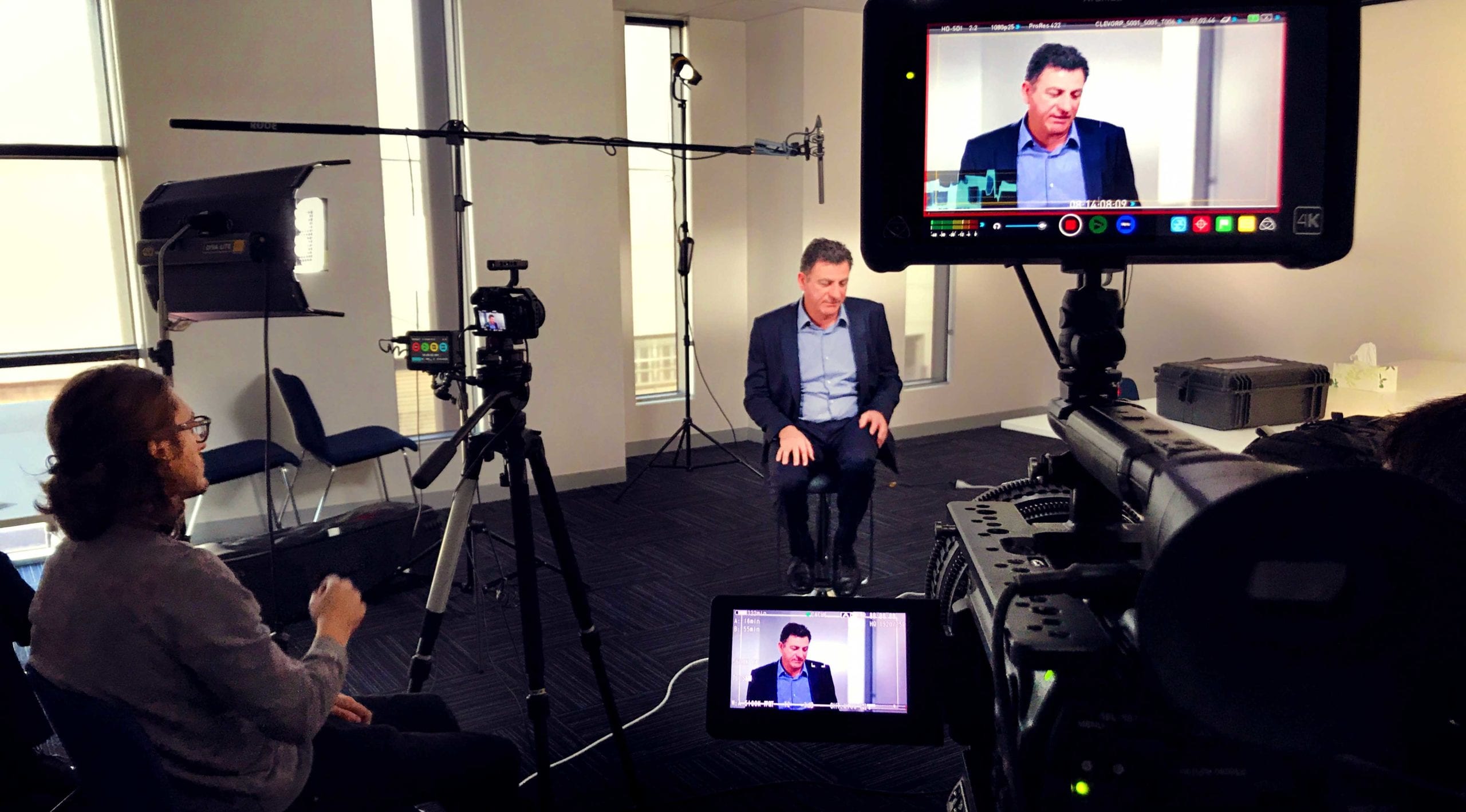
A good testimonial video is closer to a short documentary than an advertisement. It usually includes:
- An interview with the customer or client
- Context about the challenge they were facing
- Specific outcomes or results, described in plain language
- Supporting footage that shows the customer’s environment, team, or the product or service in use
The goal is not to pile on claims. The goal is to let the viewer see, hear, and sense that the story is real.
Why video proof is stronger than written proof
Written testimonials can help, but they are easy to skim past and easy to doubt. Video testimonials create a different level of confidence because the proof is multi-layered.
- You can see the person. Body language, tone, and small moments of hesitation or emphasis tell you more than a paragraph ever can.
- You get context. The viewer understands what the client does and why the problem mattered.
- You see reality. The supporting footage turns abstract claims into something concrete.
This is why testimonial videos are often the piece of content that helps a prospect go from “interested” to “ready to talk.”
Why testimonial videos do not feel like a hard sell
Testimonial videos work because they are not framed as persuasion. They are framed as experience.
A prospect watching a testimonial is usually doing one thing: checking if you are credible. They want to know if someone like them has taken the leap and been glad they did.
When the customer speaks in their own words, the message lands differently. It feels like evidence, not marketing.
What makes a testimonial believable
Believability comes from specificity and a natural delivery.
- Specific detail beats broad praise. “They were great” means very little. “They managed our stakeholder approvals and kept filming on schedule across three sites” means something.
- Real language beats polished lines. We structure interviews so people can speak clearly without sounding rehearsed.
- A good story beats a list of compliments. Challenge, approach, result. Simple structure. Clear outcomes.
If a testimonial feels scripted, viewers will sense it immediately. The point is to make the person comfortable enough to speak naturally, while still guiding the story so it is easy to follow.
Plan for silent viewing
Many people watch videos with the sound off, especially on LinkedIn or when they are at work. If your testimonial relies on audio alone, you lose a large portion of the message.
For this reason, we typically recommend:
- Captions as standard
- Clear opening context so the viewer immediately understands what they are watching
- On-screen text used selectively to reinforce key points, without turning the video into a slideshow
Where testimonial videos work best
Testimonials are most effective when a prospect is weighing up risk. They tend to perform well when placed in:
- Service pages (next to the offer they support)
- Landing pages for campaigns
- Sales follow-up emails to answer doubts before another meeting
- Proposals to reinforce credibility and reduce uncertainty
They can also be cut into short excerpts for LinkedIn, paid ads, or recruitment, but their primary job is usually to support a decision.
How we approach testimonial video production at Dream Engine
When we produce testimonial videos, we focus on three things.
- Clarity. A simple story structure that is easy to follow.
- Comfort. A calm interview process that helps people speak naturally.
- Proof. Supporting footage that makes the story feel real.
If you are considering a testimonial video and want to discuss the right approach, read more here: Testimonial Video Melbourne. Or get in touch, and we will help you figure out what would work best for your organisation.
Video Testimonial – Frequently Asked Questions
What is a video testimonial?
A video testimonial is a short customer story that explains what the client needed, what changed, and what it was like to work with your business. It usually combines an interview with supporting footage to provide context and proof.
How long should a testimonial video be?
Most testimonial videos work best between 60 and 150 seconds. If the story is more complex, a longer case study style video can work well, especially on a website or in sales conversations.
Do you script testimonial videos?
We do not script what people say. We create structure through interview planning and prompts, so the story is clear while the language remains natural and genuine.
Should we include results or metrics?
Yes, where possible. Specific outcomes help credibility. This can include time saved, improved efficiency, reduced risk, increased enquiries, or a clear description of what improved after the work was done.
Where should we use testimonial videos?
They work best on service pages, landing pages, in proposals, and as follow-up content in sales emails. Their main job is to reduce uncertainty and support decision-making.
Do you provide captions and different formats for social media?
Yes. We can provide captions and deliver versions for 16:9, 1:1, and 9:16, depending on where the video will be used.
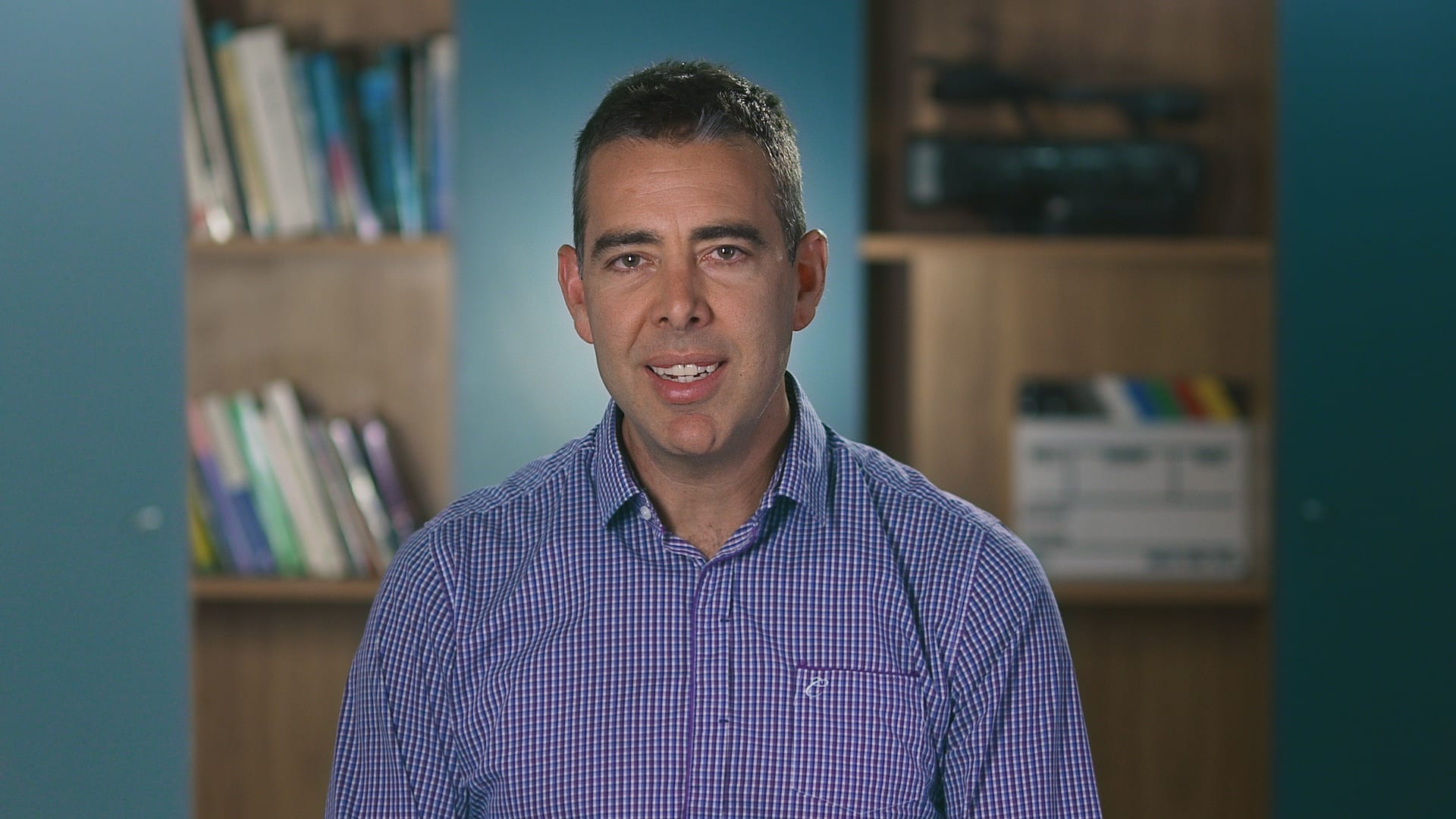
Ryan Spanger is the founder and managing director of Dream Engine, a Melbourne-based video production company established in 2002. With more than two decades of experience, Ryan has helped leading Australian businesses, government departments, and non-profits communicate their message with clarity and impact through video. He’s known for his strategic approach, reliable process, and commitment to producing videos that deliver measurable results.