Want your prospects to hear directly from clients who’ve already worked with you?
Testimonial videos build credibility by letting real clients share their experience. Learn what makes a strong testimonial, when to film, who to feature, and how Dream Engine helps Melbourne businesses create structured videos that support real buying decisions.
By Ryan Spanger | Last updated: September 2026
Dream Engine helps Melbourne businesses tell their clients’ success stories with clarity and impact. With over 20 years of experience, we plan the story, guide the interview, and handle production through to final delivery.
GET IN TOUCHIf you’re still in the research phase, please read on. You’ll learn what makes a successful testimonial video and see real examples. There are a few important things to think about when planning your project to get the best result.
What is a Testimonial Video?
A testimonial video features your real clients or customers speaking about their experience working with your business. It provides social proof through a specific account of the work and its outcome. Instead of you explaining your value, your clients do it for you, showing that others like your prospects have already seen results.
These videos cut through marketing messages and give your audience a human perspective. When done well, they feel natural and believable rather than scripted or overly polished.
When to Capture a Testimonial Video
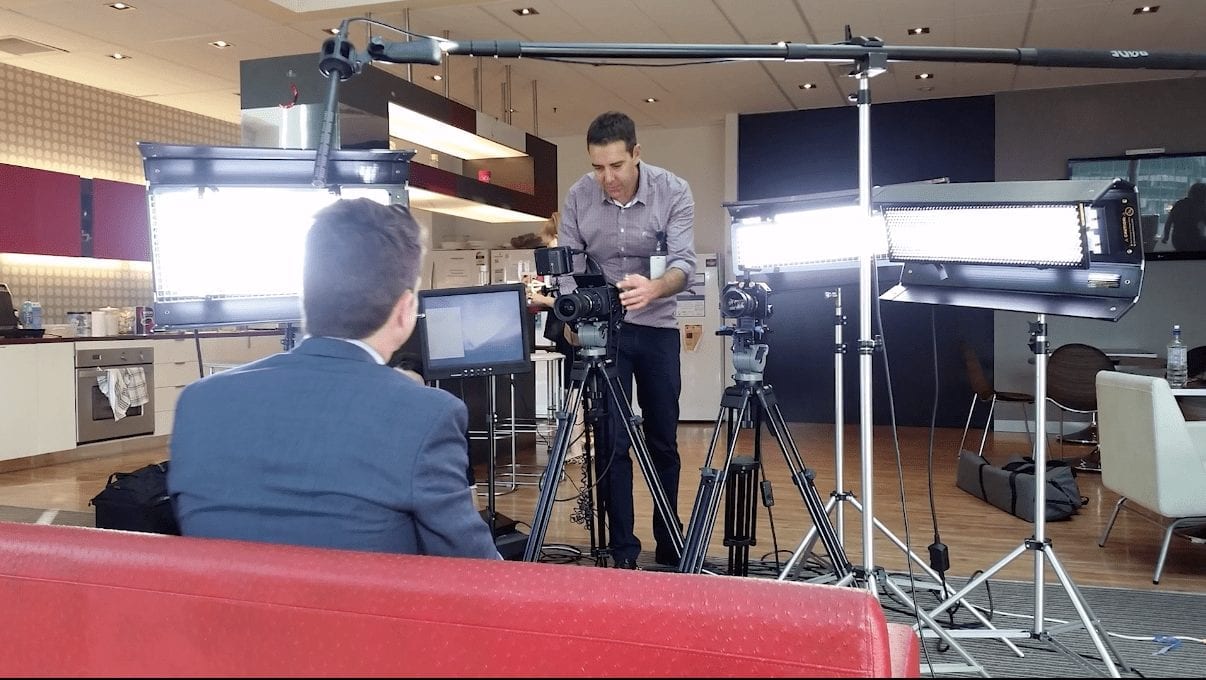
Plan the interview once the client has enough experience to describe the work and its results accurately. For some projects that is soon after delivery; for others, the outcome needs time to become clear.
Confirm that the client wants to participate, check the details they will discuss and agree on where the video will be used.
What Goes Into It
A strong testimonial tells a story, not just a collection of positive comments. At Dream Engine, we guide your client through five key stages:
- The Challenge – What problem were they facing?
- The Cost – Why did it need fixing?
- The Solution – Why did they choose you?
- The Result – What changed after working with you?
- What’s Different Now – What’s better today?
This framework gives each testimonial a clear structure. It helps your client stay focused during the interview and makes it easier for your audience to follow the story and understand the outcome.
Share the interview topics in advance and ask open questions. The structure should help the client recall useful details while leaving them free to describe their experience honestly.
For example, Harwyn, a Melbourne-based business, needed a construction industry video. Their client explains the initial challenge on a live project, how Harwyn approached it, and what changed as a result. The video is now used on their website and in proposals to show how they manage complex construction environments and support project bids.
Who Should You Select to Be in Your Video?
Not every client will make the right on-screen storyteller. When choosing someone, consider:
- Authority – Is this person respected in their field?
- Relevance – Do they reflect the type of client you want to attract?
- Location – Are they Melbourne-based (to keep production simple)?
- Clarity – Do they speak in a clear and engaging way?
- Authenticity – Do they come across as genuine and believable?
Choosing the right interview subject makes a significant difference. A testimonial video only works if the audience trusts the person on screen.
Melbourne Testimonial Video Example
At Dream Engine, we don’t just create testimonial videos for our clients, we also use them in our own marketing. They give prospects a clear sense of what it’s like to work with us.
For example, we produced a testimonial video with The Florey Institute, a leading brain research centre at the University of Melbourne. In the video, their team talks through the process of working with us, the outcome of the project, and why they continue to engage Dream Engine for new work. The video is often shared internally and with stakeholders to show how projects are delivered and what to expect before committing to new work.
See another example in the Innercode testimonial video case study.
Why Testimonial Videos Influence Buying Decisions
Video testimonials are persuasive because they combine a real person, a recognisable situation and a specific outcome. Viewers can hear the client’s tone, see their body language and understand the context behind the recommendation. A written quote alongside the video can also help visitors who prefer to scan the page.
The strongest testimonials do not feel like a hard sell. They let the client describe their experience in their own language. Specific details are more convincing than broad praise: what problem needed solving, how the work was managed and what changed as a result.
A believable testimonial usually has three qualities:
- Specificity – concrete details and outcomes rather than generic compliments.
- Natural delivery – a guided conversation rather than memorised marketing lines.
- A clear story – the challenge, the experience of working together and the result.
Plan for Silent Viewing and Multiple Formats
Many prospects first encounter testimonial content on LinkedIn, a landing page or while browsing at work, where they may watch with the sound off. We recommend captions as standard, clear opening context and selective on-screen text that reinforces the most important points.
The main video can also be adapted into shorter excerpts for social media, paid campaigns and sales follow-up. Planning these formats before filming helps capture the right answers and supporting footage for every version.
Where to Use Testimonial Videos
Testimonial videos are most effective at the points where a prospect is weighing up risk. Useful placements include:
- Relevant service and industry pages.
- Campaign landing pages.
- Sales follow-up emails and presentations.
- Proposals and tender responses.
- LinkedIn posts and paid advertising.
Their primary job is to help a potential client feel confident that your organisation understands their situation and can deliver what it promises.
Next Steps for Your Project
If you’re considering testimonial videos, the next step is to plan. Ask yourself:
- Which client stories would be most relevant to my audience?
- What results am I most proud to show?
- How will I use these videos on my website, in proposals, or on LinkedIn?
If you’re planning to create testimonial videos and want them to support your sales process, get in touch with Dream Engine. We’ll guide you through selecting the right clients, structuring the interviews, and producing a video you can use across your website, proposals, and marketing.
Contact us today to start planning your testimonial video project.
Testimonial Videos – Frequently Asked Questions
What is a testimonial video?
A testimonial video features real clients speaking about their experience working with your business. It provides social proof and helps potential clients understand what it’s actually like to work with you.
When should I film a testimonial video?
Film when the client has enough experience to explain the work and its results accurately. That may be shortly after delivery or later, once the outcome is clear. Confirm their willingness to participate and the intended uses first.
What makes a strong testimonial video?
Strong testimonial videos follow a clear story. They explain the challenge, why it needed fixing, the solution, and the result. The most effective testimonials feel natural and specific rather than scripted.
Who should appear in a testimonial video?
The best candidates are clients who reflect your target audience, communicate clearly on camera, and speak honestly about their experience. Choose someone believable who speaks naturally.
How can testimonial videos be used in marketing?
Testimonial videos can be used on your website, in proposals, across LinkedIn, in email campaigns, and during sales conversations. Place each story where it answers a relevant customer question, and measure how viewers use it.
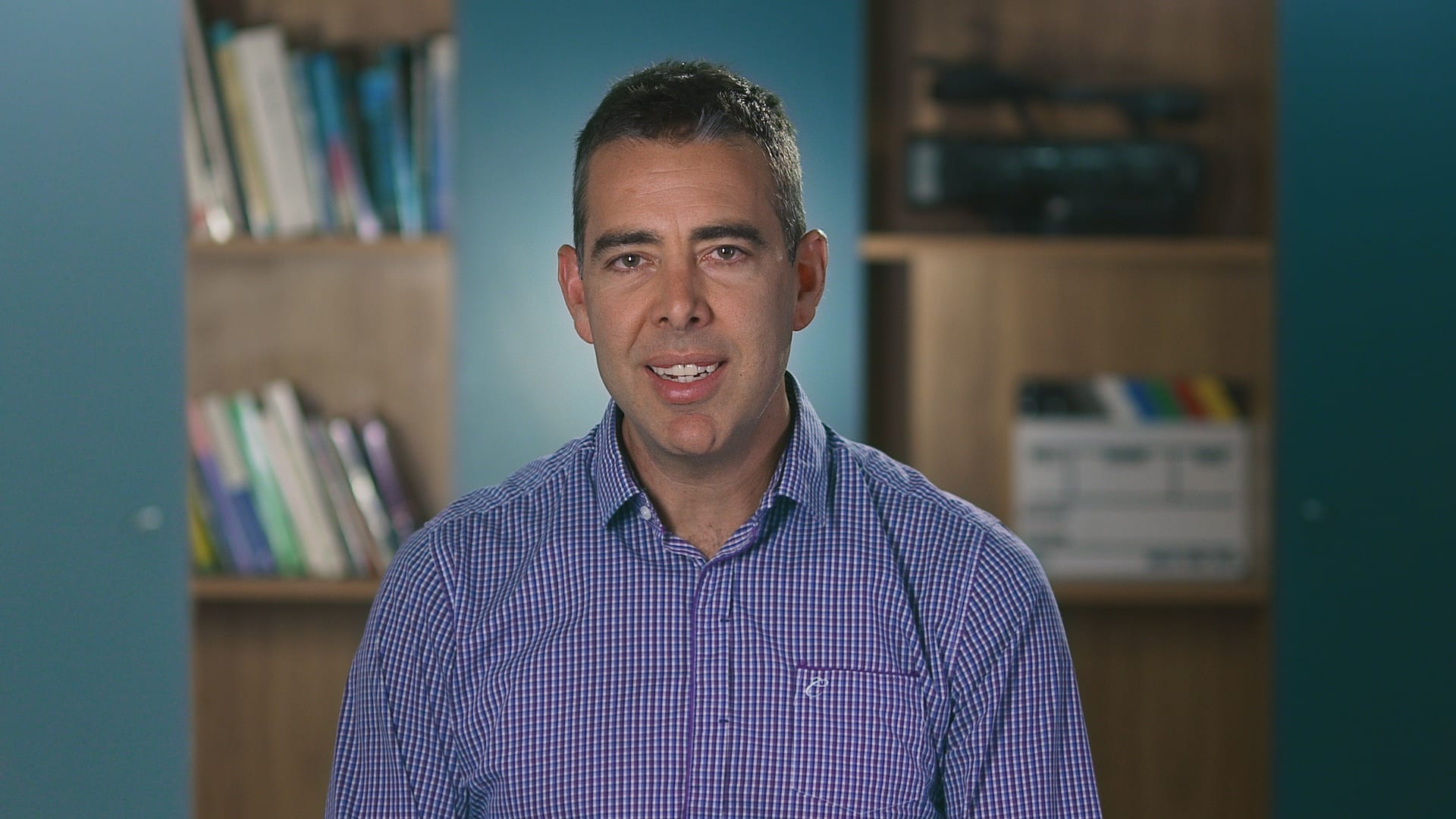
Ryan Spanger is the founder and managing director of Dream Engine, a Melbourne video production company established in 2002. Over the past two decades, he’s produced hundreds of videos for businesses, government departments, universities and healthcare organisations across Australia. Ryan specialises in helping organisations explain complex ideas through clear, engaging video content, with particular experience in corporate communications, training and education.