Training Video Case Study: Ampol Newport Terminal Induction
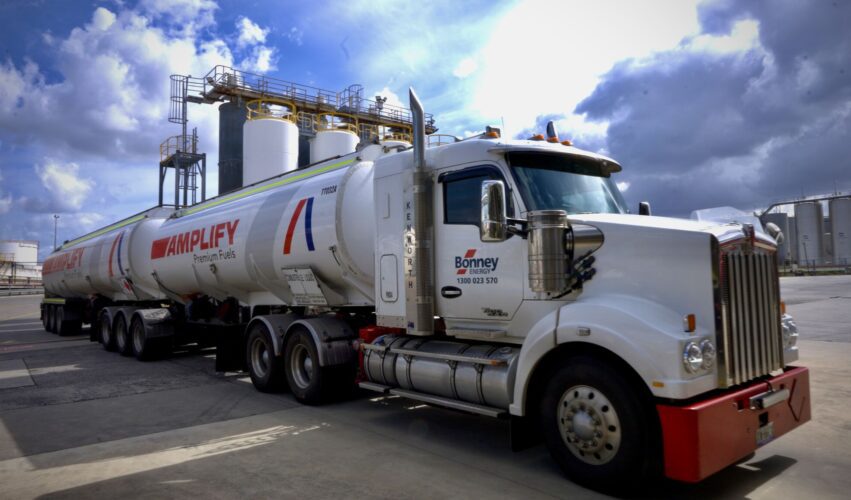
Dream Engine recently produced an induction video for Ampol’s Newport Terminal, one of the largest fuel storage facilities in Victoria. The video was created to help staff, drivers, and contractors understand site requirements quickly, follow safety procedures, and feel confident before entering operational areas.
This project is a practical example of how working with an experienced training video production company can improve consistency, reduce risk, and support compliance across a high-traffic industrial environment.
About the Project
Ampol needed a consistent way to induct staff, contractors, and drivers entering the Newport Terminal. The video would become part of the site’s onboarding process, helping each viewer understand the safety requirements before entering operational areas.
The content needed to be clear, practical, and suitable for repeated use. It also needed to reduce the reliance on repeated face-to-face briefings while still communicating important site procedures accurately.
Why Training Videos Matter in High-Risk Environments
With hundreds of people moving through the terminal each year, Ampol has a responsibility to ensure everyone on site understands how to work safely. Every new arrival needs to know where they can go, how to respond in an emergency, and what procedures must be followed at all times.
Video is particularly effective for this type of training. It ensures that every person receives the same information, presented clearly and consistently. Visual demonstrations make topics such as evacuation routes, safety equipment locations, and access procedures easier to understand than written manuals alone.
What the Induction Video Covers
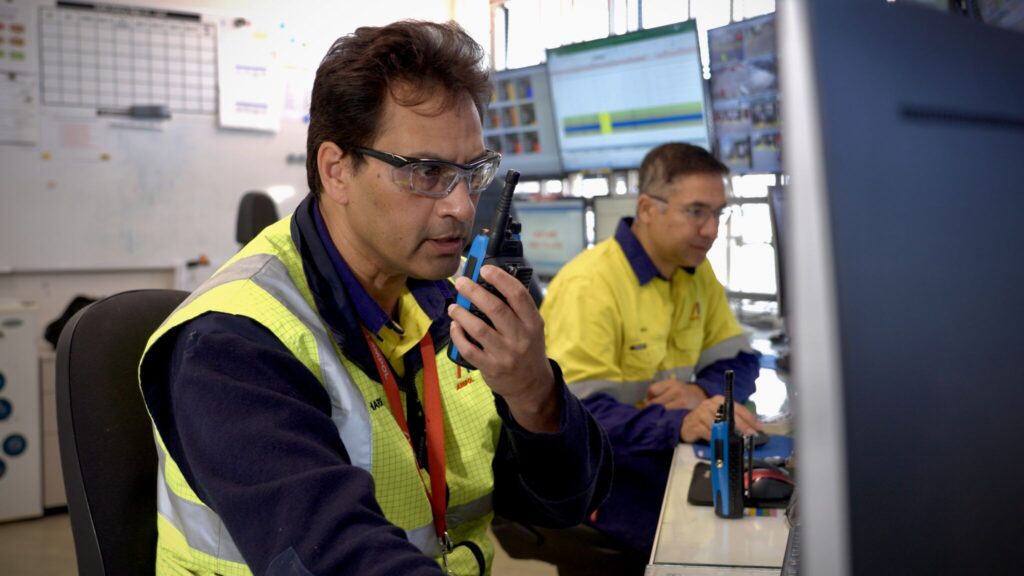
The Newport Terminal induction video walks viewers through the key safety and operational requirements of the site:
- Welcome and orientation, introducing the facility and its main areas of operation.
- Safety item locations, including alarms, fire extinguishers, and emergency phones.
- Evacuation procedures, covering alarms, muster points, and access gates.
- Operational safety, including entry procedures, tanker loading racks, foam deluge systems, and driver-specific checks.
Each section combines narration, on-screen text, aerial footage, and live demonstrations to create a clear and practical learning experience.
Beyond Compliance
While compliance was an important requirement, the broader goal was communication. Every person arriving on site needed to understand the rules, procedures, and expectations before entering operational areas.
The video helps achieve this consistently, regardless of who is watching or when they complete the induction. For organisations operating complex or hazardous facilities, that consistency is critical.
How We Approach Safety and Induction Videos
For projects like this, our team works closely with stakeholders to understand site-specific risks, procedures, and operational requirements. We combine practical demonstrations, drone footage where appropriate, and clear narration to ensure the content is accurate, easy to follow, and suitable for repeated use.
This approach ensures the video remains useful over time, even as staff, contractors, and site visitors change.
The Outcome
The completed induction video is now used to introduce staff, contractors, and drivers to the Newport Terminal. By combining narration, aerial footage, on-screen graphics, and practical demonstrations, the video provides a repeatable training resource that can be delivered consistently to every new site visitor.
For Ampol, this means important safety information can be communicated in a clear and reliable way before people enter operational areas.
Next Steps
A well-produced induction video can help new employees, contractors, and visitors understand your organisation’s procedures before they arrive on site. It improves consistency, saves time for supervisors, and helps ensure important information is delivered the same way every time.
If you are planning an induction or onboarding video, learn more about our Training Video Production Melbourne services and how we help organisations create effective training content.
Induction Video FAQ
What is an induction training video?
An induction training video introduces staff, contractors, or visitors to a site or organisation. It typically covers safety requirements, procedures, and expectations so everyone receives consistent information before starting work.
Are training videos suitable for safety-critical environments?
Yes. Training videos are particularly effective in safety-critical environments because they demonstrate procedures visually, reduce reliance on written manuals, and ensure every viewer receives the same information.
Can induction videos replace face-to-face training?
Induction videos often form the foundation of training and can significantly reduce the need for repeated in-person briefings. In many cases, they are used alongside site-specific walkthroughs or supervised onboarding.
How long should an induction video be?
Most effective induction videos are between 5 and 15 minutes long. The goal is to cover essential information clearly without overwhelming the viewer.
Final Thoughts
This case study shows how video can improve induction and safety training. Instead of relying only on manuals or repeated briefings, a well-produced training video gives each person the same clear information before they enter the site.
If your organisation operates a manufacturing facility, logistics hub, warehouse, construction site, utility, or other high-risk workplace, a professionally produced induction video can improve consistency, reduce onboarding time, and help communicate important safety information more effectively.
Learn more about our training video production services or get in touch to discuss your requirements.
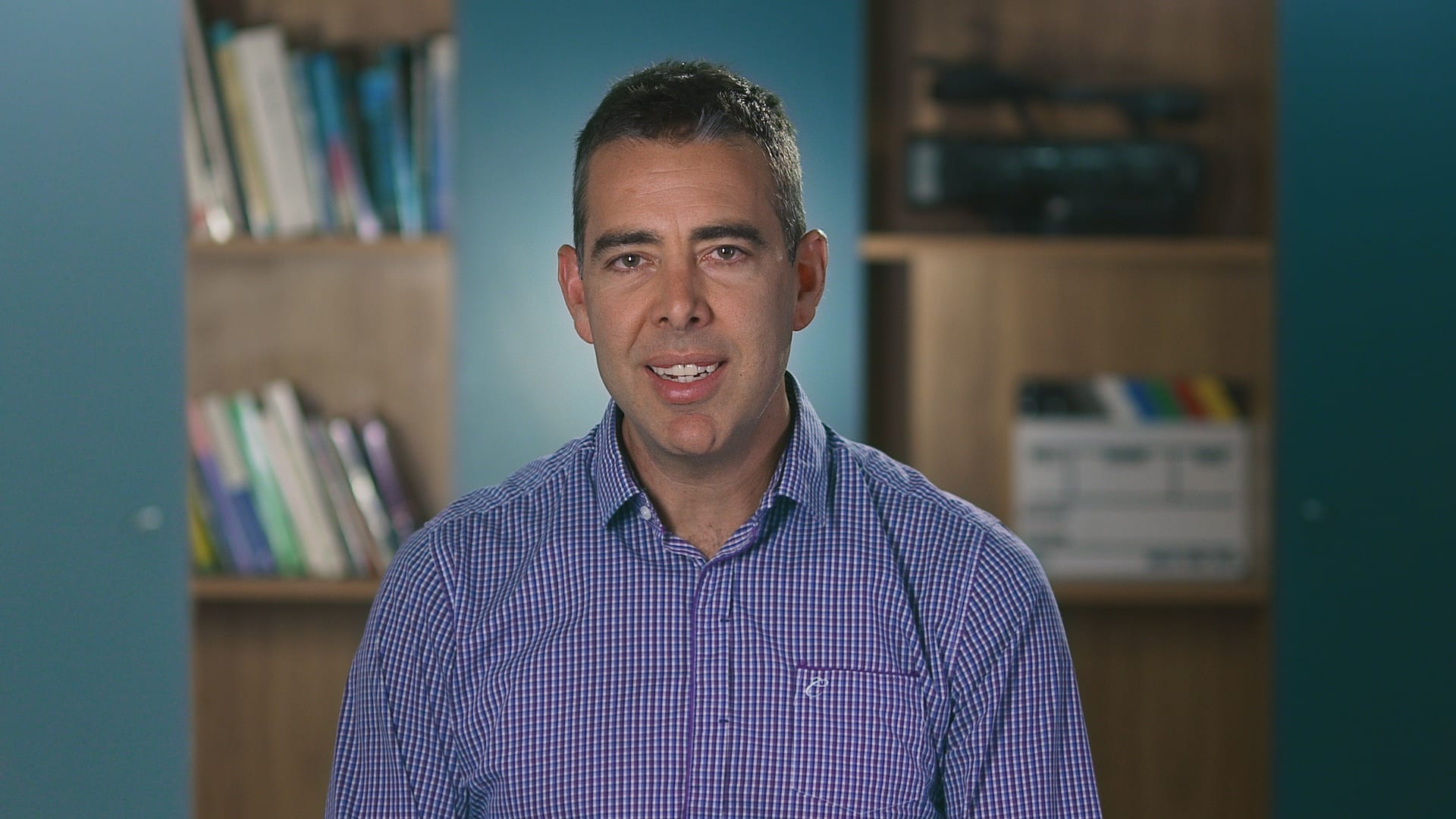
Ryan Spanger is the founder and managing director of Dream Engine, a Melbourne video production company established in 2002. Over the past two decades, he’s produced hundreds of videos for businesses, government departments, universities and healthcare organisations across Australia. Ryan specialises in helping organisations explain complex ideas through clear, engaging video content, with particular experience in corporate communications, training and education.