
What should the video achieve?
We define the communication or business result the video needs to support. That might be enquiries, understanding, confidence, participation, training or a clear next action.
Video production company in Melbourne, Australia.
Before we recommend cameras, locations or a script, we work out what the video needs to achieve, who it is for and how it will be used. That gives the project a clear direction and keeps later decisions practical.
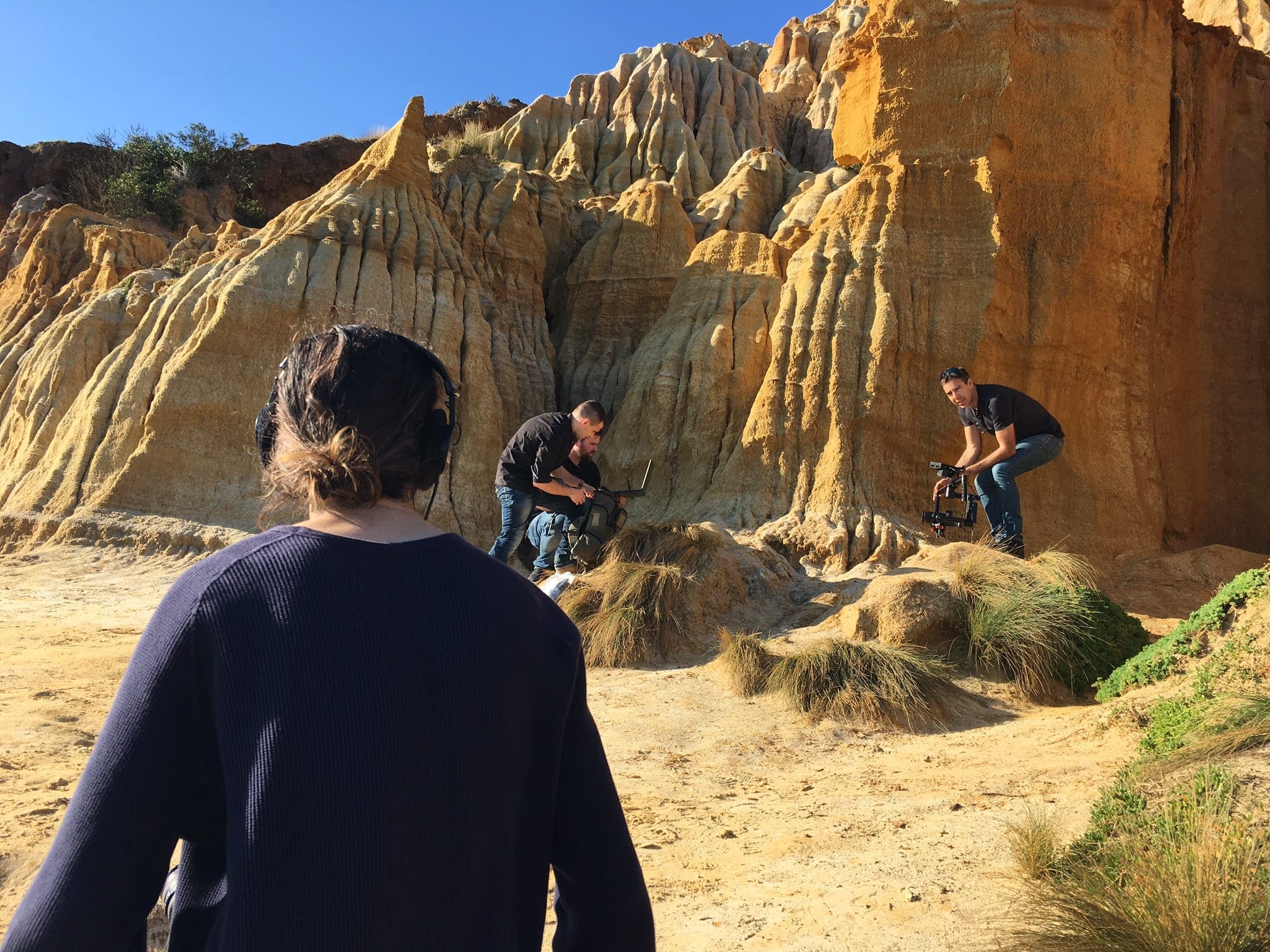
A clear starting point
A good strategy is simply a shared answer to the important questions.
Some clients come to us with a detailed brief. Others have a broad idea, a business problem or an important message that needs to reach the right people. Both are useful starting points.
We begin by understanding what needs to change after someone watches. They may need to understand a new service, trust your organisation, take the next step in a sales process, learn a task or feel confident about a change.
Once that is clear, it becomes much easier to decide what kind of video to make, how much information it should contain and what production approach is worth investing in.
We start by asking who needs to watch the video, what they need to understand and where they will see it. Your answers help us recommend the content, filming approach and versions that will be useful for the project.
We define the communication or business result the video needs to support. That might be enquiries, understanding, confidence, participation, training or a clear next action.
We look at what the audience already knows, what matters to them and what may stop them from listening or acting. This informs the language, tone, pace and level of detail.
We identify the main point and the supporting information. If everything is treated as equally important, the video can become crowded and the core message gets lost.
A video for a sales presentation has a different job from a social post, event opener, website film or internal training module. The viewing situation affects the approach.
We confirm the main video, cutdowns, captions, aspect ratios, language versions and any separate openings or calls to action before filming wherever possible.
Budget, deadlines, locations, access, staff availability, brand requirements and approval stages all affect the plan. It is better to account for them early than solve them during production.
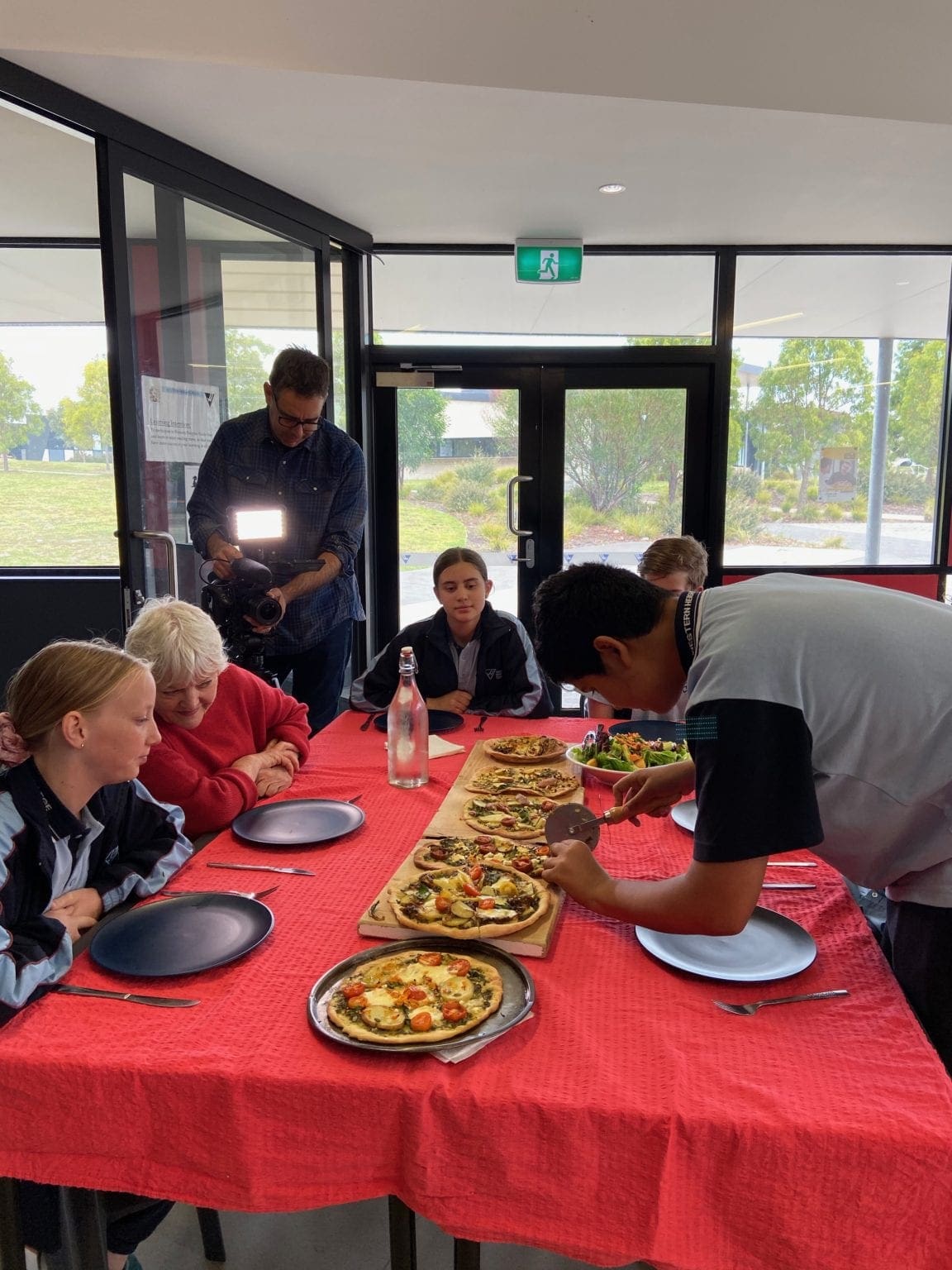
Before recommendations
We need to understand the organisation, product, service or topic before we can recommend the right way to explain it. We review the material you already have and speak with the people who know the subject well.
That may include sales staff, subject experts, project leads, customers or internal stakeholders. If the video will support a presentation or sales conversation, we want to know what questions people ask, what they misunderstand and what information is most useful at that point.
We also look at comparable videos and category conventions. This is not about copying another organisation. It helps us see what audiences are already used to and where a clearer or more useful approach is possible.
Existing presentations and written material
Brand and style guidelines
Audience or customer information
Stakeholder conversations
Previous videos and performance
Relevant examples and references
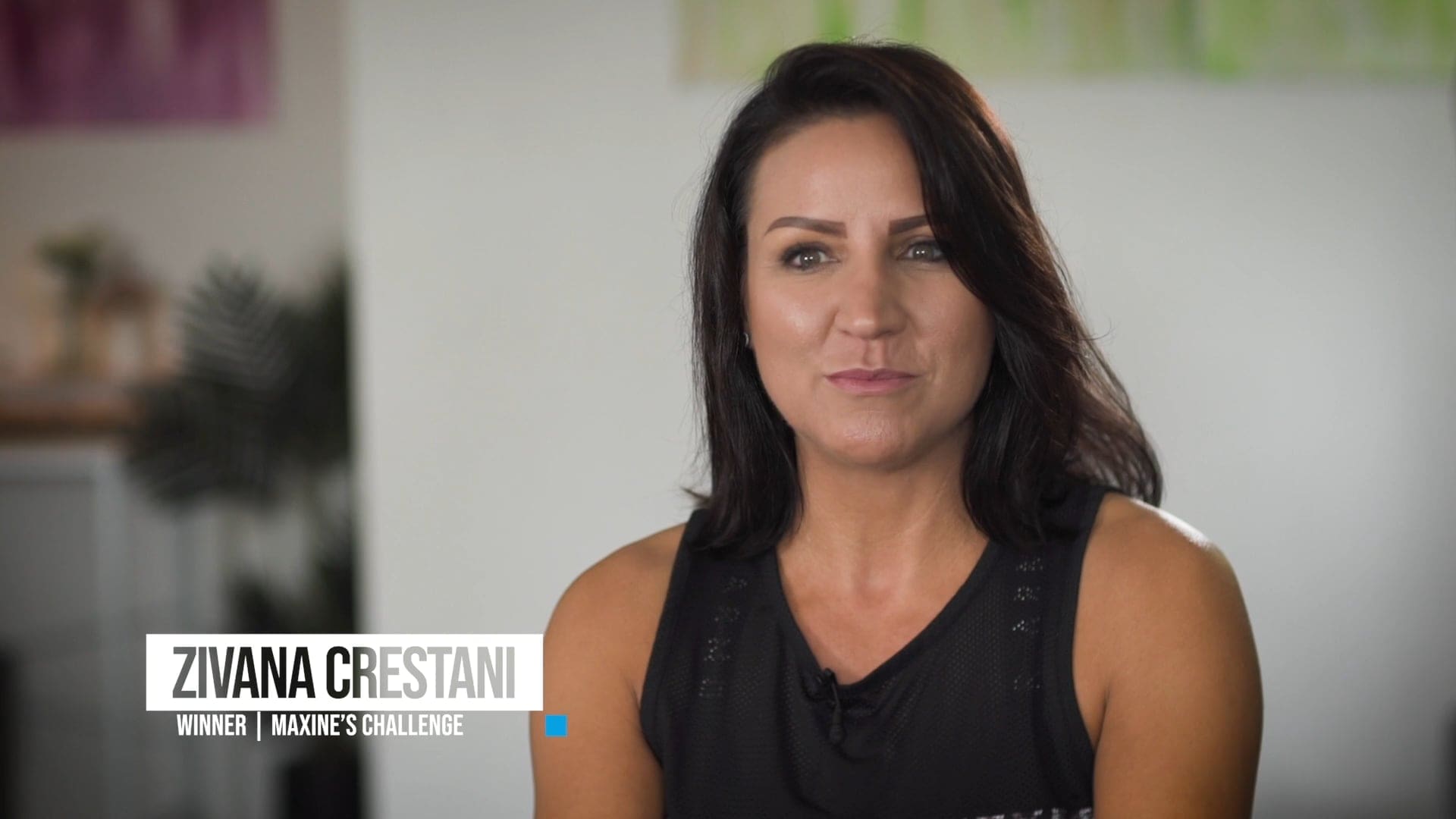
The right amount of detail
Not every project needs a formal strategy document, treatment and fully written script. A straightforward corporate interview may only need a well-defined audience, clear interview themes, the right contributors and a practical B-roll plan.
A television commercial, presenter video or animation usually needs more creative development and approval before production begins. We use enough planning to remove avoidable uncertainty without making a simple project harder than it needs to be.
We plan the purpose, interview themes, contributors and supporting pictures. The answers remain natural and unscripted, but the conversation is carefully prepared so the edit has what it needs.
These projects often move through a concept, treatment, script and sometimes a storyboard. Each stage gives the client a clear point to review the direction before more detailed work begins.
We look at how the videos work together, what can be filmed efficiently in the same production period and how each piece serves a different audience, channel or stage of the conversation.
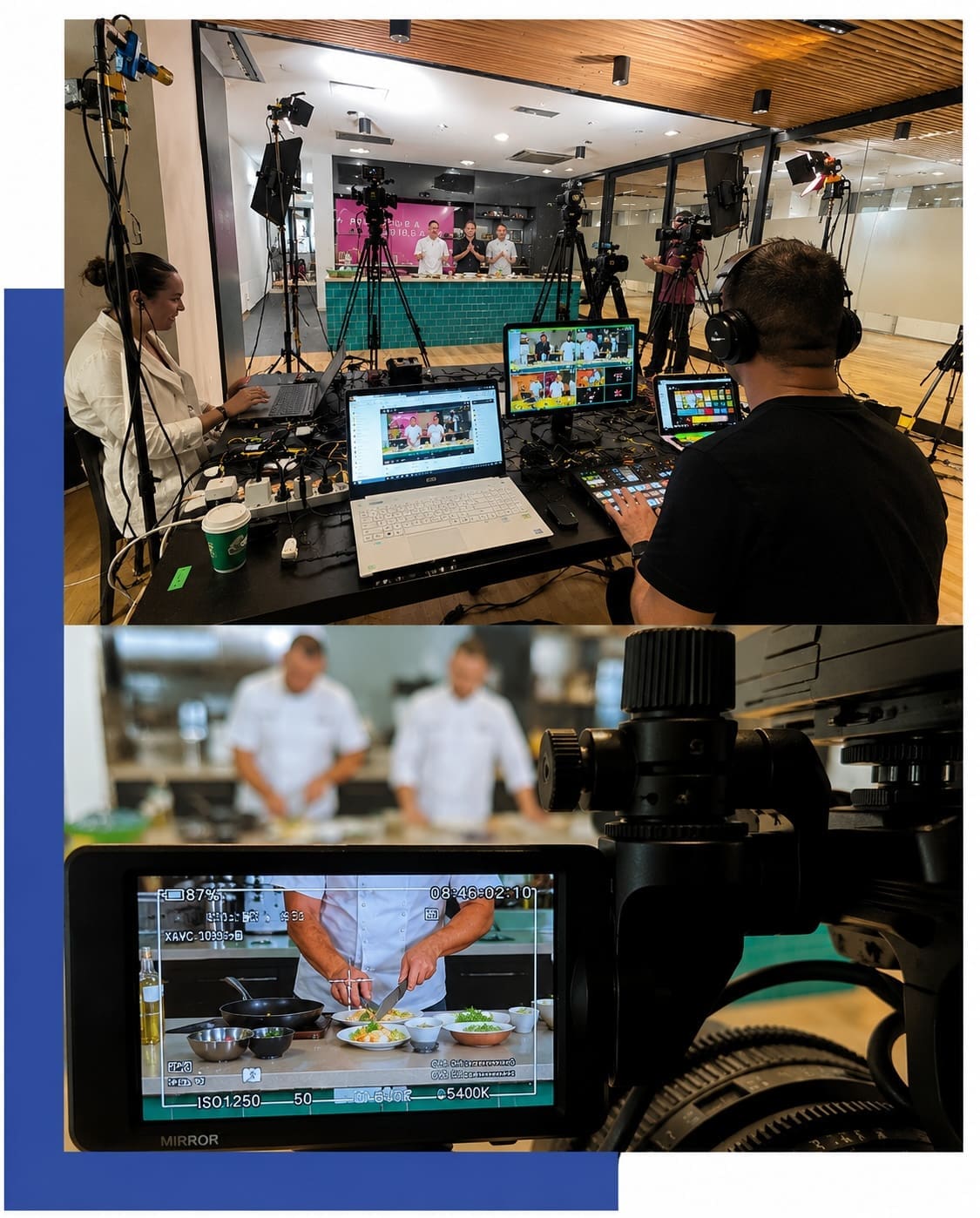
The strategy includes the in-room and remote audience, presentation content, recording needs, live feeds, timing, technical access and what useful material should remain after the event.
The strategy is a set of agreed decisions that feeds directly into the brief, creative development and pre-production.
We discuss the goal, audience, message, timing, budget and the people who need to approve the work.
We review the topic, existing material, brand guidance, comparable work and the needs of key stakeholders.
We explain the type of video, content structure, production method and deliverables that best fit the job.
We record the decisions in a clear video production brief so everyone is working from the same information.
Depending on the project, we move into script planning, interview planning, a concept, treatment, script or storyboard.
The agreed direction informs the schedule, locations, crew, equipment, shot list, contributors and approval points.
Plan the final use early
A main video is often only part of the delivery. The same project may also need short social edits, vertical versions, event playback, captions, a silent screen version or separate messages for different audiences.
We work through those needs before filming. It can affect framing, interview questions, graphics, shot duration, the way key information is spoken and how much coverage we capture. Planning it later can mean the right material was never recorded.
Clear context, a useful next step and versions that fit the point where the viewer will see them.
Shorter edits, strong openings, captions and horizontal, square or vertical framing where required.
Room playback, remote audiences, screen dimensions, presentation timing and accessible delivery.
As much support as you need
Some clients prefer to develop the strategy and brief internally, then bring us in once the direction is clear. Others want us to guide the whole process from the first conversation. We are comfortable with both.
The agreed plan should let your team check the audience, message, main video and other versions before filming begins. If a decision is still open, we identify who needs to resolve it and when.
Common questions
No. You can come to us with a finished brief, a rough idea or simply a communication problem you need to solve. We ask the right questions, help you define the audience and outcome, then recommend a practical way forward.
It helps to know what the video needs to achieve, who should see it, where it will be used, when it is needed and who will approve it. A budget range, existing content, brand guidance and examples you like can also help, but none of these need to be complete before we speak.
They are closely connected but not identical. The strategy explains the audience, outcome, message, channels and broad approach. The video brief records the agreed project requirements and becomes the practical reference for creative development and production.
Yes. We look at the audience, communication goal, available content, viewing situation, timing and budget before recommending an interview-led video, presenter piece, animation, commercial, event production or another approach.
Yes. It is best to identify these versions before filming so we can plan the framing, questions, graphics and extra coverage around them. We can include horizontal, square and vertical edits, captions and different calls to action in the delivery plan.
It depends on the project. A straightforward corporate video may be resolved through an initial discussion and a clear brief. A campaign, commercial or project with several stakeholders may need more research, creative development and approval. We set out the process and timing before that work begins.
We confirm the video brief and move into the level of pre-production the project needs. That may include a concept, treatment, script, interview plan, storyboard, locations, casting, schedule and shot list before filming begins.
Tell us what you are trying to achieve and who you need to reach. We can help turn that into a practical plan and a clear production scope.
