In this guide
Animation can help a government agency explain how a service works, introduce a policy change or train staff. It is particularly useful when the subject is difficult to film: an energy market, an application process or a sensitive conversation.
The choice depends on what viewers need to understand. A diagram can show how parts of a system connect. An animated scene can illustrate a difficult situation without asking people to recreate it on camera.
Dream Engine has produced videos for Australian government agencies for over fifteen years. The examples below cover National Electricity Market reform for AEMO, renewable gas certification for GreenPower and staff training for the Office of Public Prosecutions Victoria.
We have also written about how councils across Melbourne use video to explain services and local projects. Here, we look at when animation suits government communication and what to consider when planning it.
These ten points can help you decide whether animation suits your project.
1. Explain a process step by step
A policy document may run to hundreds of pages, but someone applying for a service needs to know whether they qualify, what to provide and what happens next.
Animation video production can show that process one step at a time. The script explains each action while the visuals show who is responsible and how the steps connect.
The same approach can explain a new regulation or a deadline. Decide which details belong in the video and which need a link to the full written guidance.
Case study: GreenPower renewable gas certification
Dream Engine produced the animation below to explain GreenPower’s renewable gas certification. It is aimed at commercial and industrial gas users, including businesses that cannot easily switch to electric processes.
The video follows the certification process from accreditation of a production facility through to the creation, trading and retirement of renewable gas certificates. Breaking this into a sequence lets viewers follow what happens at each stage, rather than trying to understand the whole system at once.
2. Show what you cannot film
An electricity market or a proposed service may have no single location you can film. Animation can show relationships between organisations, the movement of energy or the steps in a decision.
This is one of the main reasons animation works well when a message is difficult to film. It gives communication teams more control over what the audience sees, without relying on locations, actors, weather, or access to sensitive environments.
3. Keep different versions consistent
A public information campaign may need different languages, shorter edits and versions for staff or community groups. Starting with an approved script and visual sequence gives each version the same factual basis.
Captions, voiceover and screen text can then be adapted for each audience. Those versions still need review, particularly where a shorter edit could leave out an important condition or change the meaning.
4. Handle sensitive subjects with care
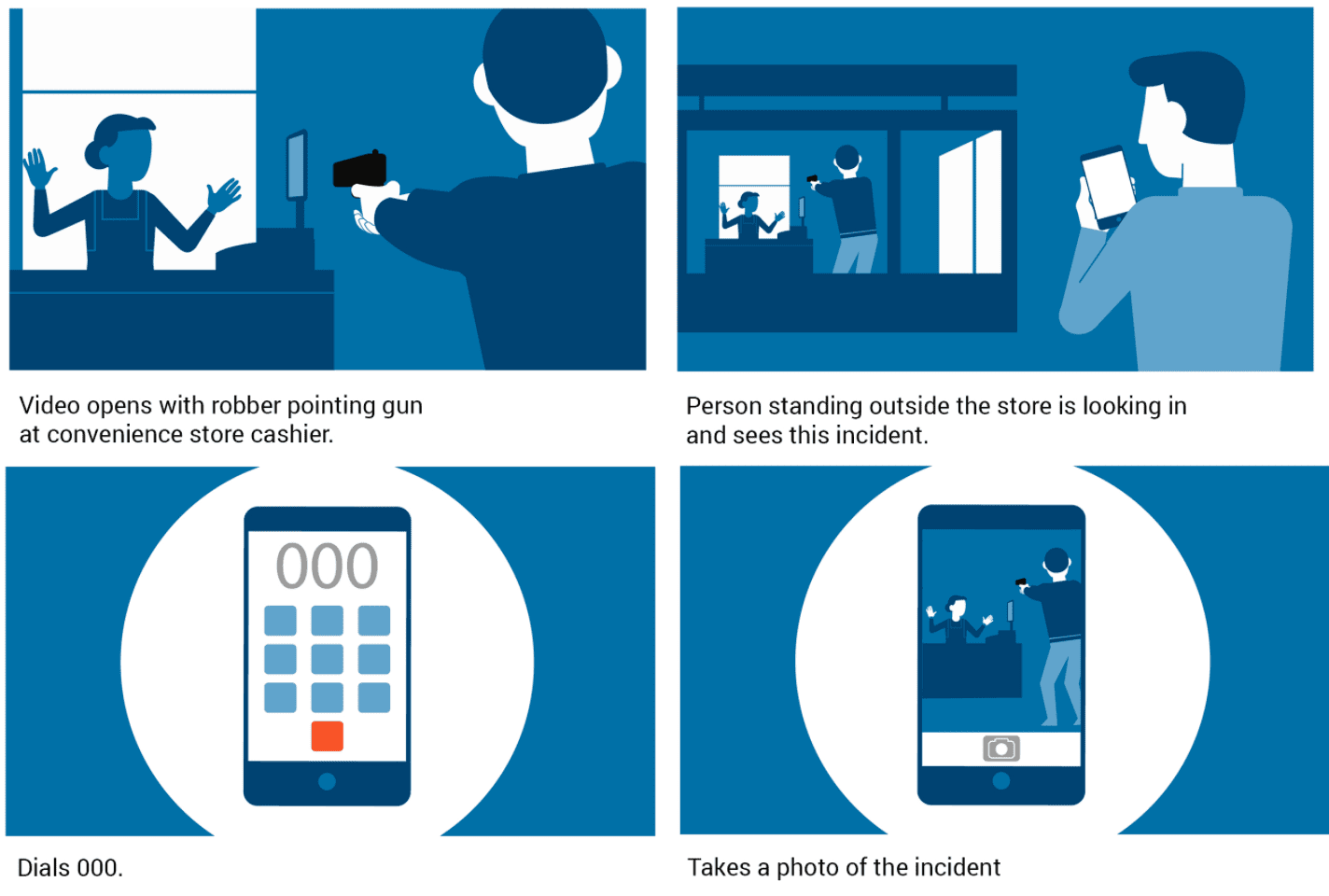
Legal processes, family services and public health messages sometimes involve situations that would be confronting to recreate with actors. Animation gives you control over how much detail to show. A simplified character or setting can explain the situation without depicting a particular person’s experience.
Review the script and illustrations with people who understand the subject and audience, including whether any scene could be distressing.
5. Update the video when information changes
Updating a filmed video can mean bringing back a presenter, booking a location and arranging another shoot. With animation, a change to a statistic, logo or department name may only require a change to the relevant scene.
Larger changes can still affect the script, voiceover and timing across several scenes. If updates are likely, identify those sections when planning the video and discuss how future revisions will be handled.
This does not mean animation is always cheaper at the start. The cost depends on the style, length, script complexity and number of review rounds. Our animation cost guide explains the main budget factors and indicative ranges.
6. Plan for captions, translation and accessibility
Animation is not automatically accessible. Captions, voiceover, readable screen text and plain language need to be planned together. For example, information shown only in a diagram may also need to be explained in the narration.
Visual explanations can support people who find written government information difficult to follow. Translated versions may also be needed for people who speak English as an additional language.
Consider script length, pacing, contrast, caption space, screen text and audio clarity early. Leave time to check each language version and any additional accessibility requirements before delivery.
7. Represent the people you need to reach
The people and settings in a video influence who recognises it as relevant to them. With animation, these choices are made during character and visual design.
Characters can represent a range of ages, skin tones, abilities and family structures. Review their appearance, behaviour and surroundings carefully so the illustrations reflect the intended audience without relying on stereotypes.
8. Use movement to guide attention
Movement can direct viewers to the part of an explanation they need to follow. A highlighted route, a change in colour or a new element appearing on screen can show where they are in a process.
Keep that movement tied to the message. Too many moving elements or too much text can make the explanation harder to follow. The pace should give viewers enough time to read, listen and understand before the next point appears.
9. Adapt the animation for different platforms
A campaign may need a full explainer for a department website, short social clips and a version for presentations or staff training. Agree on these uses before designing the scenes.
A longer explainer can be edited into shorter social media clips. A horizontal video can be adapted into square or vertical formats. Key scenes can be reused as still graphics, presentation slides, or internal communication assets.
Case study: Office of Public Prosecutions Victoria
Dream Engine produced eight animated microlearning modules for OPP staff involved in victim and witness conferences. The topics included managing grief, anger, silence and disengagement, delivering bad news and responding to trauma.
We filmed a presenter against a green screen and combined that footage with hand-drawn animation and onscreen learning points. The presenter explained the guidance while the illustrations showed situations and responses that would have been difficult or inappropriate to dramatise.
These workplace training videos show how animation and filmed presentation can work together. Each module covers a particular situation so staff can revisit the guidance they need.
10. Review the script and storyboard before animation starts
Government projects can involve subject matter experts, legal reviewers and communications teams. Reviewing the script first lets them check the facts and wording. The storyboard then shows what viewers will see alongside each part of the narration.
Agree on who approves each stage and allow time to bring their feedback together. Changes to the message are usually easier to handle before the scenes have been animated and the voiceover recorded. Our guide to the animation process explains those stages.
Define the brief before comparing quotes. For procurement, define the video’s length, style, scenes, voiceover, accessibility requirements, delivery formats and revision rounds. This gives everyone a more precise basis for assessing the scope and quote.
Case study: AEMO National Electricity Market reform
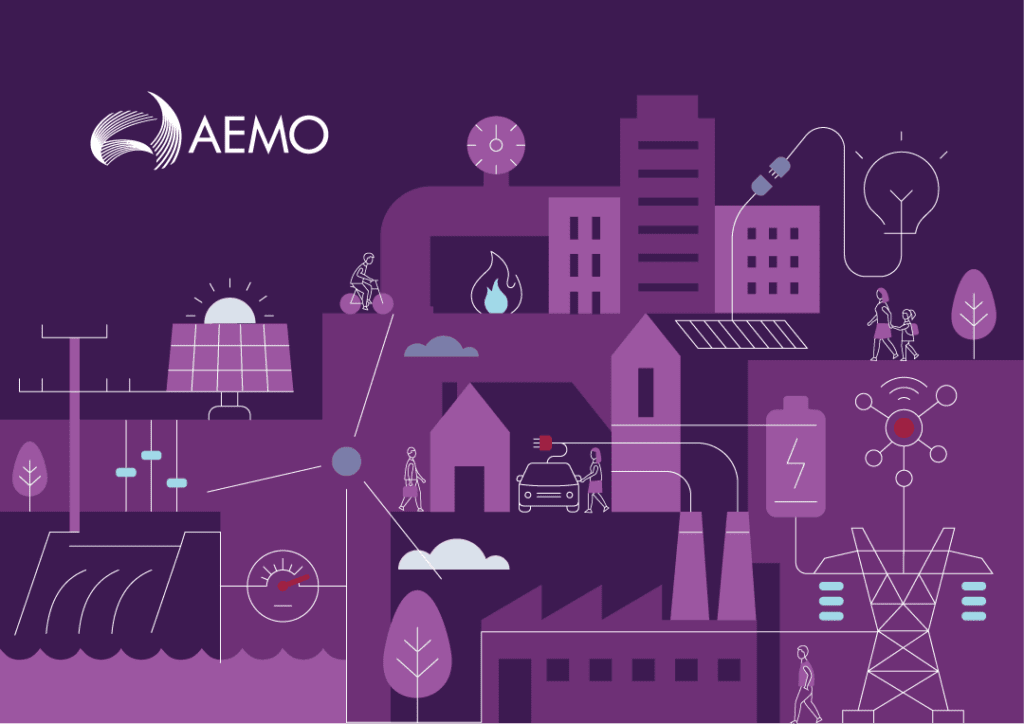
The Australian Energy Market Operator, AEMO, asked Dream Engine to produce an animation explaining National Electricity Market reform for government, industry and stakeholder audiences.
We used custom illustrations, motion graphics and narration to show relationships between the energy system, its participants and the reform process. The sequence introduces the ideas step by step, giving viewers a visual explanation of a subject that would be difficult to show through footage alone.
Read the AEMO animation case study here.
How we work with government agencies
We start with the information your audience needs and the material you already have. Your subject matter experts help check the content as we develop the script and visuals.
Our process usually includes:
- Confirming the audience, purpose and where the video will be used
- Script development and review with subject matter experts
- Visual style development based on brand, accessibility and audience needs
- Storyboard development before full animation begins
- Voiceover, music and sound design where required
- Versioning for social media, websites, internal networks, presentations or broadcast
- Subtitles, captions and translation options where needed
- Agreed review stages, with feedback brought together before each approval
Planning a government animation
Tell us what you need to explain, who the video is for and when you need it. You can see more of our government video production work or explore our animation video production services.
For more help with style, scripts and production planning, browse our animation and explainer video guides.
Ryan Spanger is the founder and managing director of Dream Engine, a Melbourne video production company established in 2002. Over the past two decades, he’s produced hundreds of videos for businesses, government departments, universities and healthcare organisations across Australia. Ryan specialises in helping organisations explain complex ideas through clear, engaging video content, with particular experience in corporate communications, training and education.