Animation is one of the most reliable ways to explain a process, clarify a message, or simplify something complex. It is commonly used for training, product explainers, staff communication, public information, and high-level marketing.
Once you have decided animation is the right format, the next question is usually budget. Whether you are planning a training video, product explainer, government campaign, or internal communication project, understanding typical animation costs can help you scope the project properly and avoid surprises later.
There is no single industry-wide price for animation. Costs vary based on style, complexity, length, timelines, and the amount of development and review required. This page outlines realistic animation pricing in Melbourne, explains what drives those costs, and helps you plan with confidence.
If you are already exploring suppliers, you can view our service here: Animation Video Melbourne.
Why animation costs vary
Animation is built from many individual components that layer together. Script development, style design, storyboarding, illustration, animation, sound, and review cycles all contribute to the final cost.
Some projects are intentionally simple. Others involve detailed artwork, character movement, complex timing, or technical subject matter. The difference in effort is significant, and pricing reflects that.
Length of the video
Most business animations range from 45 to 120 seconds. Shorter videos often cost less, but length alone does not determine price. A short animation with detailed custom artwork can take longer to produce than a longer animation with a simpler visual style.
Animation style
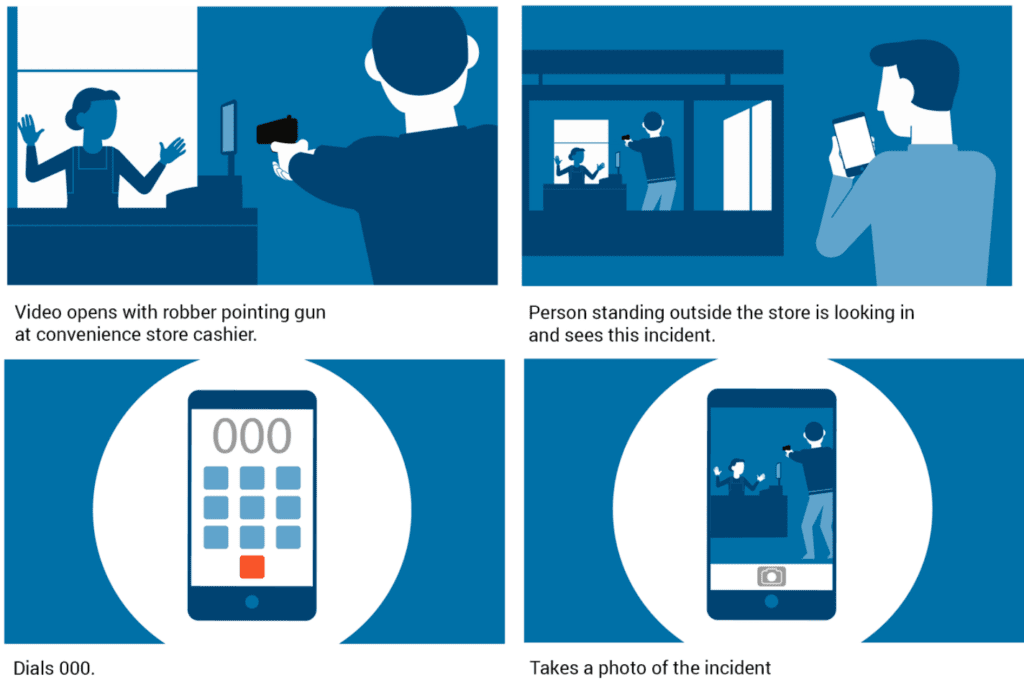
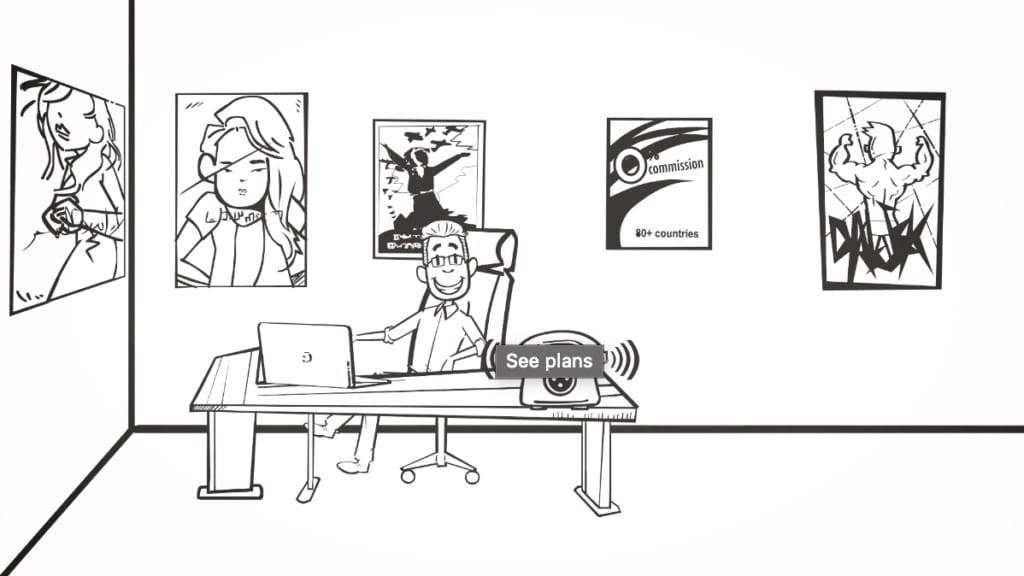
- Icon or whiteboard animation sits at the lowest price point.
- 2D motion graphics using brand elements fall in the middle.
- Character animation requires more illustration and animation time.
- 3D animation and product visualisation require specialist tools and longer production hours.
Level of visual detail
Clean, minimal layouts are faster to build than scenes with textures, shading, lighting effects, or multiple animated elements on screen at once.
Script and message complexity
Some projects arrive with a clear, approved script. Others require workshops, multiple drafts, or subject matter validation. Additional development time increases the overall cost.
Review and approval cycles
Most projects include two structured review rounds. Government, enterprise, and regulated environments often require more, which adds time and cost.
Deadlines
Tight timelines require parallel production and larger teams. Faster delivery generally increases cost.
Typical animation costs in Melbourne
The ranges below reflect real-world pricing for professional animation work delivered to government, education, health, finance, technology, and internal communication teams.
Whiteboard and icon-style animation
This style is commonly used for training, internal communication, and procedural explainers. It works well when the message is practical, direct, and does not require detailed character movement or complex custom illustration.
Typical cost for a 60-second video:
$3,000 to $6,000
This usually includes script development, a basic storyboard, icon-based artwork, simple transitions, professional voiceover, sound design, and captions.
2D motion graphics and brand animation
This is the most common style used by Melbourne organisations. It incorporates brand colours, typography, and custom illustrations, making it useful for explainers, staff communication, software videos, and public information campaigns.
Typical cost for a 60 to 90-second video:
$4,000 to $9,000
- Script writing and refinement
- Style frames
- Detailed storyboard
- Custom graphics and 2D animation
- Professional voiceover, music, and captions
- Delivery versions for multiple platforms
Character animation
Character animation adds personality and is often used for campaigns, education, staff communication, and scenarios where the audience needs to see people, roles, or behaviours represented visually.
Typical cost for a 60 to 90-second video:
$7,000 to $12,000
Cost is driven by the number of characters, mouth movement, walk cycles, environments, scene changes, and the level of detail required in each scene.
3D animation and product visualisation
3D animation is used for machinery, construction, engineering, architecture, product demonstrations, and technical processes that cannot be filmed easily. It usually requires more planning and specialist production time than simpler animation styles.
Typical cost for a 60 to 120-second video:
$8,000 to $15,000 or more
Example animation budgets
| Project Type | Typical Budget |
|---|---|
| Internal training animation | $3,000 to $7,000 |
| Explainer video | $4,000 to $9,000 |
| Product or software animation | $5,000 to $10,000 |
| Character animation | $7,000 to $12,000 |
| 3D visualisation | $8,000 to $15,000+ |
Animation vs live action video costs
Many organisations assume animation is always cheaper than filming. In practice, it depends on the project.
A simple animated explainer can cost less than a filmed production that requires multiple shoot days, locations, talent, travel, and crew. However, highly customised animation with detailed illustration, character design, or 3D modelling can cost more than filming.
The right choice is usually determined by the message rather than budget alone. Animation works particularly well when explaining systems, processes, software, technical concepts, or subjects that are difficult to film clearly.
What your animation budget actually pays for
Animation costs reflect more than the finished video. A professional process usually includes planning, scripting, visual development, production, sound, review, and final delivery.
- Script development focused on accuracy and easy understanding
- Style frames to lock in the visual approach
- Storyboarding to approve structure before animation begins
- Custom artwork and illustration
- Animation, timing, transitions, and pacing
- Professional voiceover and sound design
- Captions and accessibility requirements
- Rendering and delivery for different platforms
Can animation save money over time?
In some situations, animation can be more economical over the long term. This is especially true when the content needs to be updated, translated, or adapted for different audiences.
If a process changes, a product is updated, or branding evolves, individual scenes can often be revised without recreating the entire video. This can be useful for training content, software demonstrations, policy communication, compliance material, and internal processes that need periodic updates.
How to manage animation costs effectively
Start with a clear message
Clear objectives reduce script rewrites and unnecessary scenes. Before production begins, define what the viewer needs to understand, remember, or do after watching.
Choose a style that suits the purpose
Simple styles often communicate more effectively than highly detailed ones. A clean motion graphics approach may be more useful than complex character animation if the goal is to explain a process quickly.
Provide references early
Examples help set expectations before design begins. Sharing references for style, pace, tone, and level of detail can prevent rework later in the project.
Coordinate feedback
Combining stakeholder input into a single review round saves time and cost. This is particularly important for government, health, finance, and enterprise projects where several people may need to approve the content.
Plan for updates
If the content is likely to change, choose a style that can be updated efficiently. This may affect how scenes are built, how text is handled, and how much visual detail is used.
When animation is the right choice
Animation is ideal when something is complex to film, abstract, regulated, or needs to remain consistent across versions, regions, or languages. It is commonly used in health, government, education, technology, finance, and internal communication where the message needs to be clear and repeatable.
It is also useful when live action would create practical problems. For example, a workplace process may be unsafe or disruptive to film, a product may not exist yet, or a technical system may be hidden inside machinery, software, or infrastructure.
Final thoughts
Every animation project is different, but understanding the factors that influence pricing makes it much easier to plan a realistic budget. Whether you choose whiteboard animation, motion graphics, character animation, or 3D visualisation, the best approach is to match the style to the message you need to communicate.
For examples of different animation styles and how organisations use them, see our guide to animation video production.
Animation Video Cost Melbourne – Frequently Asked Questions
How much does a 60 second animation cost in Melbourne?
For a simple whiteboard or icon-style explainer, a 60 second animation typically costs between $3,000 and $6,000. More detailed 2D motion graphics or character-based animation usually falls between $4,000 and $9,000, depending on complexity and review requirements.
What is the minimum budget you recommend for animation?
A practical starting point for professional corporate animation in Melbourne is around $3,000. Budgets below this level generally require a very simple visual treatment or the reuse of existing assets.
What makes an animation more expensive?
Animation costs increase with custom illustration, detailed characters, complex scenes, multiple environments, additional review rounds, or tight deadlines. 3D animation and technical visualisation also sit at a higher price point due to specialist skills and longer production time.
How long does an animation project take from briefing to delivery?
Most animation projects take between three and six weeks from initial briefing to final delivery. This typically includes scripting, storyboarding, artwork development, animation, sound design, revisions, and delivery files.
Is animation cheaper than filming a video?
Simple animation can cost less than a live-action production that requires filming, locations, talent, and travel. More advanced animation involving custom illustration, character design, or 3D modelling can cost more than filming. The most suitable option depends on the message, audience, and communication goals.
Is it cheaper to update an existing animation than start from scratch?
Often it is. If the original project files are available, updating scenes, swapping text, or refreshing sections is usually more cost effective than rebuilding the animation from the beginning.
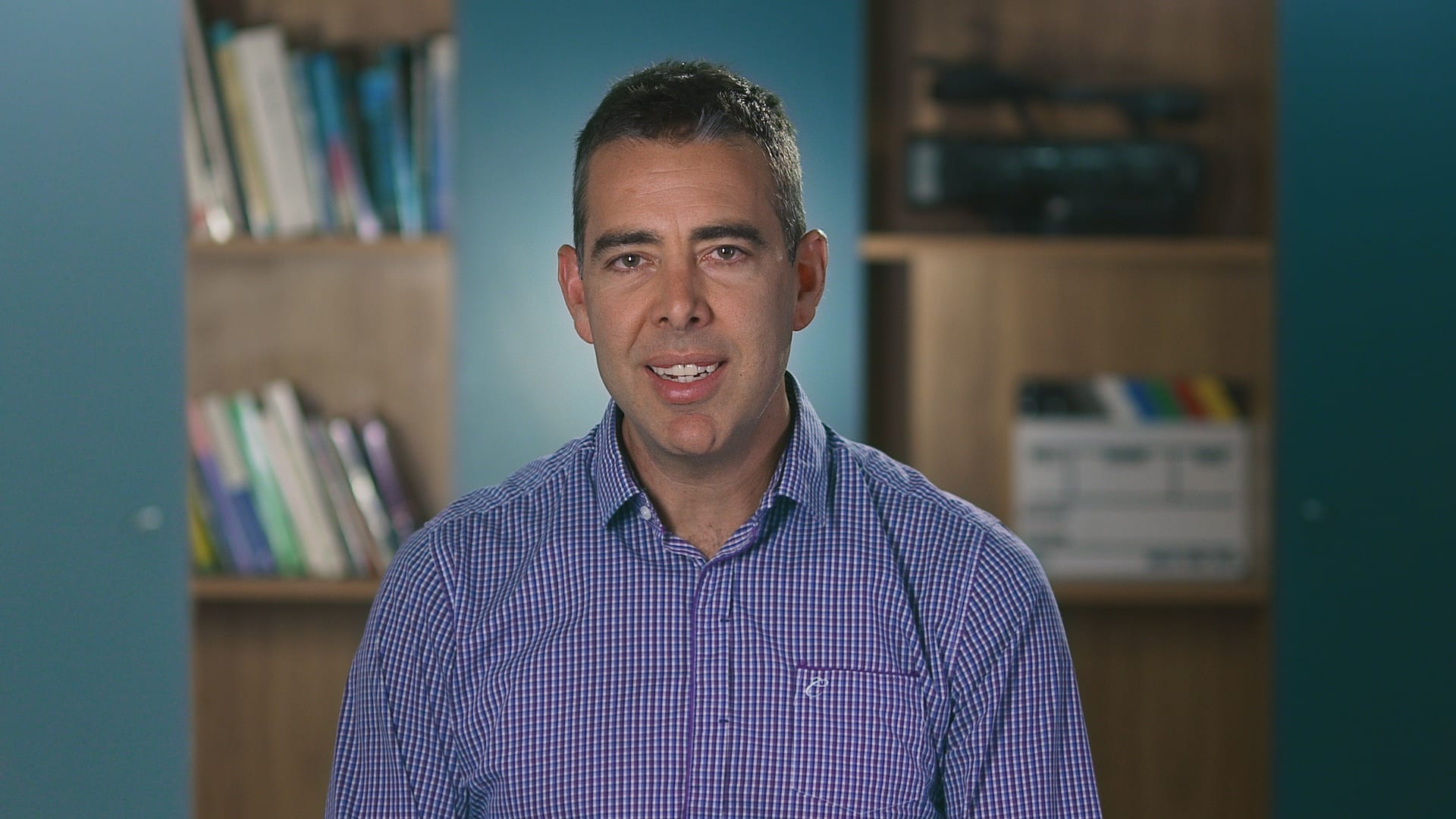
Ryan Spanger is the founder and managing director of Dream Engine, a Melbourne video production company established in 2002. Over the past two decades, he’s produced hundreds of videos for businesses, government departments, universities and healthcare organisations across Australia. Ryan specialises in helping organisations explain complex ideas through clear, engaging video content, with particular experience in corporate communications, training and education.