In this guide
A video retainer may suit a business that needs a regular supply of content. That could include branding, sales, corporate videos, or a video for a peak industry body. The useful question is whether you have enough planned work to justify an ongoing commitment.
This guide explains how a retainer works, what to compare and how to decide whether project-by-project production would suit you better.
What is a Video Retainer package?
A video retainer is an agreement for ongoing production over a set period. It may cover specified deliverables, production days or an agreed amount of work each month. The term, scheduling priority, turnaround times and review process should be clear in the proposal.
Working together regularly gives the production team time to learn your organisation, people and approval process. Our Harwyn long-term video partnership is a recent example of this kind of ongoing collaboration.

How to Know if a Video Retainer Package is Right for You
1. Pricing
Retainer prices depend on the work included. Ask for a quote that specifies planning, filming, editing, graphics, captions, review rounds and delivery formats. Compare the total commitment as well as the monthly fee, and check whether GST is included.
Batching similar work can reduce repeated setup and planning, but a retainer is not automatically cheaper. Compare the proposed work with separate project quotes and your internal team’s capacity. Check what happens to unused time, additional requests and work that carries into another month.
2. Vendors
Choose a production partner whose work and process suit your needs. Whether you are considering Dream Engine in Australia or a company such as High Arc Media in the United States, ask for relevant examples, a clear scope and a realistic production schedule. A small initial project can help both teams understand how they work together before committing to a retainer.
3. Commitment
Your team needs time to brief the work, arrange contributors and approve edits. Nominate a project owner and plan around staff availability. Use a video production brief to record the purpose, audience and practical requirements. Agree on notice periods for rescheduling, changes to the scope and ending the arrangement.
Optimising Your Retainer Package
Use Cases
A retainer can support a planned series, such as:
- Mini-documentaries
- Brand awareness videos
- Training Video Production
- Culture Videos
- Product Videos
- Leadership Interviews
Customisation
Discuss how urgent or unplanned requests will be handled. Agree on what the retainer covers, what needs a separate quote and how extra work affects the existing schedule.
Efficiency
Group interviews or demonstrations that use the same location and setup. A content calendar helps the producer plan filming days and prepare versions for the channels you use. Leave enough time for staff preparation and review, rather than measuring value only by the number of finished clips. Our guide to repurposing video content covers ways to use the material across different channels.
Benefits
A retainer is worth considering when you have recurring content needs, a workable schedule and a team ready to use the videos. Separate projects may suit occasional or unpredictable work better. Review the content’s usefulness and results regularly, and adjust the plan when your needs change.
Plan the ongoing workload
Video Retainers: Frequently Asked Questions
Compare the scope, commitment and work your team can support.
When might a video retainer suit a business?
It may suit recurring content needs, a workable production schedule and a team ready to brief, review and use the videos. Separate projects may be a better fit for occasional or unpredictable work.
Is a retainer always cheaper than separate projects?
No. Batching similar work can reduce repeated setup and planning, but the value depends on the work included and the total commitment. Compare the proposal with separate project quotes and your internal capacity.
What should a retainer proposal specify?
It should define planning, filming, editing, graphics, captions, review rounds and delivery formats. Check the term, schedule, turnaround, GST, unused time, additional requests and how work carries into another month.
What does our team need to contribute?
Allow time to brief the work, arrange contributors and approve edits. Nominate a project owner, plan around staff availability and agree on notice periods for rescheduling, scope changes and ending the arrangement.
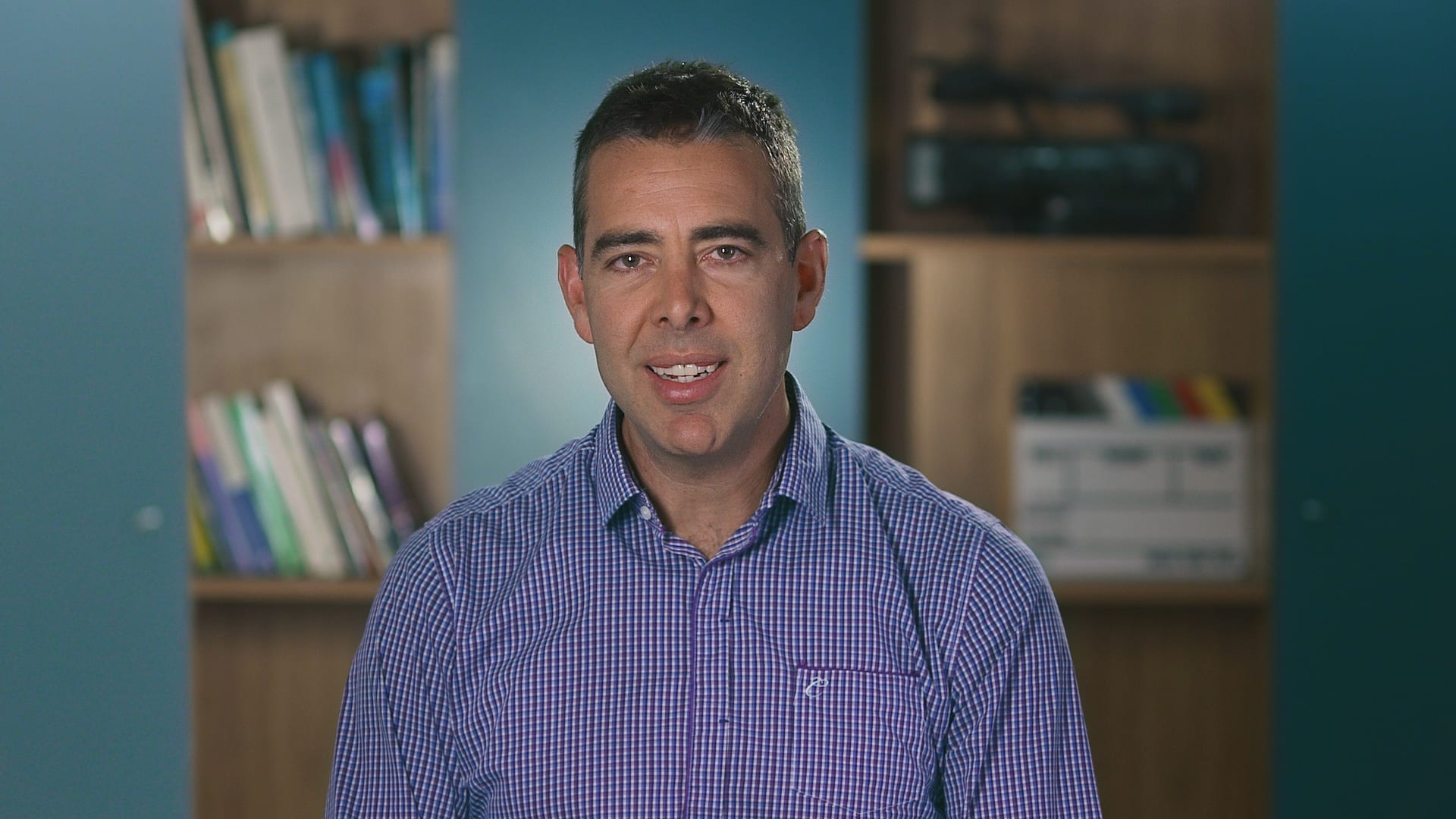
Ryan Spanger is the founder and managing director of Dream Engine, a Melbourne video production company established in 2002. Over the past two decades, he’s produced hundreds of videos for businesses, government departments, universities and healthcare organisations across Australia. Ryan specialises in helping organisations explain complex ideas through clear, engaging video content, with particular experience in corporate communications, training and education.