
Video marketing is one of the most effective ways for businesses to communicate clearly, build trust, and reach the right audience. When it is well planned and consistently executed, video becomes a long-term asset rather than a one-off activity.
For organisations that have not used video regularly before, getting started can feel complex. There are creative decisions, technical considerations, and practical questions about process, budget, and resources.
This guide outlines key considerations for starting video marketing and working with a production partner to achieve the best results.
Start by understanding your audience
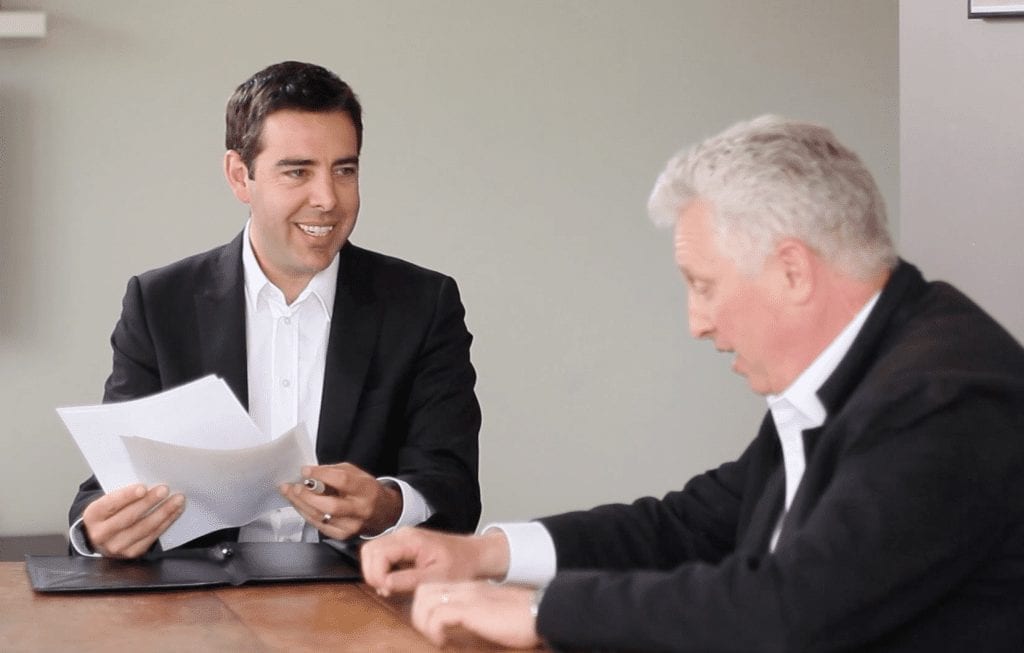
Before any filming begins, it is important to be clear about who your video marketing is for. Different audiences respond to different styles, formats, and levels of detail.
You may be creating detailed product videos for a specialist audience, educational content for existing customers, or simple introductory videos for people discovering your business for the first time. Each of these scenarios requires a different approach.
Looking at what already works in your industry can be helpful, but the goal should not be imitation. Strong video marketing focuses on clarity and relevance, not just production polish.
Understand the investment involved

Video marketing requires an upfront investment of time, planning, and resources. For many businesses, producing video in-house means purchasing equipment, learning new skills, and dedicating staff time to an unfamiliar process.
Working with an experienced production partner allows teams to focus on messaging and outcomes rather than technical execution. It also reduces risk by ensuring that filming, sound, lighting, and post-production are handled professionally.
When viewed as part of a longer-term strategy rather than a single project, video marketing becomes far more cost-effective.
Choose a production partner who understands strategy
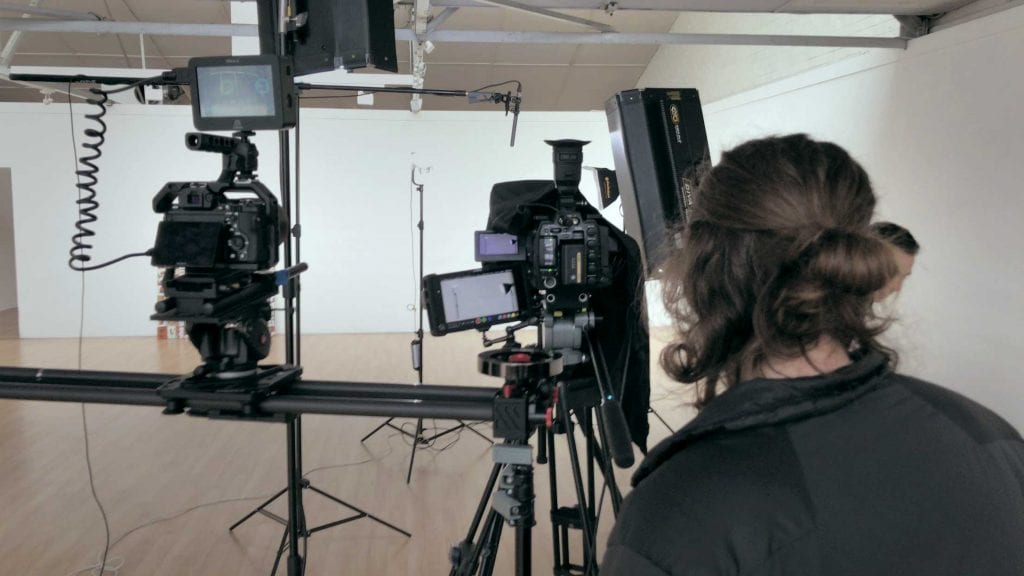
The right production partner does more than just turn up with cameras. They should help you clarify your brief, structure your message, and plan content that supports your wider marketing goals.
Good video marketing is collaborative. It works best when internal teams and production partners work together to define objectives, develop scripts or talking points, and plan filming efficiently.
Clear communication early in the process helps ensure that the final content is aligned with your brand and easy to use across different channels.
Build a reusable video content library
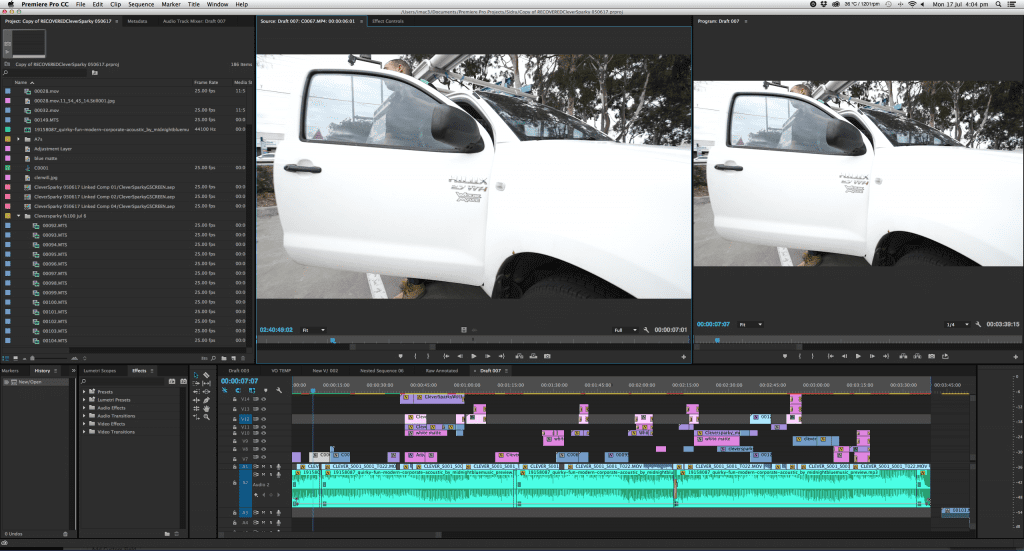
One of the biggest advantages of ongoing video marketing is the ability to build a content library over time. Interviews, B-roll, and supporting footage can often be reused and repurposed across multiple campaigns.
This makes future content faster and more cost-effective to produce, while also creating consistency in how your business appears on screen.
A well-planned video library supports sales, marketing, internal communication, and client education without having to start from scratch each time.
Video marketing works best when it is treated as a system rather than a series of disconnected projects. With the right planning and support, it becomes a reliable part of how your business communicates.
If you are looking for a production partner to help you plan and deliver effective video marketing, get in touch with Dream Engine to discuss the right approach.
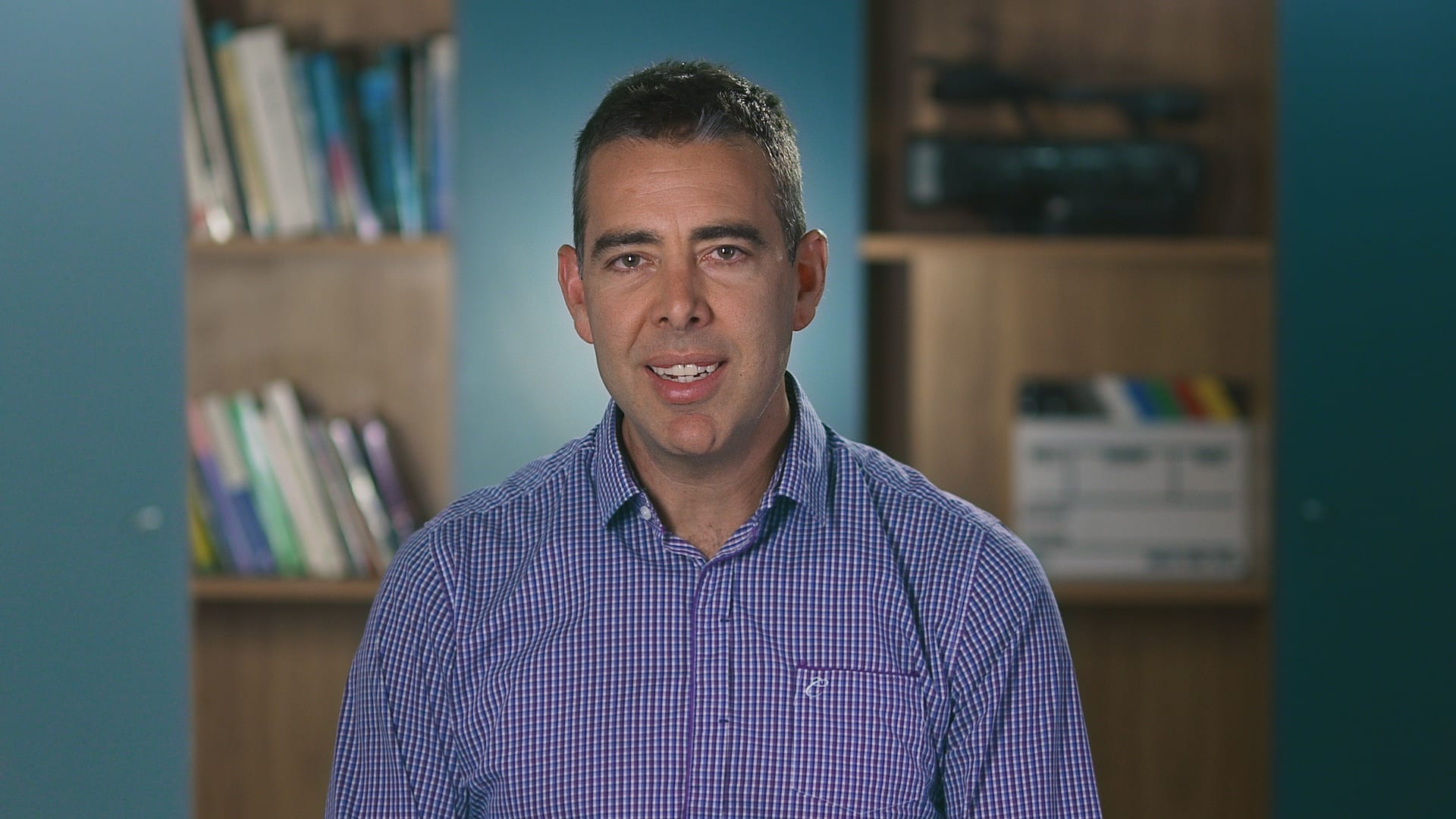
Ryan Spanger is the founder and managing director of Dream Engine, a Melbourne-based video production company established in 2002. With more than two decades of experience, Ryan has helped leading Australian businesses, government departments, and non-profits communicate their message with clarity and impact through video. He’s known for his strategic approach, reliable process, and commitment to producing videos that deliver measurable results.