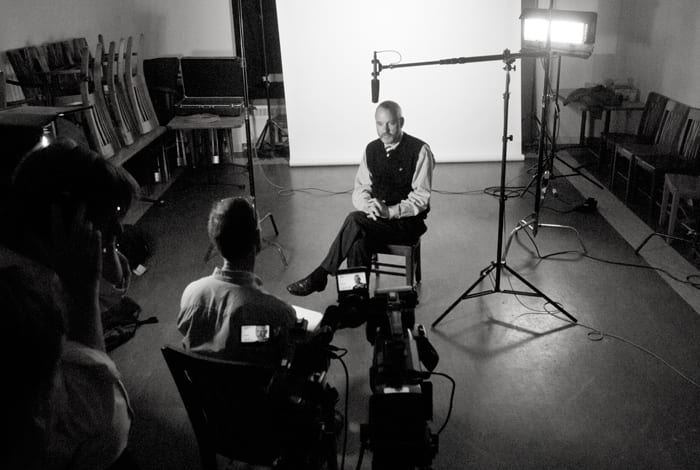
Most people feel a bit tense the first time they’re filmed, and videographers who regularly film business clients know how to guide people through the process so they feel comfortable and sound natural on camera. You might worry about how you look, how you sound, or whether the right words will come out. With a few simple habits, you can take control of the experience and feel far more comfortable on the day. Whether you are appearing in a training video, patient story, or case study video.
Speak as if you are talking to one person
Even though the video will reach many people, imagine you are talking to a single viewer. Picture someone who represents your ideal audience. This helps you sound natural and relaxed, and it makes the viewer feel like you are speaking directly to them.
Plan your message
If you know the topic or the likely questions, take a moment to think through your key points. Do not memorise answers. Memorisation creates stiffness. Aim instead to know the ideas in your own words so the delivery feels genuine.
Keep your answers short
Short answers give you control over the message. If you speak for too long, the editor may need to trim your response, and the most important part might be lost. Clear, concise responses always work better on camera.
Wear dark, simple, classic clothing
Darker colours look cleaner on camera. Choose something neat and timeless. Avoid bright red, busy patterns, or narrow stripes. These can distract from what you are saying.
Include part of the question in your answer
The interviewer’s question is usually removed during editing. For context, begin your answer by paraphrasing the question. It helps the response stand alone and makes the final video easier to use.
Think from the audience’s point of view
Consider what the viewer wants to know. Keep your answers practical and easy to follow. Simplicity helps people stay with you and understand your message without effort.
Focus on one or two main points
Choose the most important ideas and stay with them. Trying to squeeze in too much information makes the message harder to follow. Strong interviews are built on clarity, not volume.
Short, focused interviews hold attention and leave a stronger impression. Keep things simple, stay relaxed, and let your natural voice come through. With a little preparation, you will feel more comfortable and deliver a message that connects with your audience.
Get in touch if you would like help preparing for your next on-camera interview.
Video Interview Tips – Frequently Asked Questions
How can I feel more relaxed before a video interview?
Most people feel nervous at first. Focus on your key points, breathe slowly, and imagine you are speaking to one person rather than a large audience. This creates a calmer and more natural delivery.
What should I wear on camera?
Choose darker, simple clothing in classic styles. Avoid bright red, tight stripes, or busy patterns, as these can distract or cause visual issues on camera.
How long should my answers be?
Short and clear answers work best. They prevent important points from being cut during editing and help keep the viewer engaged.
Should I memorise my answers?
No. It is better to know your ideas in your own words. Memorised lines often sound stiff and unnatural on camera.
Why should I include part of the question in my answer?
The interviewer’s question is usually removed in the edit. Restating part of the question gives your response context and makes the final clip easier to use.
How many points should I cover in one answer?
Aim for one or two main ideas. This keeps your message focused and easier for viewers to follow.
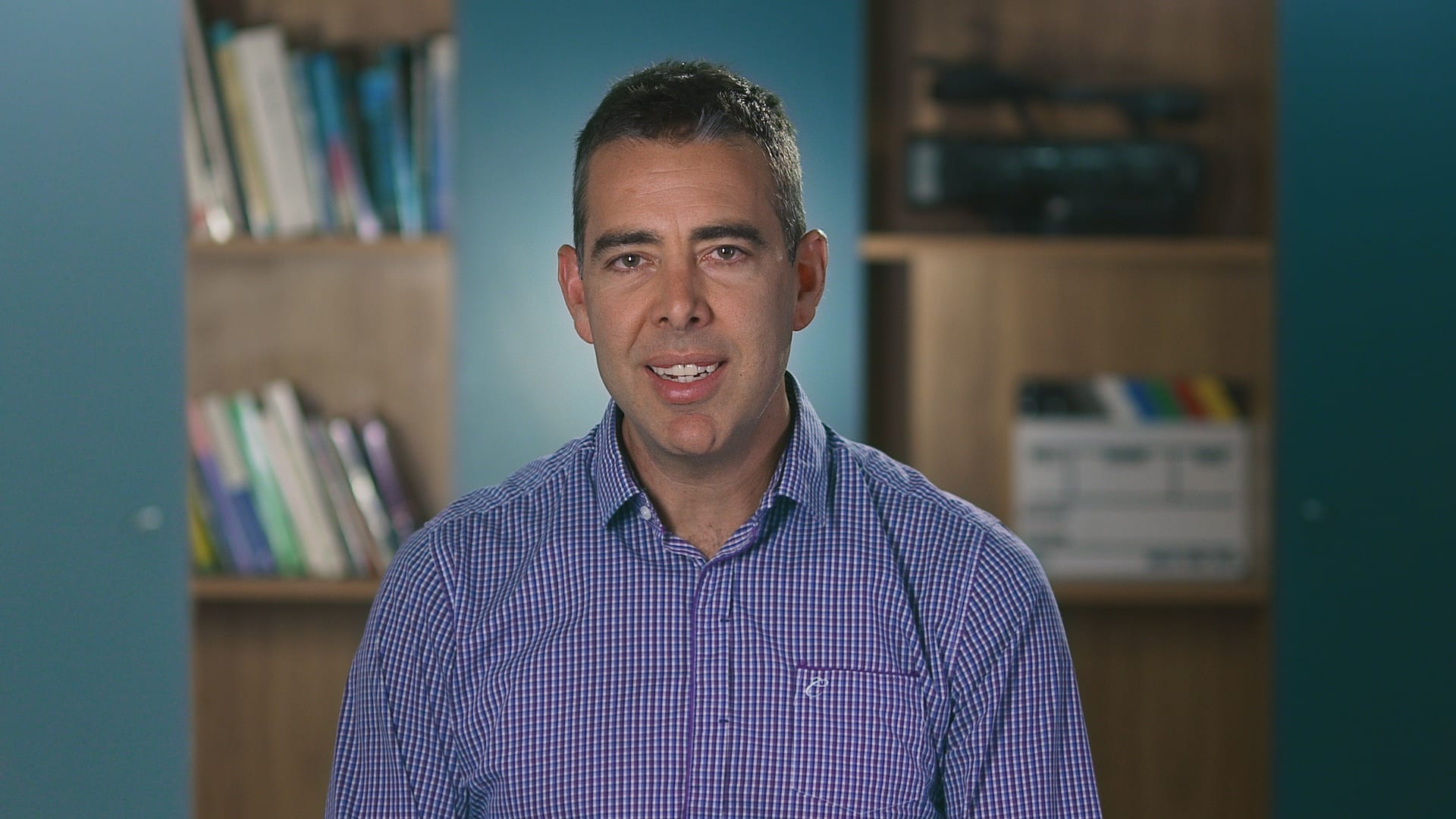
Ryan Spanger is the founder and managing director of Dream Engine, a Melbourne-based video production company established in 2002. With more than two decades of experience, Ryan has helped leading Australian businesses, government departments, and non-profits communicate their message with clarity and impact through video. He’s known for his strategic approach, reliable process, and commitment to producing videos that deliver measurable results.