
A call to action is what turns a video from something people watch into something that moves them forward.
In video marketing, the call to action is the moment where attention becomes intent. The viewer has just spent time watching, listening, and forming an opinion. If there is no clear next step, that momentum is lost.
This guide explains how to use calls to action in video properly, where they work best, and how to make them clear and effective.
What a call to action does in video
A call to action, often shortened to CTA, is a prompt that tells the viewer what to do next. In video, this is commonly presented as a clickable button, text overlay, or link that appears during or at the end of the video.
The purpose of a CTA is simple. It removes uncertainty. Instead of asking the viewer to decide what to do next, you show them.
This might be encouraging them to get in touch, learn more, download something, or start a purchase process.
Why the end of a video is the most effective place
The end of a video is where attention and understanding peak.
If the video has done its job, the viewer now understands what you offer and why it matters. That is the moment when they are most open to taking action.
If the video ends and nothing happens, the opportunity often disappears. The viewer gets distracted, closes the tab, or moves on. A clear call to action placed at the end of the video captures that brief window while the message is still fresh.
Modern video hosting platforms allow clickable calls to action to appear directly inside the video player, making the next step immediate and friction-free.
Make the call to action obvious and intentional
An effective video call to action should never feel hidden or accidental.
It should appear clearly, at the right moment, and be visually distinct from the rest of the video. The viewer should instantly understand that the video has finished and that there is something they can do next.
The design does not need to be complex. Simple text, strong contrast, and enough space around the CTA usually work best. What matters most is clarity.
The CTA should explain what will happen next. Vague prompts create hesitation. Clear prompts reduce it.
Use direct language
Calls to action work best when they are direct and easy to understand.
The video has already done the work of explaining and persuading. The CTA should not introduce new ideas or complexity. It should simply guide the next step.
Clear examples include:
- Contact our team
- Book a consultation
- Learn more about our services
- Download the guide
The goal is to make the decision feel obvious. Anything that slows the viewer down or makes them think too hard reduces the chance they will act.
Match the call to action to the purpose of the video
Not every video should push the viewer toward the same outcome.
A brand or introduction video might invite the viewer to learn more. A testimonial video might encourage them to make contact. A product video might guide them toward a specific page or enquiry.
The call to action should always align with what the video is designed to achieve. When the message and the CTA support each other, conversion becomes a natural next step rather than a hard sell.
A simple checklist for video calls to action
- The CTA appears at the end of the video, when attention is highest
- It is visually clear and easy to notice
- The language is direct and specific
- The action matches the goal of the video
- The next step requires minimal effort
If any of these elements are missing, the effectiveness of the CTA drops quickly.
Using calls to action as part of a wider video strategy
Calls to action work best when they are part of a considered video strategy rather than an afterthought.
Understanding where a video sits in the buying or decision-making process helps determine what the CTA should ask for. Some viewers need more information. Others are ready to talk.
At Dream Engine, we help Melbourne businesses plan video content with clear intent, including where and how calls to action should appear to support real outcomes.
If you are looking to create videos that guide viewers toward meaningful action, get in contact with Dream Engine to discuss the right approach.
Calls to Action in Video – Frequently Asked Questions
What is a call to action in a video?
A call to action in a video is a prompt that tells the viewer what to do next. This is usually shown as text, a button, or a clickable link that appears during or at the end of the video.
Where should a call to action appear in a video?
In most cases, the end of the video is the most effective place. This is when the viewer has the highest level of understanding and attention, making them more likely to take action.
What makes a good video call to action?
A good video call to action is clear, direct, and easy to understand. It explains exactly what will happen next and requires minimal effort from the viewer.
Should every video include a call to action?
Most business videos should include a call to action, even if it is a soft one such as learning more or visiting a related page. Without a clear next step, viewer attention is often lost.
Can calls to action increase enquiries from video?
Yes. When calls to action are placed clearly and aligned with the purpose of the video, they help guide viewers into the next stage of the decision-making process and can significantly increase enquiries.
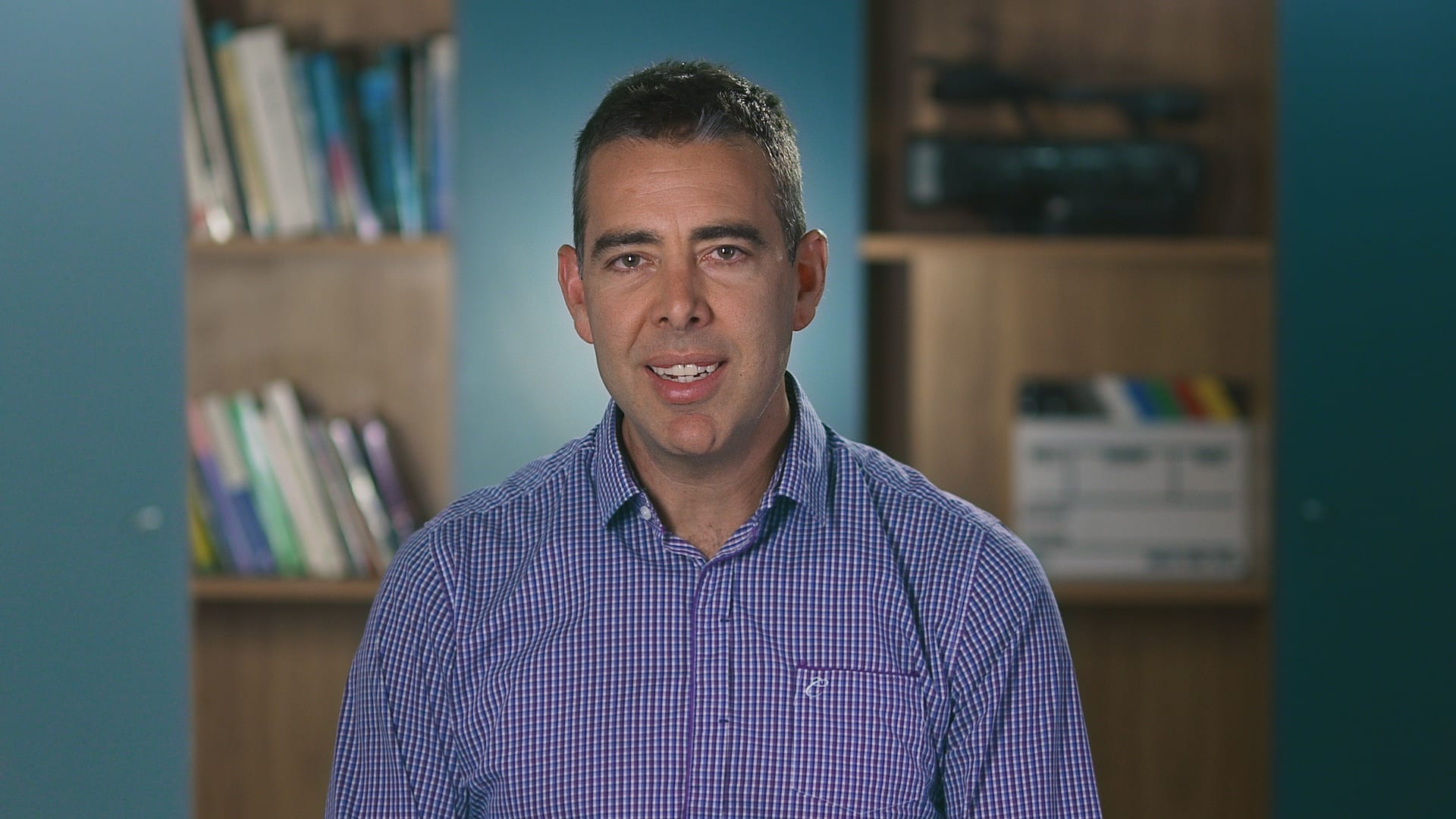
Ryan Spanger is the founder and managing director of Dream Engine, a Melbourne-based video production company established in 2002. With more than two decades of experience, Ryan has helped leading Australian businesses, government departments, and non-profits communicate their message with clarity and impact through video. He’s known for his strategic approach, reliable process, and commitment to producing videos that deliver measurable results.