More businesses are creating simple in-house videos for quick updates, internal messages, and social content. For many situations, this works perfectly well. A short message for your team, a quick LinkedIn update, or a simple product announcement does not always require a full production crew.
The problem is that most DIY videos look and sound worse than they need to. Poor lighting, uneven sound, awkward framing, and stiff delivery can undermine your message and weaken your brand. The good news is that you can avoid most of these issues with a few simple adjustments.
This guide will show you how to get better results from your next in-house video, using equipment you already have.
What Is In-House Video Production?
In-house video production is when your business creates videos internally using your own staff and equipment. It is commonly used for internal communications, quick updates, simple announcements, and social posts where speed and clarity matter more than polish.
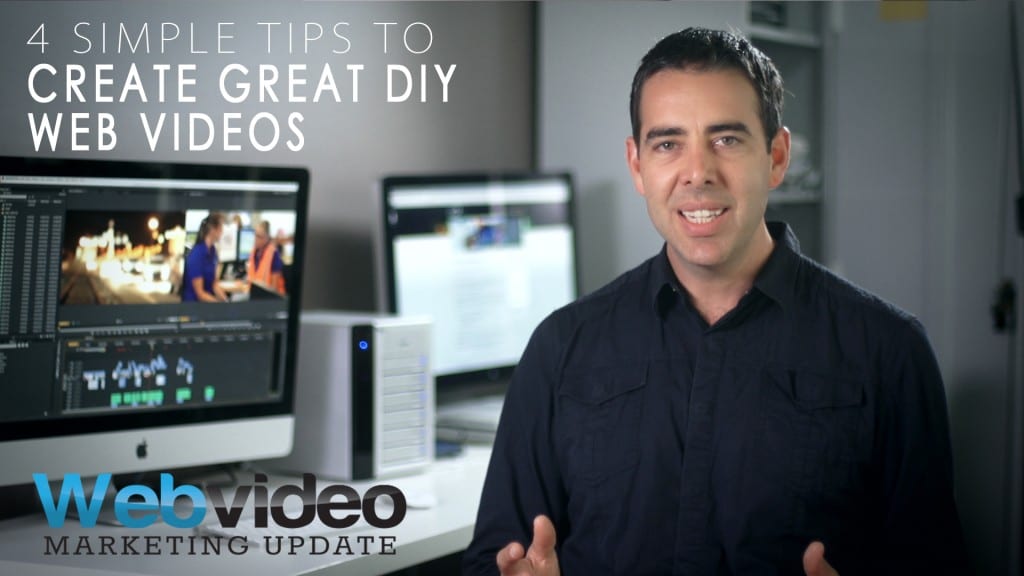
The short video below shows an example of a simple in-house business video filmed without a full production crew.
What you’ll learn in this guide:
- How to use available light to improve your image fast
- How to frame yourself so the shot looks intentional
- How to get clean audio without complicated gear
- How to deliver your message in a natural, confident way
Light the Shot With What You Have
You do not need studio lighting to look good on camera. Use the brightest, softest light source you have access to. If you are filming in a room with large windows, sit facing the window so the natural light falls evenly on your face. If the light is behind you or to the side, your face will appear dark and uneven.
If natural light is not available, turn on lamps and overhead lights. Place them in front of you rather than behind you. Avoid sitting with a bright window in the background unless you want to look like a silhouette.
Good lighting makes a bigger difference than people expect. It adds clarity and presence, even on a smartphone.
Frame Yourself Cleanly and Confidently
A simple framing guideline is to position your eyes about two-thirds of the way up the frame. This avoids excess headroom and keeps the composition balanced. Sit close enough that your face and upper torso fill the frame, without too much empty space on either side.
Check the background before you press record. A clean wall, a tidy office, or a simple shelf works well. Avoid clutter, bright windows, and anything that looks distracting behind your head.
A clear, well-composed shot gives your message authority. Viewers naturally trust a presenter who looks intentional.
Make the Audio as Clean as Possible
Most DIY videos fail because of sound, not visuals. An on-camera microphone that sits too far away will make you sound distant and thin. Move closer to the phone or camera, or use a basic lapel microphone if you have one. Even inexpensive microphones clipped to your collar will improve clarity.
Use this quick checklist before you record:
- Get closer to the mic: a small distance change makes a big difference.
- Pick the quietest room: carpets and soft furnishings reduce echo.
- Turn off noise sources: fans, air conditioners, fridges nearby, notifications, buzzing lights.
- Close windows and doors: traffic and hallway noise will ruin takes.
- Do a ten-second test recording: listen back on headphones before you commit.
A quiet recording environment improves the professionalism of your video far more than people realise.
Present Naturally and Keep It Simple
When filming yourself, avoid performing or imitating TV presenters. Aim for a conversational tone. Imagine you are speaking to a colleague across the table. Short sentences, clear points, and a relaxed pace work well.
If a line feels forced or formal when you say it out loud, simplify it. If you keep stumbling on a sentence, it is often a sign the sentence is too long. Cut it in half and try again.
A natural delivery builds trust and keeps viewers engaged.
When DIY In-House Video Production Makes Sense
For quick internal updates, a fast social post, or a basic announcement, in-house video production is often all you need. These simple videos work well because the goal is clarity.
But when your message reflects your brand, your reputation, or your marketing, a professional videographer will always make a difference. Higher production values help you stand out, explain complex ideas, and present your organisation with confidence.
If you want support with a more substantial video, my team at Dream Engine can help.
In-House Video Production – Frequently Asked Questions
Can I film a professional video on a smartphone?
Yes. A smartphone can capture clear video if you use good lighting, clean audio, and a simple background.
What is the most important part of in-house video production?
Sound. Viewers forgive lower picture quality but will stop watching if the audio is unclear or distant.
How long should an in-house business video be?
Most in-house updates work well between thirty seconds and two minutes.
Do I need a microphone?
You can record without one, but a basic lapel microphone will improve your sound significantly.
Can businesses film their own videos?
Yes. For simple updates and low-risk content, filming in-house is a practical option. The key is to keep the setup simple and focus on clarity.
When should I hire a professional crew instead?
When the message represents your brand, your clients, or a major initiative. Professional production improves clarity and credibility.
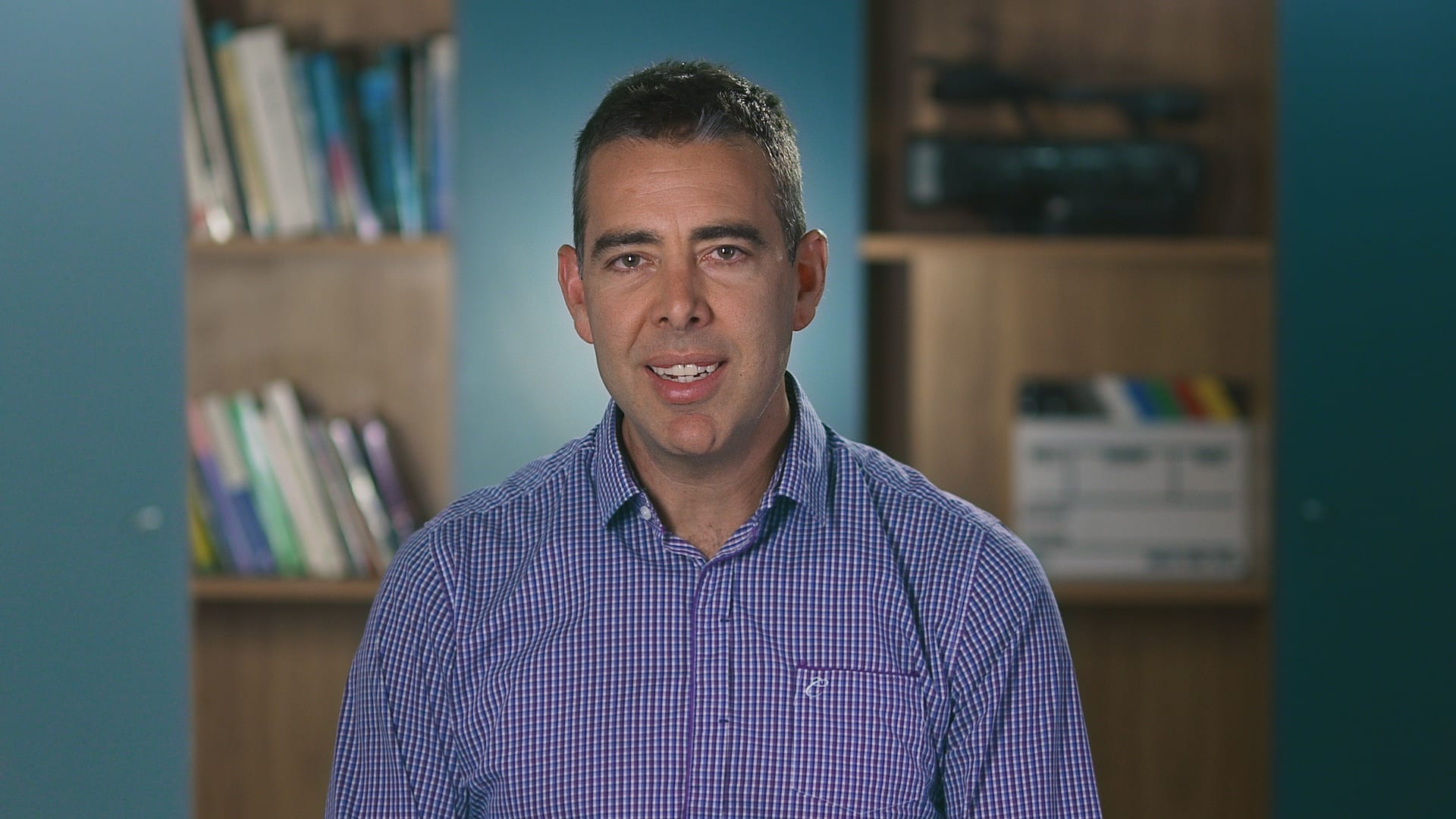
Ryan Spanger is the founder and managing director of Dream Engine, a Melbourne-based video production company established in 2002. With more than two decades of experience, Ryan has helped leading Australian businesses, government departments, and non-profits communicate their message with clarity and impact through video. He’s known for his strategic approach, reliable process, and commitment to producing videos that deliver measurable results.