
Social video gives brands a powerful way to reach audiences, but it also comes with a clear challenge. People scroll quickly, watch with low commitment, and ignore anything that feels like a sales pitch. To earn attention on social platforms like Facebook, video content needs to offer something people genuinely want to watch.
This article explores what makes social video marketing effective, using real campaign examples from brands including HTC, Audi, Spalding, TAG Heuer, and Magic: The Gathering. Based on our experience producing social video content across different industries and audiences, the strongest performing videos usually fall into one of three categories.
- Content people are motivated to share
- Content that teaches, helps or informs
- Content that gives people an experience they couldn’t access themselves
Approach and Examples
1. Content People Want to Share
People share videos that say something about them: their personality, values, or sense of humour. When a video taps into this, the audience does your distribution for you.
During HTC’s “One Day I Will” campaign, the brand invited users to record a short video about a personal goal they intended to pursue. The idea was simple: express something meaningful, then nominate a friend to participate. It encouraged conversation, participation and connection.
The strongest part of this campaign was that HTC wasn’t pushing a product. It aligned the brand with aspiration and action, which is far more effective on social platforms than direct promotion.
We saw something similar with Sherrin’s social campaign. Their goal was to promote a competition, but rather than relying solely on brand messaging, they used the voice of someone audiences already trusted: Hawthorn captain Luke Hodge.

It felt personal and straightforward. That authenticity helped the video attract attention and shares far beyond paid reach.
2. Content That Helps or Teaches
People turn to social platforms for ideas, tips and advice. Short, helpful videos are often saved, shared and revisited because they offer immediate value without demanding much time.
For Spalding, we produced a series featuring Olympic swimmer Giaan Rooney. Each video delivered simple, practical exercise tips. They were concise, credible and tailored for a browsing audience.
This type of content works well because viewers gain something useful and associate that positive experience with the brand. It also encourages engagement without needing a direct call to action.
3. Content That Gives People an Experience They Couldn’t Otherwise Get
Behind-the-scenes access, event coverage and same-day edits consistently perform well on social platforms. They offer immediacy, relevance and a sense of being part of something in real time.
Audi used this strategy at the Melbourne International Film Festival. With well-known actors and directors in attendance, the value lay in quickly conveying the event’s atmosphere, while conversation was already happening online. The video was shot and edited overnight and released the next day.
TAG Heuer used a similar approach by releasing same-day coverage of a Manchester City vs Real Madrid exhibition match in Melbourne. The immediacy of the edit made the content feel current and conversational.
This approach can work for niche communities, too. At the Magic: The Gathering Grand Prix, thousands of players gathered for a large-scale competitive event. Our brief was to capture the atmosphere and make remote players feel part of it. To achieve that, we used a documentary-style approach and released the edit within 24 hours.
The video generated thousands of views in its first day and was widely shared within the gaming community. The success came from speed, relevance and authenticity.

The Common Thread
Social video works when it respects how people use social platforms. Viewers browse quickly. They respond to emotion, usefulness and immediacy. They skip anything that feels slow or overtly promotional.
When planning social content, focus on:
- Making the idea simple enough to understand instantly
- Giving people something worth sharing or saving
- Keeping the format short and visually clear
- Releasing content while the conversation is still happening
If you want support creating social videos that attract real engagement and reflect your brand well, get in touch with Dream Engine.
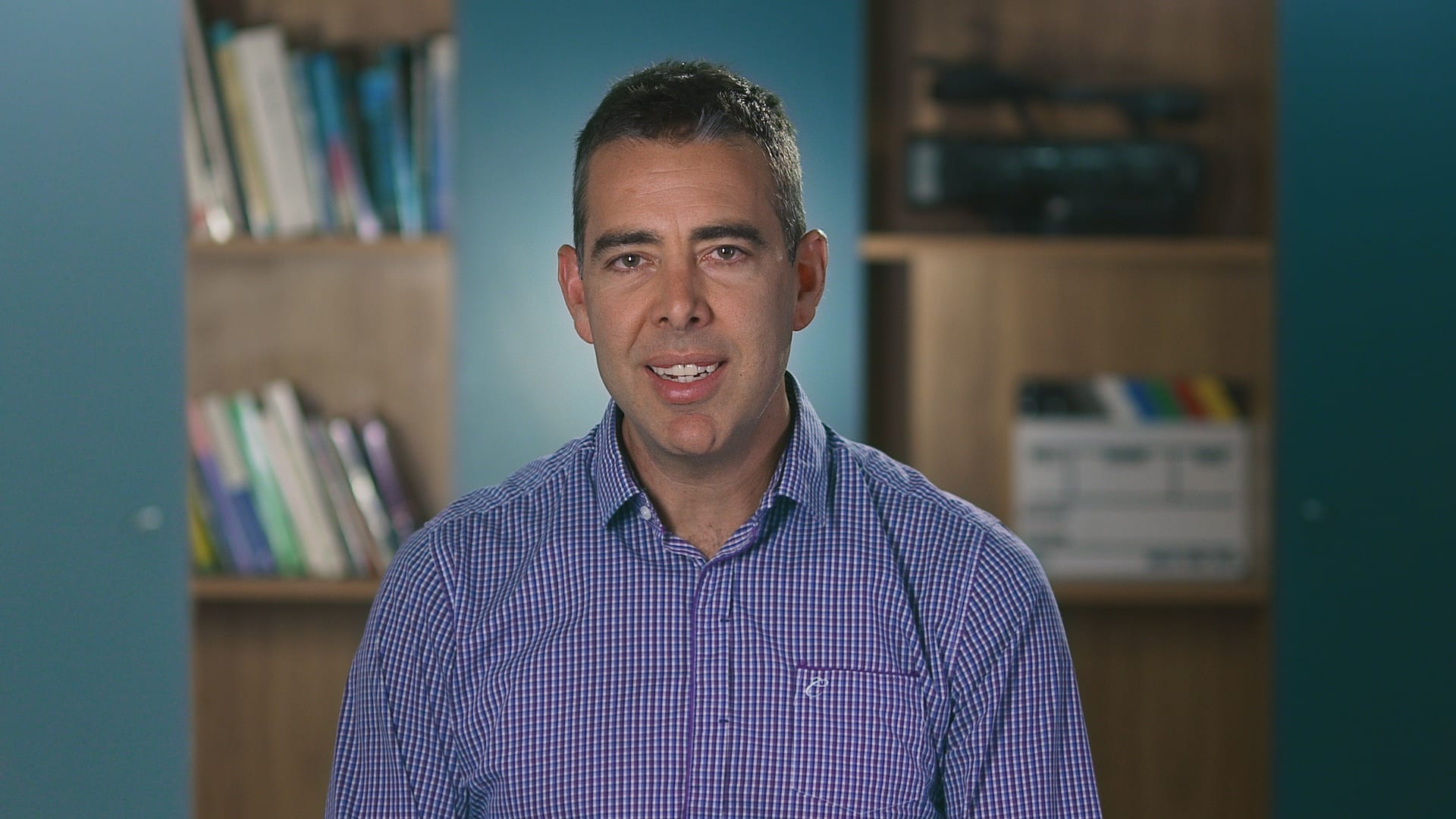
Ryan Spanger is the founder and managing director of Dream Engine, a Melbourne-based video production company established in 2002. With more than two decades of experience, Ryan has helped leading Australian businesses, government departments, and non-profits communicate their message with clarity and impact through video. He’s known for his strategic approach, reliable process, and commitment to producing videos that deliver measurable results.