In this guide
Prospective clients may need to understand your product, your process or your past work before they are ready to buy. Video can help answer those questions with demonstrations, client interviews and examples your sales team can share.
Here are practical ways your business can use video to support sales conversations. Our website video production service covers videos made to explain your business and its work.
Build a Library of Helpful Videos
Build a library around the questions your sales team hears regularly. Include videos that explain your process, demonstrate your work or help a prospect assess whether your service suits them.
A helpful library might include:
- Short tutorials that explain how your product or service works
- Behind-the-scenes videos showing how you deliver your service
- Case studies that demonstrate measurable results
- Client interviews that highlight trust and experience
Your team can share the relevant video when that question comes up, and current clients can refer back to it.

Use Case Study Videos to Build Authority
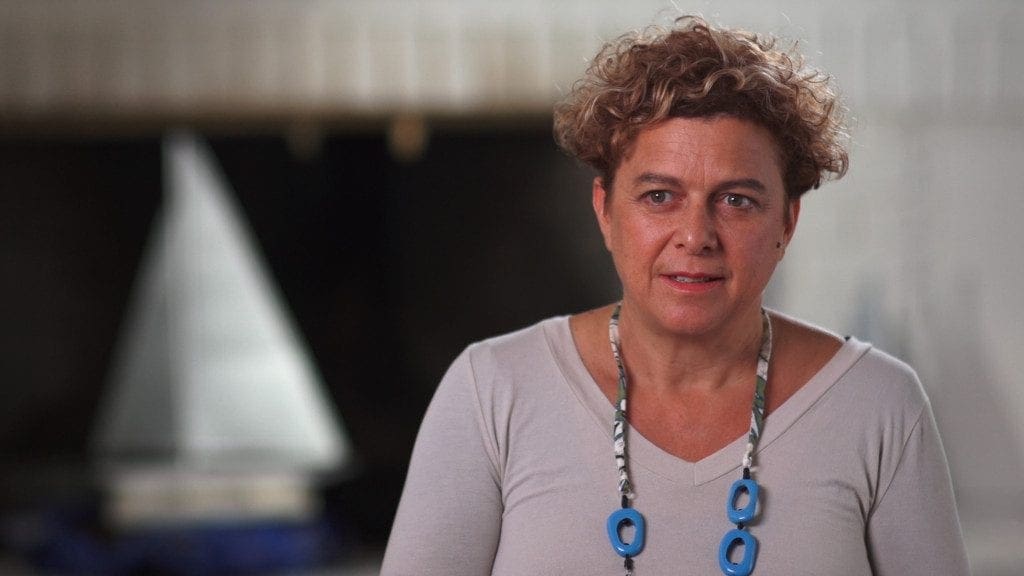
A case study video shows how you approached a client’s problem and what happened. Let the client explain their experience in their own words, and support any claims about results with specific evidence.
The documentary-style case study above, which we created for International Coach Academy, combines interviews with footage of the organisation at work.
Support Your Proposals With Follow-Up Videos
If a prospect shares your proposal with other decision makers, a relevant video can help explain your approach to people who were not in the initial meeting. Choose one that answers a question raised during the sales conversation.
Useful follow-up videos include:
- Case study videos
- Client profile videos
- A short walkthrough of your process
- A personalised message recorded for the prospect
Explain why you are sending the video and which part of the proposal it relates to. Our guide to using video to convert leads considers the questions different formats can answer.
Equip Your Sales Team With Video
If your sales team meets prospects in person, they can show a product demonstration, testimonial or short explainer on a device such as an iPad. Prepare the relevant videos before the meeting and check that they will play with the available internet connection and sound.
Use the video to explain a point raised in the meeting, then leave time for questions.
Create a Consistent Sales Experience
Keep the information in your videos consistent with your website, proposals and sales conversations. Review the library when products, prices or processes change so your team knows which videos are current.
A clear system might include:
- A set of core videos embedded across key pages of your site
- A follow-up sequence for proposals that includes case studies and process explainers
- Short personalised videos for warm leads
- A video library your sales team can use during presentations
Ask your sales team which videos help answer questions and where prospects still need more information. Use that feedback to decide what to make or update next.
If you would like help creating sales videos or building a structured video library, contact Dream Engine.
Sales video
Sales videos: frequently asked questions
Use the format that answers the question.
What types of sales videos work best?
Useful formats include case studies, product demonstrations, client interviews, process explainers and short personalised videos. Choose the format that answers the prospect’s question at that stage of the sale.
How long should a sales video be?
Make the video long enough to answer the question clearly. A brief follow-up may need less time than a detailed product demonstration or case study. Consider where it will be watched and remove material the viewer does not need.
Where should sales videos be used?
On your website, inside proposals, in follow-up emails, in sales presentations and on key landing pages.
How do we know if the videos are working?
Track follow-up engagement, watch time, proposal acceptance and feedback from your sales team. These measures can reveal useful patterns, but a change in sales does not by itself show that the video caused it.
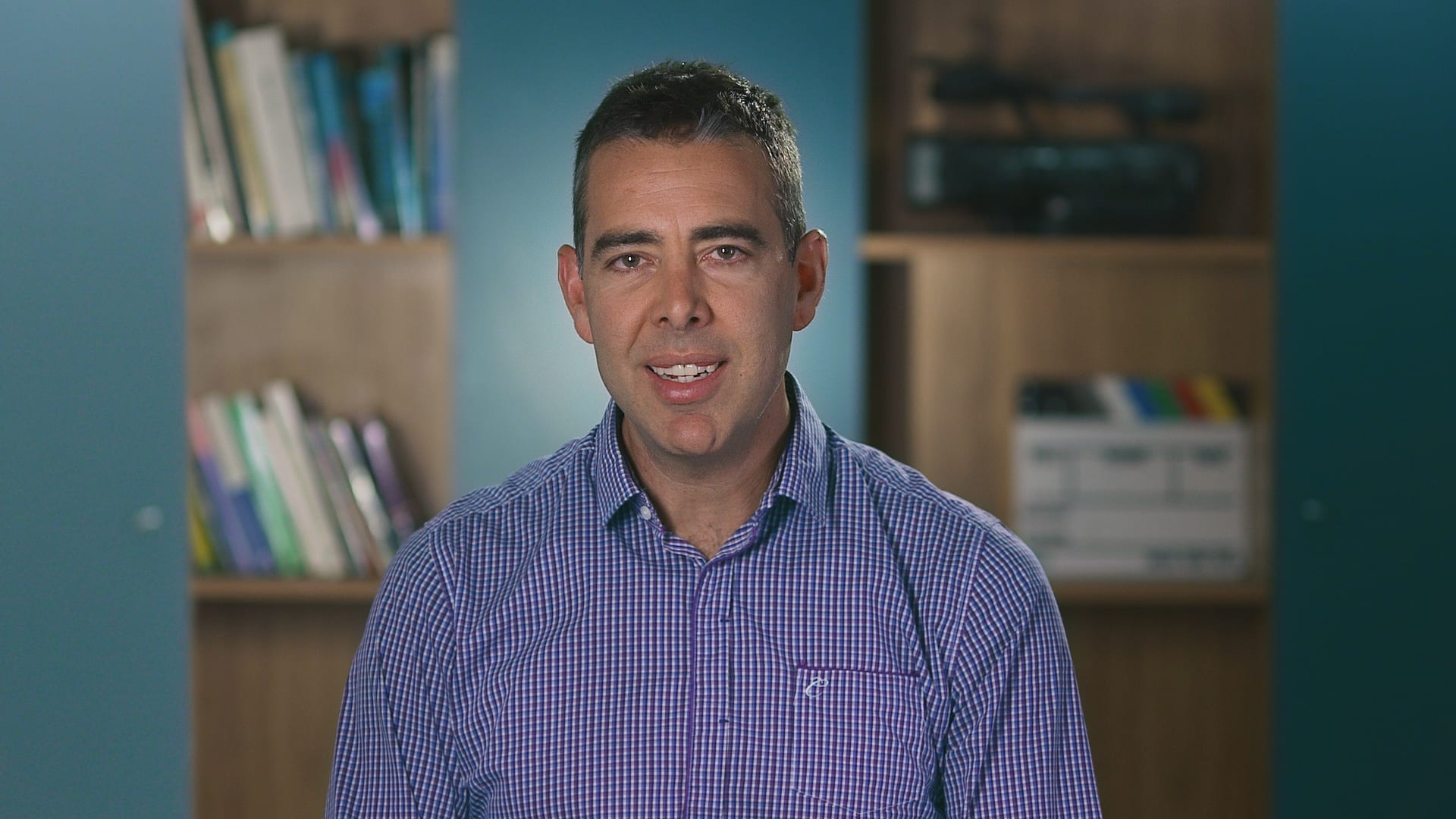
Ryan Spanger is the founder and managing director of Dream Engine, a Melbourne video production company established in 2002. Over the past two decades, he’s produced hundreds of videos for businesses, government departments, universities and healthcare organisations across Australia. Ryan specialises in helping organisations explain complex ideas through clear, engaging video content, with particular experience in corporate communications, training and education.