In this guide
Dream Engine produces industrial video in Melbourne for factories, workshops, warehouses and construction sites. We plan filming around your operations, with careful attention to safety, site access and the processes you need to show.
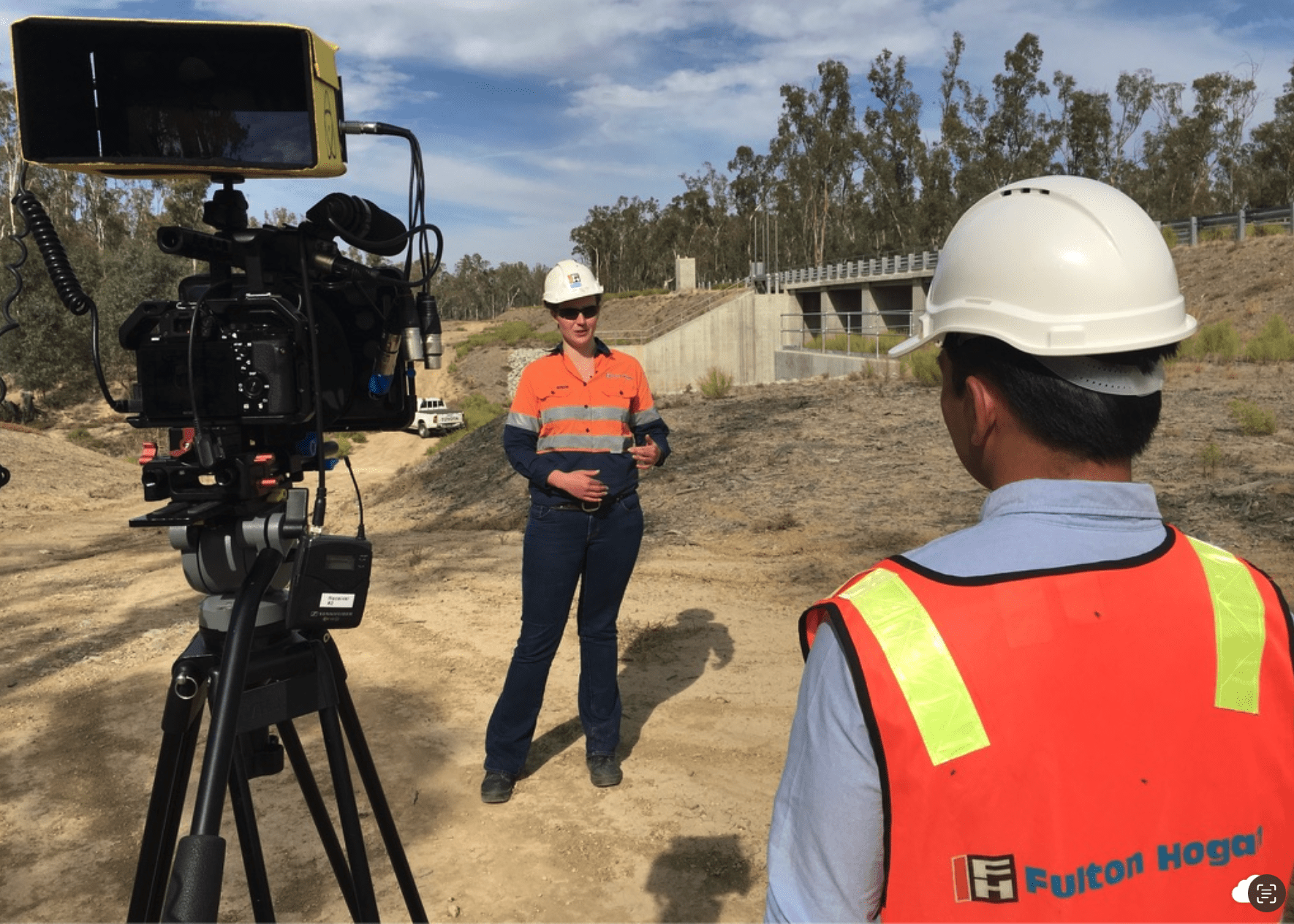
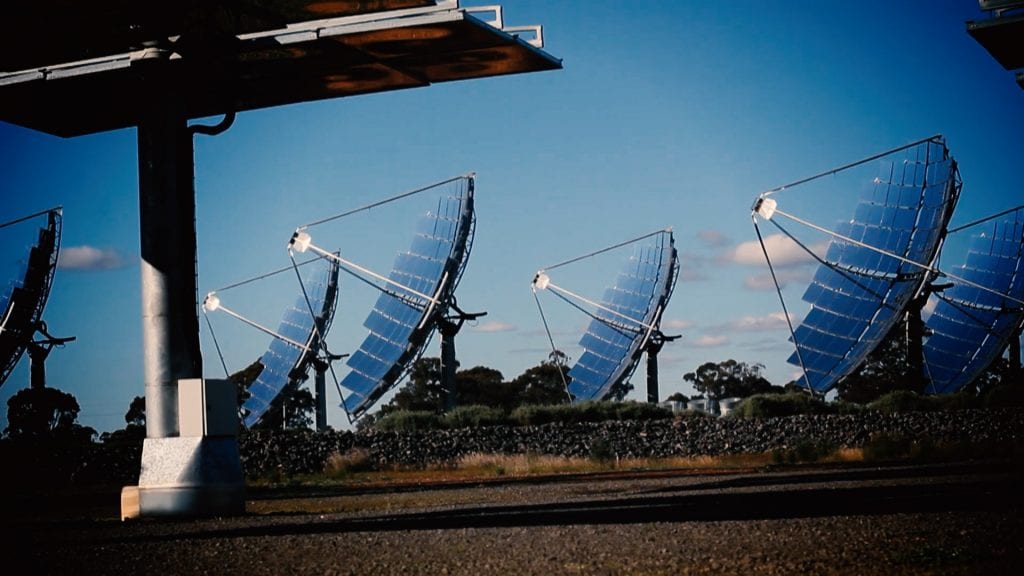
Our crew films on active sites across Australia. You can see an example in this video we produced for Clevertronics. We work with your site team to capture the people, equipment and work involved, while keeping disruption to a minimum.
What industrial and construction videos are used for
Industrial and construction videos help you explain your capabilities, document projects and show people how work is done. Common uses include:
- Capability and tender videos that demonstrate your equipment, facilities and capacity to deliver.
- Project progress videos for stakeholders, boards and internal updates.
- Safety and induction content that explains site requirements and procedures consistently.
- Recruitment videos that show the workplace, the roles and the people doing them.
- Customer and partner communication that explains how products are made or services are delivered.
Safety first, every time
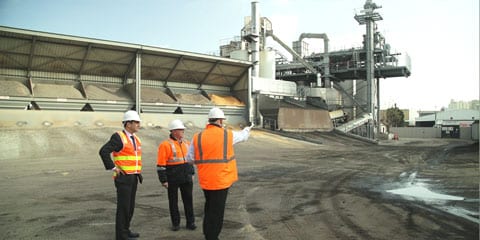
When we film a construction video in Melbourne, safety is the first priority. Before every shoot, we complete a risk assessment, identify hazards and confirm the required personal protective equipment (PPE).
Depending on the site, this may include high-vis clothing, hard hats, steel-capped boots, gloves and hearing protection. We complete site inductions, confirm exclusion zones, review emergency procedures and establish who we’ll report to on the day.
This preparation helps us work safely and use the available filming time well.
Understanding the site before we start filming
Good industrial footage starts with understanding the work. We speak with the people who know your operation, then plan the shoot around the processes and activities that need to be captured.
Before filming, we identify:
- What must be captured, including key steps, machinery, people and project milestones.
- When it happens, allowing for shift changes, bottlenecks and access windows.
- Where to position the cameras to show movement, scale and detail safely.
- What we should avoid, including sensitive areas, restricted processes and times when filming could interrupt work.
Filming on active sites without getting in the way
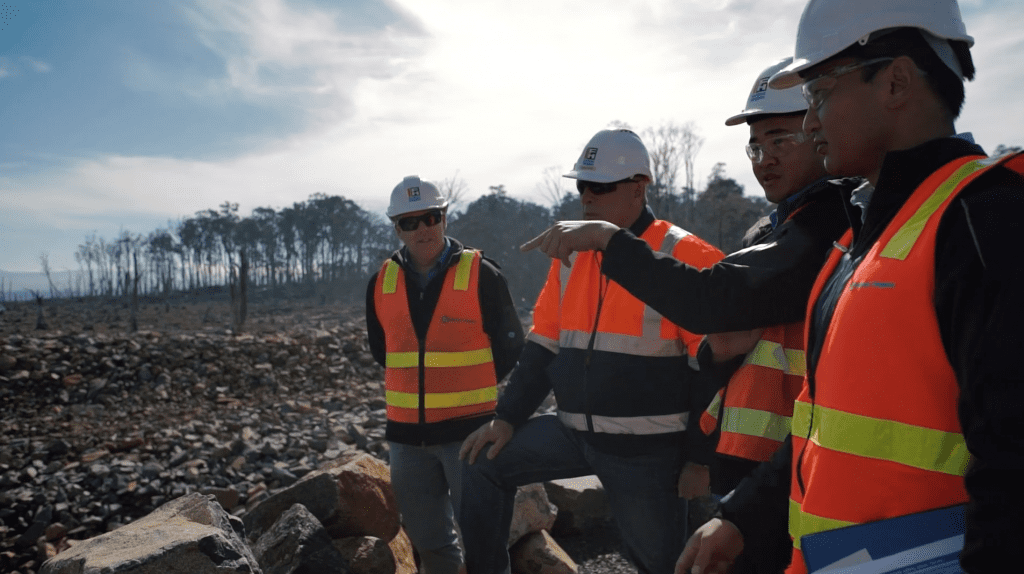
We keep our equipment compact so we can move efficiently and keep work areas accessible. The filming schedule takes account of your workflow, site priorities and any restrictions on access.
Camera movement can help show how machinery operates or follow a process through the site. Where permitted, aerial footage gives viewers an overview of the site’s size, layout and progress.
Capturing both detail and scale
An industrial video needs to show the overall operation as well as the details that explain how it works. We combine:
- Wide shots to establish the size and layout of the site.
- Mid shots to show people operating equipment and carrying out tasks.
- Close-ups to capture workmanship, individual components and quality checks.
Where it is safe and appropriate, compact cameras can be mounted on vehicles or equipment to capture viewpoints that would otherwise be difficult to film. Time-lapse can show longer processes, such as installations and construction, in a short sequence.
How we work with your team
Use a video production brief to record the audience, purpose and filming requirements. Before the shoot, we confirm the schedule, access requirements and what needs to be filmed so your site team knows what to expect.
Our crew manages the filming equipment and setup, follows supervisors’ instructions and adjusts the plan when site conditions change. We work within the agreed access windows and keep you informed throughout the day.
Back at our studio, we edit the footage to explain the work in a logical sequence. The finished video is prepared for its intended use, whether that’s marketing, recruitment, training, stakeholder updates or project documentation.
Ready to film your site or project?
If you need an industrial video in Melbourne or a construction video for a project elsewhere in Australia, get in contact with Dream Engine. Tell us what you need to show, where filming will take place and when you need the finished video.
Industrial and construction filming
Industrial video: frequently asked questions
Plan site access, safety and the finished videos.
How do you keep filming safe on active construction or industrial sites?
We complete a risk assessment before the shoot, attend site inductions, wear the required PPE and confirm exclusion zones. Throughout filming, we follow the site supervisor’s instructions and work within the agreed safety requirements.
Will filming disrupt our operations?
We plan around your workflow and aim to keep disruption to a minimum. A compact setup and an agreed schedule help us capture key processes efficiently. We discuss any filming that may need dedicated access or staff time during planning.
What should we prepare before an industrial or construction video shoot?
Nominate a site contact and share your access requirements, PPE expectations and induction paperwork. Let us know what the video needs to achieve, which processes you want filmed and whether any areas or activities are restricted.
Can you capture drone footage and time-lapse?
Yes, where it is permitted and safe. Drone footage can show the site’s scale and layout, while time-lapse can document longer processes or stages of a project. We confirm what is feasible during planning.
What deliverables do you typically provide?
Most clients need a main video for their website or presentations, along with shorter edits for LinkedIn and internal updates. We can also provide captions and versions formatted for the platforms you use.
How long does an industrial or construction video take to produce?
Many projects take two to six weeks from planning to final delivery. Timing depends on site access, the number of locations and how many versions you need. We confirm the production schedule before filming.
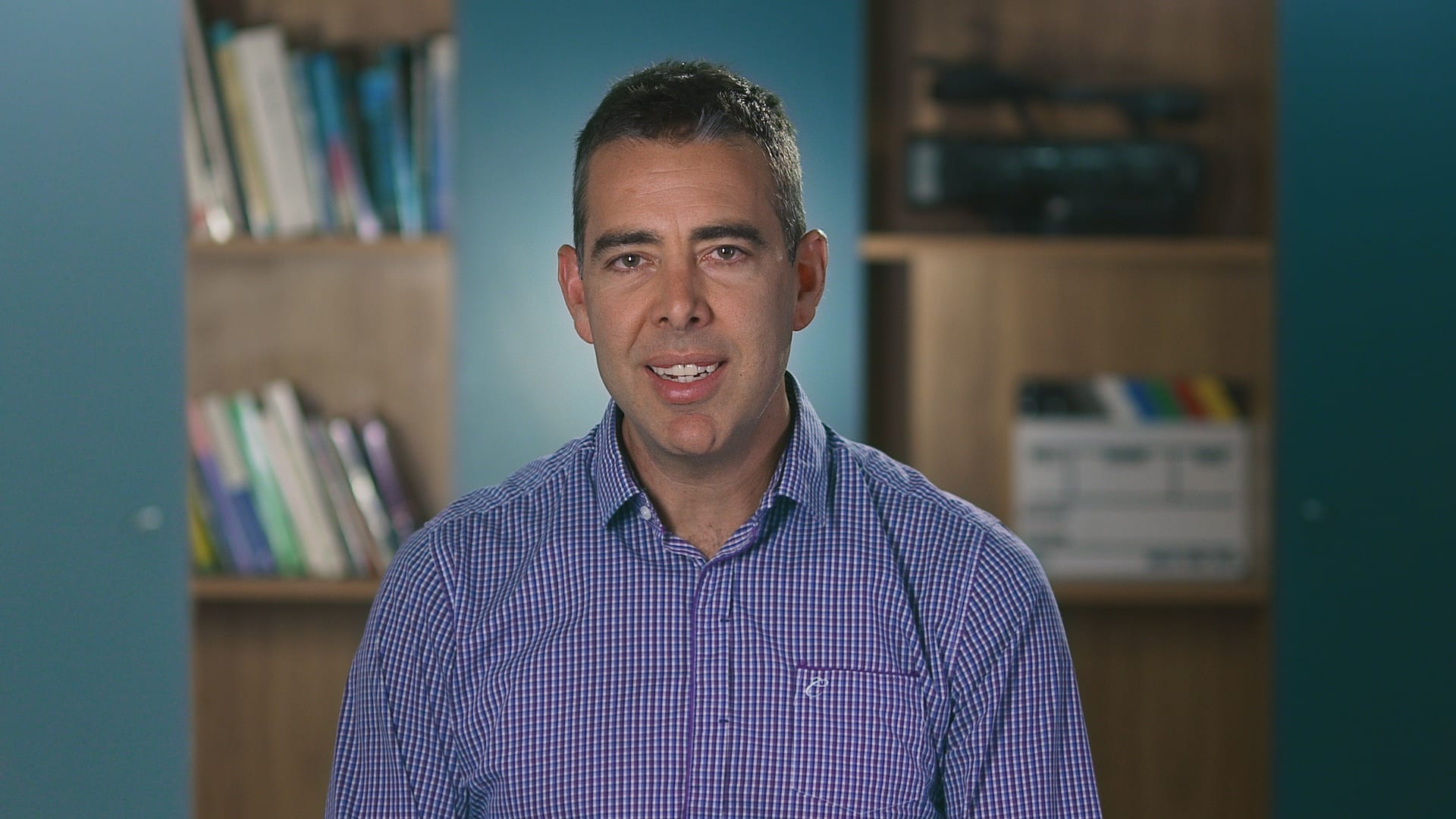
Ryan Spanger is the founder and managing director of Dream Engine, a Melbourne video production company established in 2002. Over the past two decades, he’s produced hundreds of videos for businesses, government departments, universities and healthcare organisations across Australia. Ryan specialises in helping organisations explain complex ideas through clear, engaging video content, with particular experience in corporate communications, training and education.