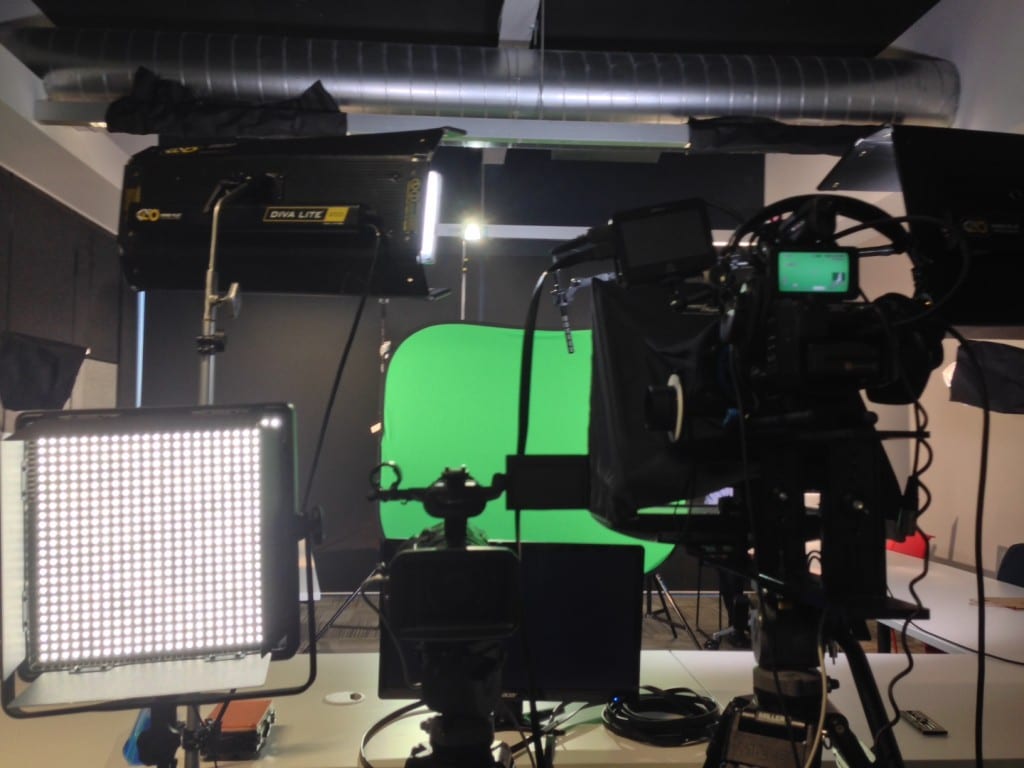
An Interrotron displays the interviewer’s face in front of the camera lens. The person being filmed can speak to someone while looking towards the viewer. Here is how the setup works and when it can help with a straight-to-camera interview.
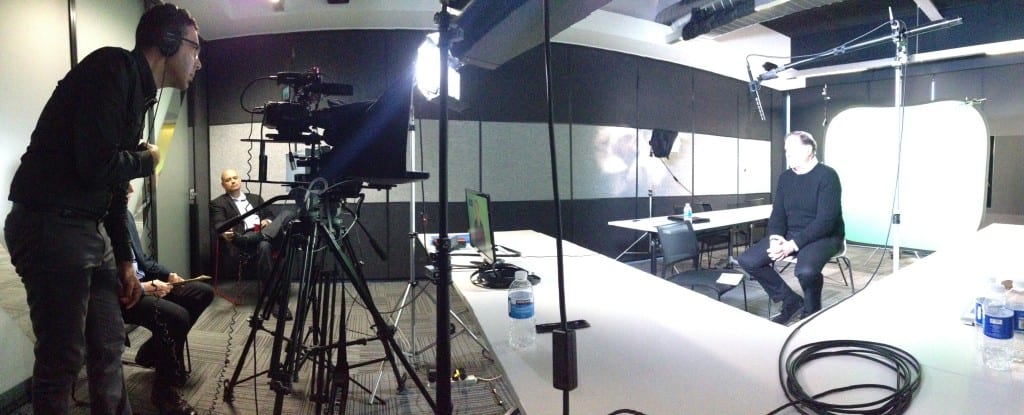
What the Interrotron Is
The Interrotron was created by filmmaker Errol Morris. He wanted interview subjects to look straight into the lens while still speaking naturally. Speaking to a lens can feel unfamiliar, especially for someone with little camera experience.
The Interrotron solves this by adapting a teleprompter. Instead of displaying text, the teleprompter shows a live video feed of the interviewer. The interviewee sees a real person on the screen and speaks to them. At the same time, they are looking directly into the camera lens. This creates a direct-to-camera eyeline without asking the interviewee to address a bare lens.
How the Setup Works
The process is simple. A camera films the interviewer. That signal is then fed into the teleprompter in front of the main lens. The subject looks at the interviewer’s face on the teleprompter glass. The main camera records the subject facing the lens while having a natural conversation.
Allow time to explain the setup and practise a few questions. The crew checks the screen position, sound and eyeline before recording.
Why It Helps People Relax
Someone who is uncomfortable addressing a lens may find it easier to concentrate on an interviewer’s face. They can listen and respond to questions without memorising a script.
The setup can help an interview feel more conversational, but it does not replace good questions, preparation or time to settle in. Some people may prefer an off-camera interviewer.
Remote Interviewing Benefits
The setup can also support remote direction. A laptop can send the interviewer’s video-call image to the teleprompter display. Test the connection, screen feed and two-way audio before filming.
This is useful when the director cannot travel or when the subject is filming in another state or country. It may avoid travel for the interviewer, while a local crew handles the camera, lighting and sound.
When to Use the Interrotron
The technique suits interviews where direct eye contact with the viewer is essential. These include corporate profiles, personal stories, announcements, testimonials and thought-leadership content. It is not always necessary for documentary interviews or conversational two-camera setups, but it is valuable when you want a clear connection between the subject and the audience.
If you want to improve your on-camera presence, you might also find our practical tips for being interviewed helpful.
If you would like an experienced crew to set up an Interrotron for your next shoot, you can contact us here.
Frequently Asked Questions
What is an Interrotron?
An Interrotron is a teleprompter setup that displays a live video feed of the interviewer. This helps the interviewee look naturally into the camera while speaking to a person.
Why does it improve straight-to-camera interviews?
The interviewee sees the person asking the questions while looking towards the camera. This can make the conversation easier for someone who finds a bare lens distracting.
Do you need special training to use it?
No specialist training is needed, but allow a short practice so the interviewee understands where to look and can get comfortable with the setup.
Can it be used for remote interviews?
Yes. A laptop can send the remote interviewer’s video-call image to the teleprompter display. The crew should test the connection, screen feed and audio before the session.
Is the Interrotron suitable for every type of video?
It is ideal for direct-to-camera interviews, announcements and testimonials. For other styles, such as conversational or multi-camera documentary setups, a different approach may be more suitable.
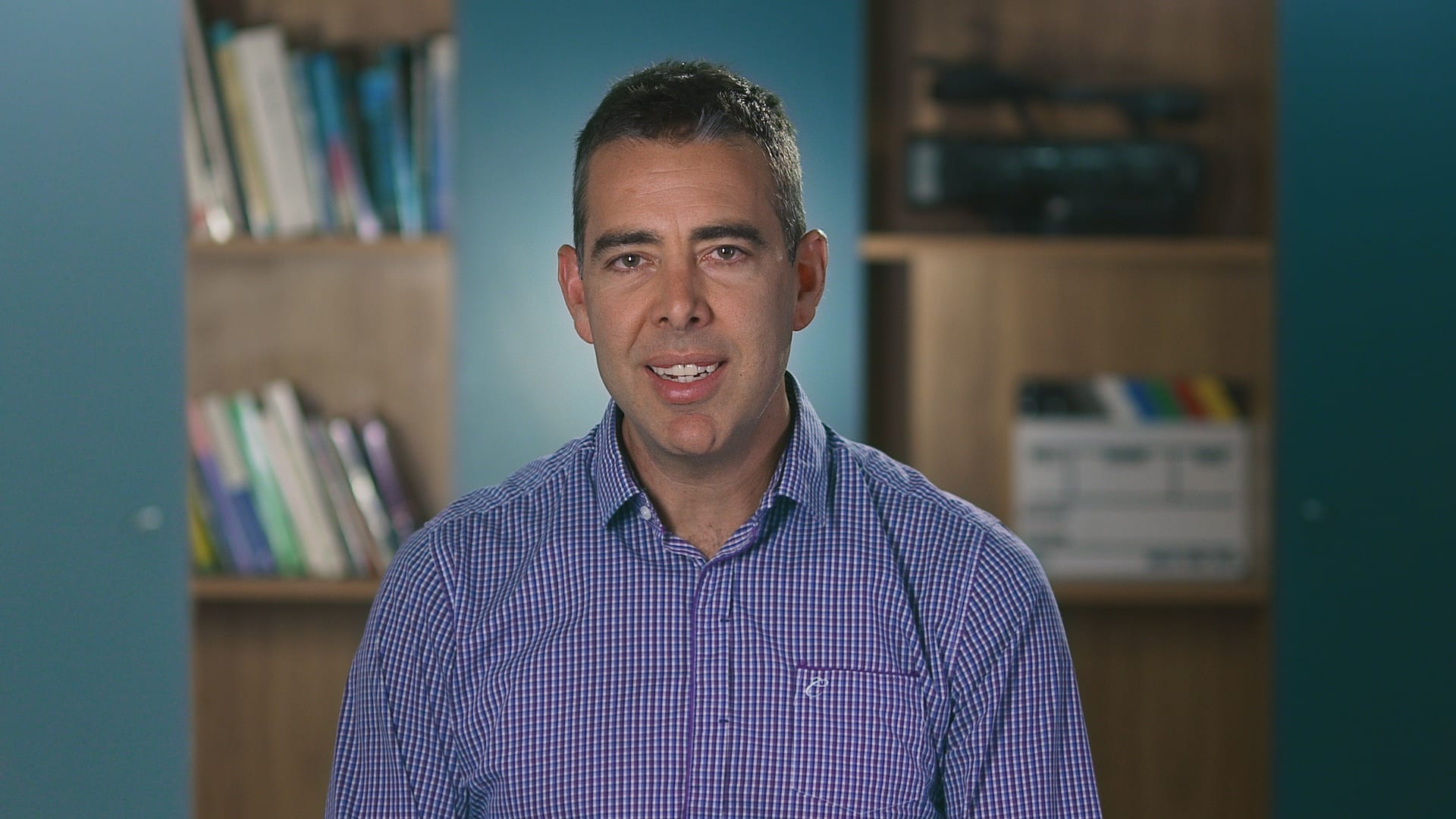
Ryan Spanger is the founder and managing director of Dream Engine, a Melbourne video production company established in 2002. Over the past two decades, he’s produced hundreds of videos for businesses, government departments, universities and healthcare organisations across Australia. Ryan specialises in helping organisations explain complex ideas through clear, engaging video content, with particular experience in corporate communications, training and education.