
Most people search online before they buy anything. They review websites, check social channels, and compare options long before they speak to a business. If you do not have strong video content in those places, you are invisible to a large part of your market.
Video is no longer optional. The real question is how to create the right videos for the right audience and use them in a way that supports real business outcomes.
Content marketing sits on the pull side of marketing. You are not interrupting people. You are giving them information that helps them make decisions. When you do this well, you build trust, credibility, and momentum toward a sale.
This guide will walk you through the fundamentals of using video as part of your content marketing.
1. Pinpoint what you want
Before you plan anything, be clear on the purpose of the video. A specific goal makes every creative and strategic decision easier.
A clear goal helps you:
- Stay focused and avoid creating videos that wander or try to cover too much.
- Speak directly to the needs of the audience you want to reach.
- Target your SEO more effectively, instead of competing with huge brands on broad search terms.
Useful questions to ask yourself:
- What action do I want viewers to take?
- What will tell me this video succeeded?
- Where will this video live and how will people find it?
Common goals include:
- Explaining a new product or service
- Educating your audience
- Building brand awareness
- Generating inbound leads
- Supporting a sales conversation
- Entertaining a cold audience to warm them up
2. Know your audience
Clarity about your audience shapes everything. If you try to talk to everyone, nobody connects with it.
Think about:
- What the audience already understands
- What they care about
- What problems or frustrations they are trying to solve
If your viewers are not experts, skip the jargon. Speak in a way that feels natural and relatable. A simple Customer Avatar exercise can help you get specific.
3. Choose a style
Once you know the purpose and audience, choose a style that supports the message.
Common options include:
- Interview
- Documentary or behind the scenes
- Testimonial
- Presentation
- Product demonstration
- Animation
Each style sets a different tone. Ask yourself whether your message needs to feel corporate, creative, technical, or conversational.
4. Decide on length
Attention spans vary depending on the purpose of the video. A quick joke or social cut can sit under 30 seconds. A product walkthrough might need 90 seconds or more. Focus on clarity over length.
Video Marketing
Having strong content is one part of the process. The next part is helping people find it. Good videos that sit unseen on a YouTube channel or buried inside a website will not help your business.
Produce consistent content
Successful channels and brands publish regularly. They make enough videos to cover a range of questions and needs. Variation helps. Use different lengths, formats, and entry points so your content stays fresh.
Connect YouTube and your website
Make your platforms work together. Embed your YouTube videos on your website and make sure your YouTube channel reflects your brand. This creates more ways for people to discover you.
Engage with the audience
Video creates far more engagement than text or static posts. People comment, share, and react. When they do, respond. This builds a community around your work and boosts visibility across platforms.
Final thoughts
Video content marketing works because it helps people understand you, your process, and the value you offer. When your videos are targeted, helpful, and easy to discover, they make it simpler for potential clients to choose you.
If you approach your content with clear goals, a strong sense of audience, and a simple distribution plan, you will see the results build over time.
If you want help creating video content that supports your business goals, reach out.
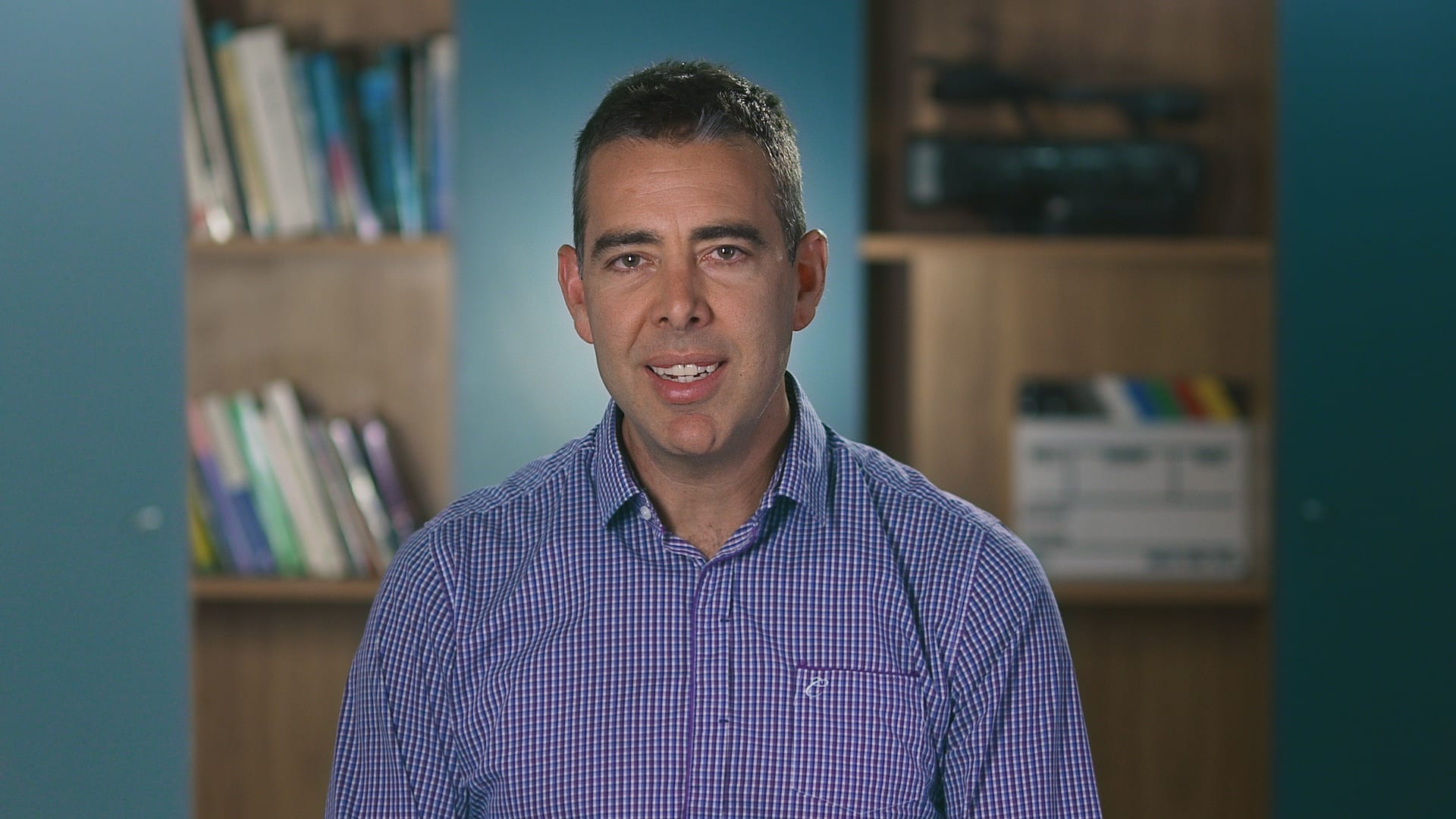
Ryan Spanger is the founder and managing director of Dream Engine, a Melbourne-based video production company established in 2002. With more than two decades of experience, Ryan has helped leading Australian businesses, government departments, and non-profits communicate their message with clarity and impact through video. He’s known for his strategic approach, reliable process, and commitment to producing videos that deliver measurable results.