At a glance
A sales video funnel matches videos to the questions people ask while deciding whether to work with you. Use an introduction for awareness, evidence for comparison and a process explanation near the decision. Start with one useful gap in your existing videos, then review how your sales team and clients use it.
In this guide
Someone visiting your website for the first time needs a different explanation from someone reviewing your proposal. One wants to know what you do. The other may need details about the work, evidence from a similar project, or something they can share with their manager.
A sales video funnel helps you plan for those different questions. You create a small collection of videos and use each one where it’s most helpful, from introducing your business to explaining what happens after a client agrees to proceed.
This guide is for marketing managers, communications teams and business owners whose sales process involves enquiries, meetings, proposals and internal approval.
Watch: Increase sales using video · 2 min 58 sec
What is a sales video funnel?
A sales video funnel is a way of organising videos around three stages of a buying decision:
- Awareness: understanding the problem and discovering possible suppliers.
- Consideration: comparing approaches, checking experience and asking questions.
- Decision: reviewing the proposal, getting approval and agreeing on next steps.
You’ll also hear this called a video marketing funnel. The stages are a planning tool, not a fixed sequence everyone follows. An existing contact might go straight to a detailed demonstration. A new person joining an approval process might need an introduction after a proposal has already been sent.
Choose the video that answers the person’s current question.
Start with the questions your sales team already hears
Look through recent enquiries and talk to the people handling sales conversations. Write down the questions that come up repeatedly. For example:
- Is this service suitable for an organisation like ours?
- How does it work?
- Have you done similar work before?
- What’s included in the price?
- What will you need from our team?
Check your existing videos before planning new ones. You may already have a useful explanation or customer interview that needs a shorter edit or a better place on your website.
For each proposed video, record the question it will answer, who will watch it, where you’ll use it and what the viewer can do next. This gives the production team a clear brief and the sales team a reason to use the finished video.
Awareness: explain what you do
At the top of the funnel, help people understand whether your service is relevant to them.
Useful formats include a short introduction, a practical how-to video, a software screen recording or an animated explainer for an idea that’s difficult to film.
Keep the topic specific. A video explaining one common customer problem is easier to plan than a video trying to introduce every service you offer.
Place it where people first research that question, such as a relevant article, service page or social post. Give them a suitable next step, such as reading a fuller explanation or viewing an example. They may not be ready to book a meeting yet.
Consideration: show how you work and what you’ve delivered
People comparing suppliers need enough detail to assess your approach.
A case study video can explain a customer’s situation, the work involved and the result. Choose an example that’s relevant to the prospective client’s problem, even if it comes from a different industry.
Other useful videos include:
- A demonstration of the product or service.
- An explanation of the stages, responsibilities and approvals involved.
- Answers to common questions about scope, pricing or timing.
- A customer interview describing their experience in their own words.
Be specific about results and avoid claims you can’t support. Give each video a descriptive title and enough context to make sense when your contact forwards it to a colleague who hasn’t attended your meetings.
Decision: explain what happens next
Near the end of the funnel, a prospective client may understand the service but still have practical questions.
A short proposal walkthrough can explain the recommended approach, what’s included and the decisions you need from them. An onboarding preview can show who they’ll work with and what they’ll need to prepare.
Keep important details such as scope, fees and terms in the written proposal too. The video should help explain those details, and it needs to stay consistent with the current version.
A simple recording from the person managing the project may be appropriate here. Finish with a clear next step, such as arranging a discussion about the proposal or confirming a start date.
Use the videos in real sales conversations
The following is a starting point. Send a video only when it adds something useful to the conversation.
| When | Video to consider | Reason to send it |
|---|---|---|
| After an initial enquiry | A relevant service explanation | Answer the question they’ve raised and establish whether you can help. |
| Before a meeting | A process overview or demonstration | Provide background so there’s more time to discuss their project. |
| With a proposal or follow-up | A relevant customer story or proposal walkthrough | Address a specific concern or help your contact explain the recommendation internally. |
| When a decision is delayed | A brief personal response to an outstanding question | Offer clarification and make it easy to reply. |
Add a sentence explaining why you’re sending the link. Don’t send a whole library for the recipient to sort through, or repeat a video they’ve already seen without a reason.
Measure whether the videos are helping
Decide what you want to learn before publishing. A widely shared introduction and a proposal video sent to five people shouldn’t be judged by the same view target.
Where your hosting and website reporting support it, look at:
- Plays and watch time: are people starting the video, and where do they stop?
- Next steps: are viewers using the relevant link, making an enquiry or replying?
- Sales-team feedback: does the video answer a recurring question or help explain a proposal?
- Customer feedback: what remains unclear after they’ve watched it?
Treat the numbers as clues. A drop in viewing might mean the introduction is too long, but viewers may also have found the answer they needed. A video with few views may still be useful in a small number of important sales conversations.
Review the video’s placement, title and purpose before deciding to replace it. Check that the links and next steps work. If you change something, record what changed so you can compare results over time.
Some hosting and customer-management systems can associate viewing activity with a known contact, depending on their setup. Don’t assume that every viewer can be identified or that watching a video means they’re ready to buy. Aggregate reporting and direct feedback are enough to start.
A practical way to get started
Choose one recurring question that your existing material doesn’t answer well. Write a short outline, decide where the video will be used and choose a suitable production approach.
If you are choosing your first format, our guide to three simple business videos compares testimonials, About Us videos and short social videos.
Once it’s ready, put it on the relevant page or give the sales team a clearly labelled link. Make someone responsible for checking that it remains accurate, particularly when your services, pricing or process change.
Review it regularly, allowing enough time and use to learn something. Add another video when you can identify a clear need for it.
Sales video planning
Frequently asked questions
Formats, length and sharing.
How many sales videos do we need?
There’s no fixed number. Start with your most useful missing video. An introduction, a customer story and a process explanation may form a practical initial collection, but check what your clients actually need before commissioning all three.
Does every video need professional production?
No. A simple screen recording or personal explanation can suit a specific follow-up. A prominent website video or customer case study may need more planning, filming and editing. In either case, make sure the sound is clear and the information is easy to follow.
How long should a sales video be?
Give the question enough time to be answered clearly. A quick follow-up might take less than a minute, while a detailed demonstration may need several minutes. Remove repetition and background the viewer doesn’t need. Use the context and viewing feedback to guide the length.
Where should we host and share the videos?
Use a hosting service that suits your website, sharing needs and reporting requirements. Check the player and links on mobile, and make sure the recipient can access the video. Include captions and a short written summary so the information is accessible without relying on sound.
Need help planning your sales videos?
Dream Engine helps Melbourne businesses plan and produce videos for their websites and sales conversations. We can review what you already have and work out what needs to be filmed.
Read about our video production process, or get in touch to discuss your project.
For more advice on using video to support enquiries, explore our video marketing and lead generation guides.
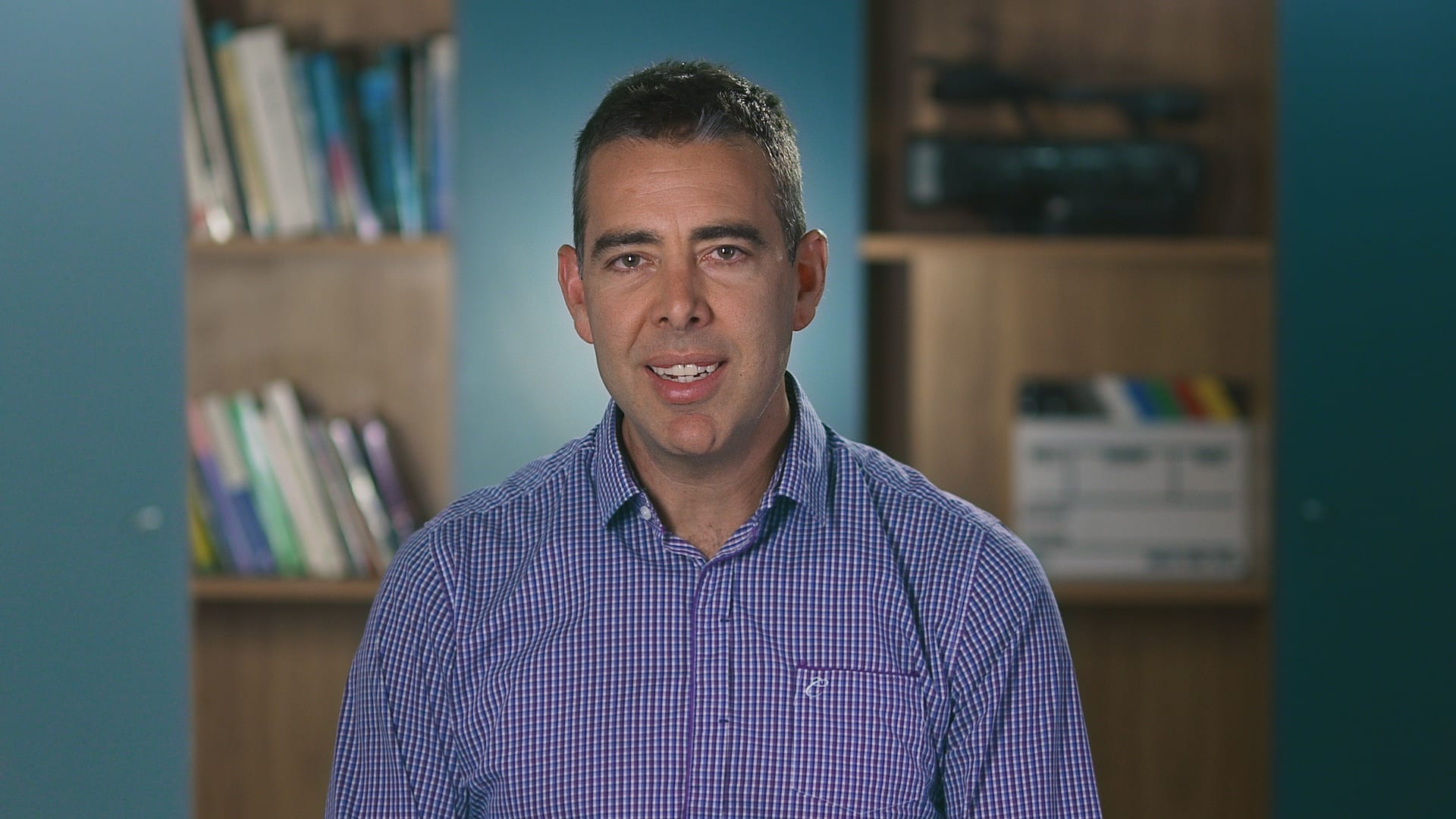
Ryan Spanger is the founder and managing director of Dream Engine, a Melbourne video production company established in 2002. Over the past two decades, he’s produced hundreds of videos for businesses, government departments, universities and healthcare organisations across Australia. Ryan specialises in helping organisations explain complex ideas through clear, engaging video content, with particular experience in corporate communications, training and education.