Tips for Creating a Successful Corporate Video
Creating a corporate video can feel complex if you have not done it before. With the right preparation and a clear plan, the process becomes much easier. Based on many years of producing corporate videos across Melbourne, here are some practical tips to help you get the most from your project.
Concept and Scripting
A strong corporate video starts with a clear goal. Decide early what the video is meant to achieve. It might be to explain a service, introduce a program, recruit staff, or share a client success story.
The biggest mistake we see is trying to make one video do everything. A single, focused message is more effective and easier for your audience to understand. Once the goal is locked in, the scripting process becomes far more straightforward.
Location Scouting
The correct location adds credibility, visual interest, and context. Whether you are filming interviews or capturing B-roll, the setting should support your message.
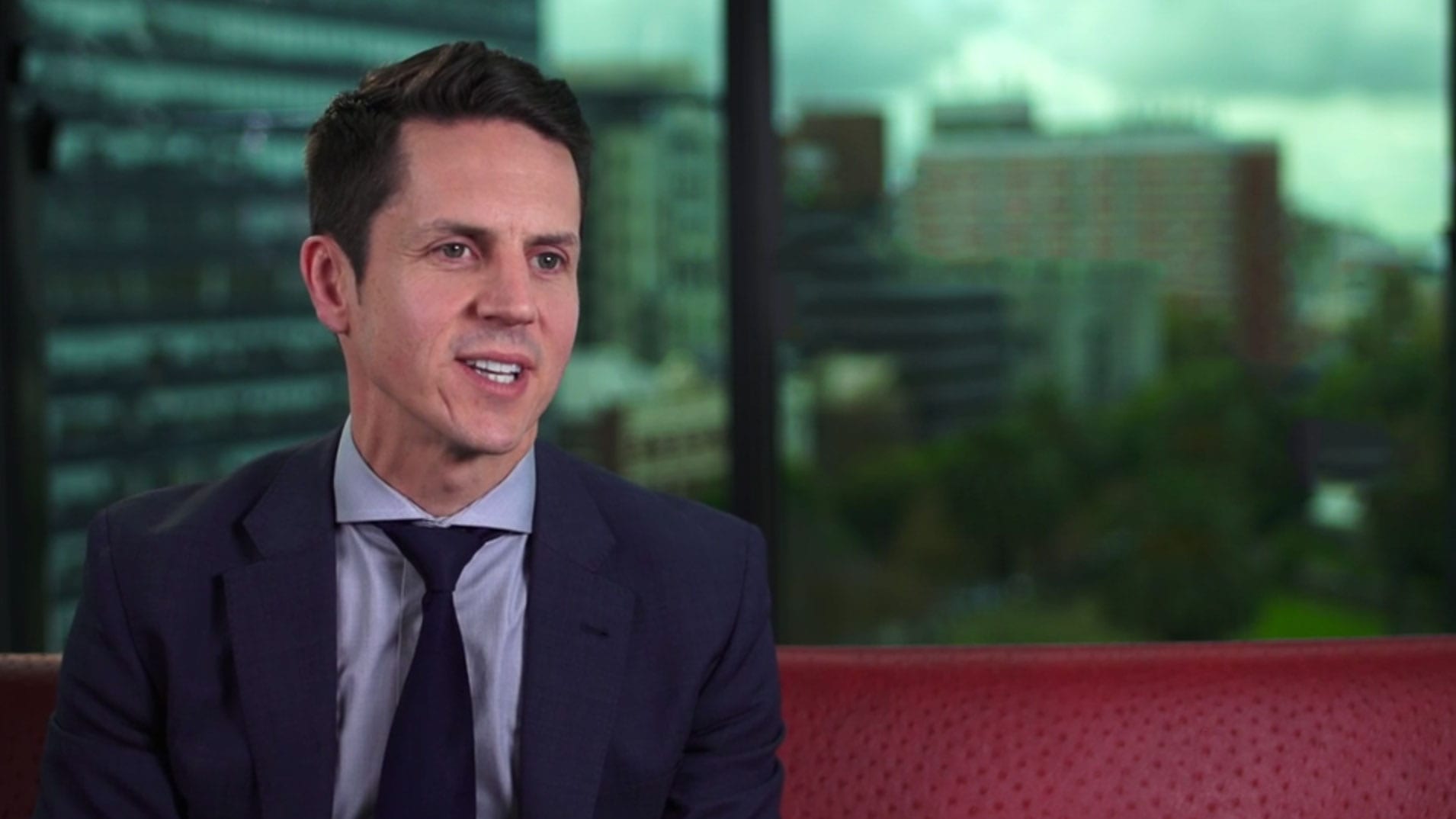
For interviews, choose a space that is quiet, free from interruptions, and relevant to the subject. A scientist in a lab. A teacher in a classroom. A company director in their actual workplace. These details help the viewer understand the environment and the story you are presenting.
Corporate Interview Tips
Interviews form the backbone of many corporate videos. A great interview depends not only on the questions but also on how comfortable the interviewee feels.
A few simple steps make a big difference:
- Be on time and professional
- Build rapport before the interview begins
- Help the interviewee relax with warm-up questions
- Explain the process so they know what to expect
- Keep the environment calm and organised
Many people feel nervous on camera. A friendly conversation beforehand helps the subject feel more at ease, which leads to natural, confident responses.

B-roll
Strong B-roll is essential for bringing your video to life. It covers interview edits, adds visual interest, and provides context for the discussion. Even simple scenes, such as staff working, equipment in use, meetings, or wide shots of the workplace, can elevate the final piece.
Think of B-roll as the material that gives editors flexibility. The more options available, the smoother the final edit will be.
Conclusion
A clear goal, the right locations, relaxed interview subjects, and strong supporting footage are the foundations of an effective corporate video. When these elements work together, your video becomes more engaging and more useful to the audience you want to reach.
Dream Engine can guide you through every stage of the process and help you create a corporate video that presents your organisation with clarity and confidence.
Corporate Video Tips – Frequently Asked Questions
What is the first step when planning a corporate video?
Start with a clear goal. Decide what the video needs to achieve, who it’s for, and what action you want viewers to take. Once that’s clear, the concept and script become much easier.
How long should a corporate video be?
Most corporate videos work best in the one to three minute range. Recruitment pieces or brand stories sometimes run longer. The key is to keep the content focused so every moment supports the main message.
How do we choose the right filming location?
Choose a location that supports the story and looks credible on camera. For interviews, prioritise a quiet space with minimal interruptions that feels relevant to the subject, such as a workplace, classroom, or lab.
How do you help people feel comfortable on camera?
A calm process makes a big difference. Build rapport before filming, explain what will happen, start with warm-up questions, and keep the environment organised. Most people relax once they know what to expect.
What questions make for a strong corporate interview?
Questions that are simple and specific tend to work best. Aim for prompts that lead to short, direct answers rather than long speeches, then capture examples and details that make the story feel real.
How much B-roll do we need?
More than you think. B-roll covers edits, adds visual interest, and shows the organisation in context. Footage of people working, locations, products, and real interactions gives the edit flexibility and improves the final pace.
What is the most common mistake businesses make with corporate videos?
Trying to make one video do everything. A single focused message is easier to understand, easier to produce, and usually performs better across your website and marketing channels.
Where should we publish a corporate video?
Your website is usually the primary location. You can also share it on YouTube, LinkedIn, internal platforms, and in email campaigns. The right mix depends on who you want to reach and how they prefer to receive information.
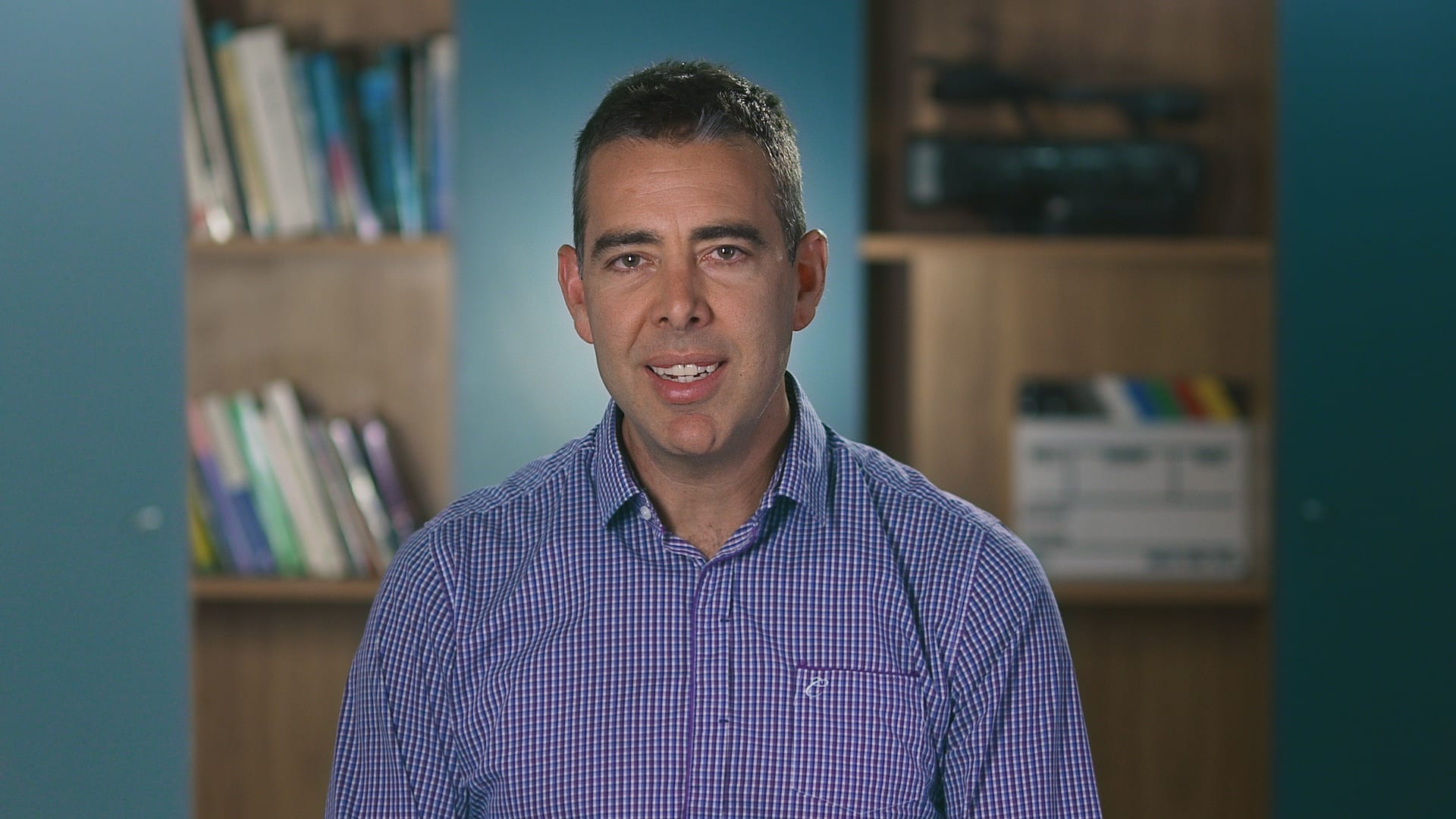
Ryan Spanger is the founder and managing director of Dream Engine, a Melbourne-based video production company established in 2002. With more than two decades of experience, Ryan has helped leading Australian businesses, government departments, and non-profits communicate their message with clarity and impact through video. He’s known for his strategic approach, reliable process, and commitment to producing videos that deliver measurable results.