This is our final instalment in our series explaining each step of the video production process. In earlier episodes, I covered pre-production and production. In this video, I’m going to talk about the final stage in the filmmaking process: post-production.
Topic Summary
- Steps involved in post-production
- Video marketing and distribution
Post-production starts once we’ve got all of the footage for your video shot, and we head into the edit suite.
Steps involved in Post-Production
Our first step is to put together what’s known as the “Rough Cut”. This is the first edit of your video. To use the metaphor of building a house, the Rough Cut is where we create the structure: the walls, the roof, and the windows. And then, we invite you in to have a look. You get a clear picture of where things are heading, without the finishing touches like paint, curtains and appliances.
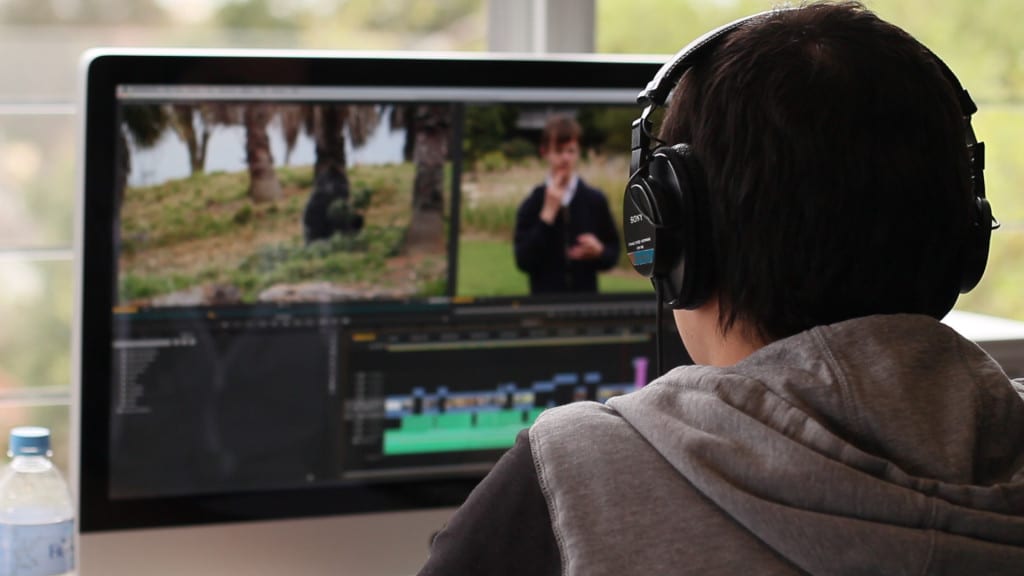
This is an important phase because it means we can check in with you as the process unfolds. You can confirm that your video is what you expected, and you have an opportunity to provide feedback and suggest changes.
Based on your feedback, we will move forward with the “Fine Cut” of the video. This is where we start to finesse the video with elements like music, graphics, and colour grading. We then show you the video again, and you can provide feedback and make changes.
At this stage, we add the finishing touches to your video, including making final changes and mixing the sound.
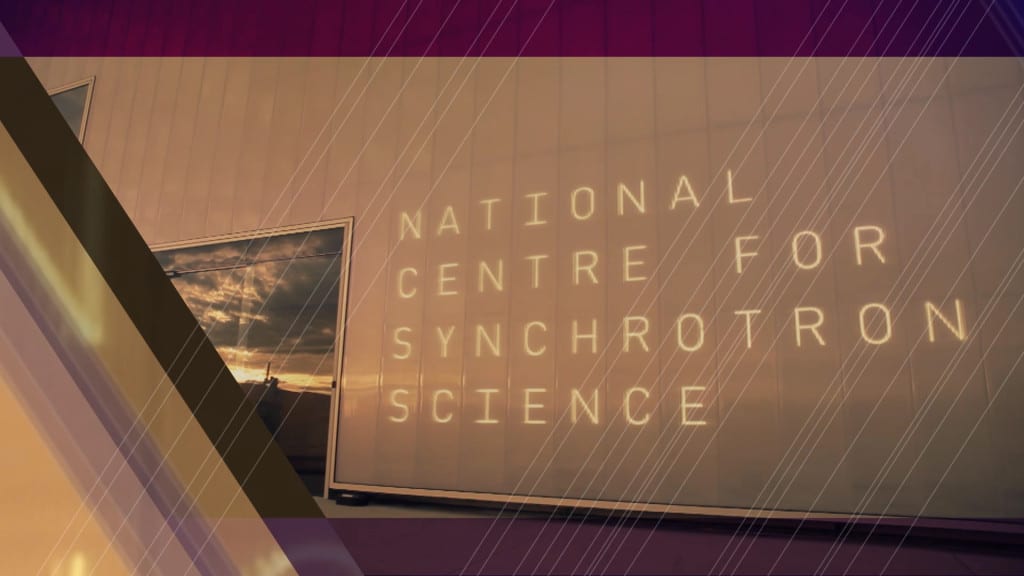
If there are any final touch-ups you want to make, you now have the opportunity to come into the edit suite and work with the editor until you’re 100% happy.
Your video is now ready to share with the world! We’ll send you a web version of your video to go onto your website, as well as a high-resolution master copy of your video to archive. It’s an exhilarating moment to receive your completed video, so you can share it and have it working for you.
Video Marketing & Distribution
If you’ve commissioned Dream Engine to take care of the video marketing component, we will then help you with distribution through channels like YouTube and email marketing. We monitor video analytics and provide you with reports, so you can quantify how well your video is performing.
So there you have it: all the steps from when you first decide to create a video to putting it out there, sharing it with your audience, and driving action.
What do you think? Any questions come up? Simply enter them in the comments box below, and I’ll answer them for you.
When you’re ready to talk about your video, get in touch, and I’ll help you get started.
Post-Production – Frequently Asked Questions
What happens during post-production?
Post-production is where the story is shaped and polished. It includes organising footage, building the edit, tightening pacing, cleaning audio, adding music, colour grading, motion graphics, captions (if required), and exporting versions for different platforms.
What is a rough cut?
A rough cut is the first structured version of your video. It focuses on story, structure, and key messaging, without the full finishing elements like colour grade, final music, sound mix, or graphics.
What is a fine cut?
A fine cut is the next stage after feedback on the rough cut. The edit is tightened and refined, and finishing elements such as music, graphics, and colour grading are introduced so the video starts to feel close to the final result.
How many rounds of feedback are included?
It depends on the scope of the project, but most business videos are reviewed across a small number of structured stages (rough cut, fine cut, final). This keeps feedback clear and avoids endless revisions.
Can we sit in with the editor for final changes?
Yes. If you want to make final touch-ups efficiently, you can attend a supervised edit session so adjustments can be made in real time.
How long does post-production usually take?
Timelines vary depending on video length, complexity, and the number of versions required. Many corporate projects take anywhere from a few days to two weeks once filming is complete, with longer schedules for more complex edits or motion graphics.
What files will we receive at the end?
Typically you will receive a web-ready version for your website and social channels, plus a high-resolution master for archiving. If you need platform-specific versions (LinkedIn, YouTube, internal systems), those can be supplied as part of the delivery plan.
Do you help with distribution and video marketing?
Yes. If you engage Dream Engine for video marketing support, we can help plan distribution, publish videos to the right channels, and review analytics so you can measure performance.
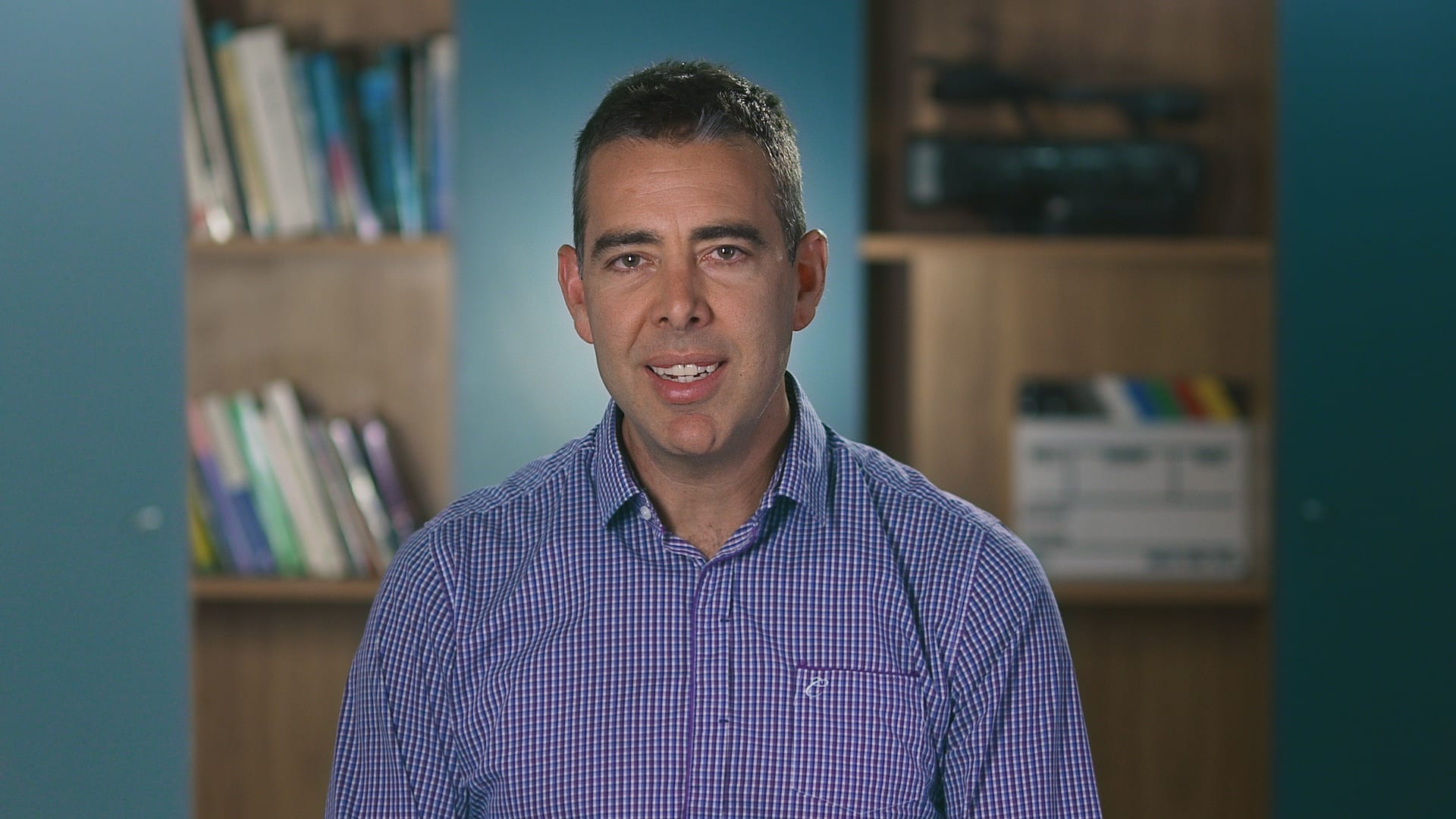
Ryan Spanger is the founder and managing director of Dream Engine, a Melbourne-based video production company established in 2002. With more than two decades of experience, Ryan has helped leading Australian businesses, government departments, and non-profits communicate their message with clarity and impact through video. He’s known for his strategic approach, reliable process, and commitment to producing videos that deliver measurable results.