In this guide
Presenting on camera can feel unfamiliar, even when you know the subject well. Preparing your message, rehearsing aloud and knowing where to look can make the recording easier.
Feeling nervous is normal. These seven tips can help you prepare and give the crew a clear idea of the support you need.
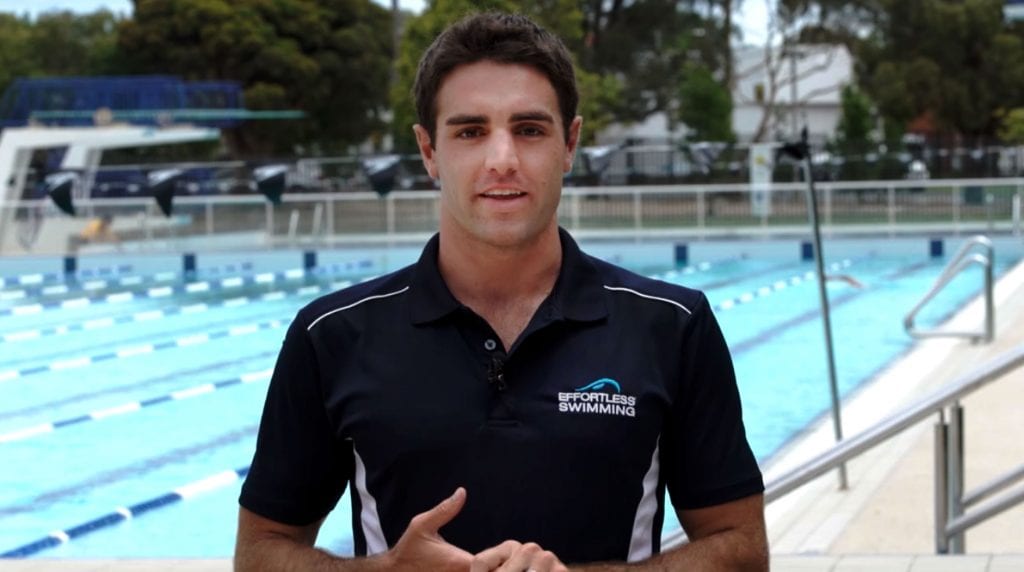
1. Think about who you are speaking to
Before filming, picture someone who needs the information. What do they already know, and what are they likely to ask? Try explaining the topic as you would in a conversation with that person.
2. Keep your message simple
When there is too much information, the viewer loses the thread. Choose one message or idea per video. Use clear, everyday language. If you are using a script, read it aloud. Our video script guide explains how to plan the words and pictures together. If it does not sound like how you speak, simplify it until it does.
3. Rehearse just enough
Read the script aloud a few times to check the wording and become familiar with its flow. Mark useful pauses and tell the crew which sections you find difficult.
4. Ask the crew for guidance
A good crew is there to support you. They can help with eye line, pacing, posture and energy. If something feels off, ask for guidance. Small adjustments can make a significant difference in how comfortable and grounded you appear on screen.
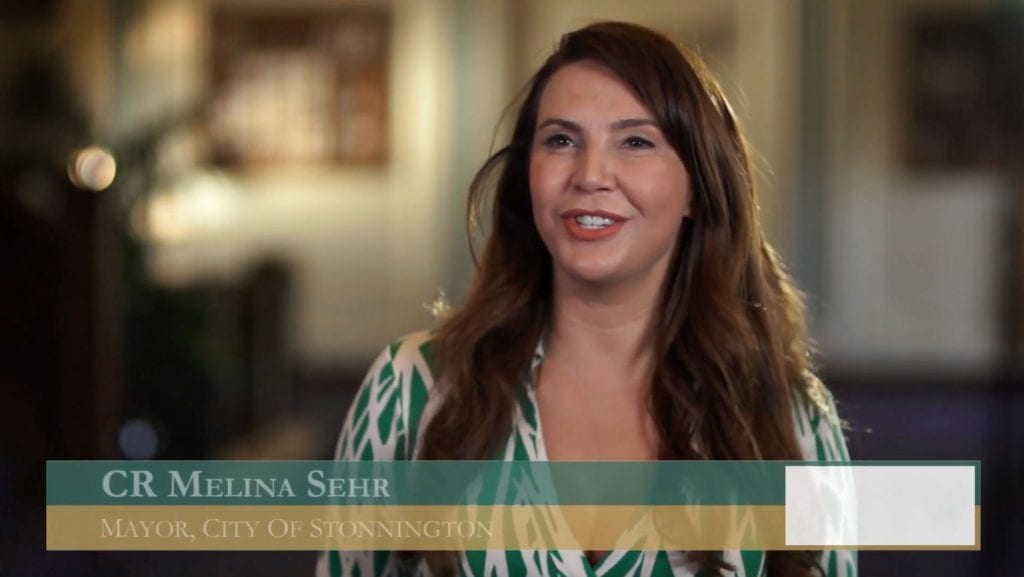
5. Pay attention to small visual details
A loose collar or reflections in glasses can draw attention on camera. Take a moment to check clothing and posture. If needed, we provide basic makeup to soften shine and even tone. Discuss this with the crew before filming if you have a preference.
6. Be yourself
Use your normal speaking voice and gestures, with a tone suited to the message. You do not need to adopt a formal presentation style unless the subject calls for it. Ask to review a short take if you are unsure how it comes across.
7. Tell a story when appropriate
Use a short, relevant example to explain a point. Describe what happened and why it matters, without including unnecessary background.
An example from a shoot
We filmed a senior executive who felt uncomfortable on camera. Instead of starting with the script, we spent a few minutes clarifying who he was speaking to and why. Once he began speaking to one real person rather than the camera, everything settled. His tone steadied, his message became clearer, and he looked like himself.
Our role when we film presenter-led videos
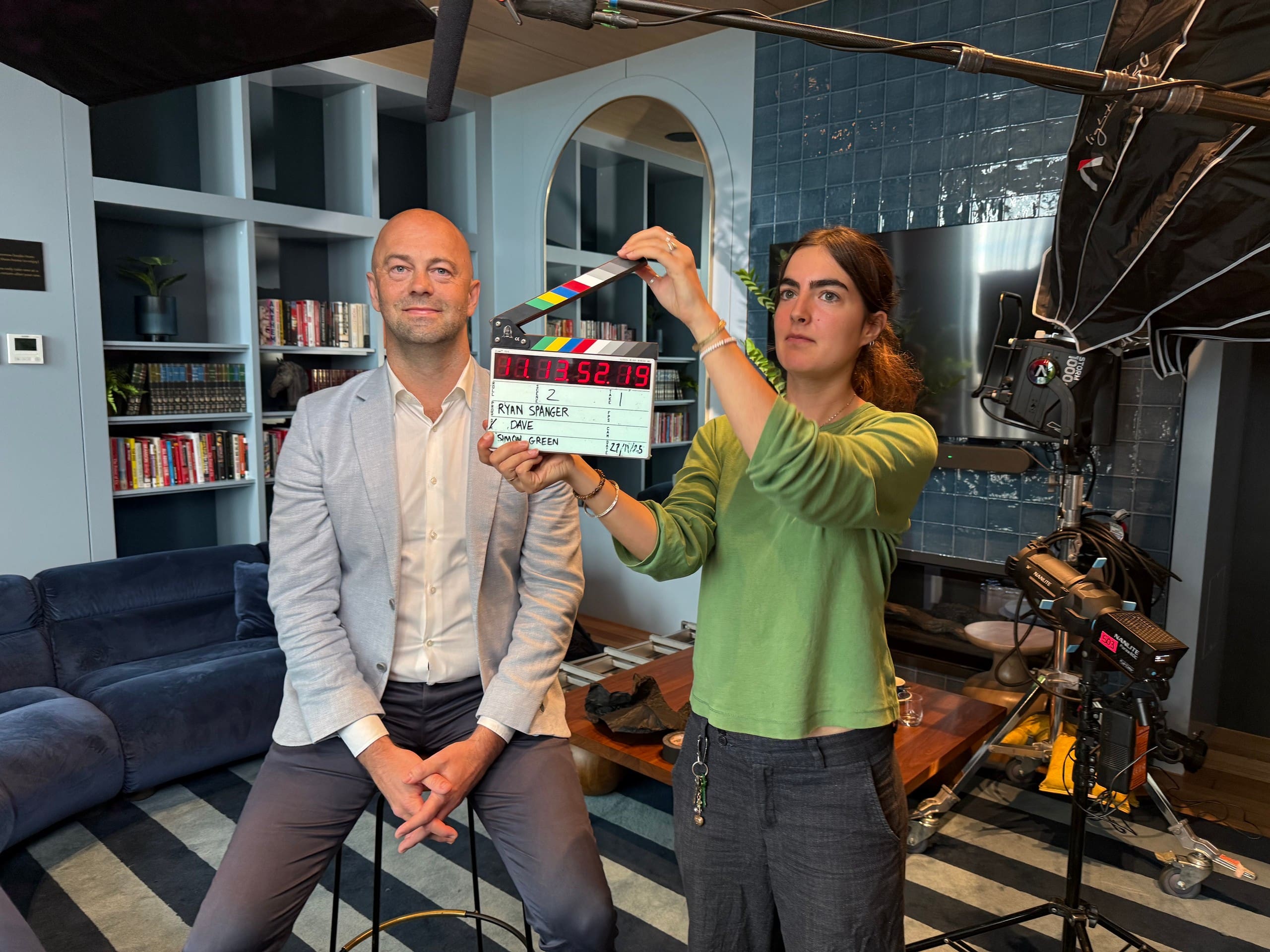
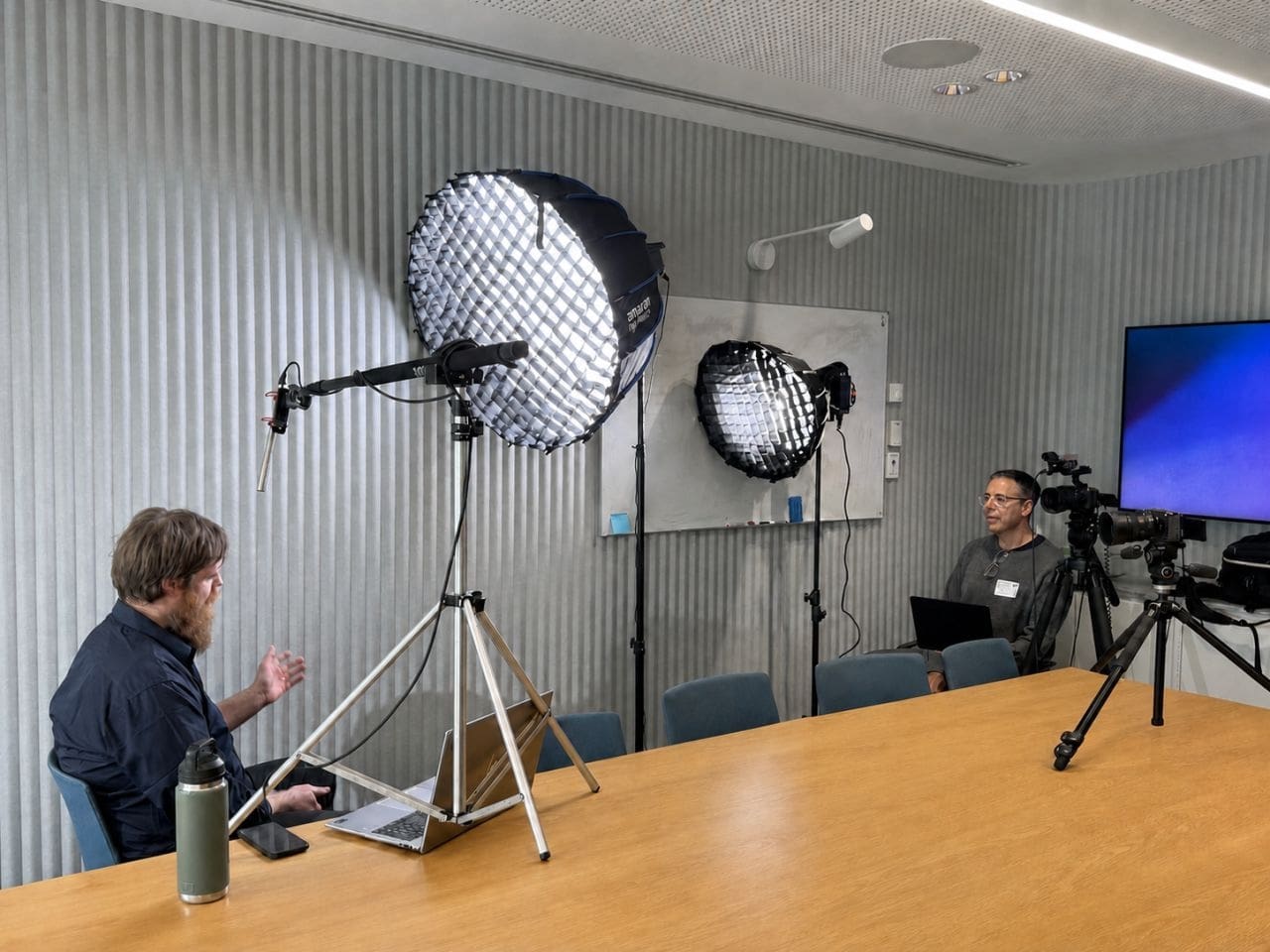
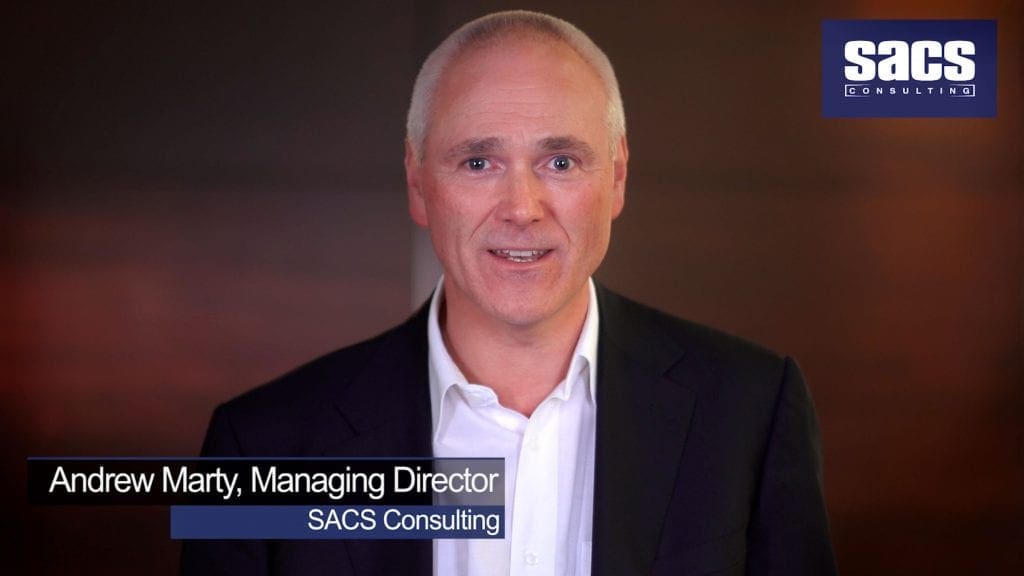
We regularly film presenter-to-camera videos in Melbourne for businesses, government departments, universities and professional organisations. Alongside lighting, sound and setup, we guide presenters through the recording, with time for questions, pauses and retakes.
If you are planning a presenter-led video and would like guidance with preparation and filming, you can learn more about our Melbourne videographer service.
Presenting on camera
Presenting on camera: frequently asked questions
Prepare your message and ask for the support you need.
What should I prepare before presenting on camera?
Be clear about the audience and the main message. Read any script aloud, mark useful pauses and tell the crew which sections you find difficult. Discuss the filming setup and the support you need before recording.
How much should I rehearse?
Read the script aloud a few times to check the wording and become familiar with its flow. Keep the language close to your normal speaking voice, and practise the sections that feel difficult.
What if I feel nervous during recording?
Tell the crew. They can help with eye line, pacing, posture and energy. Allow time for questions, pauses and retakes, and ask for guidance when something feels uncomfortable.
Can I review a take before continuing?
Ask to review a short take if you are unsure how you look or sound. It can help you and the crew identify small changes to the delivery or setup before recording more material.
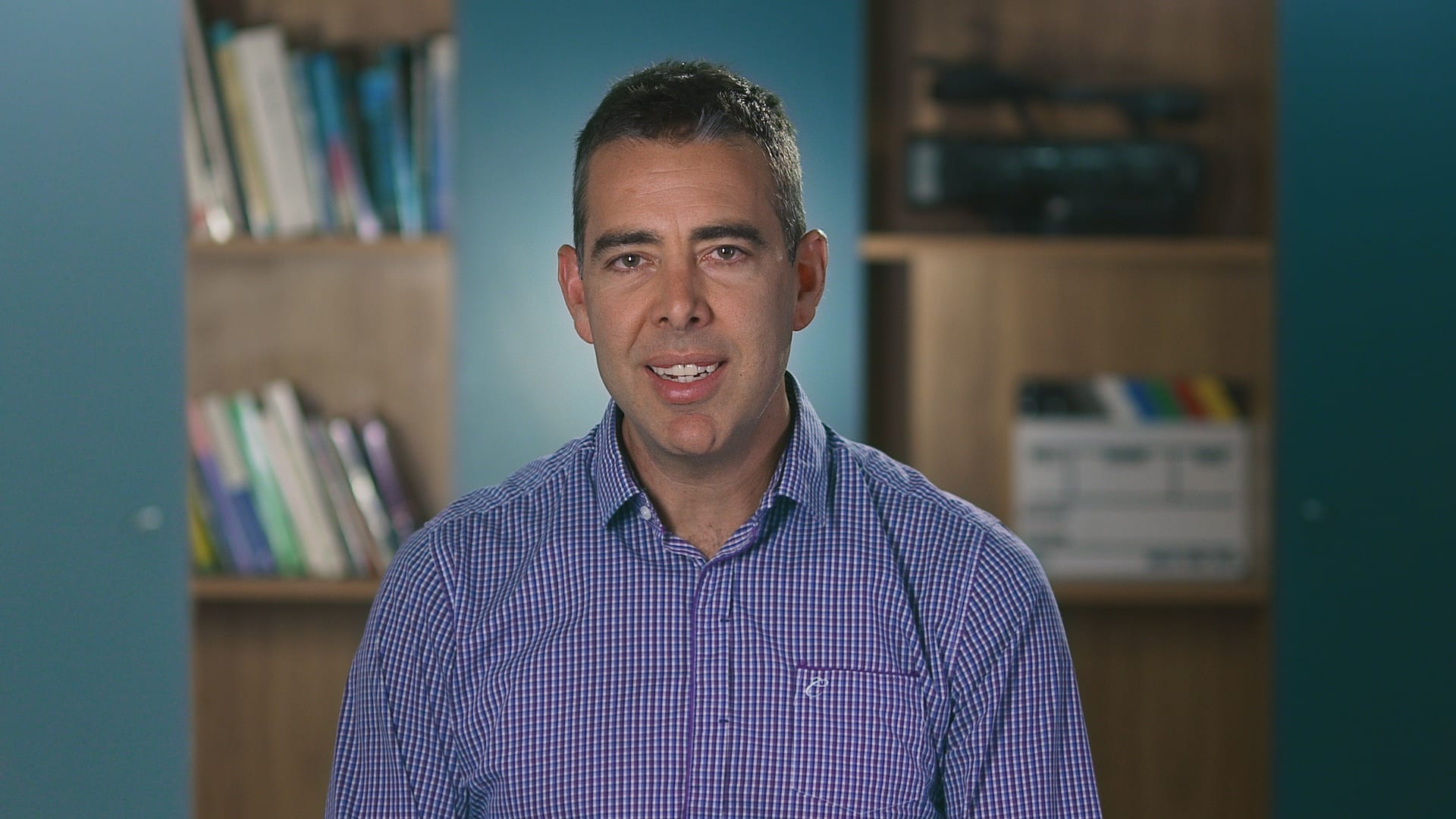
Ryan Spanger is the founder and managing director of Dream Engine, a Melbourne video production company established in 2002. Over the past two decades, he’s produced hundreds of videos for businesses, government departments, universities and healthcare organisations across Australia. Ryan specialises in helping organisations explain complex ideas through clear, engaging video content, with particular experience in corporate communications, training and education.