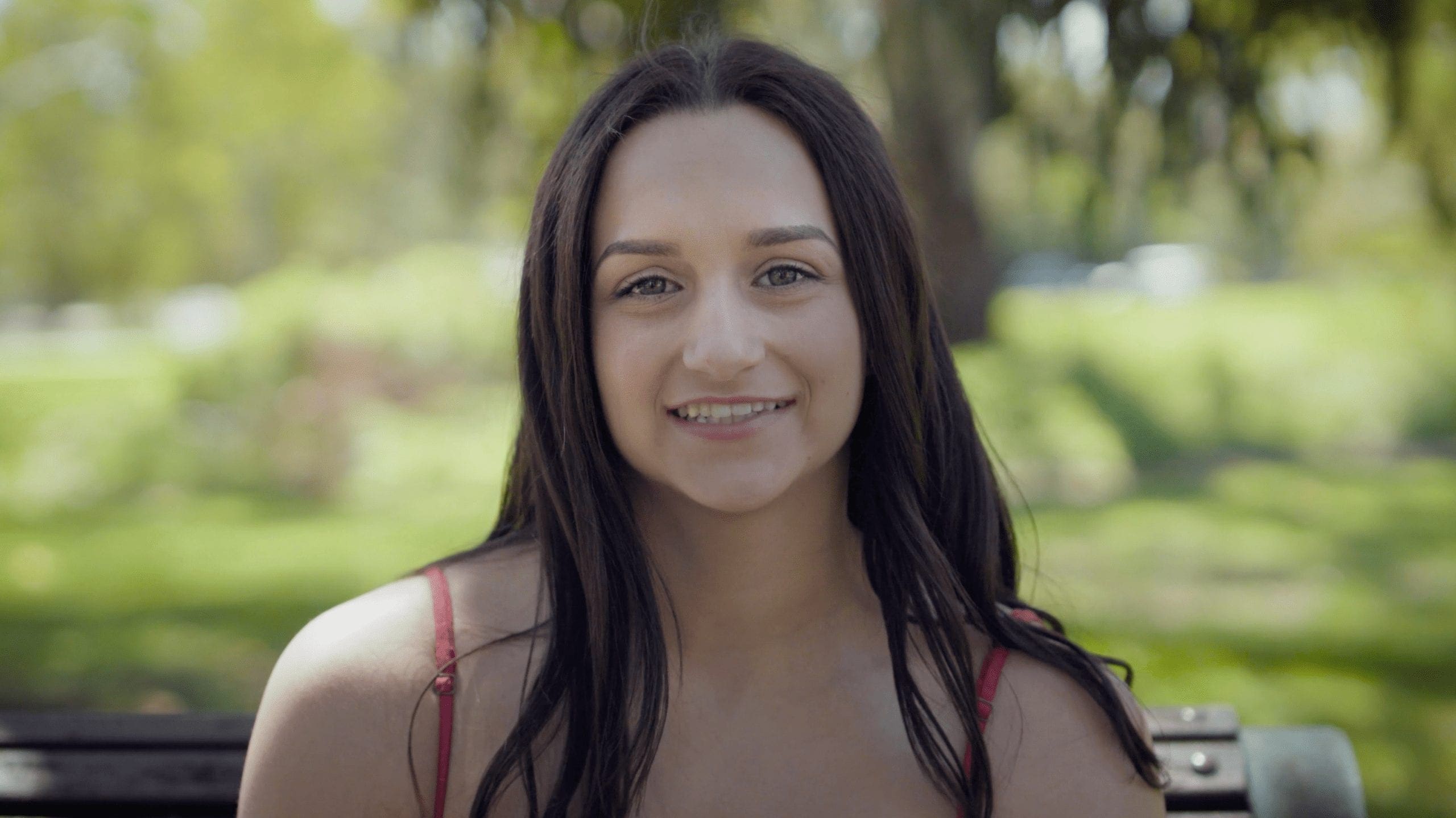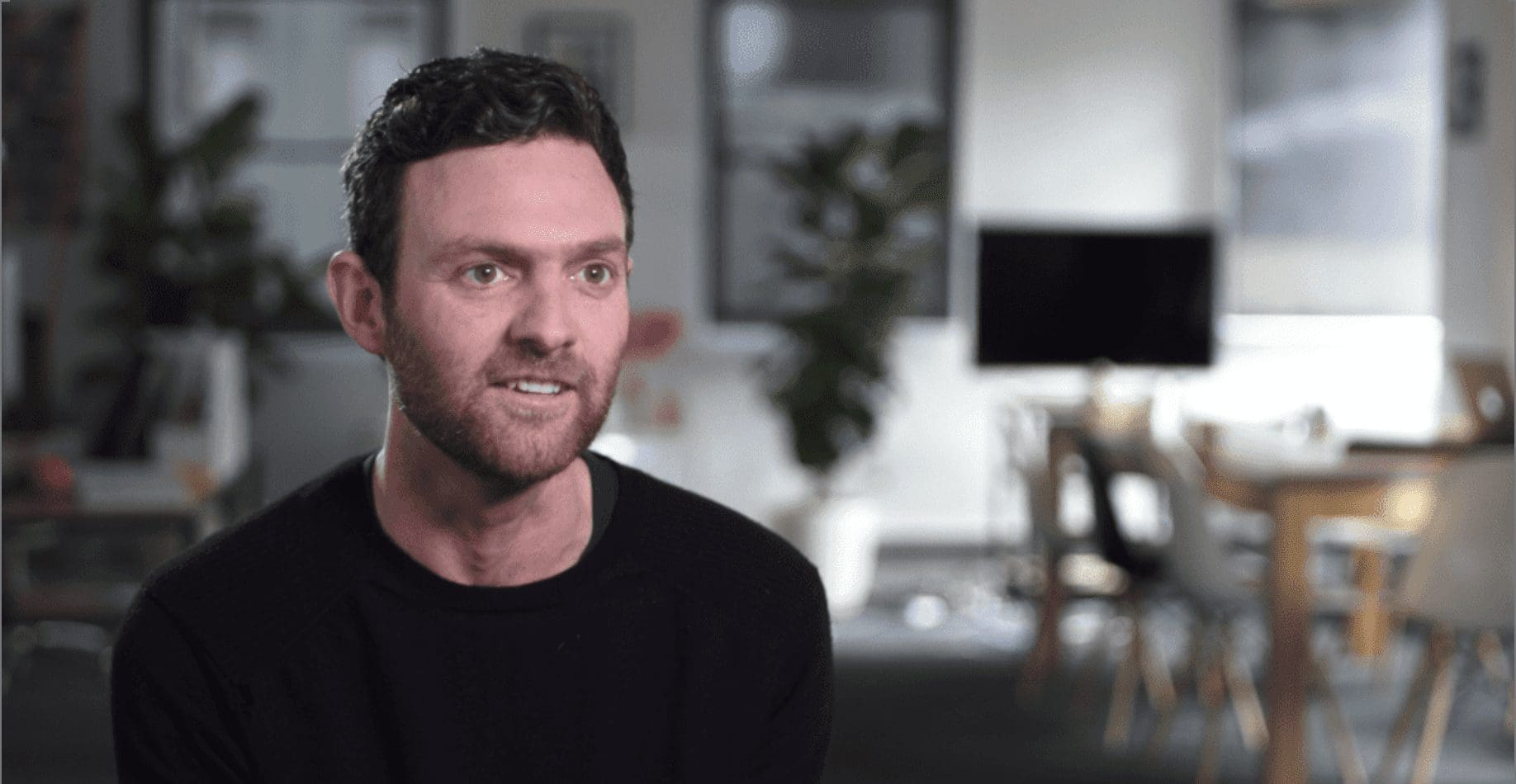
Most people can present well on camera with the right preparation and a filming setup that suits them. The aim is to speak as clearly and naturally as you would in a real conversation.
Start with the audience and the main message. Then decide whether the presenter will answer interview questions, speak from key points or use an autocue. Each method needs a different kind of preparation.
This guide is for people presenting directly to camera in a corporate video, leadership update, training video or website video. If you are being interviewed by someone off camera, our separate guide explains how to feel comfortable during an on-camera interview.
The short version:
- Be clear about the one thing the viewer should understand, feel or do.
- Use an interview, key points or an autocue according to how exact the wording needs to be.
- Practise aloud, but do not try to memorise a performance.
- Think of one person who needs the information and speak to them.
- Look in the right place for the format you are filming.
- Finish one thought at a time and allow natural pauses.
- Let your hands and expression move as they normally would.
- If you make a mistake, pause and repeat the complete thought.
Choose the right delivery method before you rehearse
A presenter can struggle because the filming method does not suit the message. Somebody who is excellent in conversation may sound stiff reading a fully scripted paragraph. Somebody delivering approved technical or legal wording may need more support than a few dot points.
Choose the method before you rehearse:
| Delivery method | Best suited to | What the presenter should do |
|---|---|---|
| Interview | Personal experience, expert opinion, customer stories and subjects where a genuine response is more useful than exact wording | Look at the interviewer, listen to the question and answer in complete thoughts using your own words |
| Key points | Direct-to-camera explanations where the order needs to stay consistent but the wording can remain flexible | Know the structure, speak to the lens and deliver one idea at a time |
| Autocue | Approved, technical or detailed scripts that need to be delivered accurately | Become familiar with the message, use a comfortable pace and treat the words as thoughts rather than lines to be read |
None of these methods suits every video. The right choice depends on the presenter, the subject and whether the wording must be exact. Our production guide explains when an autocue is useful and when it is not.
Prepare words that are easy to say
Be clear about what the video needs to achieve
Before you work on the delivery, complete this sentence: “After watching, the viewer should…”
The answer might be to understand a change, learn a process or take an action. If there is more than one unrelated answer, the video is probably trying to cover too much. Once the purpose is clear, it is easier to decide what belongs in the script.
Write for the ear, not the page
Website and brochure copy often becomes awkward when spoken. Long sentences, formal introductions and strings of abstract language put extra pressure on the presenter and the viewer.
Use words you would genuinely say. Keep one main idea in each sentence. Put the important point early. If a phrase feels unnatural during a read-through, change it before filming. Our guide to writing a corporate video script shows how we turn approved information into natural spoken wording.
Practise the words out loud
Silent reading will not reveal where you run out of breath, trip over a phrase or lose the meaning of a sentence. Read the material aloud several times and make changes wherever the words feel difficult.
Practise until the wording feels familiar, but do not rehearse a fixed voice or gesture for every line. That usually makes the delivery stiff. Know what the section means, then say it naturally.
Speak to one person
People usually sound more natural on camera when they have one person in mind.
Before the take, decide who that person is. It might be a colleague, customer, staff member or somebody who has asked you the same question before.
Use the words you would use with them. The language will usually become simpler and the delivery less formal.
That is still professional. For most business videos, being clear, warm and credible is more important than using a polished presenter voice.
Eyeline, pace and body language
Know where to look
For a direct-to-camera presentation, look into the camera lens. That gives the viewer the feeling that you are speaking to them. If you are using an autocue, the text will sit in front of the lens so the eyeline stays direct.
For an interview, look at the interviewer unless the director asks for a different eyeline. Switching repeatedly between the interviewer and the lens can make the viewer unsure who is being addressed.
Slow down by separating each thought
Nerves often make people rush. Work through one complete thought at a time. Finish the sentence, pause and then begin the next idea.
Emphasise the words that carry the meaning and vary your pace when the message changes. If every word receives the same weight, even a good script can sound flat.
Use natural body language
Start in a balanced, comfortable position. Relax your shoulders and keep your hands somewhere natural. You do not have to sit or stand completely still. Use the same gestures you would use in a conversation.
The director will frame the shot to suit the amount of movement. The main things to avoid are repeated nervous habits that distract from the message, such as rocking, swivelling in a chair or handling an object throughout every take. If you are unsure what to do with your hands, let them rest, then allow them to move when a gesture genuinely belongs with the thought.
Use short takes and let the edit help you
We usually build the finished video from the best sections. You rarely need one perfect, uninterrupted take.
Break long scripts into paragraphs or complete ideas. Keep each take long enough for the editor to work with, but do not make the presenter deliver several minutes at once when the video will be edited anyway.
When you make a mistake:
- Stop speaking.
- Take a breath and settle.
- Go back to the start of the sentence or complete thought.
- Leave a short pause before you begin again.
There is no need to apologise or keep talking through the error. A clean restart is much easier to use in the edit. It also helps to hold your position and expression for a moment before the first word and after the final word of each take.
How to manage nerves on camera
Most people feel self-conscious when a camera is pointed at them. The first few takes are often the hardest because you are thinking about how you look and sound, or worrying about the next line.
Do not try to correct everything at once. Concentrate on delivering one clear thought to the person watching. Then make one adjustment at a time from the director’s feedback.
Use the first take to settle in. It does not need to be the final version. Say the whole section, find the pace, then record it again. A good crew will give you time to warm up and clear direction between takes.
Rehearsal and filming-day checklist
Before the shoot
- Confirm the audience, purpose and one main message.
- Know whether you will be interviewed, speaking from key points or using an autocue.
- Read all scripted wording aloud and simplify difficult phrases.
- Check names, figures, technical terms and pronunciations.
- Agree who can approve any last wording changes.
- Choose clothing that feels comfortable and suits the organisation. Bring an alternative if the crew has raised concerns about fine patterns, prominent logos or noisy jewellery.
On the day
- Ask where to look and how much of your body is in frame.
- Check the chair, standing position, autocue pace and room temperature before the main takes.
- Do a complete warm-up take without stopping for minor imperfections.
- Deliver one thought at a time and leave a short pause between sections.
- Ask for one clear piece of direction at a time.
- If a line repeatedly causes trouble, change the wording or divide the section.
- Record a safety take for an important section or whenever the wording has changed.
A simple practice exercise
Put your phone at eye level and record yourself explaining the topic to one real person for about a minute. Watch it once with the picture hidden and listen for clarity, pace and emphasis. Then watch it without sound and notice your eyeline, posture and gestures. Choose one thing to improve and record it again.
Review one thing at a time. That gives you something specific to improve on the next recording.
The director should make presenting easier
The presenter is only one part of the result. The script, room, schedule and direction all affect how well somebody performs on camera.
A well-run set gives the presenter a clear eyeline, clean sound, suitable framing, enough time to warm up and a practical way to handle mistakes. The director should explain what is working, identify the single most useful adjustment and avoid filling the presenter’s head with several competing instructions.
Sometimes the right fix is not “more energy”. It may be a shorter sentence, a different question, a slower autocue or a quick break. The director’s job is to work out what will help the presenter deliver the message.
Focus on the message, not the camera
Good on-camera delivery starts with solid preparation and a filming method that suits the presenter. Once the camera is rolling, concentrate on the message and the person who needs to hear it.
You do not need to act or sound like a presenter. Speak clearly, take your time and deal with one idea at a time.
If your organisation is planning a presenter-led video, Dream Engine can help shape the message, choose the right delivery setup and direct the performance on the day. See our corporate video production in Melbourne service.
Presenting on camera FAQs
How can I present well on camera if I feel nervous?
Focus on the person who needs the message rather than on how you are being judged. Use the first take as a warm-up, work in short sections and remember that mistakes can be removed in the edit.
Where should I look when presenting on camera?
For a direct-to-camera presentation, look into the lens. During an interview, look at the interviewer unless the director asks for a different eyeline. If you use an autocue, the text sits in front of the lens so you can read while maintaining direct eye contact.
Should I memorise a video script word-for-word?
Usually not. If exact wording is not essential, learn the structure and main points so you can speak naturally. If the wording must be precise, an autocue can be more reliable than memorising the script.
How do I stop sounding scripted on camera?
Write in spoken language, use shorter sentences and rehearse aloud. Understand what each section means, speak to one person and allow pauses and emphasis to follow the thought. If an autocue is too fast, ask for the pace to be adjusted.
What should I do with my hands on camera?
Start with your hands in a comfortable resting position and let them move naturally when a gesture supports the message. Avoid forcing gestures or repeatedly handling an object, rocking or swivelling, as those movements can become distracting.
What should I wear for a presenter-to-camera video?
Wear something comfortable that fits the organisation and the setting. Ask the production team about the background and framing. It is often useful to bring a second option, particularly if your first choice has a fine pattern, prominent logo or jewellery that may make noise.
What should I do if I make a mistake during a take?
Stop, take a breath and repeat the complete sentence or thought. Leave a short pause before restarting. A clean second version is easier to edit than continuing through the mistake.
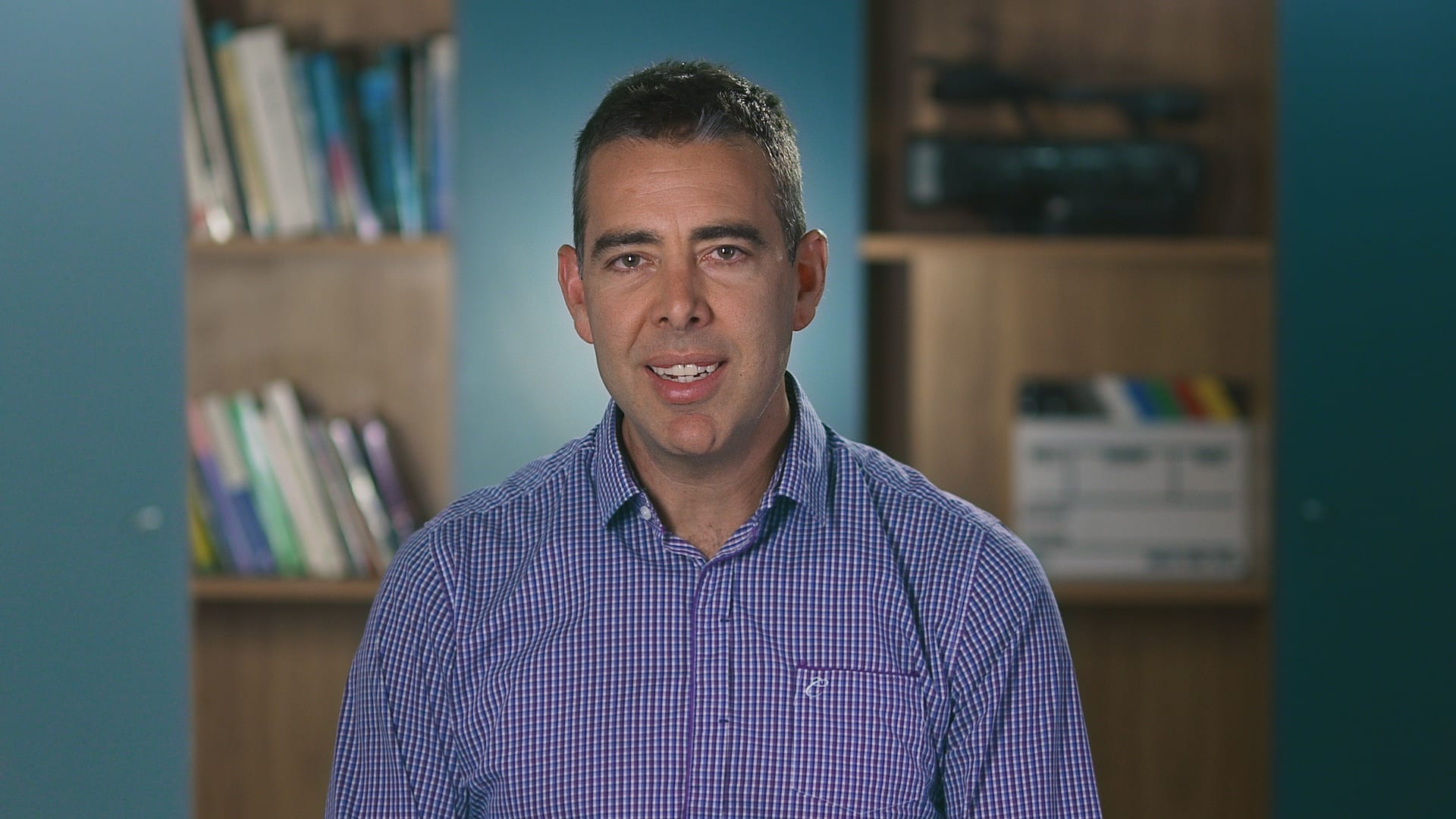
Ryan Spanger is the founder and managing director of Dream Engine, a Melbourne video production company established in 2002. Over the past two decades, he’s produced hundreds of videos for businesses, government departments, universities and healthcare organisations across Australia. Ryan specialises in helping organisations explain complex ideas through clear, engaging video content, with particular experience in corporate communications, training and education.