Motion graphics and animation are powerful tools in business video production, but they are not always the right answer. Used well, they can clarify complex ideas, replace costly filming, and help an audience understand your message quickly. Used poorly, they add cost without adding meaning.
This guide explains when animation or motion graphics make sense, the different styles available, and how Melbourne businesses can use animation to communicate more clearly without wasting budget.
If you are considering animation video production in Melbourne, this will help you make an informed decision.
What Are Motion Graphics and Animation?
Motion graphics and animation are visual techniques used to communicate ideas without relying on live-action filming.
- Motion graphics focus on animated text, shapes, icons, charts, and graphic elements.
- Animation often includes illustrated characters, environments, or full visual narratives created frame by frame.
Both approaches are commonly used in corporate videos, training videos, explainers, and internal communications.
When Animation Is the Right Choice
1. Explaining complex or abstract ideas
If your message involves systems, processes, data flows, or concepts that cannot be easily filmed, animation can simplify the explanation. Visual metaphors, diagrams, and animated sequences help ideas land quickly.
This is common in:
- Technology and software products
- Engineering and infrastructure projects
- Healthcare and research organisations
- Financial and professional services
2. When filming is impractical or inefficient
Animation can replace filming when locations are unavailable, environments are unsafe, or logistics would drive unnecessary cost. In some cases, animation is simply the more efficient option.
For example, instead of filming multiple sites or manufacturing processes, animation can show the complete system clearly in one visual language.
If filming is an option, we often help clients compare animation against live-action filming to choose the most practical approach.
3. Creating consistency across multiple videos
Animated styles can be reused across a series of videos, which keeps branding consistent and reduces production time over the long term. This is particularly useful for training content, onboarding videos, or internal communications.
Common Types of Animation Used in Business Videos
Motion graphics
Motion graphics are ideal for:
- Explainer videos
- Data visualisation
- Process walkthroughs
- Brand-led corporate videos
They work especially well when combined with voiceover and live-action footage.
Opening titles and lower thirds
Animated titles and lower thirds introduce speakers, reinforce branding, and guide viewers through content without distracting from the message. These elements add clarity and structure to corporate and interview-based videos.
2D animation
2D animation is often used to:
- Tell short visual stories
- Present long-term strategies or outcomes
- Communicate ideas that evolve over time
This style works well when tone and simplicity matter more than realism.
Animation vs Filming: Which Is Better?
There is no universal answer. The right choice depends on your message, audience, timeline, and budget.
As a general guide:
- Choose animation when clarity, control, and abstraction are priorities.
- Choose filming when authenticity, human connection, and real environments matter.
In many projects, the strongest solution is a combination of both.
What Does Animation Cost?
Animation budgets vary depending on style, length, and complexity. Simple motion graphics may sit at the lower end, while custom illustrated animation requires more development time.
The key is to design animation around the message, not the other way around. Done well, animation should support communication without pushing your animation budget beyond what the project requires.
Example: Motion Graphics in Practice
In this example, motion graphics are used to clarify information, guide the viewer’s attention, and support the narrative without overwhelming it. The animation exists to serve the message, not to decorate it.

Using Animation Well
Animation works best when it is planned early and aligned with the communication goal. It should help an idea land, not distract from it.
At Dream Engine, we focus on choosing the right visual approach for the job, whether that is animation, live-action filming, or a combination of both.
If you would like advice on whether motion graphics or animation are right for your next project, get in touch and we can talk through the options.
Frequently Asked Questions
Is animation better than filming for corporate videos?
Neither is better by default. Animation is ideal for explaining complex ideas or systems, while filming works best when authenticity and human connection are important. Many projects benefit from using both.
How long should an animated business video be?
Most effective animated business videos run between 60 and 120 seconds. The focus should be on clarity and pacing rather than length.
Can motion graphics be added to existing footage?
Yes. Motion graphics are often added to live-action footage to introduce speakers, highlight key points, or visualise data.
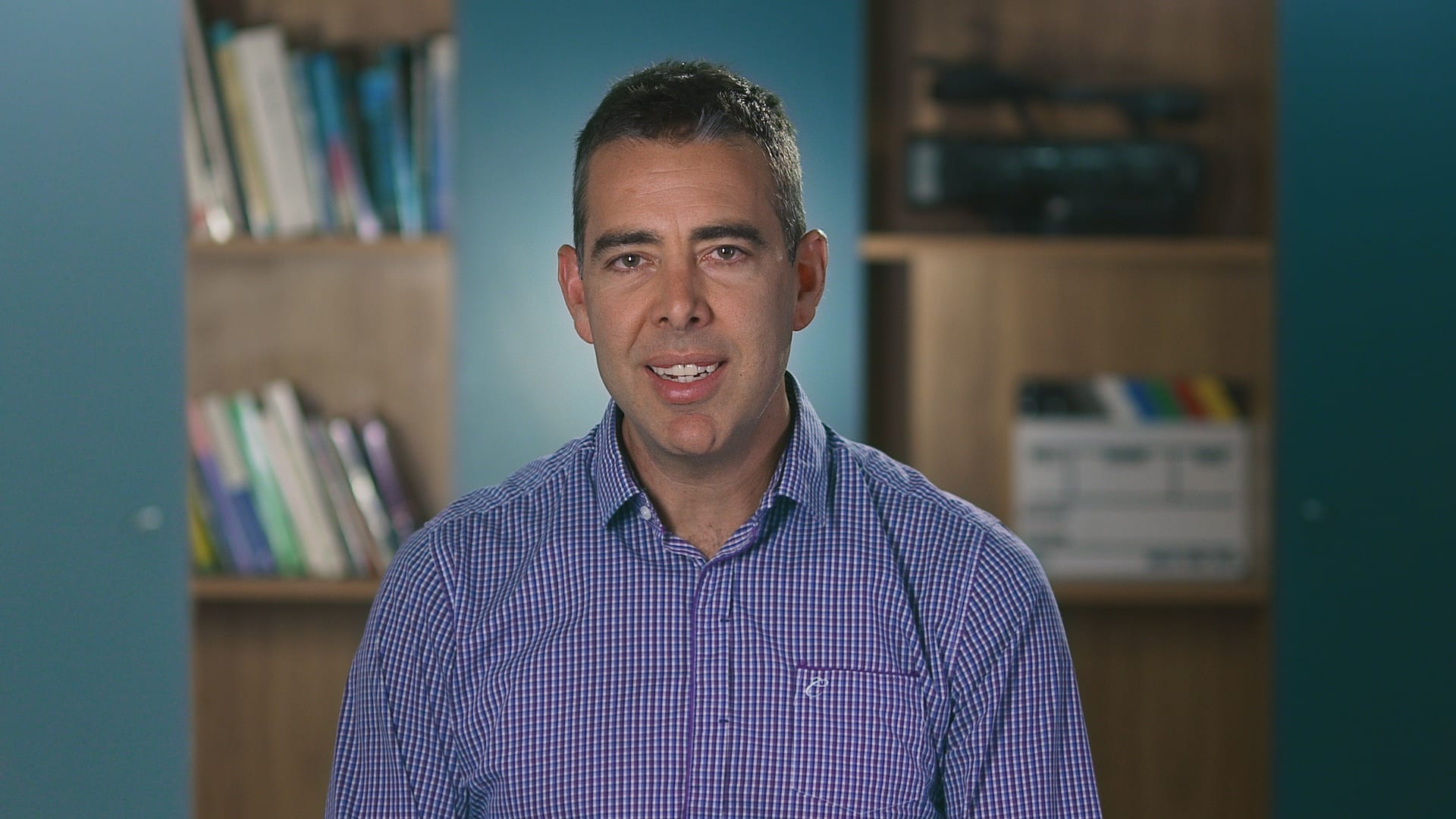
Ryan Spanger is the founder and managing director of Dream Engine, a Melbourne-based video production company established in 2002. With more than two decades of experience, Ryan has helped leading Australian businesses, government departments, and non-profits communicate their message with clarity and impact through video. He’s known for his strategic approach, reliable process, and commitment to producing videos that deliver measurable results.