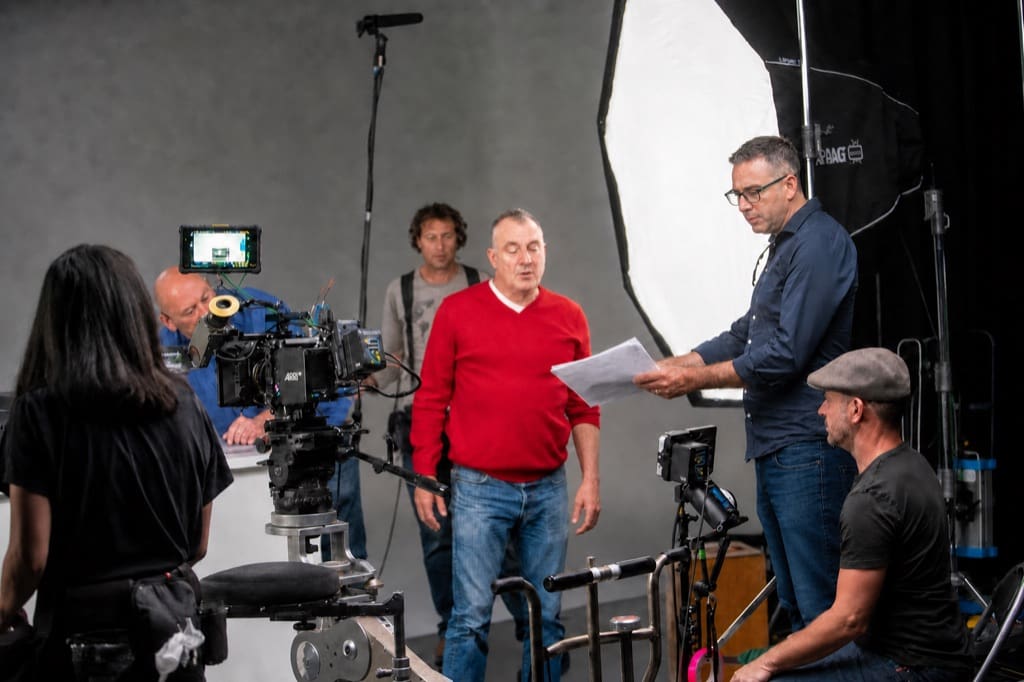
In 2026, video production in Melbourne can start at around $2,000 for a straightforward interview. Many business video projects fall between $4,000 and $10,000, while multi-day or more complex productions can exceed $15,000. All prices in this guide are in Australian dollars and exclude GST.
Professional video production is usually scoped by the work involved, not priced per finished minute. Planning, filming and post-production generally affect the price more than the length of the final video.
Dream Engine has produced business videos for Melbourne organisations since 2002. This guide is designed to help you choose a realistic starting budget and understand what should be included in a quote.
A useful starting point
Typical Video Production Costs in Melbourne (2026)
| Type of video | Typical budget range (AUD) | What a project in this range may involve |
|---|---|---|
| Talking head video | $2,000 to $4,000 | One Melbourne location, a simple interview or presenter setup and a straightforward edit. |
| Corporate overview video | $4,000 to $8,000 | Planning, workplace interviews, supporting footage and a polished main video for a website, presentation or campaign. |
| Case study or testimonial video | $3,000 to $6,000 | Interview preparation, filming a customer or stakeholder, relevant supporting footage and a concise story edit. |
| Training or educational video | $5,000 to $10,000 | Detailed planning, demonstrations or presenters, graphics and a defined number of modules. Larger training libraries are quoted separately. |
| Animated explainer video | $4,000 to $9,000 | Scripting, storyboarding, design, animation, voiceover or sound, depending on the style and complexity. |
| Live streamed event | $3,000 to $7,000 | Venue planning, cameras, audio, switching, streaming, recording and technical crew. |
| Large campaign or multi-day production | $10,000+ | Multiple locations or filming days, a larger crew, more complex creative development and several deliverables. |
Not sure where your project fits? Tell us what you are planning and we can provide an obligation-free estimate.
Scope changes the price
Video production budget examples
These examples show what different budgets may cover, excluding GST. They are not fixed packages or quotes.
$2,000–$4,000
Straightforward interview or presenter video
This range may suit one Melbourne location, one speaker, a short shoot and a simple final edit. It works best when the message is already clear, the location is practical and only one main version is required.
$4,000–$8,000
Corporate story, case study or event highlights
A project in this range may involve pre-production, one planned filming day, several interviews, supporting footage, captions, branded titles and a polished main video. The scope may also allow for one or two shorter cutdowns from the same material.
$8,000–$15,000
Multi-output or more complex production
This budget may suit multiple contributors, a second location, more detailed scripting, additional crew, motion graphics or several finished versions. It can be a good fit when one production needs to create content for a website, LinkedIn, presentations and internal communication.
$15,000+
Multi-day campaign, training series or major event
Larger budgets are usually driven by additional filming days, specialised crew, actors or presenters, complex logistics, detailed animation, live production requirements or a larger number of finished videos.
Real Dream Engine assignments
Examples from our work
These published case studies show how the work changes across customer stories, training and live production. Their individual fees are not published, so they are not price comparisons.
Social, advertising and ongoing content
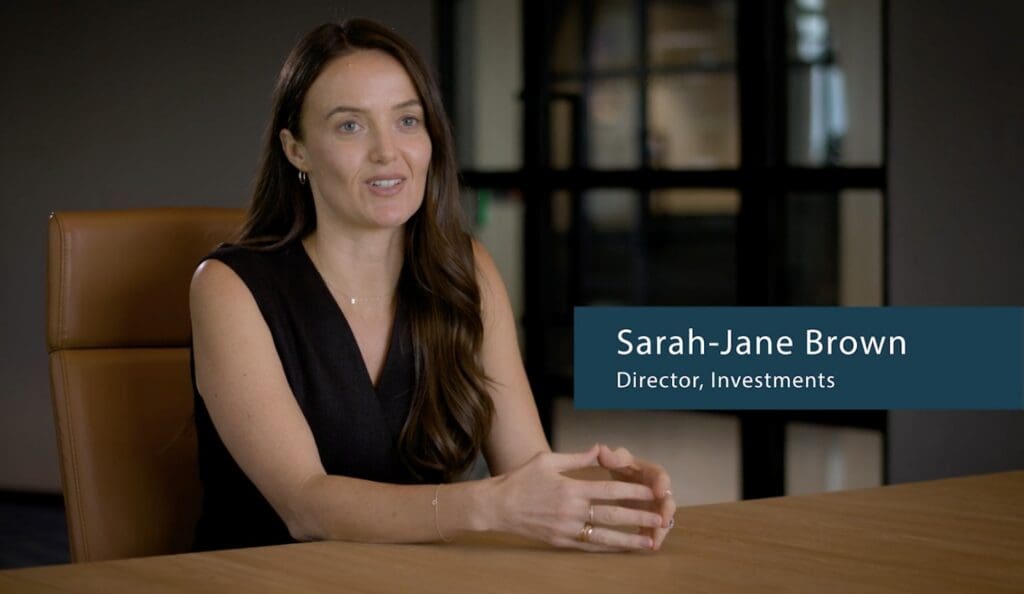
Mosaic Private
One filming day produced an end-of-year film and videos on individual topics that Mosaic could release throughout the year.
View case study →
Training and education
OPP Victoria
Eight presenter-led microlearning modules combined green-screen filming, hand-drawn animation and motion graphics.
View case study →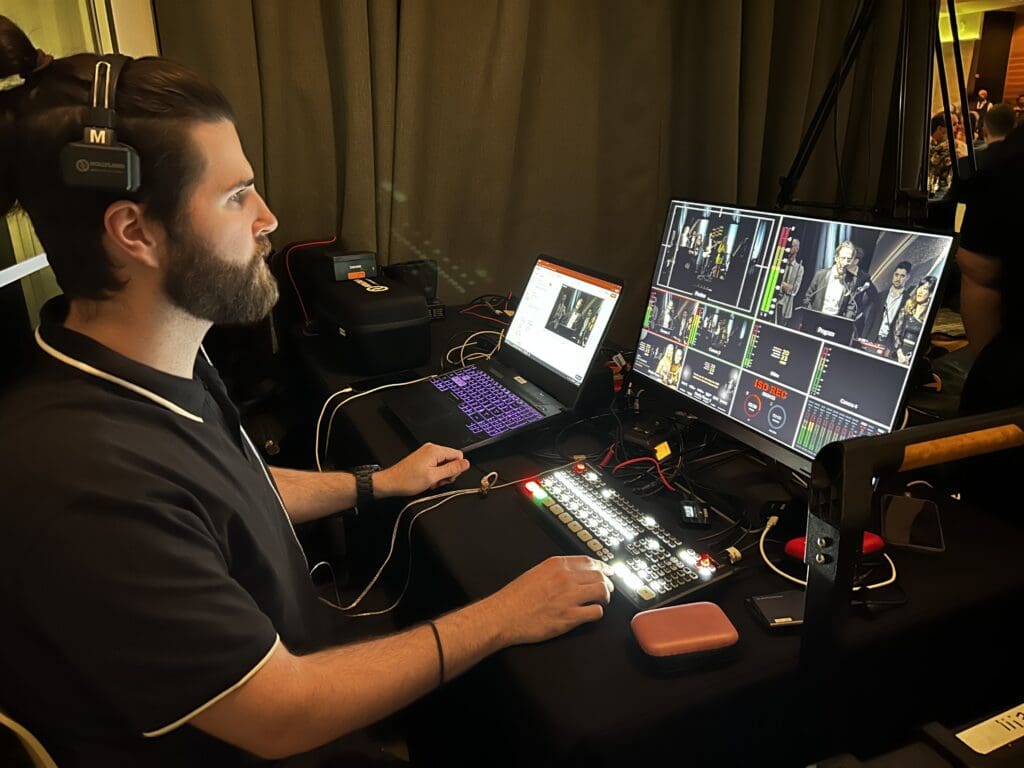
Event and live production
AUSactive National Awards
A three-camera livestream at Zinc was supported by a full-event recording, red-carpet footage, media-wall coverage and winner interviews.
View case study →Where the work goes
Why Video Production Costs Vary
Two videos of the same finished length can have very different production costs. A two-minute interview in one office is a different job from a two-minute brand video involving several locations, multiple stakeholders and custom graphics.
- Purpose and audienceTraining, sales, recruitment, stakeholder communication and public campaigns each require a different approach.
- Creative developmentConcept development, scripting, storyboarding and message planning add time before filming but can greatly improve the final result.
- Filming days and locationsEvery location requires travel, access, setup and pack-down. Additional days increase crew and equipment time.
- Crew and equipmentA single-camera interview requires fewer resources than a multi-camera event, controlled lighting setup or live production.
- People on cameraStaff interviews are usually simpler to arrange than actors, presenters, children or members of the public.
- Editing and graphicsCaptions, animation, motion graphics, sound mixing, colour grading and detailed stakeholder feedback all affect post-production time.
- Number of deliverablesOne main video costs less than a coordinated package of cutdowns, vertical versions, social clips and internal edits.
- DeadlineA tight turnaround may require additional editing resources or a compressed approval process.
From brief to delivery
What’s included in the price?
Good production work happens before, during and after the filming day.
Pre-production
Pre-production can include briefing, concept development, scripting, interview questions, schedules, shot lists, location planning, call sheets and approval checkpoints. This work helps prevent unclear messaging, missed footage and expensive changes later.
Production
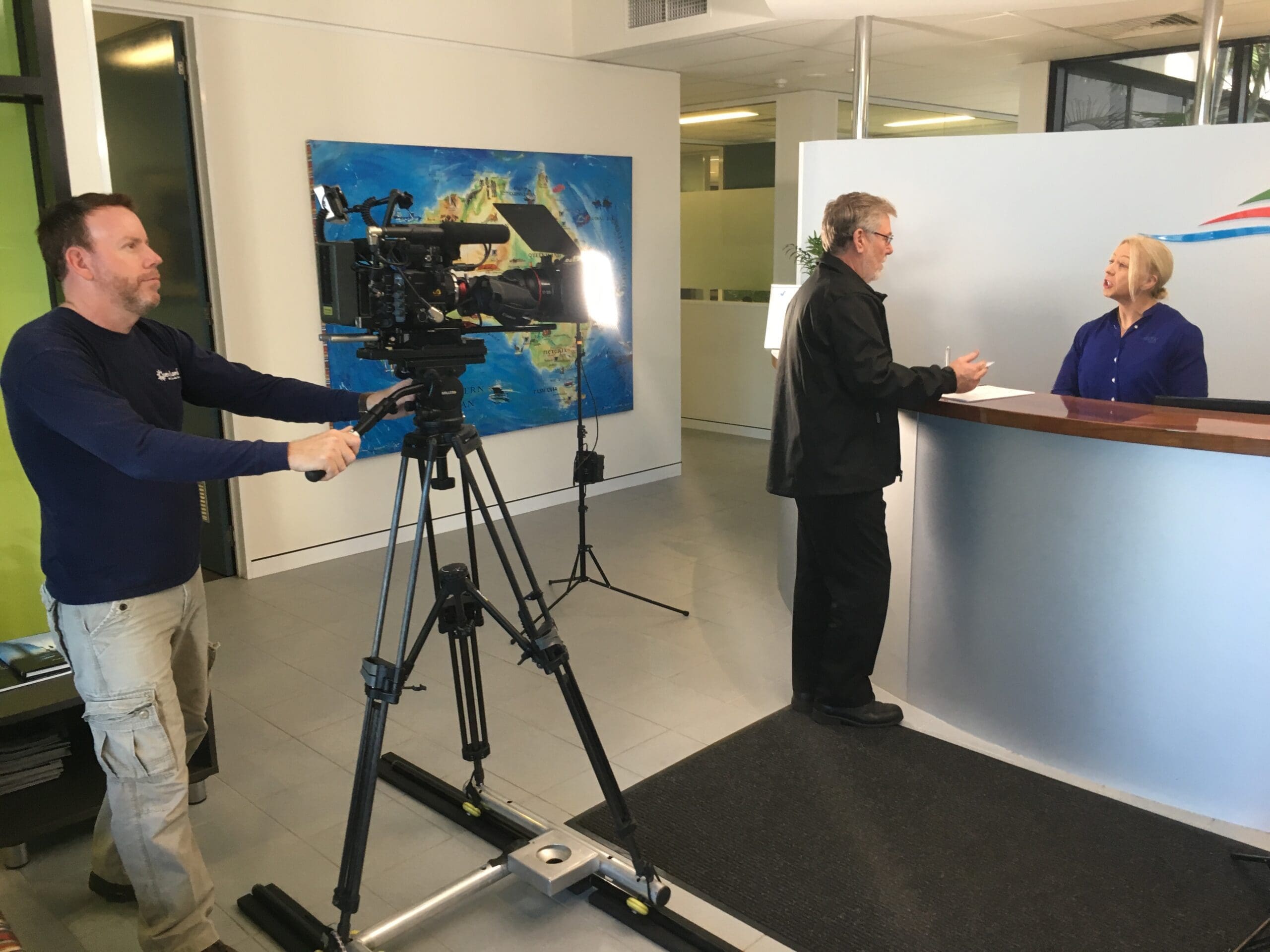
Production covers the people, equipment and time required to capture the material. Depending on the project, that may involve a producer, director, camera operator, audio technician, lighting crew, makeup artist, teleprompter operator or livestream technician.
Post-production
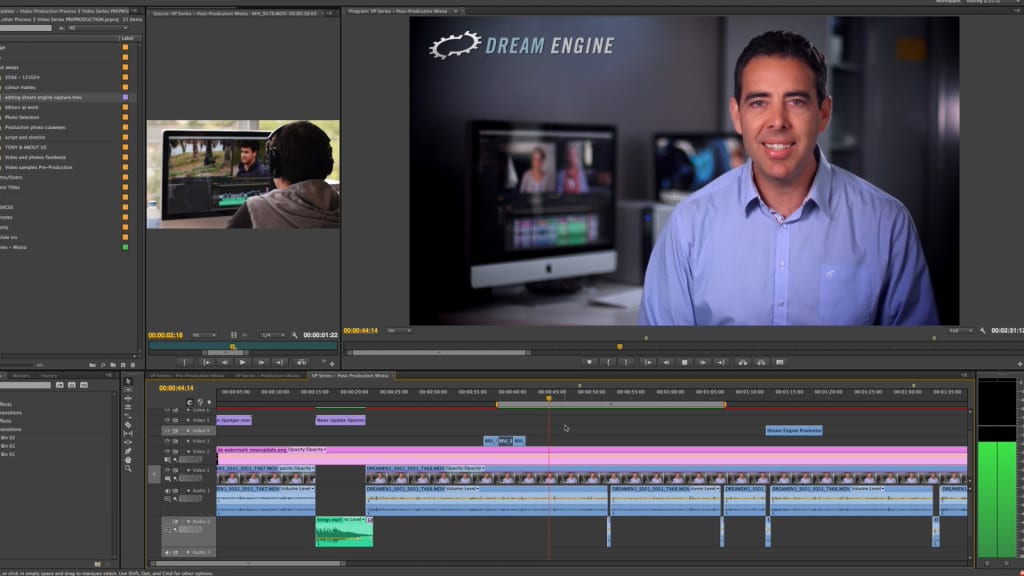
Post-production shapes the footage into the finished video. It can include editing, music selection, sound mixing, colour grading, titles, captions, animation, graphics, review rounds and delivery in different formats.
A Melbourne consideration
Melbourne Factors That Can Affect the Quote
Most ordinary workplace shoots across metropolitan Melbourne are straightforward to plan. Costs can increase when a location involves difficult access, limited parking, building inductions, restricted loading times or lengthy movement between sites.
Filming in public spaces may require permission, insurance documentation or a council permit. CBD locations can also take longer to access and set up than a suburban office or controlled workplace. Travel outside metropolitan Melbourne may add crew travel time, mileage or accommodation.
These factors do not automatically make a project expensive. They simply need to be identified before the quote is prepared.
Compare like with like
How to Compare Video Production Quotes
Two quotes can show a similar total while including very different amounts of planning, filming and editing. Before comparing price, check that the quotes cover the same work.
PlanningDoes the quote include briefing, scripting, interview preparation and production management?
Filming timeIs it based on a half day, full day, multiple days or a set number of hours?
CrewWho will attend the shoot and what roles will they perform?
EquipmentAre cameras, lighting, audio, teleprompter or specialist equipment included?
DeliverablesHow many finished videos, cutdowns and formats are included?
EditingAre captions, graphics, colour grading, sound mixing and review rounds included?
Project managementWho is responsible for scheduling, communication and guiding the project through approval?
A lower quote may be right for a simple job. Check whether planning, crew time, editing, project management or review rounds have been left out and could be charged later. Compare each production company’s completed work and case studies as well as its price.
Make the budget work harder
How to Get Better Value From Your Budget
- Clarify the purpose firstDecide what viewers should understand, feel or do after watching.
- Prepare the message before filmingClear interview themes or an approved script reduce wasted shoot and editing time.
- Plan several videos from one shootOne filming day may produce a main video, short social clips, website material and internal edits.
- Keep locations practicalFewer locations reduce travel, setup time and scheduling complexity.
- Plan for reuseUseful supporting footage can often serve several communication needs.
- Coordinate stakeholder feedbackOne consolidated response is usually more efficient than several conflicting review rounds.
Investment and impact
When It Makes Sense to Spend More
It may be worth investing more when a video will reach an important audience, support a major decision or remain in use for several years. Brand videos, recruitment campaigns, customer stories, training programs and product launches often need more planning than a short internal update.
Match the crew to the job
When Is a Single Camera Operator Enough?
A larger crew is not automatically better. The right choice depends on who is handling the planning, direction and coordination.
01
A camera operator may be enough when
- The brief, message and schedule are already settled
- Filming is at one practical location
- There are only a few contributors
- Your team is managing the questions, logistics and approvals
- The deliverable is a straightforward recording or edit
02
A producer-led crew is a better fit when
- The story, script or interview approach needs development
- Several contributors, locations or deliverables are involved
- The shoot needs detailed lighting, sound or logistics
- Live production or a tight schedule leaves little room for error
- Stakeholders need structured review and approval stages
If the brief and production plan are already in place, see our Melbourne camera operator service. If you need the project managed from brief to delivery, see our video production process.
Before requesting a quote
Questions to Answer Before Requesting a Quote
You do not need a complete brief before contacting a production company. Answers to these questions will make the first estimate much more useful.
-
01
What is the main purpose of the video?
-
02
Who needs to watch it?
-
03
Where will it be used?
-
04
How many finished videos or versions are required?
-
05
Who needs to appear on camera?
-
06
Where will filming take place?
-
07
Are scripting, graphics, animation or voiceover required?
-
08
Are there examples that show the preferred style?
-
09
When must the video be completed?
-
10
Who will consolidate and approve feedback?
Practical answers
Video Production Cost FAQs
How much does a corporate video cost in Melbourne?
A corporate video in Melbourne will often cost between $4,000 and $8,000 excluding GST. A straightforward production may cost less, while additional locations, filming days, graphics or deliverables can increase the budget.
Do Melbourne locations increase video production costs?
Not necessarily. A normal workplace shoot within metropolitan Melbourne is usually straightforward. Restricted access, CBD parking, public-location permits, building inductions or travel outside metropolitan Melbourne may add time or cost.
Why are video production quotes so different?
Different companies may include different levels of planning, crew, equipment, editing, project management and revision time. Compare the assumptions and deliverables, not only the final total.
Can one filming day produce multiple videos?
Yes. With good planning, one day can often produce a main video, shorter social clips, internal edits, website content and other cutdowns from the same footage.
Is animation more expensive than live-action video?
Not always. Animation becomes more expensive when it requires detailed scripting, custom illustration, character animation, complex motion graphics or many rounds of changes. A simple animated explainer can sit within a similar range to many filmed business videos.
How long does it take to produce a business video?
A straightforward business video may be completed within a few weeks. Larger projects take longer when they involve scripting, complex filming schedules, animation or several stakeholder approval stages.