When someone is close to making a decision, they are no longer looking for promises.
They want reassurance. Proof that people like them have worked with you and had a good experience. Proof that you can deliver what you say you do.
Social proof videos provide that reassurance more effectively than almost any other type of website content.
In the video above, I’m joined by Greg Merrilees from Studio 1 Design to talk through how social proof videos work, why they influence buying decisions, and how they support conversion on business websites.
This is the fourth and final video in our series on working with a web video company in Melbourne.
What is a social proof video?
A social proof video allows someone else to explain the value of your product or service on your behalf.
Instead of telling prospective clients how capable you are, you show real people describing their experience and the outcome they achieved. This is inherently more credible than self-promotion.
From our experience, social proof videos consistently outperform claims-based content when it comes to building trust.
The two main types of social proof videos
Social proof videos generally fall into two categories.
Testimonial videos are short endorsements where a client speaks directly to the camera about their experience. They typically cover what the situation was like before working with you, what the experience was like, and what changed as a result.
Case study videos go deeper. They document a specific project or engagement in more detail, explaining the challenge, the approach taken, and the outcome achieved.
Why case study videos are particularly effective
Case study videos are especially powerful for service-based businesses.
They show prospective clients not just what you deliver, but how you work. This helps reduce uncertainty by making the process visible.
When a prospect sees a case study featuring a business similar to their own, they can picture themselves in the same situation. That familiarity often makes the decision to enquire feel safer and more considered.
Where social proof videos work best on a website
Testimonial videos are flexible and can be used across multiple pages, including homepages, service pages, and landing pages.
Case study videos usually perform best on dedicated case study pages. These pages give interested prospects the space to explore the detail without competing distractions.
In many cases, a testimonial video can help attract attention, while a case study video helps confirm the decision.
The impact of social proof videos on conversion
From a web and user behaviour perspective, social proof videos play a major role in conversion.
A well-made case study video can answer many of the questions a prospect is already asking internally. Is this business experienced? Do they work with clients like me? Will they understand my situation?
Although case study videos require more planning and effort, their value often compounds over time. A small number of strong case studies can continue supporting enquiries and sales for years.
Choosing the right clients to feature
You do not need to feature every client you have worked with.
The most effective approach is to select a small number of projects that reflect the type of work and clients you want more of.
Focusing on these stories creates clarity. It attracts better-fit enquiries and sets clearer expectations from the outset.
Final thoughts on social proof video
Social proof videos are still underused, despite being one of the strongest trust-building tools available.
Many businesses hesitate to put themselves or their clients on camera. In practice, those who do often find that social proof video shortens decision cycles and improves the quality of enquiries.
If you are considering testimonial or case study videos and want them to genuinely support your website and sales process, we can help you plan and produce them.
Rather than starting with a quote, we usually begin with a conversation about your audience, your services, and the type of enquiries you want to generate.
Get in touch and we can talk it through.
Social Proof Videos – Frequently Asked Questions
What is a social proof video?
A social proof video is a video where a client or third party explains their experience working with a business. It builds trust by showing real outcomes rather than relying on claims made by the business itself.
What is the difference between a testimonial and a case study video?
A testimonial video is usually a short endorsement focused on the client’s experience. A case study video goes deeper, explaining the challenge, the approach, and the result in more detail.
Where should social proof videos be placed on a website?
Testimonial videos often work well on homepages and service pages. Case study videos are usually most effective on dedicated case study pages where prospects can explore the detail without distraction.
Do social proof videos improve website conversion?
Yes. Social proof videos reduce uncertainty and build credibility, which helps visitors feel more confident about making an enquiry or taking the next step.
How many case study videos should a business have?
Most businesses get strong results from a small number of well-chosen case studies. Three to five case study videos featuring your best-fit clients is often enough to support sales effectively.
How long should testimonial and case study videos be?
Testimonial videos often work best between sixty seconds and two minutes. Case study videos are usually longer, typically two to five minutes, depending on the level of detail required.
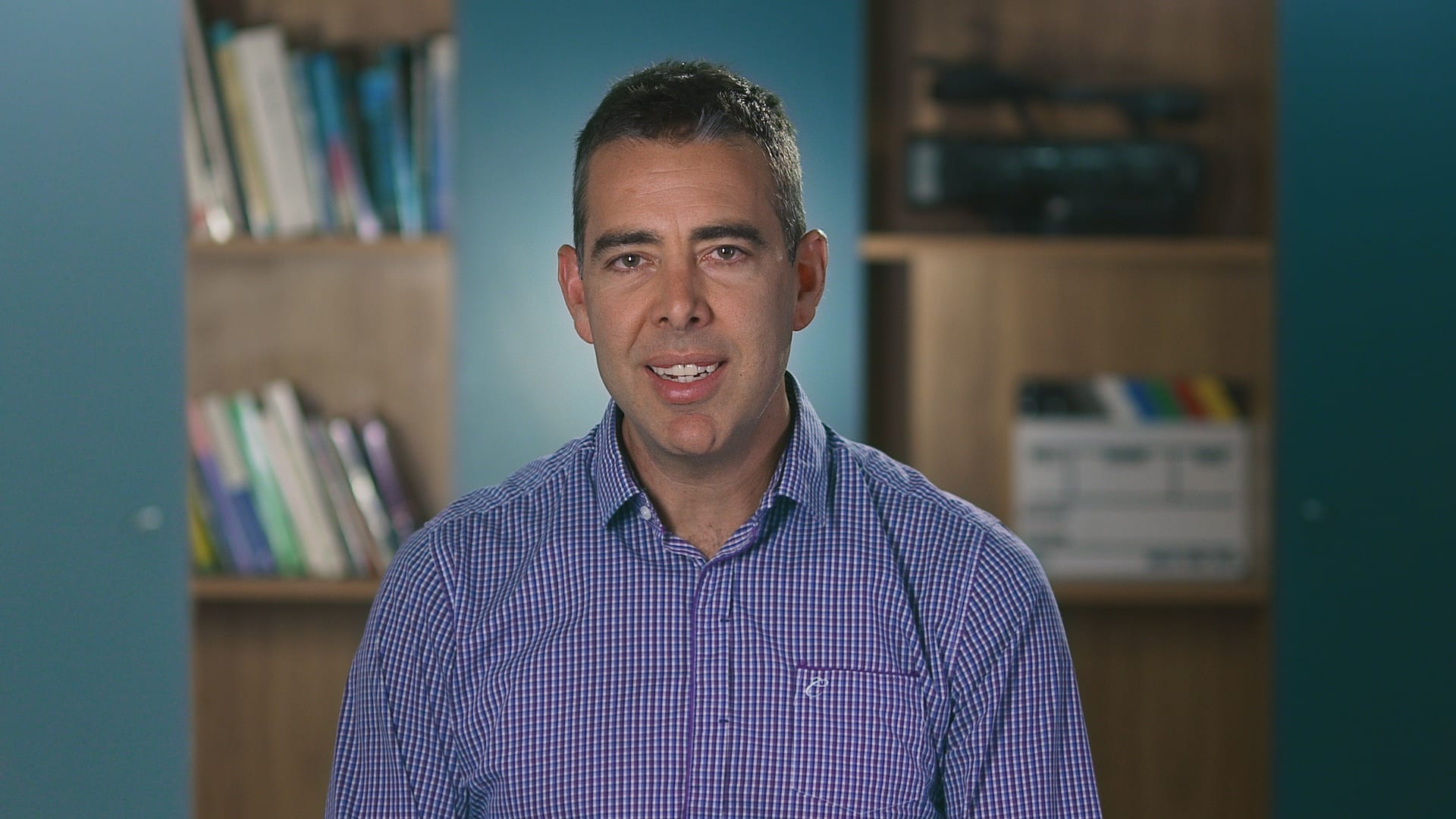
Ryan Spanger is the founder and managing director of Dream Engine, a Melbourne-based video production company established in 2002. With more than two decades of experience, Ryan has helped leading Australian businesses, government departments, and non-profits communicate their message with clarity and impact through video. He’s known for his strategic approach, reliable process, and commitment to producing videos that deliver measurable results.