In this guide
How Animated Videos Strengthen Your Staff Induction Process
Animated videos can give organisations a consistent way to explain workplace expectations during the staff induction experience. They help new employees understand your culture, values, and processes from day one, and they make complex information easier to follow.
A clear, well-designed induction helps a new employee get started. It saves time for HR teams and creates a more confident start for new staff. Animated videos allow you to present this information in short sections that staff can revisit.

Why Animation Works for Induction
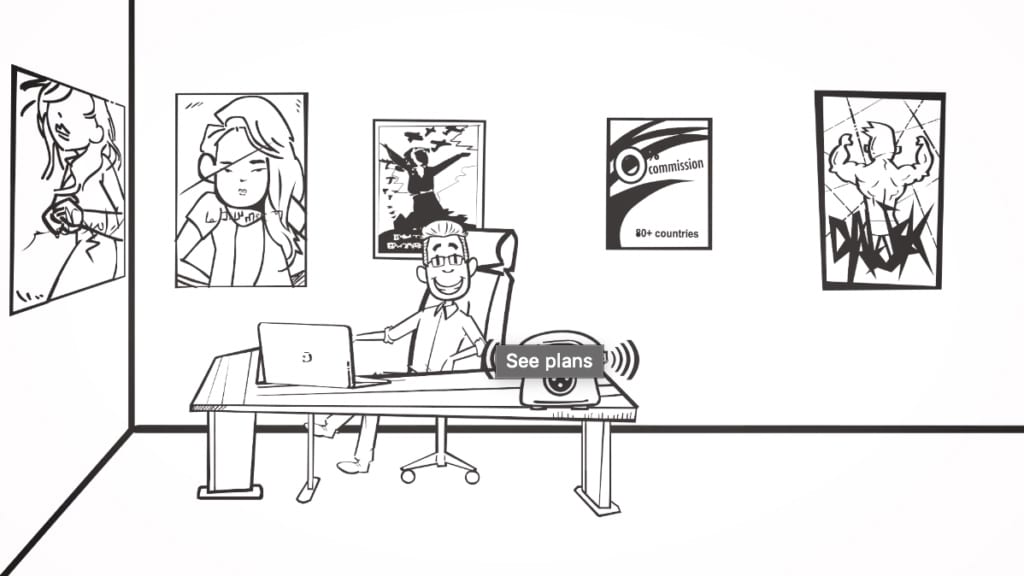
Animation lets you choose what appears on screen. You can show a process one step at a time, leave out irrelevant detail and pause on actions that need explanation.
For organisations with specialised procedures or sensitive environments such as healthcare, laboratories, manufacturing, or government departments, animation is especially helpful. It lets you illustrate a procedure without filming in the workplace. The script and artwork still need review so that processes are accurate and confidential details are not included in the finished video.
For Jemena, we created the animated induction video below to explain its code of conduct. Illustration let us show situations staff might encounter without filming in real workplaces. The video gives new employees the same explanation and supports live induction sessions.
Animated Introduction to Your Organisation
A short animated introduction helps new staff quickly understand what your organisation does and how it operates. This includes your history, mission, values, and the people you serve. A clear overview at the start helps new employees feel connected and confident as they begin their role.
Explaining Processes and Procedures
Training teams often need to explain complex or time-consuming procedures in person. Animation gives you a clear and consistent way to cover topics such as:
- How to use internal systems and software
- Safety protocols and risk reporting
- Operational workflows
- Customer interaction guidelines
Breaking a process into clear steps gives new staff a consistent explanation they can revisit. Pair the video with opportunities to ask questions, practise relevant tasks and check understanding. The video supports induction; it does not show by itself that someone can perform the work.
Demonstrating Company Culture
Animation lets you tell simple, memorable stories that show how your values play out in daily work. You can illustrate expected behaviours, communication styles, team interactions, and examples of how decisions are made. This helps new staff understand the culture rather than just reading about it in a handbook.
Orientation to the Workplace
An animated tour can introduce staff to the physical or digital layout of your organisation. It can be useful across multiple sites or where security rules limit filming. You can show:
- Facilities and amenities
- Department locations
- Access procedures
- Security guidelines
This prepares new employees for their first day and reduces confusion during the early weeks.

Introducing Onboarding Resources
An induction video can also help new staff understand the support available to them. This might include training programs, online portals, wellbeing support, or who to contact for help. Animation makes it easy to present this information in a simple and organised way.
The Benefits for HR and Training Teams
- Consistent communication with every new hire
- Less time spent repeating the same information
- A reviewed reference for explaining procedures and answering common questions
- A more confident and prepared workforce
- Scalable onboarding for growing organisations
Why Organisations in Melbourne Choose Dream Engine
At Dream Engine, we create animations that are clear, accurate, and designed to make onboarding easier for both staff and HR teams. Our clients include healthcare organisations, education providers, government departments, and corporate teams that need reliable and effective training content.
We work with you to develop scripts, visual concepts, and storyboards that reflect your processes and culture. Every animation is customised to the needs of your team and the environment in which your staff work.
You can learn more about our animation process here.
Get Started
Start by deciding what new staff need to know before they begin work and which details can be provided elsewhere. If the video will be used across several locations, identify any site-specific information that needs a separate version. Plan for updates from the start: a wording change may need a new voiceover recording, and a redesigned process may need new scenes. Nominate someone to keep the published version current.
To learn more about how animation can support onboarding and staff training, visit our Animation Video Melbourne page.
For a related planning guide, see using animation for staff training.
Plan the details
Staff induction animation: frequently asked questions
Answers to common planning questions.
What can animation cover in a staff induction?
Animation can explain workplace expectations, values, processes, systems, safety procedures and available support. Use short sections staff can revisit, and separate any information that differs between locations.
Who should review the induction script and artwork?
Ask the people responsible for each process to check the script, storyboard and artwork for accuracy. Review sensitive or confidential details before production and nominate someone to keep the published version current.
Does an induction video replace practical training?
The video supports induction by giving staff a consistent explanation. Pair it with opportunities to ask questions, practise relevant tasks and check understanding. Watching a video does not by itself show that someone can perform the work.
How should we plan future updates?
Identify site-specific versions and who will maintain them before production. A wording change may require a new voiceover recording, while a changed process may require new scenes. Keep the approved source material available for later updates.
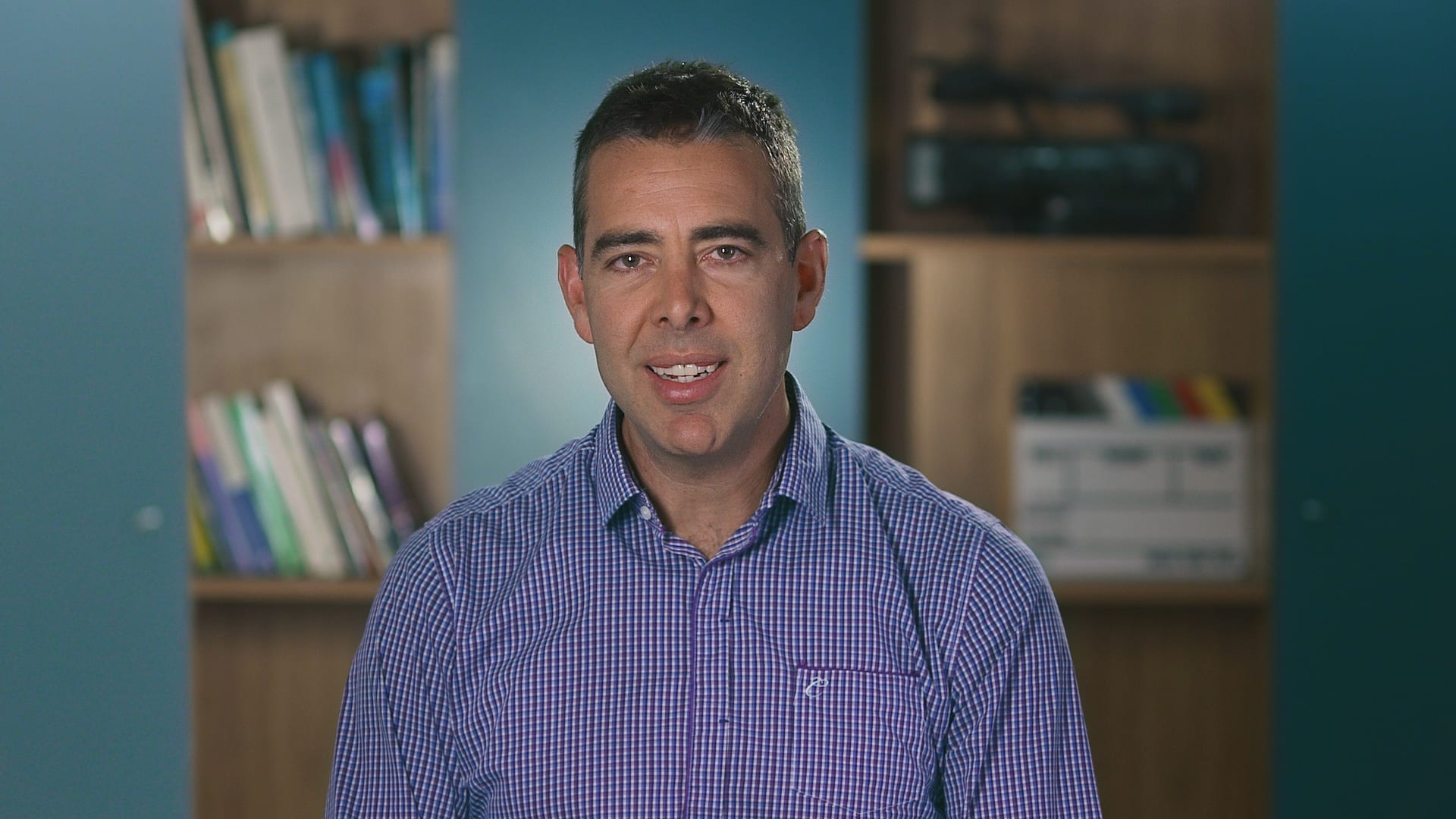
Ryan Spanger is the founder and managing director of Dream Engine, a Melbourne video production company established in 2002. Over the past two decades, he’s produced hundreds of videos for businesses, government departments, universities and healthcare organisations across Australia. Ryan specialises in helping organisations explain complex ideas through clear, engaging video content, with particular experience in corporate communications, training and education.