For marketing and communications teams, video is no longer optional. It’s one of the most effective ways to keep people informed, aligned, and engaged across customers, staff, and stakeholders.
What has changed is how organisations operate. Teams are distributed. Schedules are tight. Budgets are scrutinised. That means video production needs to work within real business constraints, not ideal conditions.
Traditional on-site filming still has an important role. But it’s no longer the only way, or always the most practical way, to create clear, effective video.
In the video above, we walk through seven practical ways organisations can use video without relying solely on traditional filming, and how to choose the right approach for each situation.
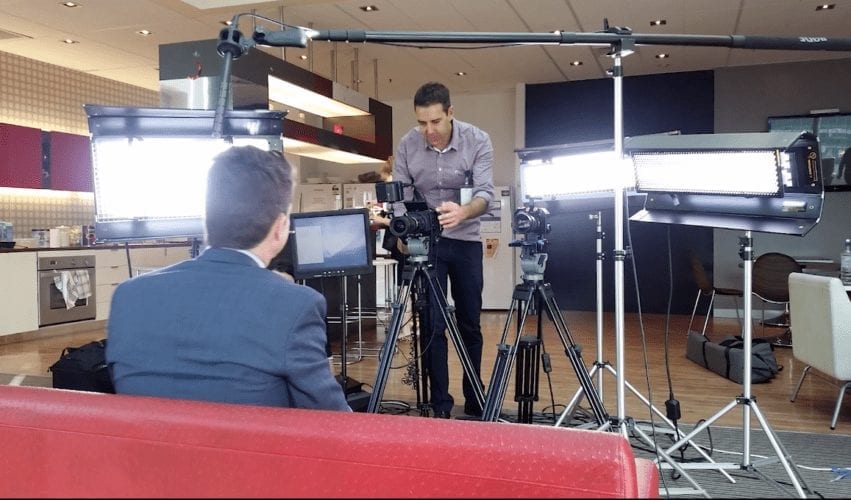
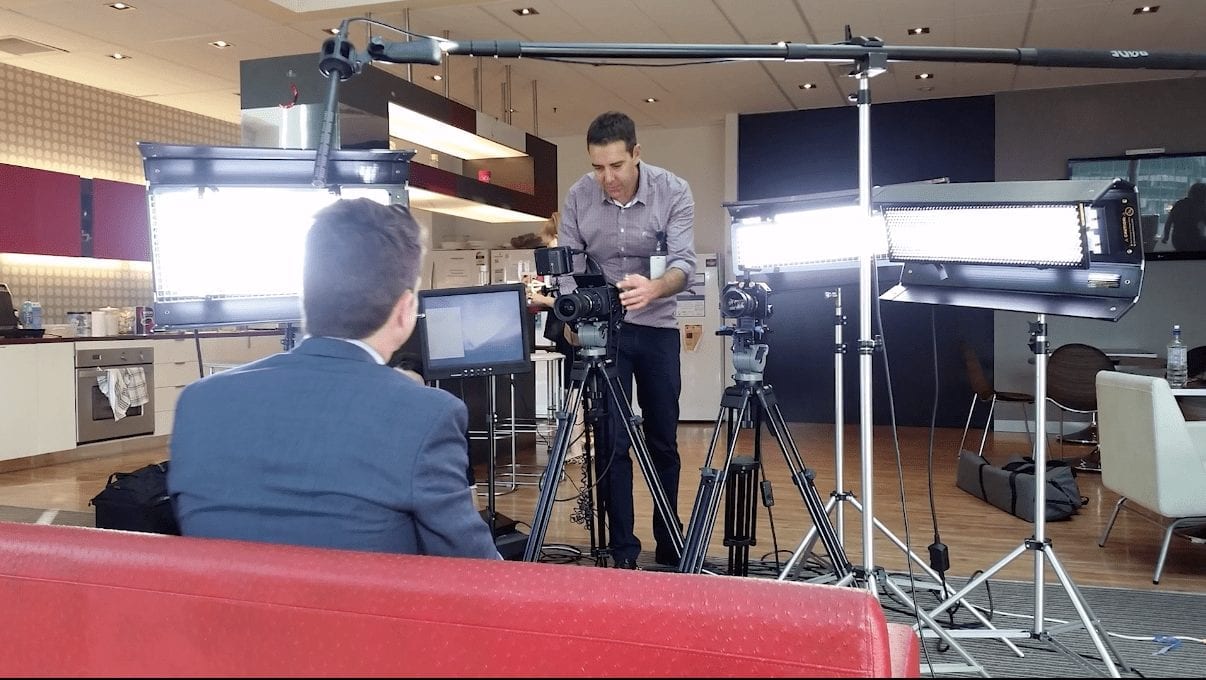
On-site filming, when it makes sense
Professional on-site filming remains a strong option for many projects.
When confidence on camera matters, when brand perception is critical, or when the message needs authority and polish, having an experienced crew on site is often the most effective approach.
Our camera operators work with small, efficient crews and plan shoots carefully, which makes freelance operators ideal for projects that need to be captured quickly on site without unnecessary disruption, while still maintaining production quality.
Leadership messages, major announcements, and key brand videos often benefit most from this focused approach.
Remote video production
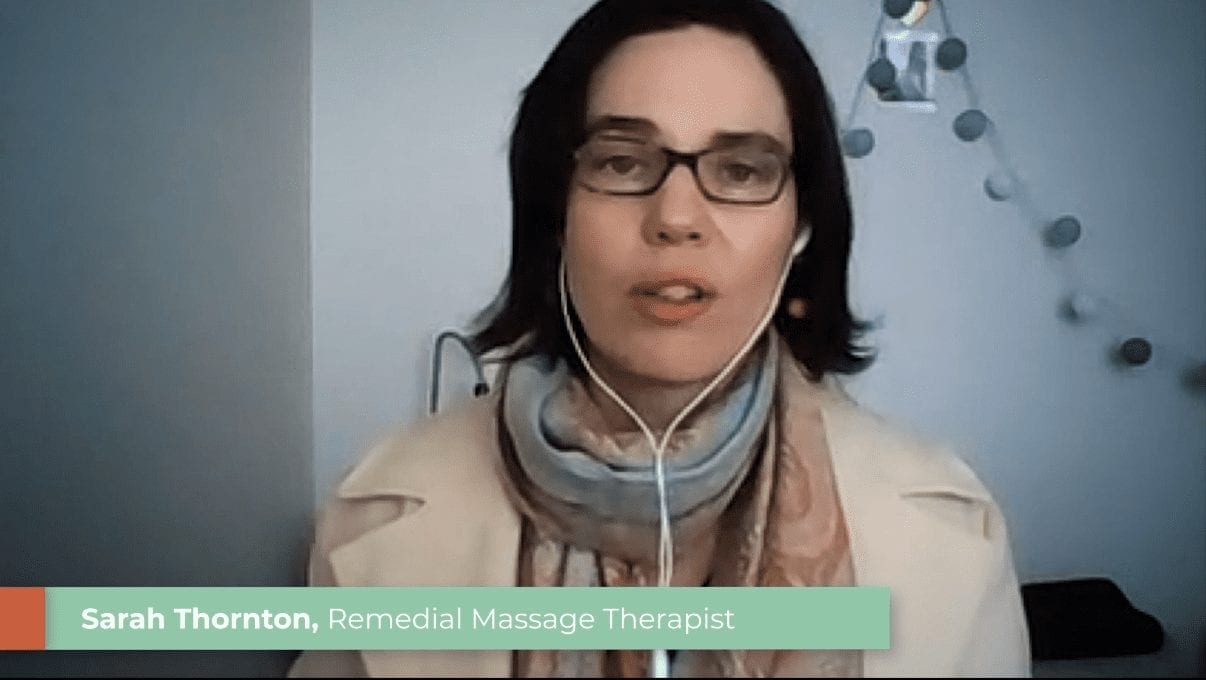
Remote video production has become a standard option for many organisations.
Using platforms such as Zoom or Teams, we direct filming in real time and help improve framing, lighting, audio, and delivery. The footage is then professionally edited by our team.
This approach works particularly well for internal communications, thought leadership, training videos, and regular updates, without the need to bring a crew on site.
Repurposing existing content
Many organisations already have a valuable library of video content.
Interviews, presentations, and event footage can often be repurposed into short social clips, internal updates, website videos, or thought leadership content.
This is one of the most efficient ways to increase output without increasing filming time or production overhead.
Live streaming and hybrid events
Live streaming is now a normal part of corporate communication.
From town halls and briefings to launches and hybrid events, Melbourne live streaming services enable organisations to reach dispersed audiences while maintaining control, reliability, and production standards.
Animation and motion graphics
When filming is not the right fit, animation and motion graphics are a strong alternative.
Animated content is particularly effective for explaining systems, processes, and complex ideas, and can be produced entirely without anyone needing to be on camera.
Product videos without on-site filming
Product videos can often be produced without visiting your location.
Planning takes place remotely, and products can be sent to our studio for filming. This approach works well for demonstrations, launches, and evergreen website content.
Supporting in-house teams
Many organisations are now producing video internally.
We provide consulting and practical support to help improve camera setup, lighting, audio, and on-screen delivery. Whether we are producing the video or supporting your internal team, the aim is the same.
Make the process simpler, and make the results more effective.
These approaches are not compromises. They are practical, modern ways to communicate clearly through video.
If you want help choosing the right approach for your organisation, get in touch, and we can talk it through.
Video Without Traditional Filming – Frequently Asked Questions
Do we always need an on-site crew to make professional video?
No. On-site filming is useful for some projects, but many videos can be created through remote direction, repurposing existing footage, animation, or studio-based product filming. The best approach depends on your message, audience, timeline, and practical constraints.
What types of videos work well with remote video production?
Remote production works well for internal updates, executive messages, training content, thought leadership, and regular communications. We direct the recording live, help improve lighting, framing and audio, then edit and polish the video professionally.
How do you keep remote recordings looking and sounding professional?
We guide the presenter in real time on camera position, eye line, background, lighting and audio. We then handle editing, sound cleanup, music, captions (if required), and finishing so the final result feels professional and on-brand.
Can you create new videos using footage we already have?
Yes. Existing interviews, event recordings, webinars and presentations can often be edited into shorter social clips, internal videos, website videos, or a structured content series. This is a fast way to increase output without scheduling new filming.
When is animation a better option than filming?
Animation is often a better fit when you need to explain systems, processes, or complex ideas, when filming is impractical, or when you want consistency over time. It can also reduce reliance on talent, locations, or schedules.
Can you produce product videos without coming to our site?
Often, yes. We can plan remotely, then film products in our studio once they are shipped to us. This works well for demonstrations, launches, explainers, and evergreen website content.
Do you help teams who are producing video internally?
Yes. We can advise on setup, lighting, audio, camera placement, and delivery, and support your team with editing or finishing as needed. The aim is a simpler process and stronger results, whether we film it or you do.
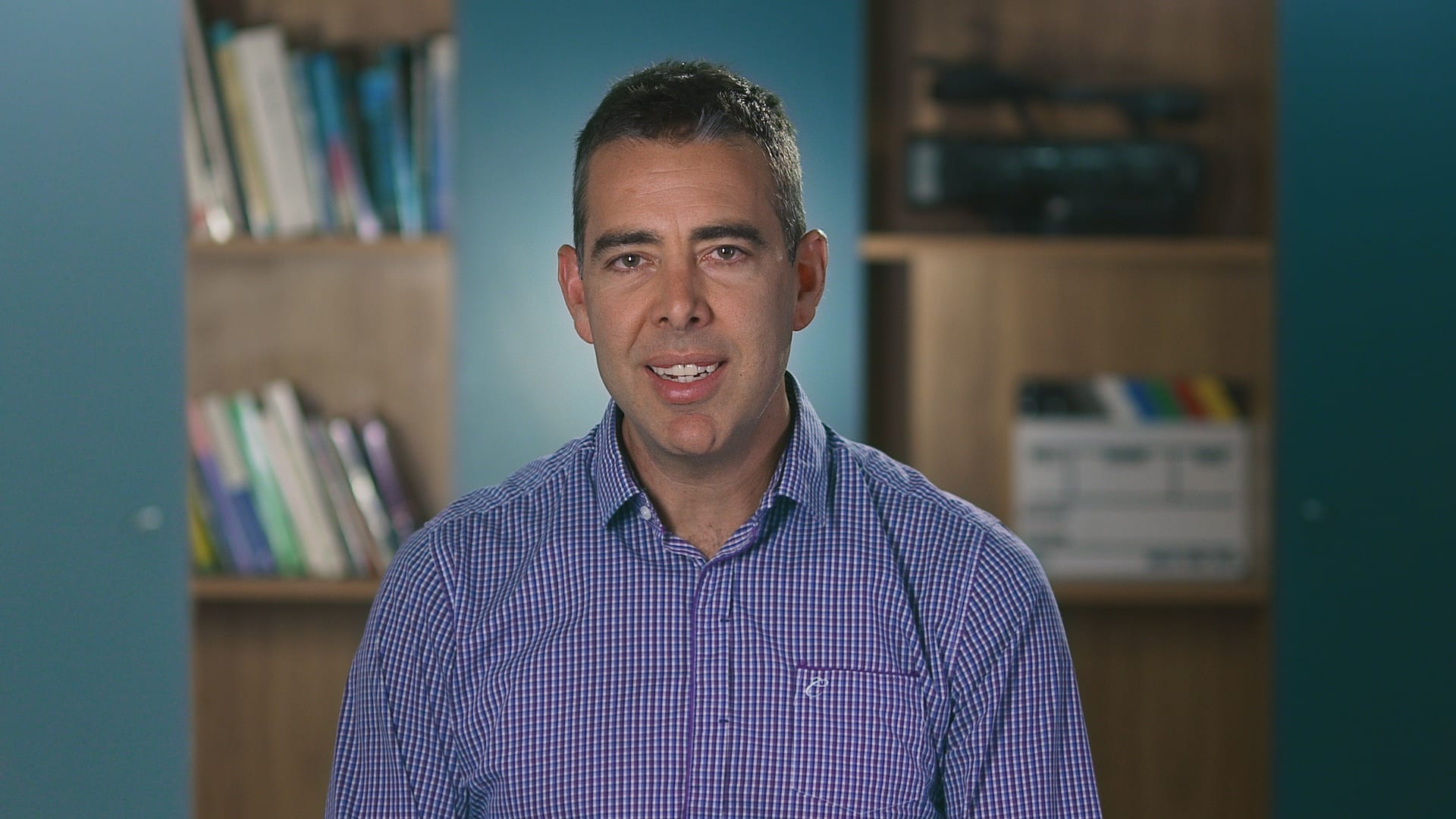
Ryan Spanger is the founder and managing director of Dream Engine, a Melbourne video production company established in 2002. Over the past two decades, he’s produced hundreds of videos for businesses, government departments, universities and healthcare organisations across Australia. Ryan specialises in helping organisations explain complex ideas through clear, engaging video content, with particular experience in corporate communications, training and education.