Is your business looking to create a corporate video? Start by agreeing on the audience, the message and where the video will be used. Those decisions will guide the script, filming and edit.
Dream Engine has been producing corporate and marketing videos since 2002. Below are the key principles to keep in mind when planning your next corporate video.
1. What Do You Want, and Why?
The first step in creating an effective corporate video is being clear on why you’re making it. That might be to explain a service, introduce your organisation, support a campaign, or build trust with a specific audience.
What message do you want your corporate video to convey?
You should be able to describe your core message in one or two sentences. Whatever that message is, you want viewers to walk away with a clear understanding of it.
This message should guide every decision you make as the video develops, from scripting to visuals to editing. Keeping it front of mind helps avoid unnecessary complexity and keeps the video focused.
Focus on the benefits for your customer
Explain how the product or service helps the customer. Connect features to a practical use or outcome. Show the details your audience needs to assess whether the offer suits them.
Keep it short and clear
Attention is limited. If a video takes too long to get to the point, people drop off.
A strong corporate video is clear, engaging, and gets to the message quickly. If it works in 60 to 90 seconds, keep it there. If it needs more time, make sure the pacing earns it.
Speak your audience’s language
Avoid internal jargon and buzzwords. Use plain language that your audience would use themselves. Clear language helps people feel that you understand them and their situation.
2. Make a Plan (Pre-production)
Start pre-production with a brief for your corporate video. Agree on the audience, message, required versions, budget and deadline before developing the script or booking the shoot.
Script
The script sets the video’s tone, structure and purpose. Plan interview questions, voice-over, and key talking points. Decide what you want the audience to feel and understand, and reflect that in the script.

Location
Choosing the right location can significantly improve the final result. Consider:
- Noise: Is the space quiet enough for clean audio? Is there echo or background noise?
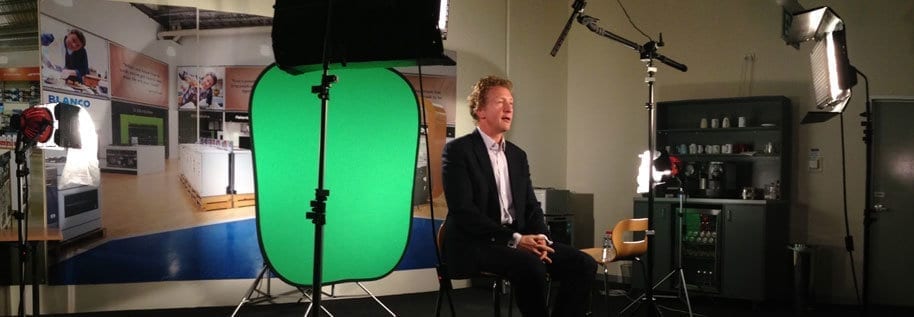
- Lighting: Does the space have good natural light? What time of day works best?
- Access: Are approvals, inductions, or bookings required?
Set design
The location should support the subject. For example, filming a medical professional in a clinical setting reinforces credibility. Use props, colours, and backgrounds that feel relevant and intentional.

Presenting
Being on camera is uncomfortable for many people. If you’re not using a professional presenter, plan ways to help your subject feel at ease. A director for your corporate video can guide the delivery, rehearse difficult sections and help your presenter settle into filming. Learn how to help presenters feel more comfortable on camera.
Interviews
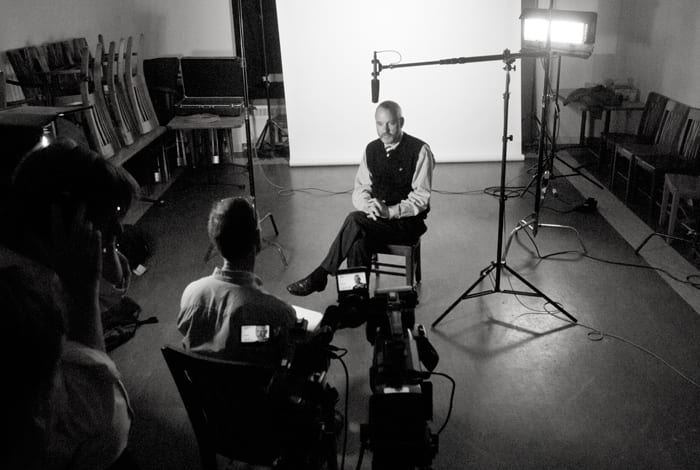
Lock interviews in early. Give interviewees time to prepare and share questions in advance. This leads to clearer answers and more confident delivery.
B-roll
B-roll shows your organisation in action. Office activity, interactions, and environmental shots add context and polish. Plan these shots deliberately rather than leaving them to the end of the day.
3. Tell a Story
Give the video a clear sequence. Even a short video benefits from structure and progression.
Narrative
Breaking a video into clear themes helps make it easier to follow. For example, a case study might include:
- Introduction to the organisation
- The problem it faced
- The challenge of solving it
- The solution
- The outcome
- Conclusion and next steps
Creating tone
Your tone should match the intent of the video, whether that’s to inform, reassure, or motivate. Consistent tone improves engagement and helps the message land.
4. Production Value
While equipment has become more accessible, professionalism still comes from experience and attention to detail.
Camera
Framing and lens choice affect how people perceive the subject. Wide shots establish context. Tighter shots create connection. Thoughtful framing helps the audience feel comfortable and engaged.
Lighting
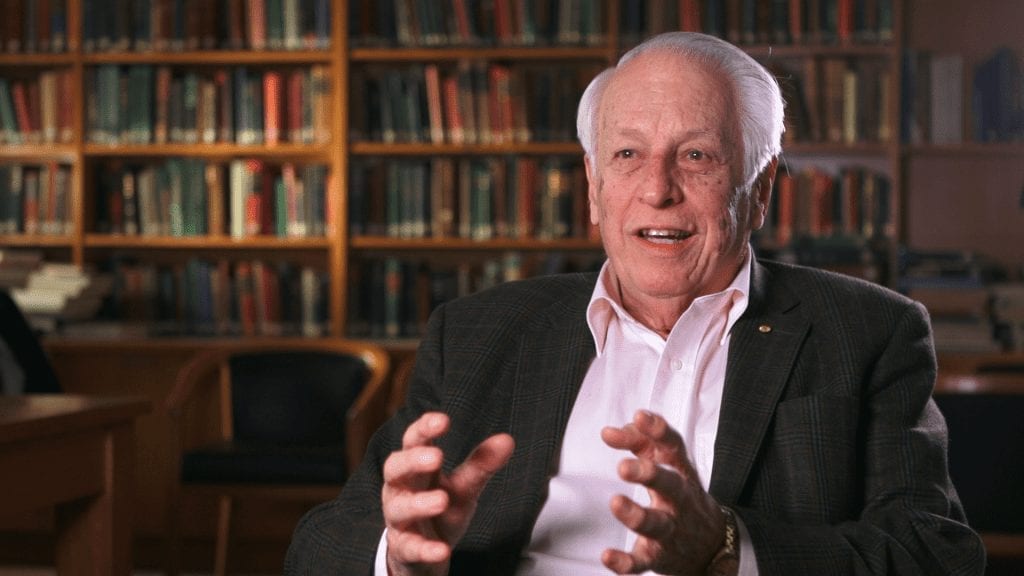
Lighting should feel natural and consistent. It needs to support the mood of the video and keep attention on the subject.
Sound
Audio quality is critical. Poor sound quickly undermines credibility. Use proper microphones and plan around environmental noise during pre-production.

5. Call to Action
A good corporate video ends with clarity. Tell viewers what to do next, whether that’s visiting a website, getting in touch, or learning more.
6. Branding
Consistent branding helps reinforce recognition. This includes graphics, colours, logos, and visual style. Subtle, well-placed branding is often more effective than heavy repetition.

7. Music
Music shapes emotion and pace. Choose tracks that support the message and tone of your video. Platforms like Artlist offer music licences, but the permitted use depends on the plan and terms. Check coverage for your organisation, client work and intended distribution before choosing a track.
8. Get Your Corporate Video Out There
Once your video is finished, make sure it’s seen.
Choose hosting and distribution around the audience. YouTube can provide a public channel; a host such as Vimeo offers website player options that vary by plan. Native social uploads let people watch within the feed, while a link may suit a post intended to bring viewers to a detailed page.
Prepare the aspect ratio, captions and opening for each social channel, and check its current upload requirements. For internal communications, consider hosting videos on your intranet, in Teams, or on learning platforms.

Repurpose your content
Repurposing video extends its value. Long-form videos can be broken into shorter clips for social, internal updates, or follow-up communications. This approach helps keep your message consistent and visible over time.
9. Need Help Making a Corporate Video?
Producing a strong corporate video is a structured process. Clear intent, good planning, and professional execution make a significant difference.
If you’re planning a corporate video and want a production team that understands business communication, we’d be happy to help. Dream Engine has produced corporate videos for organisations including IBM, The Good Guys, Suncorp, government departments, universities and industry associations across Australia. Learn more about our Corporate Video Production Services or contact us to discuss your project.
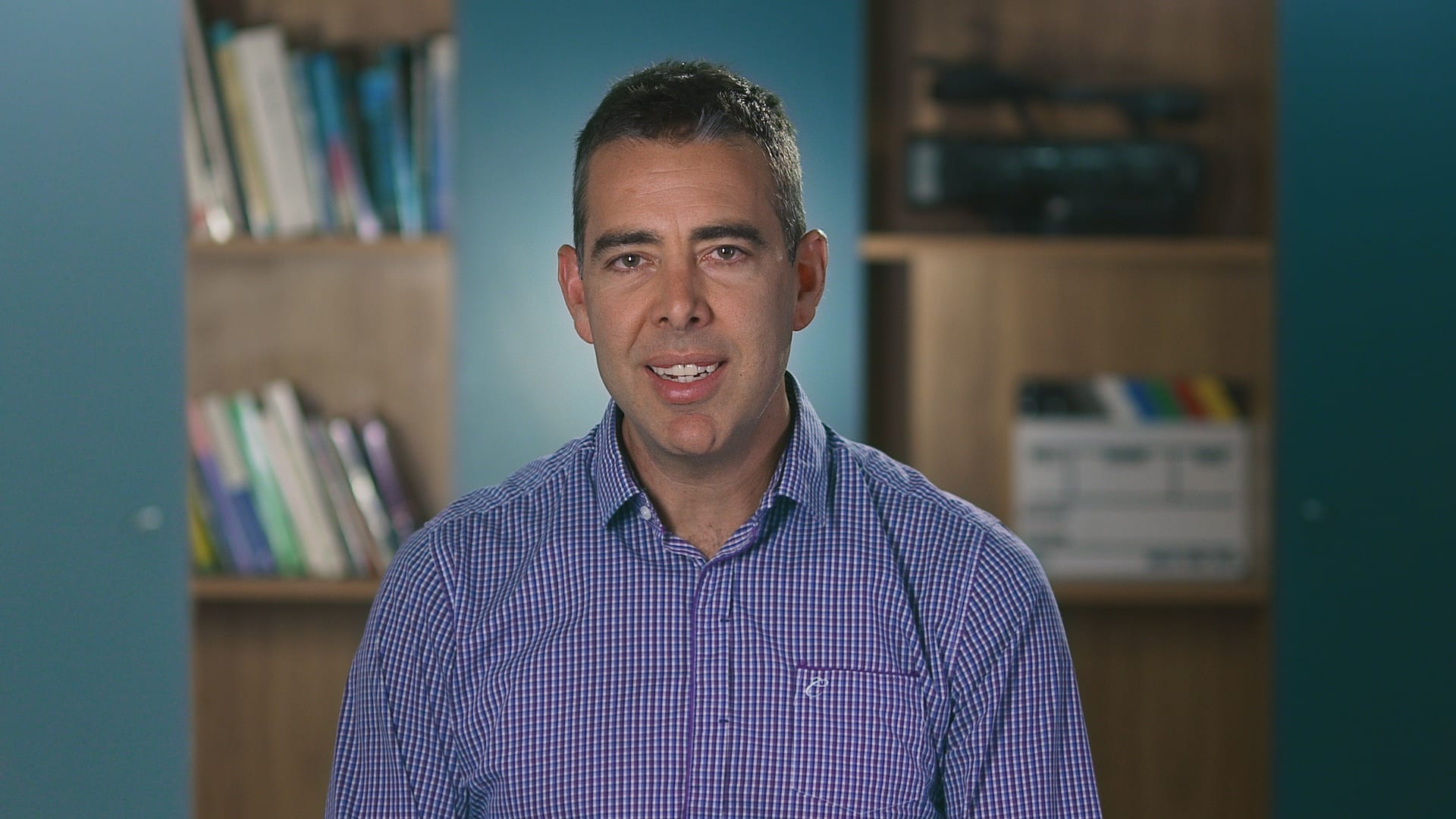
Ryan Spanger is the founder and managing director of Dream Engine, a Melbourne video production company established in 2002. Over the past two decades, he’s produced hundreds of videos for businesses, government departments, universities and healthcare organisations across Australia. Ryan specialises in helping organisations explain complex ideas through clear, engaging video content, with particular experience in corporate communications, training and education.