International Women’s Day is one of the most widely recognised workplace campaigns each year. Across corporate organisations, universities, government departments and industry associations, the day is often used to recognise the contribution of women, highlight progress, and encourage discussion about representation and opportunity.
Video has become one of the most effective ways to communicate these stories.
A well-produced video allows people to hear directly from employees, see the environments they work in, and understand the real experiences behind an organisation’s diversity initiatives. These videos are typically shared internally, on LinkedIn, and across company websites during the week of International Women’s Day.
For marketing and communications teams, video provides a clear way to move beyond written statements and show the people behind the organisation.
What an International Women’s Day Video Typically Includes
International Women’s Day videos usually focus on people rather than promotion. The aim is to highlight real employees, their roles, and their perspectives on working in their industry.
Common elements include:
• Short interviews with female employees discussing their role and career path
• Workplace footage showing day-to-day environments and teams in action
• Stories about career development or opportunities within the organisation
• Reflections on challenges and progress within the industry
• Messages of encouragement for future generations entering the field
The tone of these videos is usually personal and conversational. Viewers should feel like they are hearing directly from the people involved rather than watching a scripted corporate message.
Why Organisations Use Video for International Women’s Day
Many organisations publish written statements for International Women’s Day, but video allows a much richer story to be shared.
When employees speak in their own words, audiences gain a clearer sense of the organisation’s culture and values.
For internal communications teams, these videos often serve several purposes.
First, they recognise the contribution of women across the organisation. Featuring employees from different departments, locations or seniority levels helps demonstrate the breadth of roles within the company.
Second, they support recruitment and employer branding. Prospective employees are often interested in hearing directly from people already working in the organisation.
Third, they contribute to industry conversations around representation and opportunity. In sectors such as manufacturing, construction, logistics and engineering, International Women’s Day campaigns are often used to highlight pathways for women entering traditionally male-dominated industries.
Examples of International Women’s Day Video Content
Different organisations approach International Women’s Day video production in different ways, depending on their audience and communication goals.
Employee Story Videos
These are one of the most common formats. A short interview allows employees to describe their role, what they enjoy about their work, and how they entered the industry.
These videos often run between one and three minutes and are shared on LinkedIn, internal platforms, and careers pages.
Campaign Series
Some organisations create a series of short videos featuring multiple employees.
Each video highlights a different person or team. This approach works well when organisations want to showcase diversity across departments, locations or job roles.
For example, a manufacturing association might produce a series showing women working in engineering, operations, management and apprenticeships.
Industry Awareness Videos
In some sectors, the goal is to encourage more women to enter the industry.
These videos explain the type of work involved and highlight career pathways. They often combine interviews with workplace footage to give viewers a clear picture of what the job looks like day-to-day.
A Practical Example
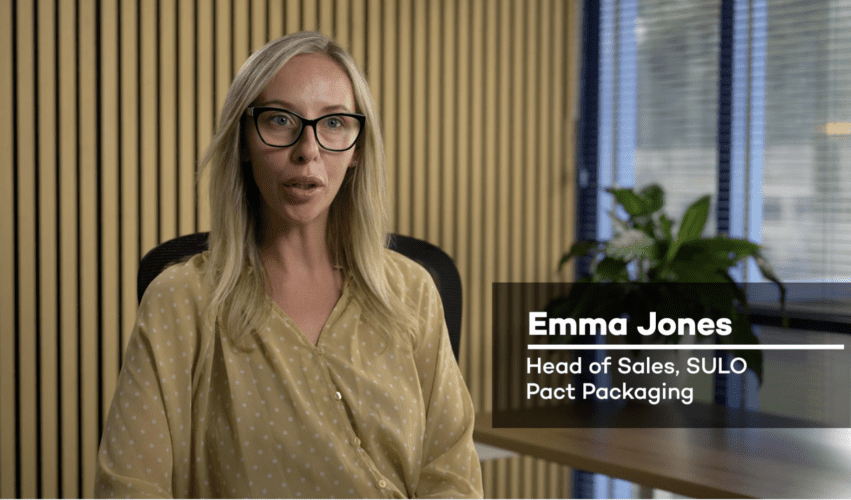
We recently produced a series of videos for PACT, filmed across Australia and New Zealand, called “Voices from the Factory Floor.”
The series featured women working in manufacturing roles and highlighted their experiences in the industry.
Filming took place at multiple manufacturing facilities. Each participant spoke about how they entered the field, the type of work they do, and why they enjoy working in the sector.
The finished videos were used on International Women’s Day to showcase opportunities for women in manufacturing and support ongoing industry outreach.
Planning an International Women’s Day Video
International Women’s Day takes place on March 8 each year, so planning usually begins several weeks in advance.
A typical process includes:
1. Identifying participants
Communications teams usually select employees whose stories represent different parts of the organisation.
2. Planning interview topics
Questions often focus on career pathways, workplace experiences, and advice for others entering the industry.
3. Filming interviews and workplace footage
Filming normally takes half a day to a full day, depending on how many participants are involved.
4. Editing short versions for social media
Short edits are often created alongside the main video so the content can be shared across LinkedIn and other platforms.
Starting early ensures the final video is ready for distribution during International Women’s Day week.
When Video Works Best for International Women’s Day
Video tends to work particularly well when organisations want to show genuine stories rather than present a formal corporate message.
It is most effective when:
• Employees speak in their own words rather than reading scripts
• Filming takes place in real working environments
• The focus stays on people rather than promotion
When these elements are present, the result is a video that feels authentic and engaging for both internal teams and external audiences.
International Women’s Day Video Production in Melbourne
As a Melbourne video production company, we regularly produce International Women’s Day videos for organisations across Melbourne and Australia, working with marketing and communications teams to capture employee stories in a natural and professional way.
We handle the entire process, including planning interviews, filming workplace footage, and editing versions suitable for social media and internal communications.
These videos help organisations recognise the contribution of their teams while creating content that can be shared widely during International Women’s Day.
If you’re planning content for next year’s campaign, get in touch.
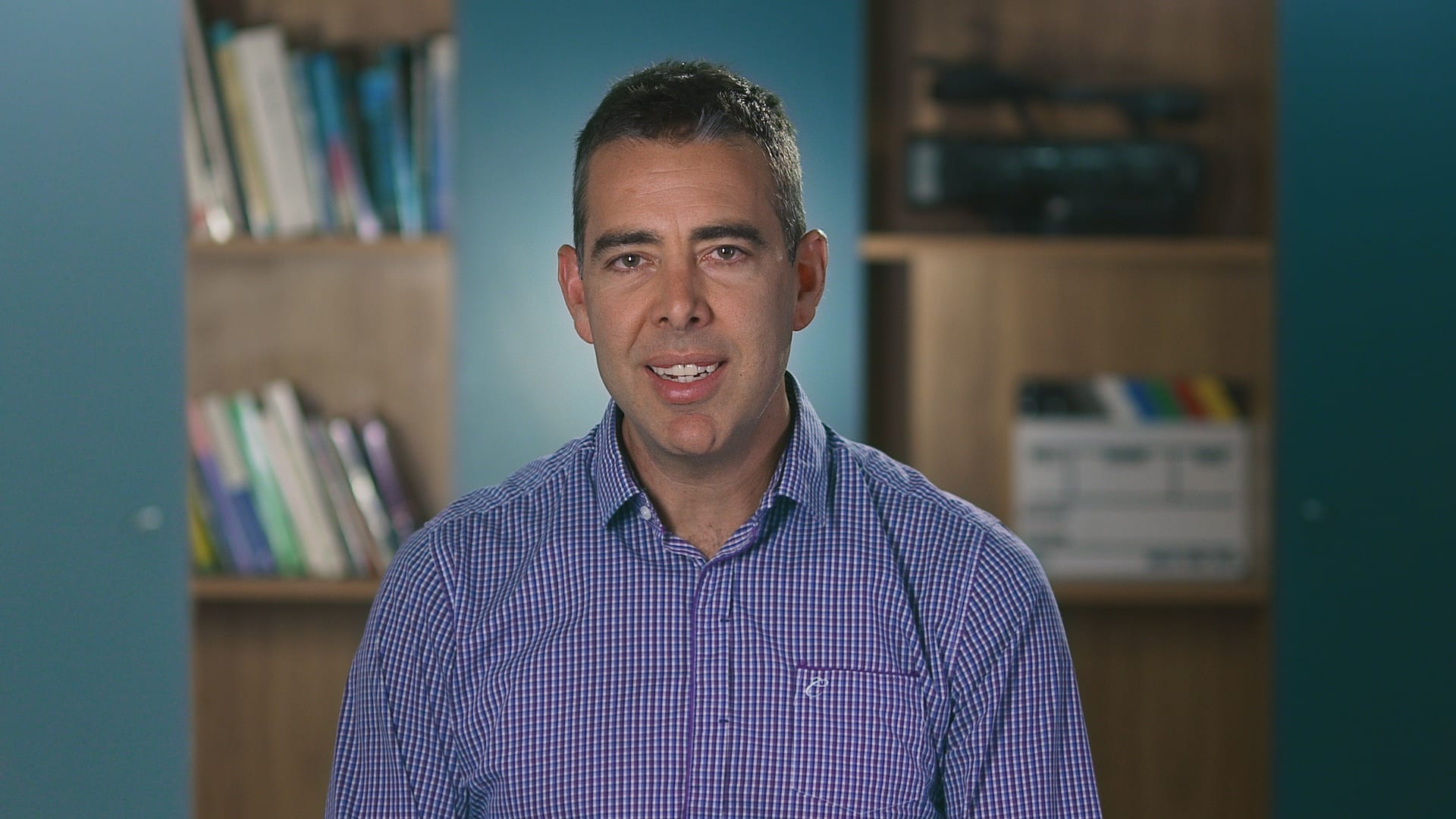
Ryan Spanger is the founder and managing director of Dream Engine, a Melbourne-based video production company established in 2002. With more than two decades of experience, Ryan has helped leading Australian businesses, government departments, and non-profits communicate their message with clarity and impact through video. He’s known for his strategic approach, reliable process, and commitment to producing videos that deliver measurable results.