If you work in marketing or internal communications, you are probably feeling the pressure from both sides.
Externally, there is an ongoing demand for short, engaging video content that performs on LinkedIn and other platforms. Internally, teams are struggling to get people to engage with long emails, intranet posts, or leadership updates. People are busy, distracted, and juggling too much information at once.
This is where content fatigue creeps in. Lots of activity. Lots of effort. Very little lasting impact.
One of the most effective ways organisations are addressing this is by changing how content is created in the first place. Instead of producing disconnected assets week by week, they are starting with a single piece of anchor content and building out from there.
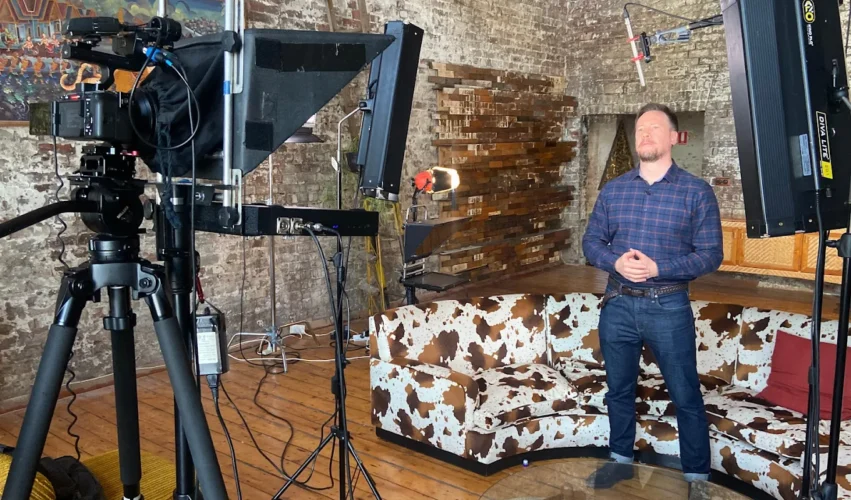
A professionally produced corporate live stream.
When planned properly, live video for internal communications and marketing is not just an event. It becomes a strategic asset that fuels a full month of content, across multiple channels, from one focused production.
Marketing ROI: Turning live video into leads
Live video gives marketing teams something increasingly rare. Real people, speaking in real time, addressing real questions.
That authenticity is difficult to replicate with scripted corporate videos, and audiences can tell the difference. A strong live stream creates material that can be repurposed without losing credibility or trust.
Short insight clips extracted from the live session work particularly well on LinkedIn. Thirty to ninety-second segments that capture a clear idea or a thoughtful response tend to outperform polished brand videos because they feel natural and unforced. They position expertise without pushing a sales message.
The full recording also plays an important role. When uploaded with clear chapters, titles, and transcripts, it becomes a long-form asset that supports video production ROI through ongoing search visibility. People are not searching for brand slogans. They are searching for answers. Live recordings often provide those answers more clearly than heavily edited content.
The Q and A segment is especially valuable. These are usually the exact questions your audience is already asking. Turning those moments into website FAQs or supporting articles helps your site appear in featured snippets and AI-driven search results, without relying on paid promotion.
This is where corporate live streaming services start delivering measurable marketing value, not just views.
Internal communications ROI: Bridging the hybrid gap
Internal communications faces a different version of the same problem.
Long newsletters are skimmed or ignored. Webcam-based updates feel disposable. Important messages are lost in a sea of routine meetings.
Professional live streaming changes the tone immediately.
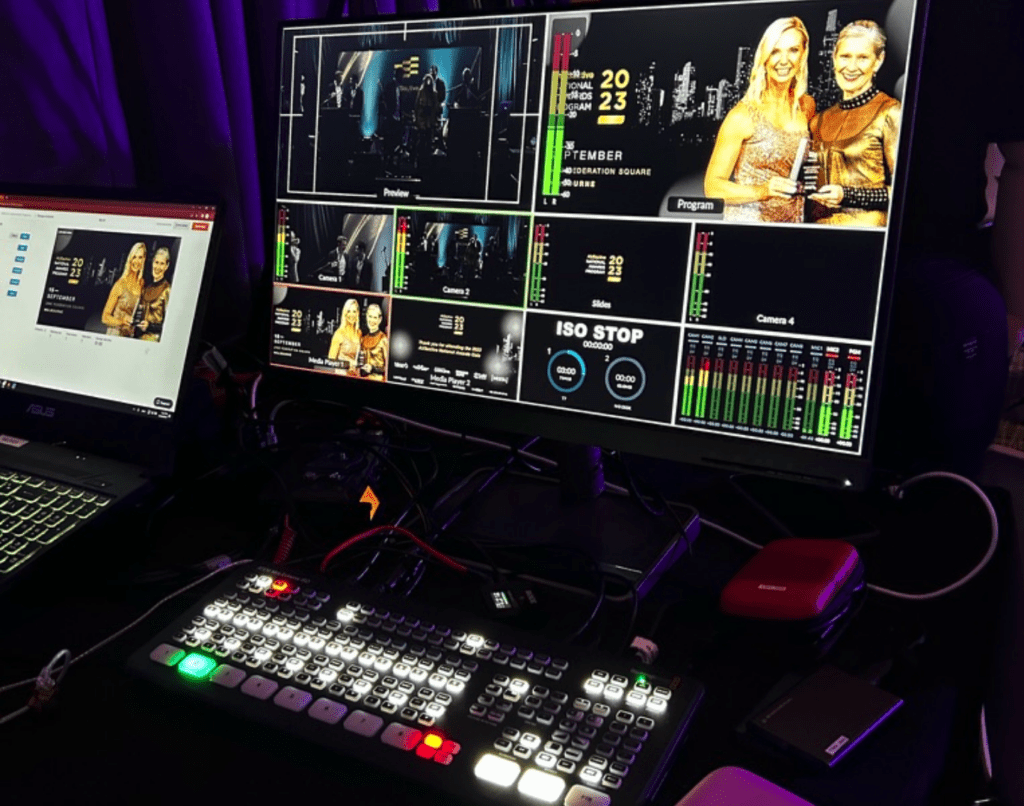
Compared to standard video calls, professionally produced streams feel deliberate. Clean audio, considered lighting, multiple camera angles, and a clear run of show signal that the message matters. As a result, average view duration is consistently higher, and people are more likely to stay engaged from start to finish.
Live event video also helps humanise leadership. When leaders speak directly to staff, answer questions in real time, and acknowledge uncertainty where appropriate, trust builds quickly. Interactive elements like moderated Q and A and live polling give employees a sense of participation rather than passive consumption.
Accessibility is another critical factor. Live captions, transcripts, and multilingual translations ensure that global and distributed teams are not excluded. In 2026, this is no longer a nice-to-have. It is a baseline expectation for effective internal communication.
Why production quality matters
Live video has one major constraint. There are no second takes.
When organisations try to manage live streams internally, the risks are often underestimated. Poor audio, unstable internet connections, awkward pauses, or unclear handovers can cause viewers to disengage within the first moments. Once attention is lost, it rarely returns.
A professional production partner removes that risk.
Redundant internet connections, proper audio management, lighting that supports the message, and seamless multi-camera switching all happen in the background. Your team can focus on what they need to say, not how it is being delivered.
A month of content from one live stream
A single well-planned live stream can support weeks of content without increasing workload.
On day one, the live event is professionally streamed and recorded. Within days, the full replay is published with chapters and a transcript, supported by a clear summary article for search and accessibility.
Over the following weeks, short clips are released across relevant platforms, each focused on one idea or moment. A best-of summary can be shared internally or via email, highlighting key takeaways without repeating the entire session.
Finally, the most valuable insights from the live Q&A can be turned into a deeper resource. This might be an internal knowledge article, a downloadable guide, or a gated asset for lead generation.
Instead of constantly creating new content, you are extending the life and value of something that was already worth producing.
Future-proofing your 2026 strategy
AI has made content faster and cheaper to produce. It has also made it much easier to ignore.
What continues to stand out is clarity, credibility, and human presence. Live video delivers all three when it is approached with intention and supported by the right production framework.
A single professional live stream can anchor your marketing, strengthen internal communications, and deliver real video production ROI without increasing pressure on your team.
If you are already running town halls, launches, or briefings, the opportunity is not to do more. It is to extract more value from what you are already doing.
Ready to turn your next live stream into a content engine? Book a strategy session with Dream Engine, and we will help you plan it properly.
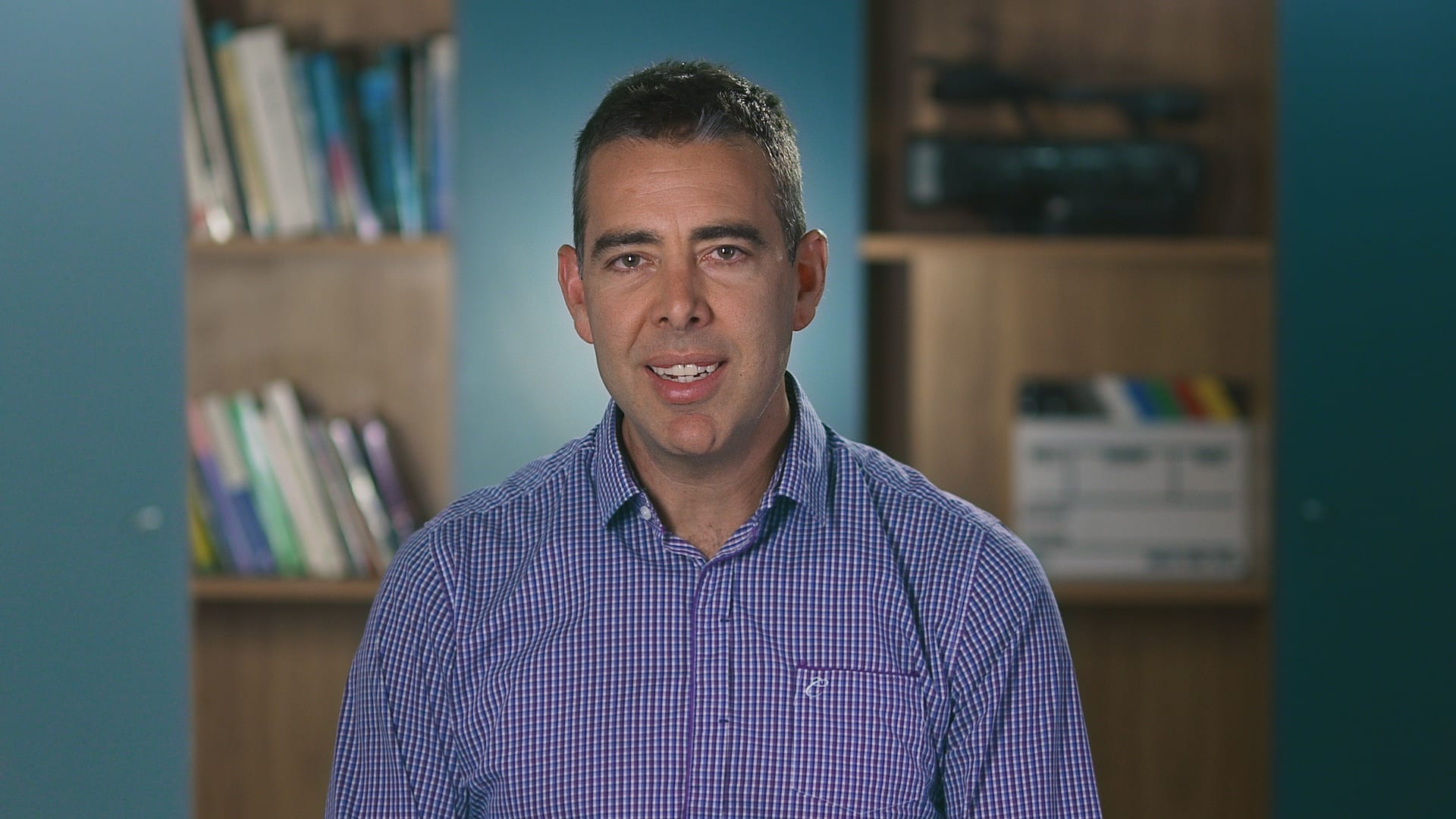
Ryan Spanger is the founder and managing director of Dream Engine, a Melbourne-based video production company established in 2002. With more than two decades of experience, Ryan has helped leading Australian businesses, government departments, and non-profits communicate their message with clarity and impact through video. He’s known for his strategic approach, reliable process, and commitment to producing videos that deliver measurable results.