If you are planning a corporate event, conference, or internal presentation in Melbourne, live streaming services can feel deceptively simple. Cameras, an internet connection, and a platform to stream to. Yet when organisations start comparing quotes, pricing often varies far more than expected.
That variation exists for a reason.
Professional live streaming is not priced solely on equipment. It is priced around people, preparation, and risk management. This guide explains what live streaming costs in Melbourne typically are, what drives those costs, and how to decide what level of production makes sense for your event.
IMG 5863
Short answer: typical live streaming costs in Melbourne
For professional, corporate live streaming in Melbourne, pricing generally falls into the following ranges:
- Single-camera corporate live stream: $2,000 to $3,000
- Multi-camera live stream with live switching and basic graphics: $3,000 to $7,000
- Conference or large hybrid event live streaming: $7,000 to $10,000+
These figures reflect real production variables rather than arbitrary package pricing. Understanding what sits behind them helps you compare quotes properly and avoid unnecessary risk.
What actually drives the cost of live streaming?
Live streaming costs are shaped less by the camera and more by everything that needs to work simultaneously, without failure.
Crew and roles on the day
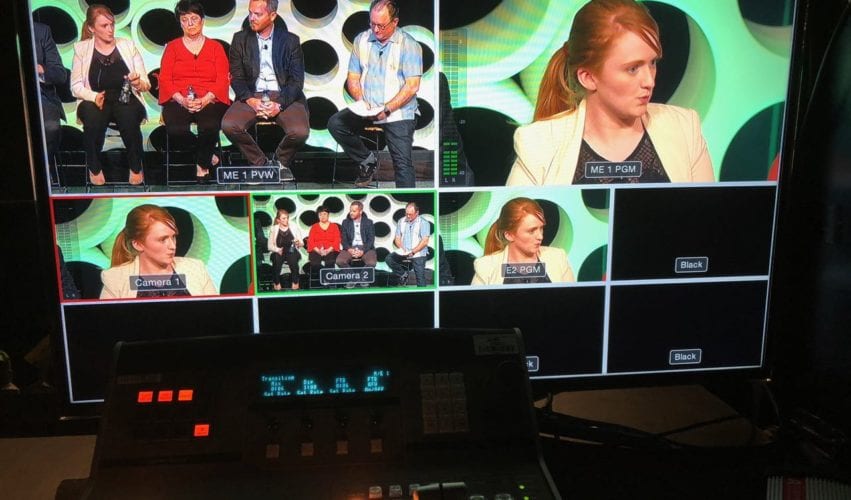
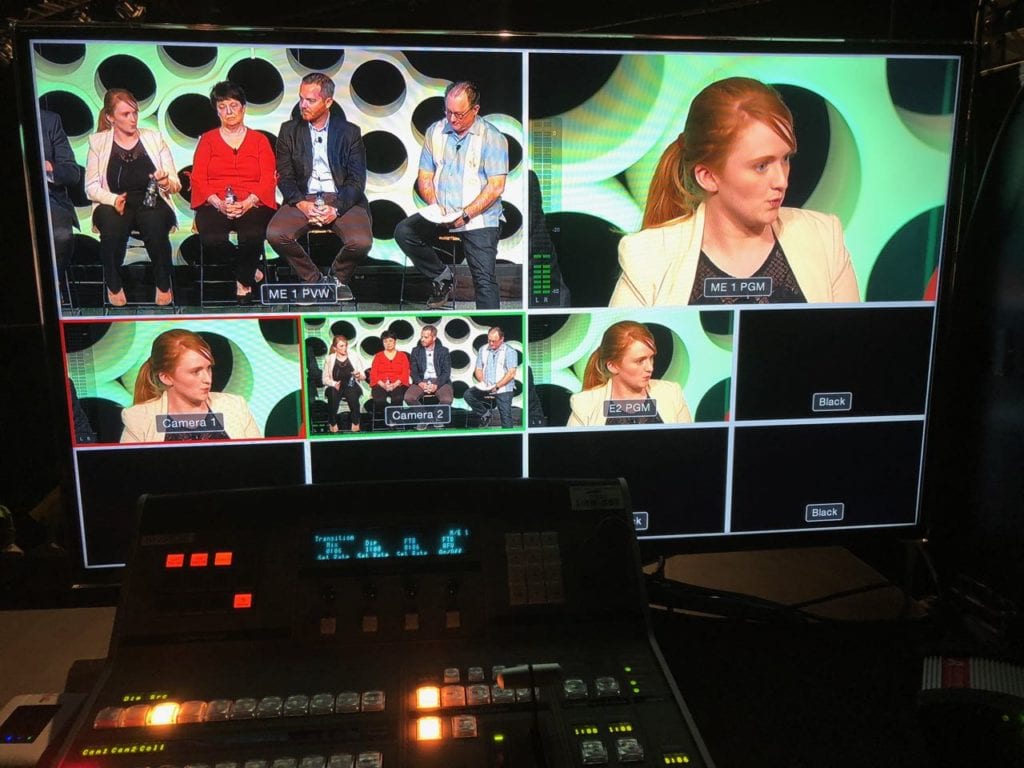
In a professional live stream, different people are doing different jobs at the same time. Someone is operating cameras and framing shots. Someone else is switching between those cameras live. Audio is often managed by a dedicated technician because audio problems are the most common reason streams fail.
On larger or more complex events, a video producer may oversee timing, cues, speaker changes, and contingency planning. As the crew grows, costs rise, but so does reliability.
Camera count and visual complexity
A single-camera live stream is straightforward and cost-effective. As soon as you move to multiple cameras, production becomes more complex. Multi-camera setups require additional operators, vision switching hardware, and rehearsal time to ensure transitions feel natural rather than chaotic.
For external audiences, especially at conferences or award events, multi-camera coverage improves engagement and perceived professionalism.
Audio requirements
Audio is often underestimated. Panel discussions, audience questions, multiple presenters, or integration with a venue sound system all introduce risk.
Professional live streaming budgets account for:
- Proper microphones for each speaker
- Clean audio feeds
- Backup recordings independent of the stream
When audio fails, viewers stop watching. There is no recovery from that moment.
Streaming platform and delivery
Streaming to YouTube, Vimeo, Zoom, Teams, or a private platform requires different technical requirements. Professional setups allow time for platform configuration, stream testing, and moderation, as well as recording a clean version of the event for later use.
Redundancy and contingency planning
This is where professional services differ most from DIY approaches. Reliable live streams plan for failure before it happens.
That can include redundant internet connections, backup encoders, parallel recordings, and power contingencies. These systems are rarely noticed when everything works, but they are often the difference between a minor issue and a public failure.
What different live streaming budgets actually deliver
Understanding what you receive at different price points helps set realistic expectations.
At the lower end of professional live streaming, typically around $3,000 to $5,000, you are looking at a controlled, single-camera setup. This suits internal updates, simple presentations, or leadership communications where reliability is the priority and visual complexity is limited.
Mid-range budgets, typically $4,000 to $7,000, support multi-camera coverage, live switching, and basic graphics. This level is common for corporate events, panel discussions, and presentations intended to be reused as recorded content.
Higher-end live streaming, from $7,000 upwards, is typical for conferences, large hybrid events, or situations involving external audiences and reputational risk. These productions include larger crews, rehearsals, coordination with venues and AV teams, and layered backup systems. The goal is not just to stream the event, but to make it feel deliberate, calm, and dependable.
One-camera versus multi-camera live streaming
A single-camera live stream works well when the content is simple, and the audience’s expectations are modest. It keeps costs down and reduces setup time.
Multi-camera live streaming is better suited to events where pacing, visual variety, and professionalism matter. Conferences, panel discussions, and award ceremonies benefit from camera changes that reflect who is speaking and what is happening in the room. While more expensive, multi-camera coverage improves the viewing experience.
Corporate live streaming versus event live streaming
Corporate live streaming is often used for internal communications, training sessions, leadership updates, or shareholder briefings. These environments are usually controlled, with predictable schedules and fewer technical variables.
Event and conference live streaming introduces additional complexity. Larger venues, external AV teams, multiple speakers, and fixed run times all increase the need for planning and rehearsal. Costs rise accordingly, but so does the importance of getting it right.
Why cheap live streaming often fails
Many organisations attempt to reduce costs by relying on laptops, in-house IT teams, or minimal equipment. While this can work in low-stakes situations, it introduces significant risk.
Common issues include unstable internet connections, audio dropouts, frozen streams, incorrect camera switching, and the absence of a clean backup recording. When a live stream fails, there is no opportunity to fix it later. The reputational cost often outweighs the money saved.
When is professional live streaming worth the investment?
Professional live streaming is worth the investment when the event matters.
That includes situations where the content cannot be repeated, external audiences are watching, legal or regulatory considerations apply, senior leadership is involved, or the recording will be reused for ongoing communications.
If the event carries importance beyond the room, reliability becomes non-negotiable.
How to compare live streaming quotes properly
When reviewing quotes, focus less on the headline price and more on what is included.
Ask how many crew are involved, what backup systems are in place, who is responsible for audio, whether rehearsal or testing is included, and whether you will receive a clean recording after the event. Two quotes with similar pricing can represent very different levels of preparation and risk management.
If you are planning an event and want a quote, see our live streaming services in Melbourne page for typical setups and options.
Frequently Asked Questions
How much does live streaming cost in Melbourne?
Professional corporate live streaming in Melbourne typically ranges from $3,000 to $5,000 for a single-camera stream. Multi-camera live streaming with live switching and basic graphics is often $5,000 to $8,000. Conference and hybrid event live streaming typically starts at around $8,000 and can exceed $15,000, depending on crew size, audio complexity, setup time, and backup systems.
Why do live streaming quotes vary so much?
Quotes vary because live streaming includes different levels of planning and risk cover. The biggest differences are usually crew size, number of cameras, audio support, platform setup, rehearsal time, and redundancy such as backup internet and parallel recording. Two quotes can look similar on price while offering very different reliability on the day.
What affects live streaming cost the most?
The biggest cost drivers are crew, audio, and redundancy. Multi-camera streams require extra operators and a vision switcher. Panels and multiple presenters increase audio requirements and setup time. Reliable providers also build in contingency plans, such as backup internet and independent recordings, so the event can still be captured if the stream has issues.
Is professional live streaming worth it?
Professional live streaming is usually worth it when the event cannot be repeated, external audiences are watching, senior leadership is involved, or you need a clean recording for ongoing use. In those situations, the value comes from stable delivery, proper audio, rehearsed run-of-show, and backup systems that reduce the chance of a public failure.
Final thought
Live streaming costs in Melbourne vary because live streaming is not just about broadcasting an event. It is about planning, coordination, and protecting against failure in real time.
If you are evaluating providers, the most useful question is not how cheap the stream can be, but how much certainty you need on the day.
If you want to explore what level of support is appropriate for your event, you can learn more about our live streaming services in Melbourne or speak with our team about your requirements.
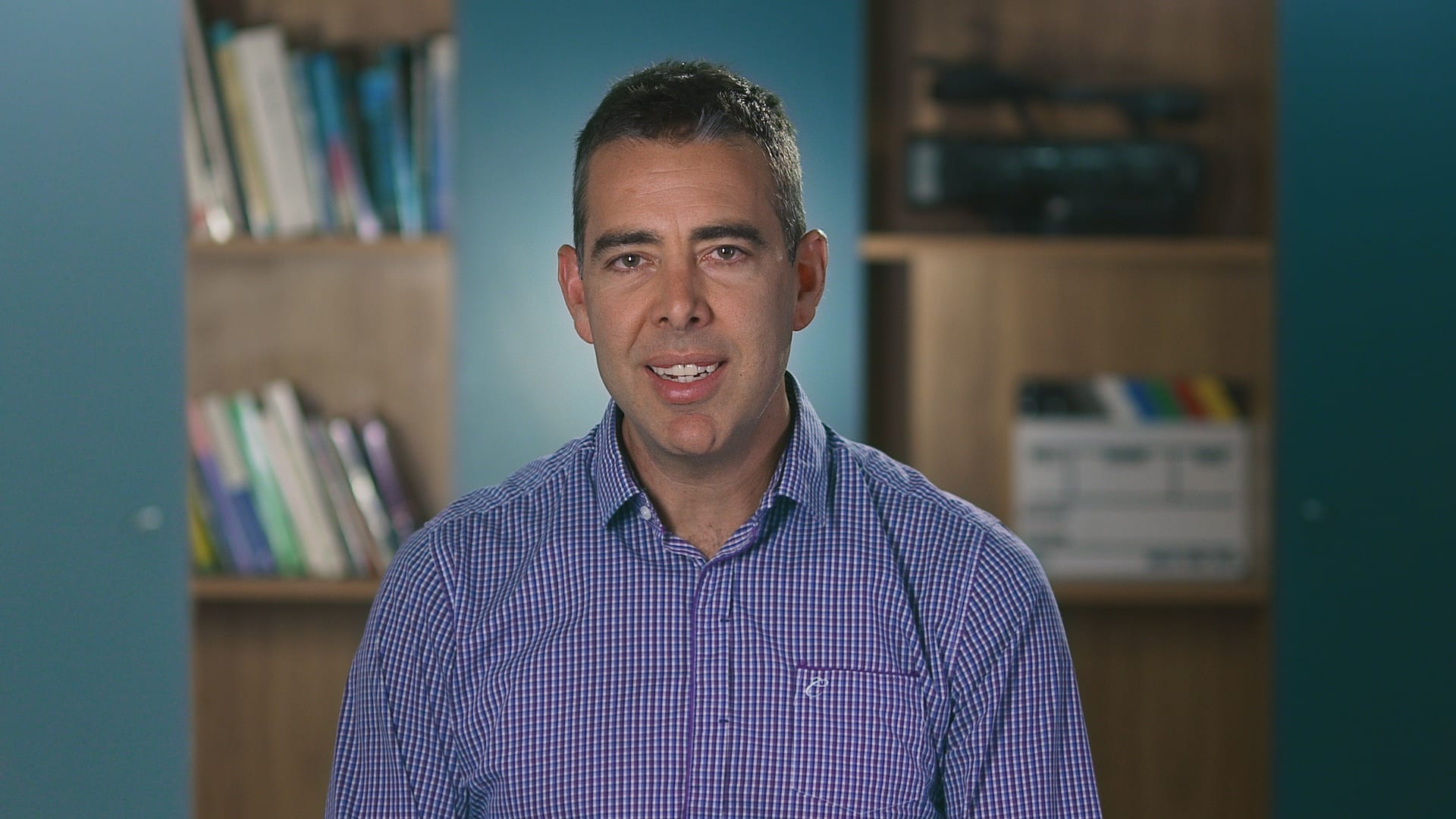
Ryan Spanger is the founder and managing director of Dream Engine, a Melbourne-based video production company established in 2002. With more than two decades of experience, Ryan has helped leading Australian businesses, government departments, and non-profits communicate their message with clarity and impact through video. He’s known for his strategic approach, reliable process, and commitment to producing videos that deliver measurable results.