Project Type: Livestreaming and Hybrid Event Production
Best For: Conference Video Production, internal communications, product demonstrations and community events
Key Benefit: A clear, reliable broadcast experience for both in-person and remote audiences
Livestreaming for Business in 2026: What Has Changed and What Still Matters
Live streaming services have become a standard part of how organisations communicate. Once considered a technical extra or a novelty, it is now used for company announcements, conferences, training, recruitment events, product demonstrations and community engagement.
What has changed in recent years is not the idea of livestreaming itself, but the expectations around quality, reliability and experience. Viewers expect clear audio, stable visuals and content that respects their time. Whether the audience is internal staff or the general public, the goal is the same: a livestream that feels organised, calm and easy to watch.
Below are the key considerations for livestreaming trends in 2026, drawn from ongoing work with corporates, universities, government and healthcare organisations.
1. Professional Production is Now Standard
Viewers are familiar with livestreaming. They recognise the difference between a professional broadcast and a webcam feed. A successful livestream now typically involves:
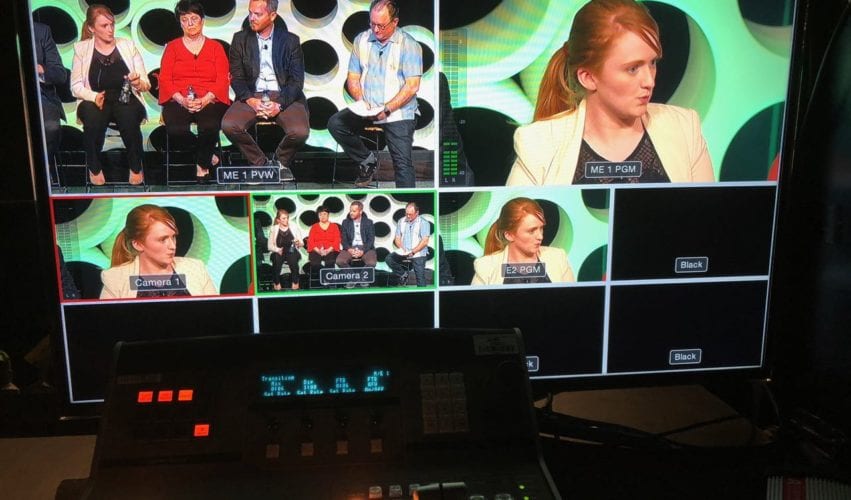
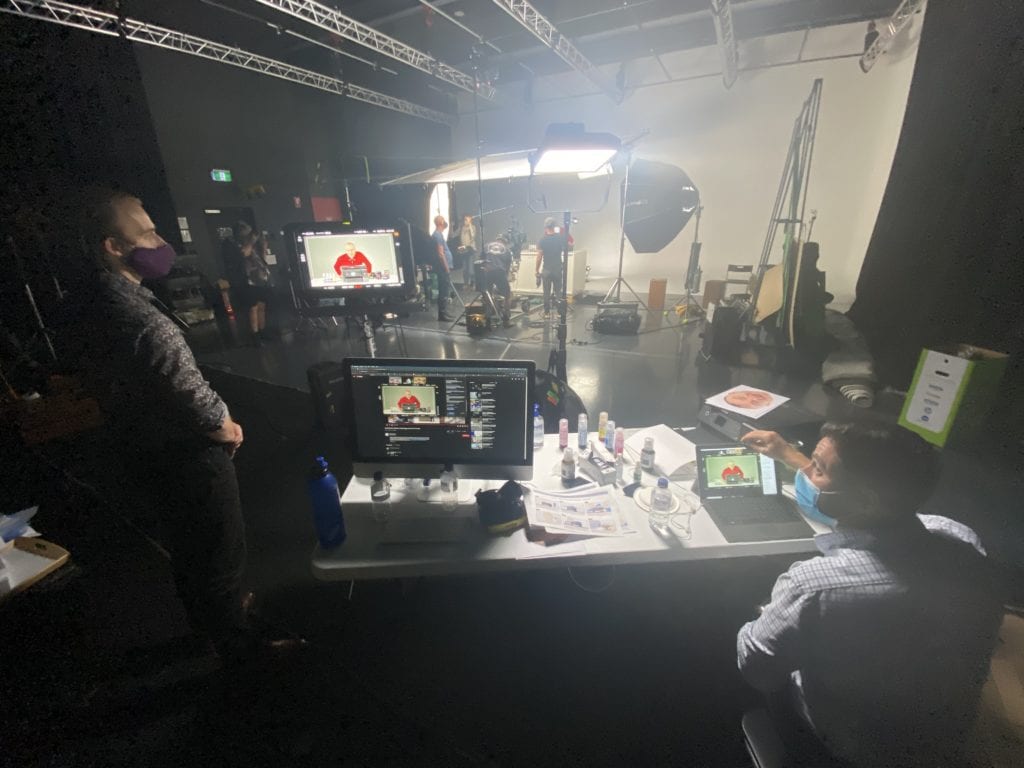
• A multi-camera setup
• Clean audio with proper microphones
• Controlled lighting
• Stable network connection and backup solutions
• A focused production plan
This does not need to feel complex or heavy. It simply requires preparation and an experienced crew. A livestream that looks and sounds clear attracts more attention and earns trust more easily.
2. Livestreams Work Best When They Support a Clear Purpose
A livestream should help the audience understand or experience something useful. Before planning, define the objective in a single sentence. For example:
• Share information with remote staff
• Deliver a presentation to conference attendees who cannot be in the room
• Demonstrate a product to potential customers
• Provide training to teams in multiple locations
Once the purpose is clear, structure, format and length become easier to decide.
3. Hybrid Events Are Now the Default Model
Many events now include both in-person and remote audiences. This has become the standard rather than the exception. The key to hybrid event video success is ensuring the experience works for both groups.
This usually means:
• A camera position that gives remote viewers a clear view of the speaker
• Slides or visual material formatted for screen readability
• Moderated Q&A to include remote participants
• A simple way for viewers to watch the replay later
The livestream is no longer an add-on. It is part of the event’s core delivery.
4. Silent Viewing Needs to Be Considered
A significant number of livestream viewers watch without sound, especially on mobile or in shared workspaces. For these viewers, captions and on-screen text matter.
• Use text to reinforce key points
• Avoid over-reliance on spoken explanation
• Keep visuals clean and uncluttered
Clarity is more important than decoration.
5. Replays and Cutdowns Extend the Value
The live moment is only part of the benefit. Recordings can be used for:
• Internal training
• Meeting recaps
• Social media highlights
• Future marketing content
• Reference material for staff who could not attend
A livestream should be planned with post-event use in mind. This ensures longer-term value.
6. Support for the Presenter Matters
Many livestreams are strong technically but less effective because presenters have not been supported. Small adjustments make a difference:
• A clear run sheet
• A short rehearsal or sound check
• Guidance on pacing and camera awareness
• Confidence that the technical elements are being managed
When presenters feel prepared, the livestream feels more composed.
Our Approach
Dream Engine produces livestreams for organisations across Melbourne. We work with communications teams, event coordinators, and marketing staff to plan and deliver reliable, practical broadcasts.
Our focus is on:
• Careful planning
• Clear communication
• Professional production
• A calm and organised experience for everyone involved
We handle the technical side so presenters and organisers can focus on the message.
Get in Touch
If you are planning a livestream or hybrid event and would like support with production, planning or technical setup, we are available to discuss your project.
Call 03 8678 0316 or send an enquiry through the website.
Livestreaming and Hybrid Event Video – Frequently Asked Questions
What types of events are suitable for livestreaming?
Livestreaming works well for conferences, internal company announcements, product launches, training sessions, recruitment events, town halls and community events. It is particularly effective when part or all of the audience cannot attend in person.
What is the difference between a livestream and a hybrid event?
A livestream delivers an event to a remote audience only. A hybrid event combines an in-person audience with a live broadcast for remote viewers. Hybrid events require additional planning to ensure both audiences have a clear and engaging experience.
What level of production is expected for business livestreams?
Audiences now expect professional production standards. This typically includes multiple cameras, clear audio, controlled lighting and a stable internet connection with backups. The goal is a broadcast that feels organised, calm and easy to watch.
Do you provide support for presenters and speakers?
Yes. We support presenters with run sheets, sound checks and guidance on pacing and camera awareness. This helps speakers feel prepared and results in a more confident and effective livestream.
Can livestream recordings be reused after the event?
Absolutely. Recordings can be used for internal training, staff communications, marketing content, social media cutdowns and on-demand viewing. We plan livestreams with post-event use in mind to maximise long-term value.
Do you handle livestreaming for organisations across Melbourne?
Yes. Dream Engine provides livestreaming and hybrid event production for Melbourne-based organisations, including corporates, universities, government departments and healthcare providers.
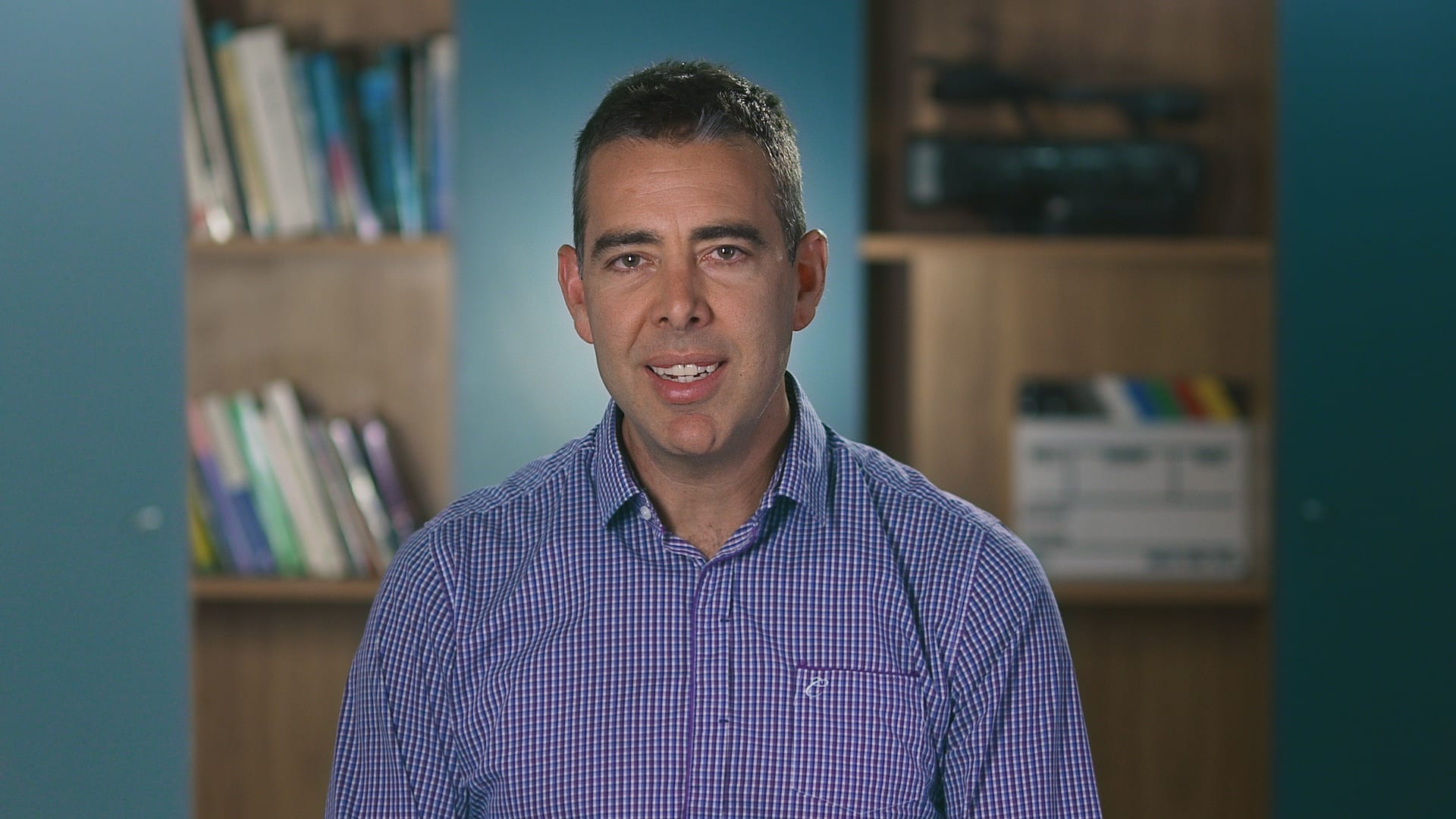
Ryan Spanger is the founder and managing director of Dream Engine, a Melbourne-based video production company established in 2002. With more than two decades of experience, Ryan has helped leading Australian businesses, government departments, and non-profits communicate their message with clarity and impact through video. He’s known for his strategic approach, reliable process, and commitment to producing videos that deliver measurable results.