In this guide
A documentary-style founder story lets the person who started a business explain why they did it, what they learned and how the company developed. Interviews, workplace footage and accounts from colleagues give the audience something specific to understand.
Documentary techniques can be useful in corporate storytelling. When a business wants to explain its purpose, values or history, this approach gives people room to describe their experience in their own words.
A useful founder story connects those experiences to the business today. Focus on the decisions, setbacks and changes that help viewers understand what the company does and how it works.
A founder story example
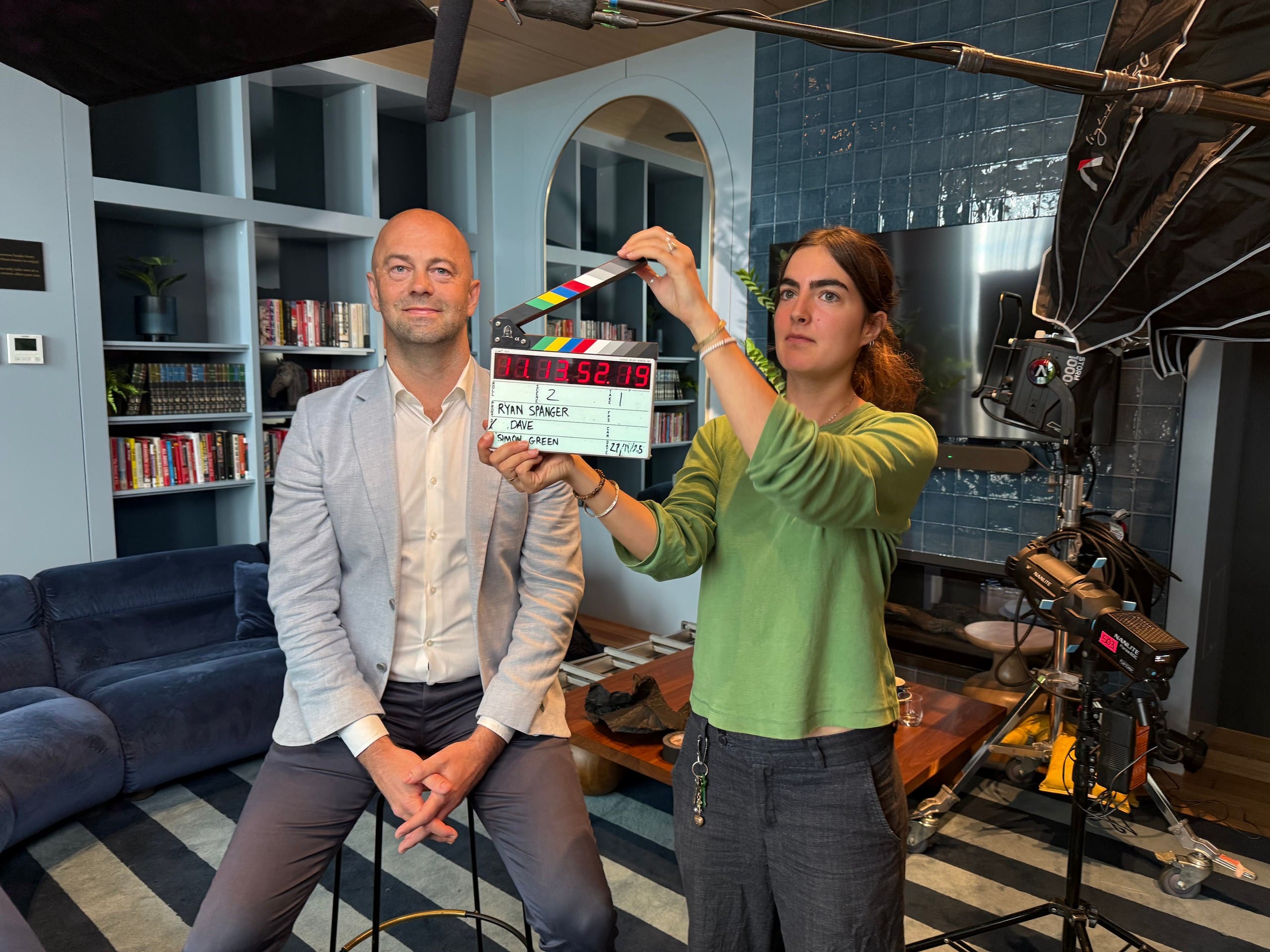
At Dream Engine, we use interviews to explore the founder’s experience and find the details that matter to the intended audience.
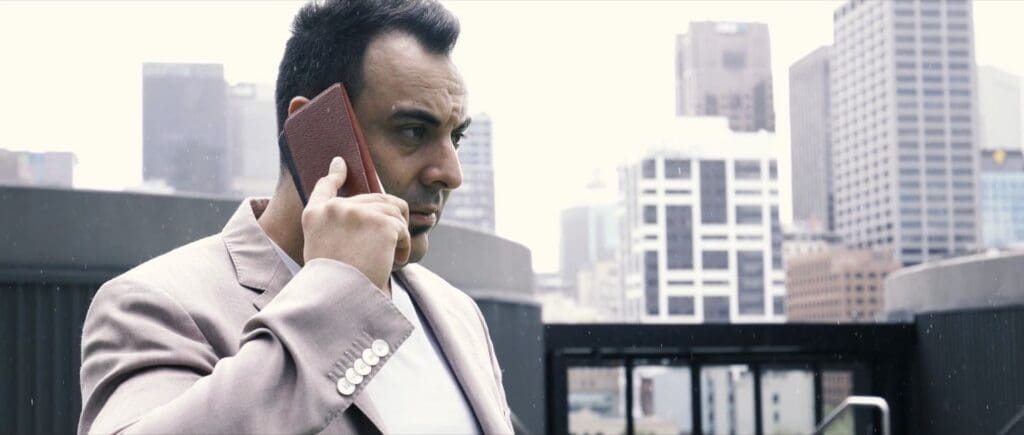
A few years ago, we created a documentary-style video about entrepreneur Sam Bashiry. Sam migrated to Australia as a child and faced significant challenges before building a technology business. In the film, he talks about that journey and the experiences that shaped his approach to work.

Plan around the audience
A corporate documentary approach gives the interview room to develop. A pause, a change of tone or a remembered detail can help convey the speaker’s experience. The edit needs to preserve the meaning of their answers while giving the story a structure viewers can follow.
Choose the questions around the audience. Customers may want to understand the people behind the service, while employees or investors may need more context about the company’s direction.
What Makes Documentary Storytelling Effective
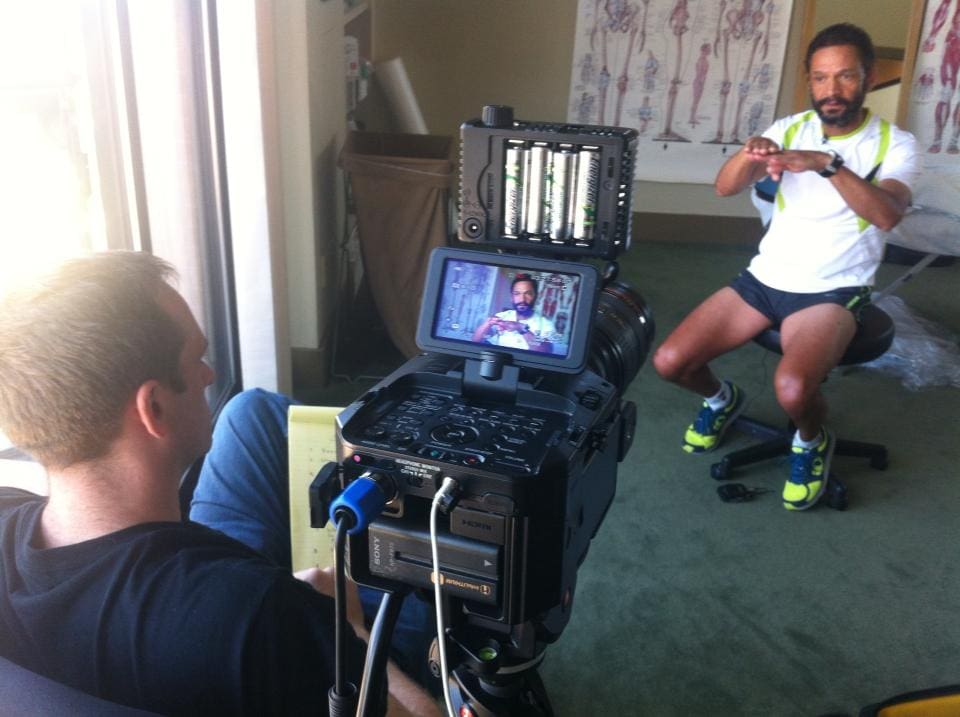
Interviews. Prepare topics and questions before filming, then leave room for follow-up questions. Ask about specific decisions or events, and give the founder time to explain what happened.
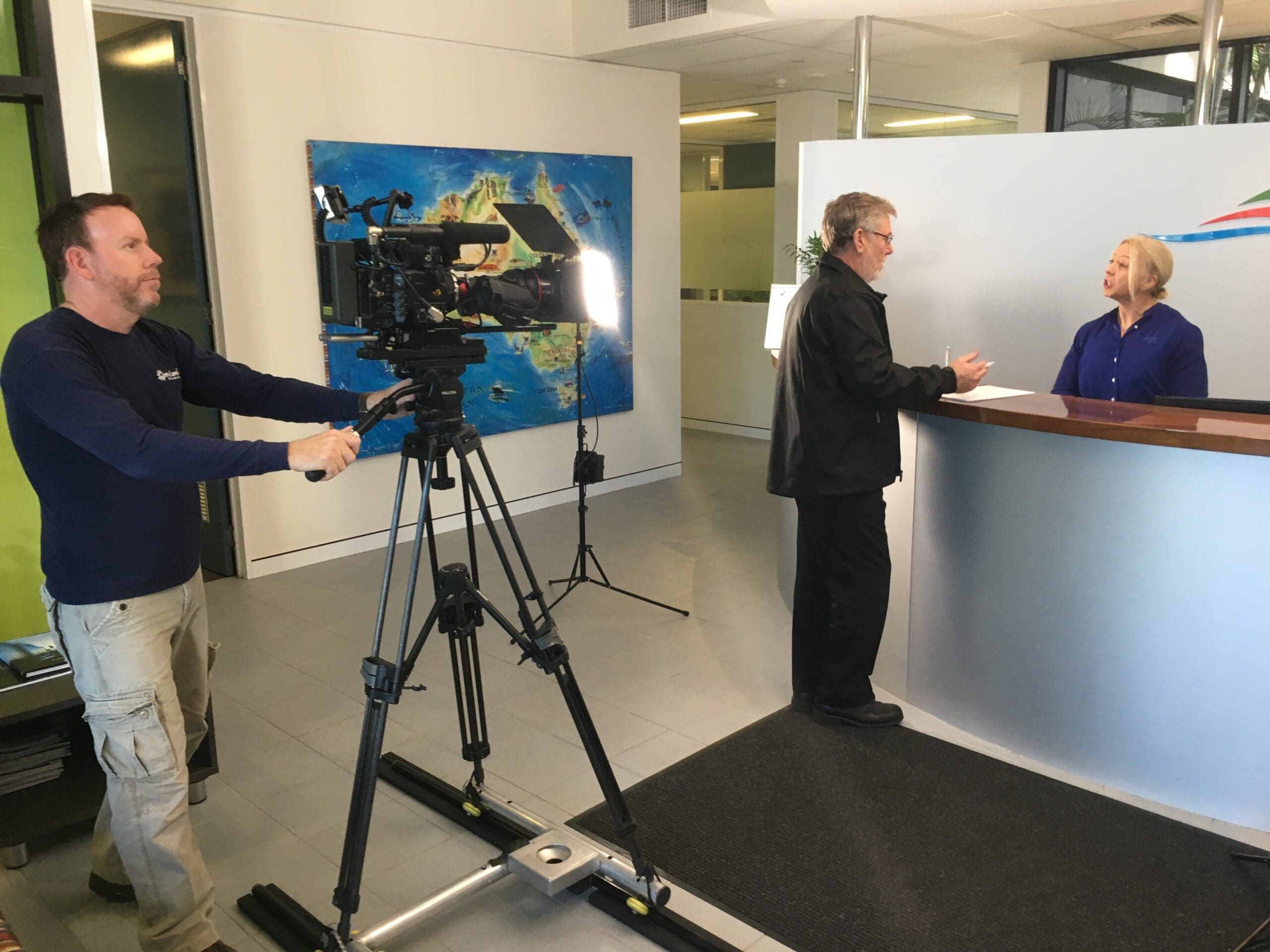
Observational footage. Film the founder at work, interacting with the team or visiting a place relevant to the story. These scenes give context to the interview and help viewers see what is being described.
Real voices. Team members can describe their own experience of working with the founder. Ask for examples that show how decisions or values affect day-to-day work.
Simplicity. Choose the parts of the story that serve the video’s purpose. A short introduction may focus on one turning point; a longer company history can give more context.
Why Marketing Teams Value This Approach
A founder story can introduce the business on its website, explain its history to new staff or provide context in recruitment and investor presentations. Decide the main use before filming, then plan any shorter versions around the questions each audience has.
The starting point may be an idea, a frustration or a problem the founder experienced. Ask what prompted them to act, what changed along the way and which lessons still influence the business.
Check names, dates and claims during the edit. Other contributors, photographs and records can add context, but should support an accurate account of what happened.
For help planning and producing a founder story, see our corporate video production service. For examples of our work and more about our approach, visit the Dream Engine website.
Founder stories
Founder story videos: frequently asked questions
Plan the story, interview and intended use.
What is a founder story video?
A founder story video is a documentary-style piece that focuses on the person behind the business. It explores why the company was started, the challenges faced along the way, and the values that continue to shape the organisation.
Why use a documentary approach instead of a scripted video?
An interview lets the founder explain their experience in their own words and gives the interviewer room to follow up on useful details. A scripted approach may suit a tightly controlled announcement or presentation. Choose the format around the purpose.
Do founders need to be experienced on camera?
No. Most founders are not professional presenters. Our role is to create a calm, supportive environment and guide the conversation so the story feels natural and comfortable.
Where are founder story videos typically used?
Founder stories are often used on websites, in recruitment campaigns, investor presentations, internal communications, and brand storytelling. They can also be repurposed into shorter clips for social channels.
How long should a founder story video be?
The length depends on where the video will be used and how much context the audience needs. Two to five minutes can be a starting point for a focused story, with shorter versions planned for other uses.
Can a founder story include other voices?
Yes. Including team members, customers, or partners can add depth and credibility by showing how the founder’s values are reflected across the organisation.
How do we get started with a founder story video?
It starts with a conversation. We take time to understand the founder, the business, and the purpose of the video before shaping the approach. Contact Dream Engine to discuss your project.
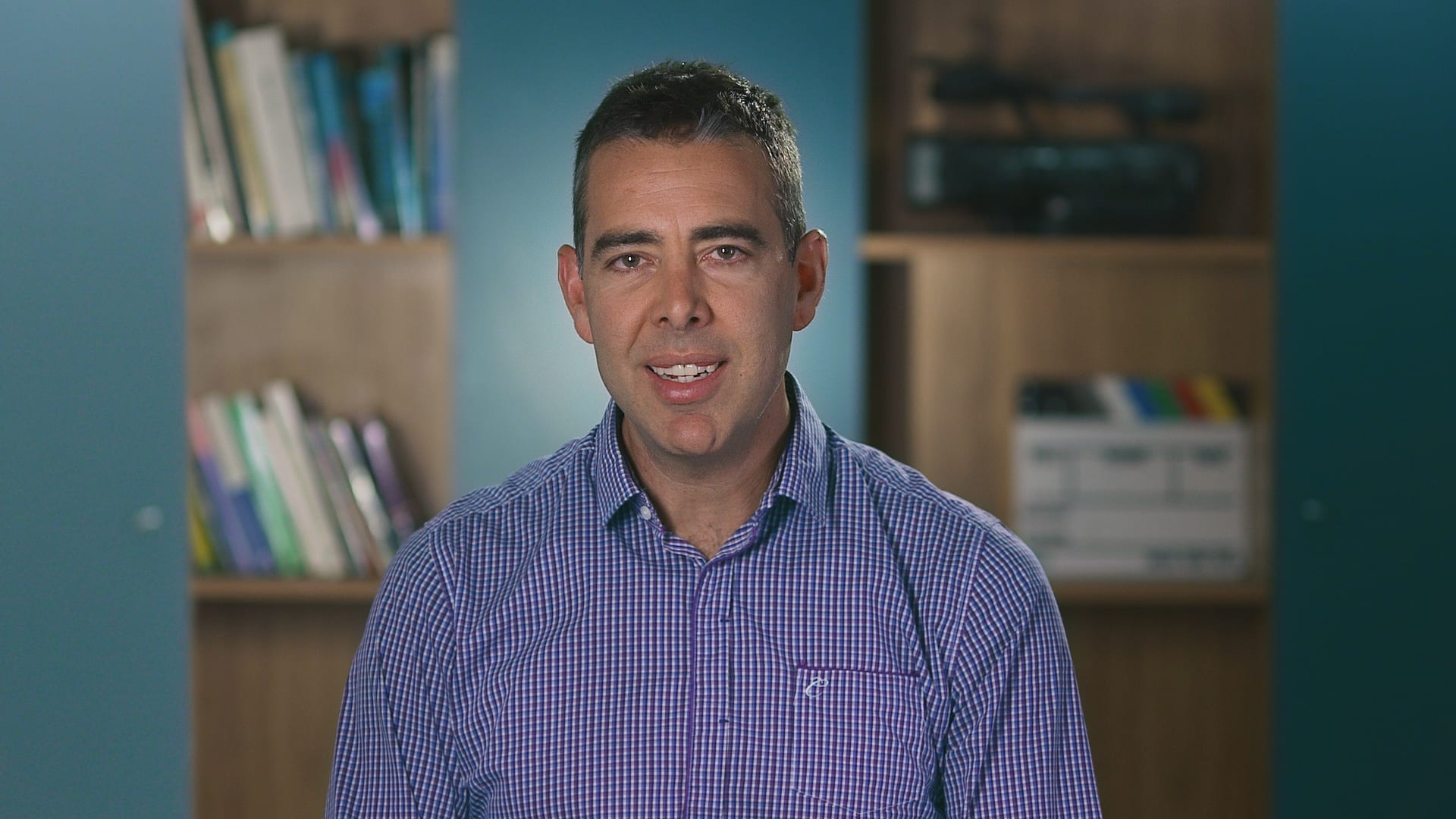
Ryan Spanger is the founder and managing director of Dream Engine, a Melbourne video production company established in 2002. Over the past two decades, he’s produced hundreds of videos for businesses, government departments, universities and healthcare organisations across Australia. Ryan specialises in helping organisations explain complex ideas through clear, engaging video content, with particular experience in corporate communications, training and education.