How to Optimise Your YouTube Videos for Business in 2026
When you upload a business video to YouTube, you want people to find it, watch it, and take the next step. That does not happen by accident. YouTube rewards clarity, relevance, and strong viewer experience. It also rewards channels that treat video as part of a long-term content system rather than a one-off upload.
This guide explains the practical steps companies can take to get better results from the videos they publish. These principles apply whether you are using YouTube for corporate communication, internal updates, recruitment, education, or marketing.
Why YouTube Still Matters
YouTube remains the world’s second-largest search engine. Many people now search YouTube before they search Google, especially for reviews, explanations, training, or company information. A well-optimised video has a longer life, reaches a wider audience, and gives your business more visibility.
Start With Viewer Intent
YouTube surfaces videos that match what viewers actually want. Before you upload, ask a simple question: what is the viewer trying to learn or understand when they click on this video? Your title, description, thumbnail, and structure should all reflect that intent.
Thumbnails and Click Through Rate
A strong thumbnail is simple, readable, and visually clear at small sizes. For business videos, a good approach is a clear face or product, minimal text, and one focal point. YouTube uses click-through rate as a major discovery signal.
Titles That Help Real People
Old advice focused heavily on exact-match keywords. Today, the focus is clarity. A good title states what the viewer will learn. Keywords still help, but clarity matters more.
Descriptions That Support the Viewer
A modern description explains the value of the video, includes a link to your website, and uses natural language that helps YouTube understand the context.
Use Chapters
Chapters help viewers skip to the part they need and help YouTube understand the structure of your content.
Audience Retention
This is one of YouTube’s most important metrics. Longer retention means stronger performance. You can improve retention with short introductions, visual variety, and a clear structure.
Playlists
Playlists help organise content and increase viewing time. You can create playlists for internal communications, testimonials, recruitment, training, or corporate storytelling.
Upload Defaults
YouTube Studio lets you create upload defaults for language, location, tags, and description templates. This keeps your uploads consistent.
Shorts and Long Form
Shorts attract new viewers. Long form builds trust. A strong business strategy uses both and keeps branding consistent.
Distribute Properly
Embedding your videos on your website, sharing them on LinkedIn, emailing them to clients, and referencing them in proposals helps YouTube see external traffic, which improves performance.
Measure and Improve
YouTube Studio provides useful metrics, including retention, click-through rate, watch time, traffic sources, and top viewer moments. These insights help you improve future videos.
Final Thoughts
Uploading a video is not the end of the process. When you take the time to optimise your YouTube video, you increase its impact and create greater long-term value. If you need help producing business videos or want guidance on how to improve your YouTube results, contact Dream Engine and we will be happy to help.
YouTube Optimisation for Business – Frequently Asked Questions
Does YouTube SEO still matter in 2026?
Yes. YouTube rewards clear titles, strong viewer retention, helpful descriptions, high-quality thumbnails, and structured content such as chapters.
What is the most important YouTube metric?
Audience retention. The longer viewers keep watching, the more YouTube continues recommending your video.
Should businesses use Shorts?
Shorts can help reach new viewers and support your main content. They work well as cutdowns from longer videos.
How long should a business video on YouTube be?
Length depends on purpose. Most business videos perform well between one and four minutes, provided they stay focused.
Do tags still matter?
Tags play a minor role today. They help with misspellings but offer less ranking value than titles, thumbnails, and retention.
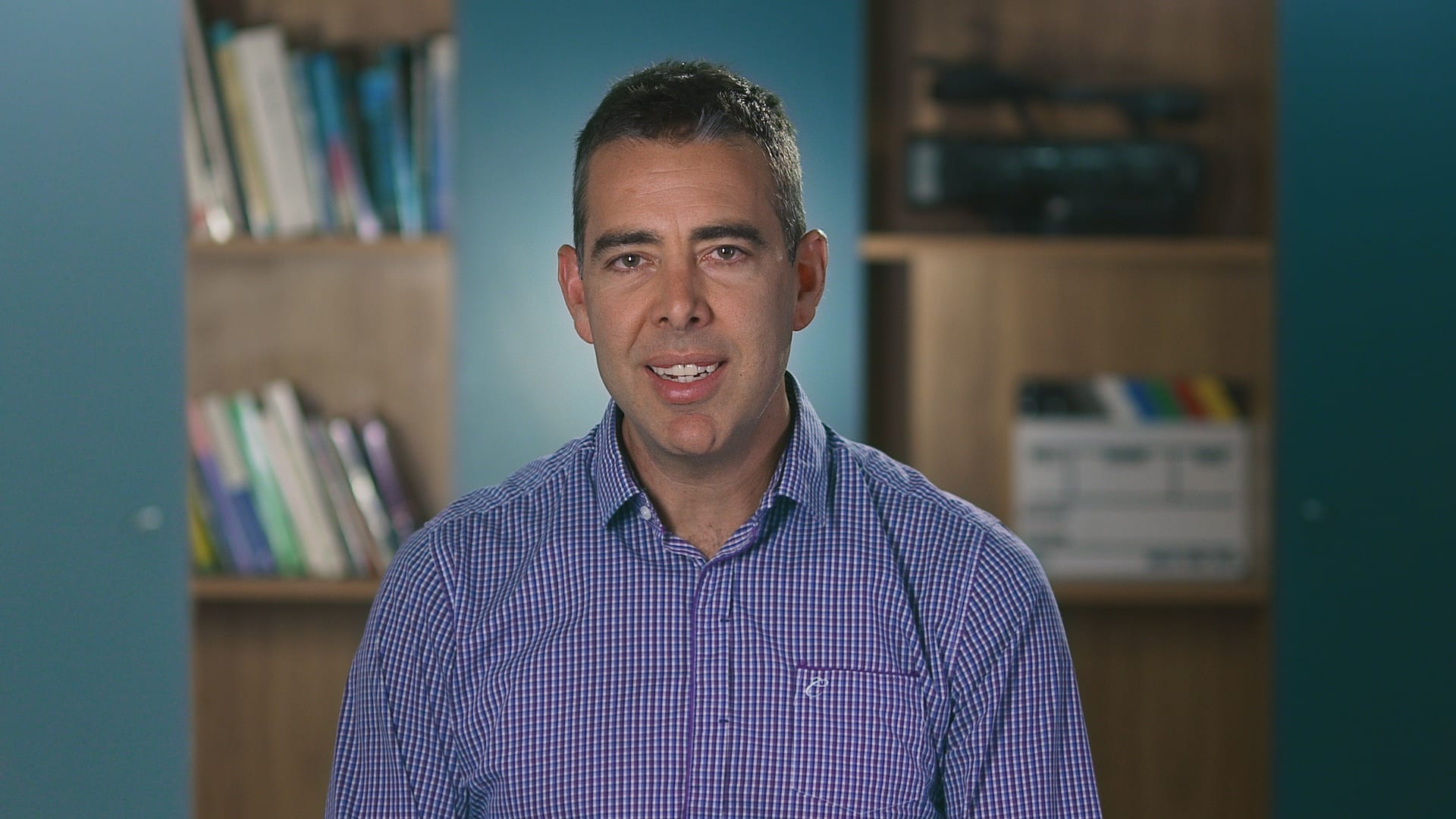
Ryan Spanger is the founder and managing director of Dream Engine, a Melbourne-based video production company established in 2002. With more than two decades of experience, Ryan has helped leading Australian businesses, government departments, and non-profits communicate their message with clarity and impact through video. He’s known for his strategic approach, reliable process, and commitment to producing videos that deliver measurable results.