A Post-Production Journey: How We Turn Raw Footage Into a Finished Video
Most people see a finished video and never think about what sits behind it. They see the clean picture, rich sound, graphics, and pacing, but they do not see the decisions, refinements, or the hours of careful shaping that happen after the cameras stop rolling.
Post-production is where a project becomes a story. It is the stage where loose, unpolished material becomes something that feels intentional. Something that reflects your brand. Something your audience can follow and trust.
In this article, I want to take you behind the scenes and walk you through the journey we follow at Dream Engine to turn raw footage into a finished, professional video.
Choosing the Best Material
Every project begins with a review of the raw footage. We look through all interviews, b-roll, cutaways, room tone, and anything else captured on the day. The goal is not just to find the “good bits.” It is to understand the story the footage wants to tell.
We mark strong moments, natural reactions, clear explanations, and visuals that reinforce the message. A good post-production process is not about forcing footage into a structure. It is about discovering the structure within the footage.
This early stage sets the tone for everything that follows.
Building the First Structure
The first version of any project is a rough cut. It is not pretty and it is not meant to be. The rough cut helps answer questions like:
- Does the message flow in a natural order
- Does the viewer understand what is happening
- Is there enough context
- Are there missing links between ideas
- Does the pacing feel right
This version is created without polish, so we can focus on clarity. Once the core structure feels solid, we start shaping the finer details.
Finding the Right Pace
Pacing is one of the most underestimated parts of editing. The rhythm of a video controls how engaged someone feels. Too slow, and attention drifts. Too fast, and the viewer cannot process what they are seeing.
We test different cut lengths, reorder shots, trim pauses, tighten dialogue, and create space where it is needed. The aim is to guide the viewer’s attention so the information is absorbed without effort.
A good viewer experience is smooth. Nothing distracting. Nothing is calling attention to the edit. Just a clear, confident flow from one idea to the next.
Sound That Supports the Story
Sound is half the experience. Often more.
We clean and enhance dialogue, remove background noise, balance levels, and make sure voices feel warm, present, and clear. Music is added in a way that supports rather than overwhelms. It shapes emotion and tone, and gives the video personality.
Well-mixed sound gives the viewer confidence. It makes the video feel intentional and professional, even when they cannot describe why.
Colour That Creates the Mood
Colour grading is about more than making shots look good. It creates consistency, mood, and a sense of identity.
We correct exposure, balance skin tones, match shots from different cameras, and give the video a finish that supports the message. Warmer tones help a piece feel inviting or personal. Cooler tones suggest precision or calm. Sometimes the best grade is subtle. Sometimes it is bold. It is always purposeful.
Colour grading is where the project begins to feel like a finished product.
Graphics, Titles, and On-Screen Elements
Titles and graphics help communicate key ideas quickly. They highlight points, introduce speakers, or guide the viewer through a process.
Our approach is simple and modern. Clear typography. Consistent style. Visuals that support the story rather than distract from it.
Charts, icons, and animated elements are used when they help clarify a message or reduce cognitive load.
Refinement, Review, and Delivery
Once the picture, sound, colour, and graphics are in place, we review the entire video with fresh eyes. We remove anything unnecessary, tighten moments that feel loose, and make sure the message is unmissable.
A good edit is invisible. The viewer should not notice transitions, sound design, or colour choices. They should feel guided and informed without friction.
When everything is locked, we deliver versions optimised for your platform. This includes formats for your website, LinkedIn, YouTube, internal communications, or large screen playback.
Post-Production Is Where the Real Story Appears
Filming captures raw potential. Post-production brings it to life. This part of the process is thoughtful, deliberate, and handcrafted. It is where your message becomes something people can feel and understand.
If you want support with editing, colour grading, or complete post-production for your project, my team at Dream Engine can help.
Post Production Video Melbourne – Frequently Asked Questions
What happens during post-production?
Post-production includes reviewing footage, building a structure, editing the story, improving pacing, cleaning audio, adding music, colour grading, adding graphics, and preparing delivery formats.
How long does post-production usually take?
Time varies depending on the project, but most business videos take between a few days and two weeks once filming is complete.
Do I need to be involved in the editing?
You can be as involved as you prefer. Some clients review early versions and give feedback, while others prefer us to take the lead and present a polished draft.
Can you work with footage that we already have?
Yes. We often work with client-supplied footage and can edit, grade, and enhance it to achieve a professional finish.
What formats do you deliver?
We deliver versions optimised for your website, LinkedIn, YouTube, internal platforms, and presentations. Additional formats are available on request.
Do you offer colour grading and sound mixing as standalone services?
Yes. We can provide colour grading, sound mixing, graphics, and full editing as individual services or as part of a complete production.
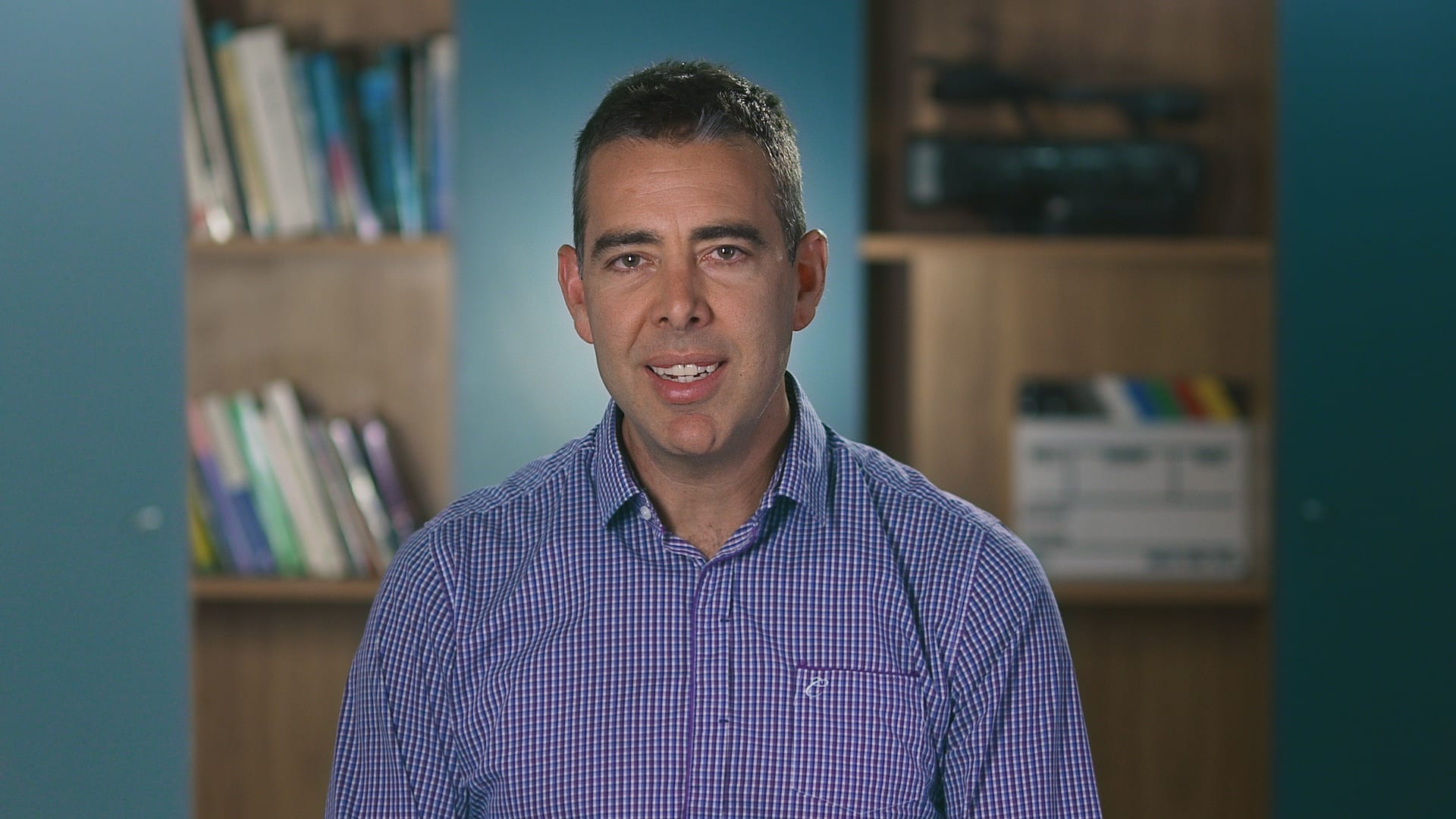
Ryan Spanger is the founder and managing director of Dream Engine, a Melbourne-based video production company established in 2002. With more than two decades of experience, Ryan has helped leading Australian businesses, government departments, and non-profits communicate their message with clarity and impact through video. He’s known for his strategic approach, reliable process, and commitment to producing videos that deliver measurable results.