The secret to presenting on camera
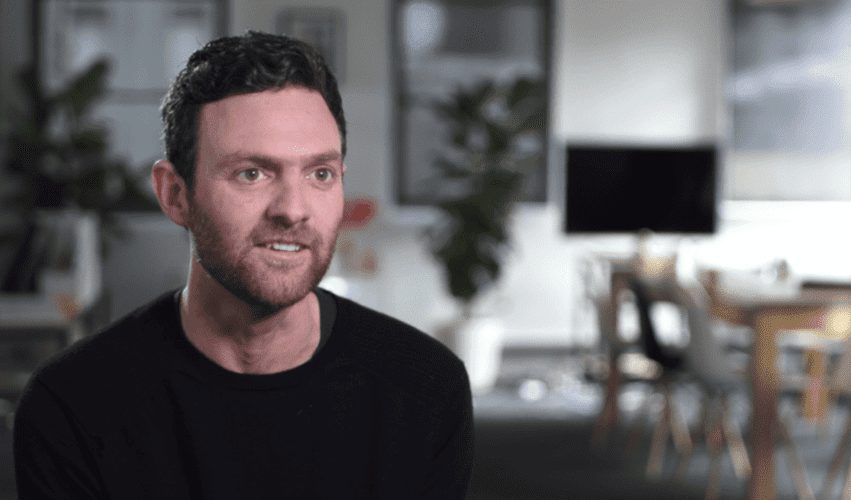
Some people have a way of speaking on camera that feels natural and easy to watch. You do not feel like you are being talked at. You feel like you are being spoken to.
We see this all the time when filming video for websites, internal communications, and leadership pieces. The strongest presenters are not trying to perform. They are having a conversation.
The difference is simple, but powerful.
They are thinking one-to-one, not one-to-many.
Instead of imagining a crowd, a lens, or a future audience, they picture a single person. One colleague. One client. One human. That mindset changes everything.
Good presenters create a sense of intimacy
Whether it is a corporate video, a leadership update, or a livestream production, the best presenters create a feeling of closeness.
You feel like they are present with you. Like they are aware of the person on the other side of the screen.
This does not come from polished delivery or clever wording. It comes from how they show up.
The same qualities that make a good conversation work in real life matter on camera too. A sense of ease. A bit of playfulness. Not taking yourself too seriously. And a genuine belief that what you are sharing is worth someone’s attention.
When those things are present, the camera almost disappears.
What if you do not feel comfortable on camera?
This is one of the most common concerns we hear.
“I am just not someone who likes being on video.”
The reality is that comfort rarely comes first. Action does.
A practical way forward is to act as if. Not in a fake or performative way, but by reconnecting with why the topic matters to you in the first place.
Ask yourself:
- Why does this subject matter?
- What do I want the person watching to understand or feel?
- What would I say if this were just a conversation?
When your attention moves away from yourself and onto the message, self-consciousness tends to soften. You can always return to being critical later. For the moment, your job is simply to communicate.
Being yourself on camera
This is often described as vulnerability, a word that gets misunderstood.
It does not mean oversharing or exposing weakness. It means bringing as much of your real self to the moment as you reasonably can.
It also means accepting that not everyone will respond positively. Some people may judge you. Some may not connect with your style.
That is true whether you are on camera or not.
The strongest presenters are not trying to be liked by everyone. They are focused on being clear, honest, and useful for the people they are speaking to.
The role of good direction and setup
Feeling comfortable on camera is not only a personal skill. It is also heavily influenced by the environment.
Lighting, framing, sound, and the way the shoot is run all affect how relaxed someone feels. Rushed setups, confusing direction, or technical distractions make presenting harder than it needs to be.
Our approach is to remove as much friction as possible, so you can focus on the conversation rather than the camera.
Next steps
We regularly film presenters to camera videos in Melbourne for businesses that want to communicate clearly and confidently.
Our role is not just to manage the technical side of the shoot. We also help you feel comfortable on camera, shape your message, and get the best possible performance without forcing anything that does not feel natural.
If you are planning a video and want support beyond just pointing a camera at you, get in touch.
Presenting on Camera – Frequently Asked Questions
What is the best way to present naturally on camera?
The simplest approach is to think one-to-one. Picture one real person you are talking to and speak as if you are in a normal conversation. This usually reduces stiffness and helps your delivery feel more human.
What if I feel awkward or nervous on camera?
Most people do at first. A helpful approach is to focus on the message rather than yourself. Get clear on what you want the viewer to understand, then treat the recording like a conversation. A calm set, clear direction, and a few warm-up takes also make a big difference.
Do I need to memorise a script word-for-word?
Usually, no. For most business videos, it is better to work from a clear structure and key points. That keeps your delivery natural while still ensuring you cover the important information.
How long should a presenter to camera video be?
It depends on the purpose, but shorter is usually better. If the message is bigger, it can work well to break it into a short series so each video stays focused.
How do you help someone perform well on a shoot?
We create a setup that feels calm and straightforward, then guide you through the content in a practical way. That includes helping you refine wording, improving pacing, and capturing multiple takes so you have options in the edit.
What matters most for a professional on-camera result?
Clear messaging is the foundation, but production basics matter too. Good lighting, clean audio, and confident direction will do more for the final result than trying to force a perfect performance.
Do you film presenter to camera videos in Melbourne?
Yes. We regularly film presenter to camera videos in Melbourne for businesses, including website videos, internal communications, and leadership updates.
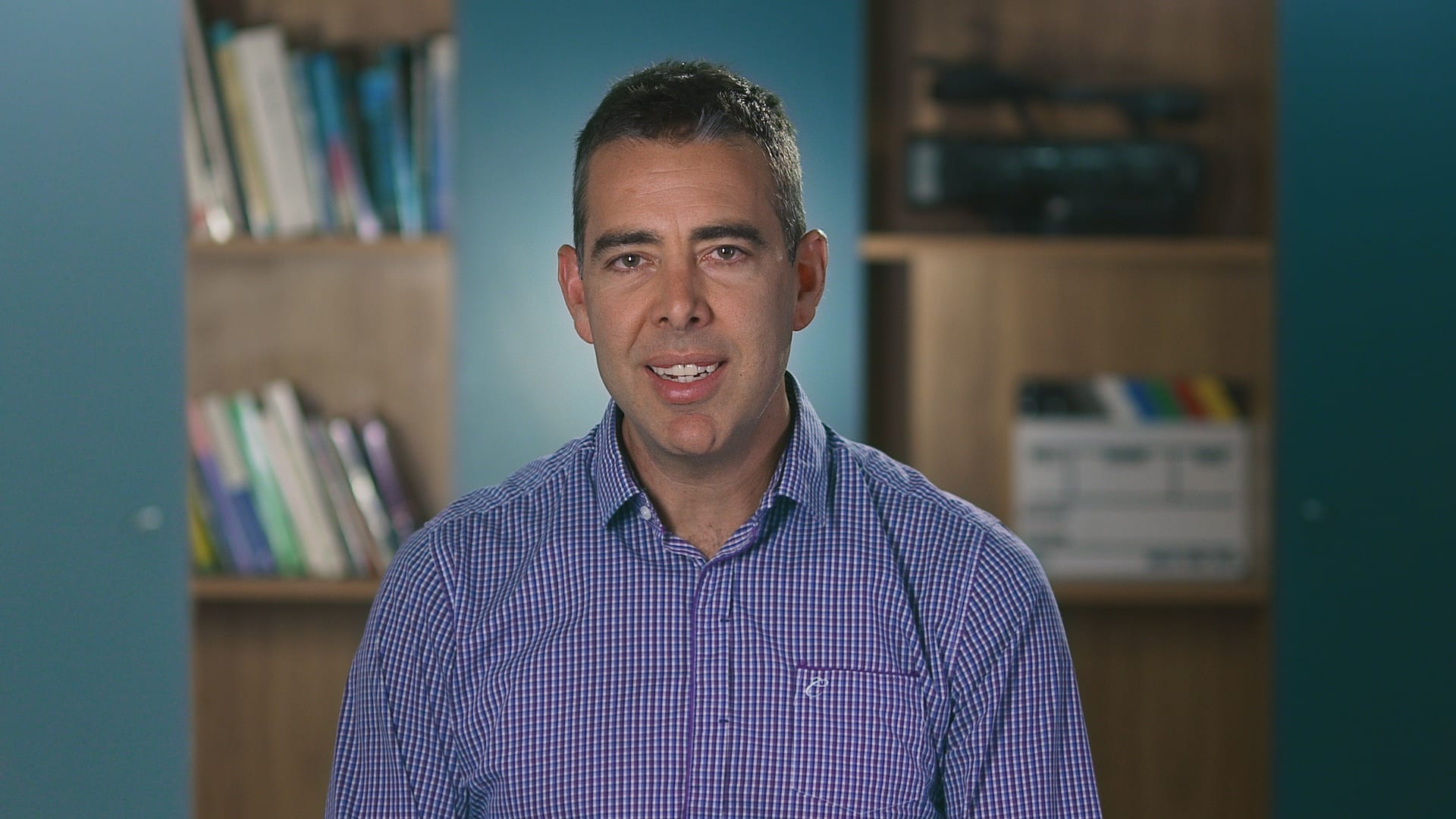
Ryan Spanger is the founder and managing director of Dream Engine, a Melbourne-based video production company established in 2002. With more than two decades of experience, Ryan has helped leading Australian businesses, government departments, and non-profits communicate their message with clarity and impact through video. He’s known for his strategic approach, reliable process, and commitment to producing videos that deliver measurable results.