Producing quality video content requires a significant investment of time, budget and internal resources. Yet many organisations publish a video once, then leave valuable footage sitting unused. Interviews, webinars, events, training videos and customer testimonials often contain enough material to create several additional pieces of content.
When the footage is technically usable, the information is still accurate and the material is cleared for the intended use, content repurposing can extend the value of the original production. A single webinar, testimonial, event video, interview or training session may provide material for weeks or months of additional content without another filming day.
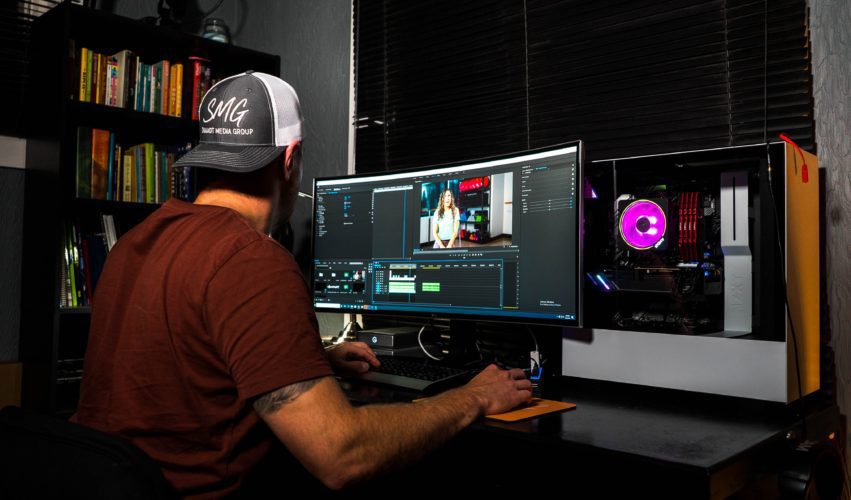
At Dream Engine, our video editing team regularly helps businesses transform existing footage into marketing, training and communications assets for multiple platforms. Here are ten practical ways to get more value from the content you have already created.
What Video Content Can Be Repurposed?
Many kinds of professionally filmed material can be considered for repurposing, including:
- Interviews and unused answers
- B-roll and cutaway footage
- Customer testimonials and case studies
- Event footage and conference presentations
- Webinars and live-stream recordings
- Product or service demonstrations
- Training and internal communication videos
- Behind-the-scenes footage
The material still needs to suit the new purpose. Check the picture and sound quality, framing, factual accuracy, branding and intended audience before deciding what to reuse.
Before You Start: Organise and Check the Footage
Start by cataloguing the available footage by project, topic, speaker, date or campaign. Record what each file contains and where the strongest interviews, demonstrations and supporting shots appear. This turns a collection of files into a content library that can be searched and reviewed efficiently.
Next, assess the technical quality and content. Check the resolution, framing and sound. Confirm that statistics, products, branding and claims are still current. Note any material that would need new graphics, voiceover, captions or supporting footage.
Permissions also need to be checked for the proposed new use. Review client approvals, talent releases, music and stock-footage licences, third-party logos and any location restrictions. A use that was cleared for the original video may need further approval before the footage appears in another channel, format or campaign.
1. Break Long Videos into Shorter Clips
Not everyone has time to watch a full webinar, presentation or corporate video. By extracting key moments and editing them into shorter clips, you can create content that is easier to consume and share.
Short-form videos are commonly used on LinkedIn, Instagram, Facebook, YouTube and internal communication platforms. They can also extend the life of a larger project by giving you several pieces of content to release over time.
- Example: If you have a 30-minute webinar, identify the strongest insights and turn them into a series of 30 to 90-second videos that can be shared individually across suitable channels.
This short vertical Harwyn video is an example of a concise standalone client-story asset.
2. Turn Testimonial Videos into Multiple Assets
Customer testimonials are valuable because they provide genuine social proof. Instead of publishing one long-form testimonial, consider extracting several short clips that focus on specific outcomes, challenges or client experiences.
These shorter edits can be used across your website, social media channels, presentations and sales material. Depending on the available material and approvals, the same interview may also support quote graphics, a written case study or topic-specific clips. A strong testimonial can support different messages depending on how the interview is edited.
- Example: A three-minute client interview can be edited into several standalone clips, each highlighting a different benefit, result or customer experience.
3. Create Website Headers, Loops and Motion Content
Short video loops can help bring websites, landing pages, presentations and digital campaigns to life. Even a few seconds of professionally shot footage can add movement, reinforce your brand and create a more engaging visual experience without distracting from the main message.
- Example: Extract a visually engaging moment from a product video or corporate shoot and convert it into a seamless looping background web video.
4. Turn Video Content into Blog Posts and Articles
Many businesses are sitting on useful knowledge contained within webinars, interviews, podcasts, presentations and training videos.
A transcript can provide the starting point for a written article, but it should not simply be published as raw text. Edit it into a useful resource with a clear structure, supporting context, key points and a reason for the written version to exist. This can help search engines understand the topic while also serving people who prefer reading to watching.
Embedding the original video alongside the article gives visitors the choice of using the format that suits them.
- Example: A recorded training video can become a detailed article supported by embedded clips, practical explanations and key takeaways.
5. Create Video Content for Email Campaigns
Rather than asking someone to watch a long video from an email, create a short teaser that introduces the subject and directs the viewer to the full content.
- Example: A 30-second highlight can be used within an email campaign to introduce a webinar recording, case study video or product demonstration.
For internal communications, concise edits can also support leadership updates, training material and project announcements when employees do not need to watch the entire original recording.
6. Turn Webinars into Evergreen Content
Webinars often require significant planning and effort but are frequently used only once. By editing the recording into several formats, you can continue using the strongest material after the live session has finished.
- Example: Depending on the amount of useful material, a 45-minute webinar could become a series of LinkedIn clips, an on-demand recording, a detailed article, several FAQ videos and short excerpts for future emails.
This approach can keep valuable educational content available without repeatedly covering the same subject from scratch.
If the webinar formed part of a conference or virtual event, consider how the recording fits into a wider event-video repurposing plan. It may also complement a broader live streaming strategy by providing on-demand material after the event.
7. Create Vertical Videos for Social Media
Most professionally produced videos are filmed in a widescreen format. Social platforms also support vertical video, which is often better suited to mobile viewing. Existing interviews, testimonials and event footage can sometimes be reframed into 9:16 versions for vertical placements on LinkedIn, Instagram, Facebook and YouTube, provided the original framing leaves enough room.
Creating a platform-specific version involves more than changing the aspect ratio. The opening pace, duration, captions, graphics and call to action should suit where the video will appear and what the viewer is expected to do next. A website header, LinkedIn clip, YouTube video and email teaser each serve a different purpose.
- Example: A widescreen interview can be reformatted into several vertical clips with captions and branding when the original composition allows a clean crop.
8. Add Captions and Graphics
Captions can improve accessibility and help viewers follow a video when sound is unavailable. Motion graphics and simple animations can clarify key messages, identify speakers and explain information that is difficult to communicate with footage alone.
- Example: A customer testimonial can be updated with branded graphics, verified statistics and subtitles before being published in another approved channel.
9. Refresh Older Video Content
Older videos can sometimes be updated instead of completely replaced. New graphics, revised statistics, updated branding, fresh voiceovers and a new edit can help useful material fit current communication needs.
Review the thumbnail, title and opening ten seconds as well as the main edit. Pacing, music, graphics and the call to action may also need attention. These changes can make the subject and intended next step clearer, but they will not fix footage whose information is inaccurate or whose permissions no longer cover the intended use.
- Example: An older industry update can be refreshed with verified data, updated visuals and revised messaging when its core explanation remains accurate.
10. Create Highlight Reels and Showreels
If you have accumulated a large amount of video content over time, consider combining the strongest relevant footage into a single highlight reel.
This approach can suit annual reviews, conference recaps, project showcases, recruitment campaigns and brand storytelling. It allows footage from several projects to be presented as one concise piece of content.
Before combining material from different projects, confirm that the client approvals, participant releases, music licences and branding allow the proposed new use.
- Example: Combine approved footage from several events, campaigns or projects into a concise showcase of your organisation’s work.
Final Thoughts
Creating new content will always have its place, but many organisations already have a useful library of footage that is being underused. Through thoughtful editing and repurposing, existing videos can continue supporting marketing, communications, training and business development after the original project has finished.
At Dream Engine, our video editing team in Melbourne helps businesses transform suitable existing footage into polished content for websites, social media, internal communications, email campaigns and training resources.
Before planning your next shoot, it is worth reviewing whether your existing footage could do more. If the material is current, technically usable and cleared for the proposed use, a well-planned editing project may produce several useful assets without filming everything again.
Frequently Asked Questions
What is video repurposing?
Video repurposing means taking suitable existing footage and turning it into new assets such as short cutdowns, vertical videos, testimonial clips, articles, updated edits or versions made for a particular channel.
Do we need to film new content?
Not always. Existing interviews, b-roll, event footage, unused takes and older finished videos can often support new edits. New filming may still be needed if the information is out of date, the technical quality is unsuitable, important shots are missing or the existing permissions do not cover the intended use.
What types of footage can be repurposed?
Interviews, b-roll, customer stories, event footage, presentations, webinars, demonstrations, training material and internal communications can all be considered. The footage must still be relevant, technically usable and cleared for the proposed audience, channel and duration.
Can older videos be refreshed?
Yes, when the core information and footage remain suitable. An older video may be updated with a clearer title or opening, revised graphics, current statistics, captions, new pacing, a fresh voiceover or a different call to action. Any music, branding, claims and permissions should also be checked.
When is existing footage not suitable for repurposing?
Existing footage may not be suitable when the picture or sound quality is poor, the information is inaccurate, the framing cannot support the required format, the branding cannot be corrected or the necessary releases and licences are missing. New filming may be the safer and clearer option in those cases.
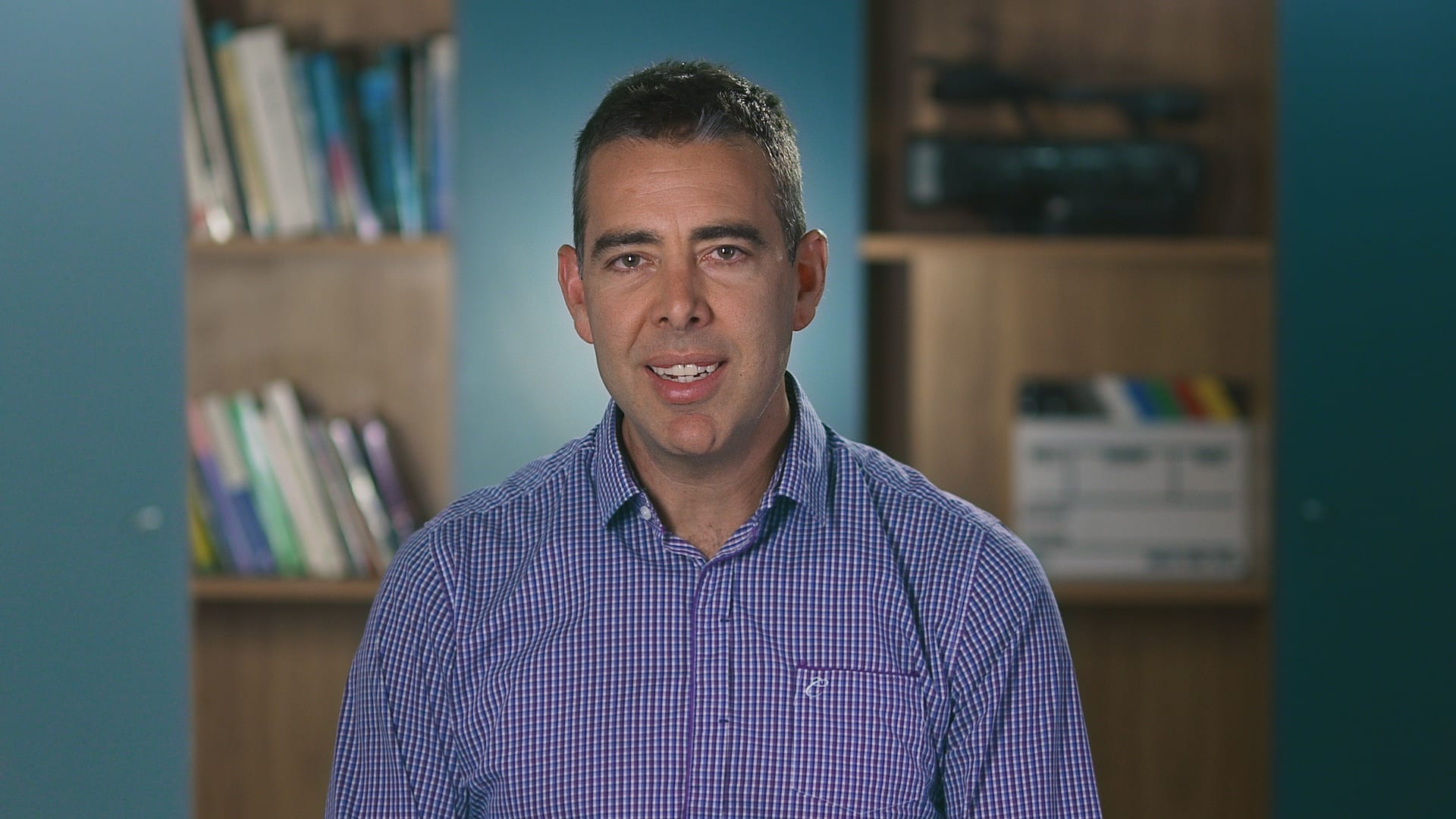
Ryan Spanger is the founder and managing director of Dream Engine, a Melbourne video production company established in 2002. Over the past two decades, he’s produced hundreds of videos for businesses, government departments, universities and healthcare organisations across Australia. Ryan specialises in helping organisations explain complex ideas through clear, engaging video content, with particular experience in corporate communications, training and education.