In this guide
The 2017 New Zealand Police Campaign
In November 2017, New Zealand Police released a campaign that caught our attention as an example of using video for recruitment. The two-and-a-half-minute film used a fast-moving sequence, humour and a range of policing roles to introduce the organisation. According to the campaign launch announcement, 70 staff members took part, alongside the police pipe band and specialist teams.
On 27 November 2017, New Zealand Police reported one million views in the first 12 hours.
What the Production Approach Shows
From a production perspective, the film shows the effort and planning of the shots needed to connect many short scenes. The movement carries viewers between locations and roles, while the staff on screen give the organisation a recognisable personality. For a recruitment brief, it is a useful example of showing the range of work and people involved. The style still needs to suit the organisation and the applicants it wants to reach.
Applying the Idea to Your Recruitment Brief
Start with the roles and people candidates need to understand. Agree on the audience, the work you can show and the message each scene needs to carry. Our video production brief guide can help you record those decisions.

For a workplace introduction, staff profile videos give team members room to explain their roles in their own words. Include practical written information about the work alongside the video so candidates can assess the opportunity.

If you’re planning a recruitment video to introduce your people and their work, get in touch with Dream Engine.
Recruitment video planning
Recruitment videos: frequently asked questions
Use the campaign as a reference for your own brief.
What made the 2017 New Zealand Police campaign distinctive?
The two-and-a-half-minute film used a fast-moving sequence, humour and a range of policing roles. The launch announcement reported 70 participating staff members, alongside the police pipe band and specialist teams.
Should every recruitment video use the same style?
Choose the style around the organisation and the applicants you want to reach. The useful planning principle is to show the people and range of work clearly, using scenes that support the recruitment brief.
What should I decide before filming a recruitment video?
Agree on the audience, roles, people, locations and purpose of each scene. Give the production team a written brief, and include practical information about the work alongside the finished video.
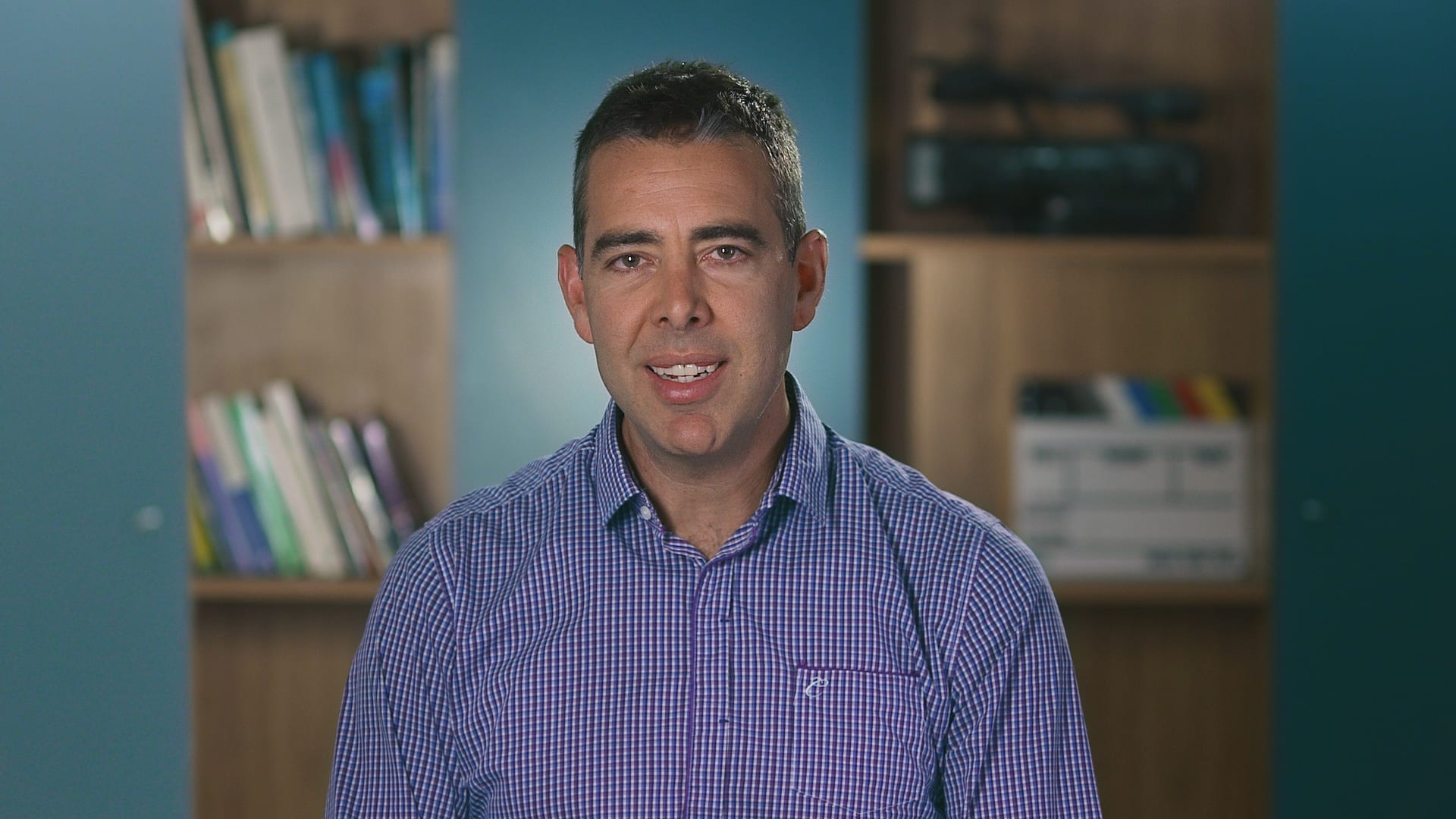
Ryan Spanger is the founder and managing director of Dream Engine, a Melbourne video production company established in 2002. Over the past two decades, he’s produced hundreds of videos for businesses, government departments, universities and healthcare organisations across Australia. Ryan specialises in helping organisations explain complex ideas through clear, engaging video content, with particular experience in corporate communications, training and education.