Video marketing helps Melbourne businesses show their people, explain services and demonstrate products. It works best when each video answers a question the audience already has. Before production, decide where the video will appear, what information it should cover and how your team will assess its usefulness.
Marketing managers, communications leads and business owners often need several kinds of content from the same production. A customer interview might support a case study, a service page and a sales follow-up. Planning those uses together helps you brief the crew, schedule the right interviews and allow enough time for each edit.
Dream Engine works with Melbourne organisations to plan, create and publish video content around their communication goals. We help define the message, plan the production and prepare videos for the agreed channels, with clear deliverables, review stages and a schedule your team can work with.
Video Production and Video Marketing Serve Different Roles
Video production focuses on creating the content itself. It covers planning the shoot, filming, lighting, sound, editing, and delivering a finished video asset. The outcome is a piece of content that looks and sounds right.
Video marketing sits around that content. It’s all about why the video exists, who it is for, where it will be used, and how it supports a broader goal. This includes video funnels, lead nurture, strategy, distribution, and reviewing analytics.
In practice, strong video marketing relies on good production. A well-made video is easier to use across websites, campaigns, and sales processes. But production on its own does not guarantee results. Without a plan for placement, context, and measurement, even a polished video can underperform.
This is why many organisations move beyond one-off video projects and adopt a video marketing approach. The focus shifts from making individual videos to building a system that supports communication, engagement, and decision-making over time.
The Evolution of Video Marketing
Video marketing uses videos at different stages of the buying process to help people understand who you are and how you can help them.
Modern video marketing brings together four elements that need to work together.
Strategy and messaging. Understanding your audience, clarifying your message, and deciding what your viewers need at each stage.
Production and creative. Creating high-quality content that communicates with clarity and reflects your brand.
Distribution and engagement. Ensuring the video is published on the right channels in the right formats so the right people see it.
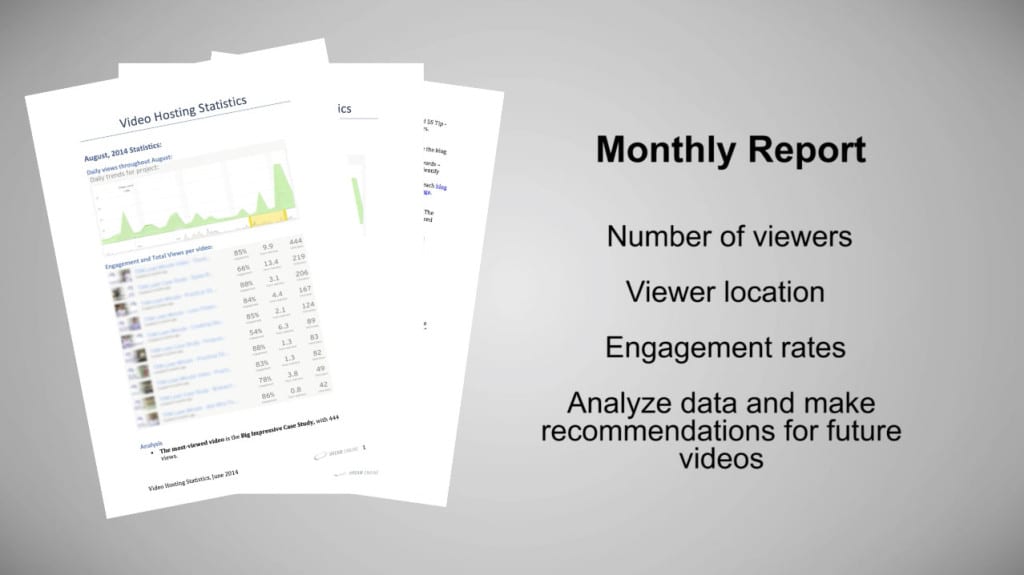
Analytics and improvement. Using the heatmaps, retention curves and platform insights available in your setup to assess viewing behaviour and decide what to improve.
Planning these four parts together helps each video reach the right people with useful information.
How Video Marketing Supports Melbourne Businesses
Every organisation has different challenges. Some want to explain complex information clearly. Others want to demonstrate capability. Many want to maintain a steady online presence without stretching their internal team.
Strategic video marketing helps you:
- Communicate clearly. Show a process or demonstrate a product while explaining the details viewers need to understand.
- Increase website engagement. Give visitors relevant information, then measure whether the video supports viewing, enquiries or other actions on that page.
- Improve lead quality. Educational content reduces friction and helps prospects arrive informed.
- Strengthen your sales process. Sales teams use video to explain, demonstrate, and reassure.
- Create consistent content. Build a library of assets that your team can use throughout the year.
- Measure what works. Analytics reveal how people watch and where they take action.
Video Content for Every Stage of the Customer Journey
Your audience needs different information at different stages of their decision-making. We help you identify which videos support each step.
Awareness
- Short social clips
- Brand introduction videos
- Thought leadership content
- Top of funnel explainers
Consideration
- Case studies
- Testimonial videos
- Product walkthroughs
- Educational content
Conversion
- Landing page videos
- Process explanations
- Why choose us videos
- Objection handling videos
Retention
- Training and onboarding content
- Internal communications
- Customer success stories
- Updates and announcements
Strategic Planning
Before any filming begins, we help you answer the key questions that shape your content.
- Who you are speaking to
- What challenges they face
- What they need to understand before taking action
- What objections commonly arise
- Where each video will live
- How the content supports your goals
This process brings clarity for marketing and communications teams and ensures the project stays focused.
Distribution and Publishing
A well-produced video is only valuable if your audience actually sees it. We guide you on how to publish, format, and use your content across:
- Websites and landing pages
- YouTube
- Paid campaigns
- Email sequences
- Sales proposals and presentations
- Event screens
- Training and onboarding portals
We assist with aspect ratios, captions, thumbnails, duration, and best practice for each platform.
For platform-specific planning, formats and practical publishing advice, see our social media video production guide.
Using Video to Improve Lead Quality
The most useful video marketing does more than generate attention. It helps prospective clients understand the problem you solve, see how you work and decide whether your organisation is the right fit. When people receive the right information before making contact, sales conversations tend to begin with greater confidence and fewer basic questions.
Formats that commonly support lead generation include service-page videos, explainers, customer testimonials, case studies and product or process walkthroughs. Each format answers a different question and should be placed at the relevant point in the customer journey.
Paid Campaigns and Landing Pages
Short video creative can earn attention on LinkedIn, Meta and YouTube, then support retargeting as viewers become more familiar with your organisation. The first video does not need to force an immediate conversion; its role may be to introduce the problem, demonstrate expertise and prepare the viewer for the next step.
On a landing page, a focused video can give visitors a clear overview without asking them to interpret long blocks of text. It should reinforce the offer, answer the most important questions and sit close to the appropriate call to action.
Sales Follow-up and Email Nurture
Video can also support the sales process after an enquiry. A short process explanation, demonstration or relevant case study can help additional decision-makers evaluate the proposal and reduce uncertainty.
Educational videos in email nurture sequences build familiarity without applying unnecessary pressure. Analytics then show which topics hold attention, helping marketing and sales teams improve future content and follow-up.
Analytics and Heatmaps
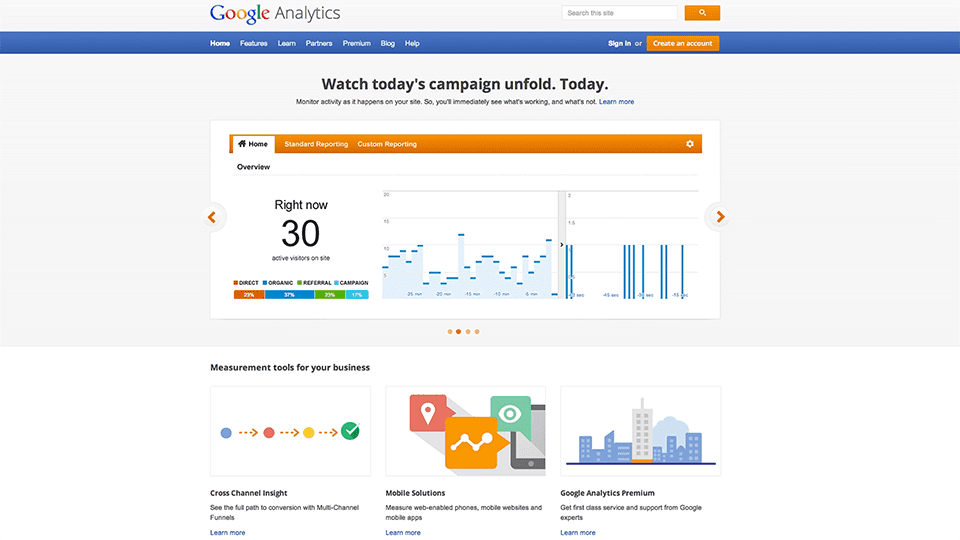
Analytics can show how people interact with a video, although viewing behaviour alone does not explain why someone buys or enquires. Depending on your hosting platform and tracking setup, you may be able to review:
- Watch time and retention
- Drop off points
- Replays
- CTA click activity
- Page behaviour before and after adding video
- Performance differences between versions
We help you interpret this data so future content becomes stronger and more effective.
Video Marketing Programs and Content Libraries
Many Melbourne organisations now prefer an ongoing video marketing partnership rather than occasional production. This gives them consistent content without the need to brief new suppliers each time.
Ongoing Video Content Programs
Quarterly or monthly programs offering a steady flow of material for campaigns, social channels, internal communication, and evergreen content needs.
Content Library Builds
Filming sessions planned to create a comprehensive set of videos in a single project. These libraries often include:
- FAQs
- Testimonials
- Case studies
- Product demos
- Team profiles
- Training material
- Onboarding videos
- Social cut downs
Why Melbourne Organisations Choose Dream Engine
Dream Engine has produced video content for major brands, government departments, universities, and fast-growing medium-sized companies for more than twenty years. Clients work with us because they want a reliable partner who communicates clearly and delivers consistently.
- Professional crew used to sensitive environments.
- An agreed scope, review process and delivery schedule.
- High production values.
- Strong messaging and structured storytelling.
- Support with publishing and formats.
- Respect for deadlines and internal approval processes.
Our work gives clients confidence that their content will be produced to a high standard and delivered on schedule.
Case Study Snapshots
Florey Institute
Produced a suite of videos that helped their team communicate complex medical research clearly to the public and to stakeholders.
Mosaic Private
Created a large evergreen content library that supports marketing, sales, onboarding, and investor communication.
Corporate Event Teams
Regularly produce highlight videos and photography for conferences and symposiums. These assets are used for internal reporting and future event promotion.
Frequently Asked Questions
Video Marketing Melbourne – Frequently Asked Questions
What is the difference between video production and video marketing?
Video production is the creation of the video. Video marketing covers strategy, planning, distribution, analytics, and how each video supports your customer journey.
How do you measure video performance?
We agree on useful measures before publishing, such as watch time, retention, enquiries or clicks on a call to action. Heatmaps and website behaviour reports depend on the platform and tracking available. We interpret these alongside your campaign goals and other activity.
How long should a marketing video be?
Thirty seconds to two minutes is a useful starting range for planning a website or campaign video. The right length depends on the audience, placement and information required. Educational videos can be longer when viewers need that detail; use performance data to refine later versions.
Do you help with scripting and message development?
Yes. We guide you through message structure, audience needs, and scripting so the video communicates with clarity.
Where should we publish our videos?
We provide guidance for websites, YouTube, LinkedIn, social platforms, paid campaigns, email sequences, and sales collateral.
What affects the cost of video marketing?
Cost depends on the number of videos, production complexity, filming days, locations, animation needs, and distribution support.
How long does a project take?
Simple projects can take one to two weeks. Larger programs or content libraries may span several weeks depending on scale and approvals.
Do you offer ongoing video programs?
Yes. Many clients prefer a monthly or quarterly program that delivers consistent content without additional briefing overhead.
What industries do you work with?
We have deep experience in finance, healthcare, construction, education, government, and professional services.
Ready to Improve Your Video Marketing
If your organisation is ready to use video more effectively, we can help. Whether you need a full content library, support with strategy, or a high quality production partner, Dream Engine will guide you through the process.
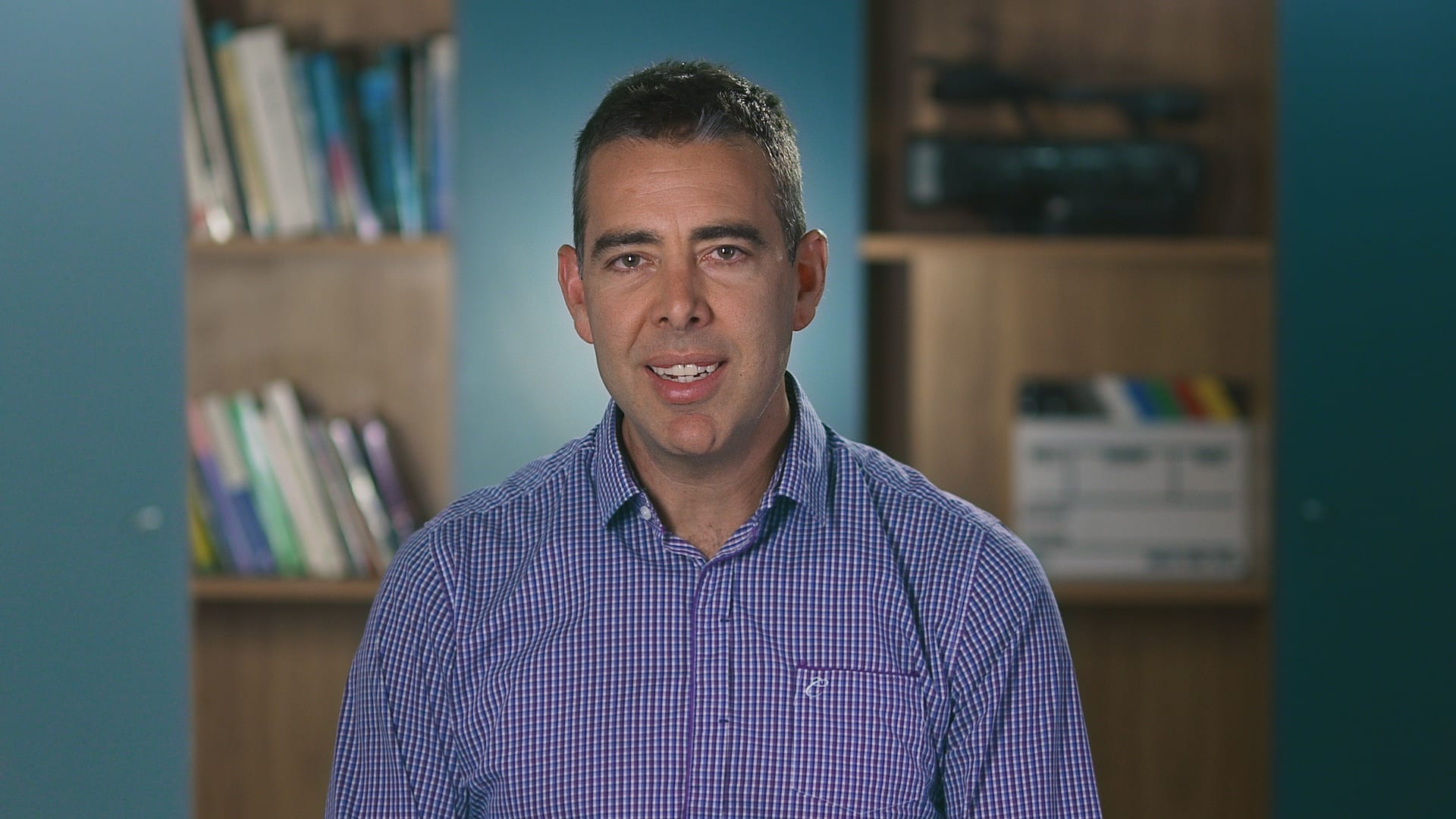
Ryan Spanger is the founder and managing director of Dream Engine, a Melbourne video production company established in 2002. Over the past two decades, he’s produced hundreds of videos for businesses, government departments, universities and healthcare organisations across Australia. Ryan specialises in helping organisations explain complex ideas through clear, engaging video content, with particular experience in corporate communications, training and education.