In this guide
This guide explains the different roles of video production and video marketing. Use it to decide what needs to be made, how it will reach the intended audience and how you will assess the response.
What Is Video Production?
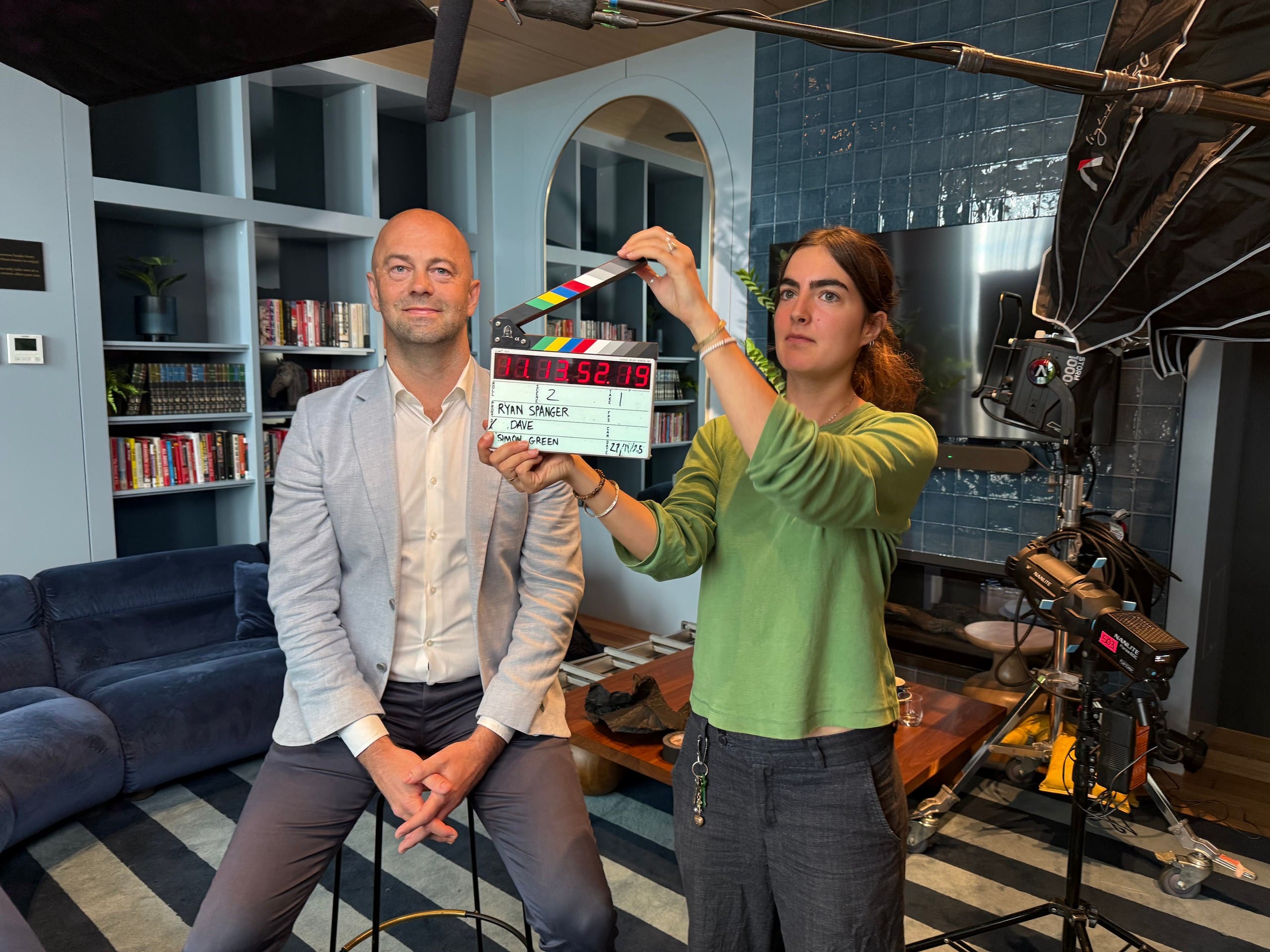
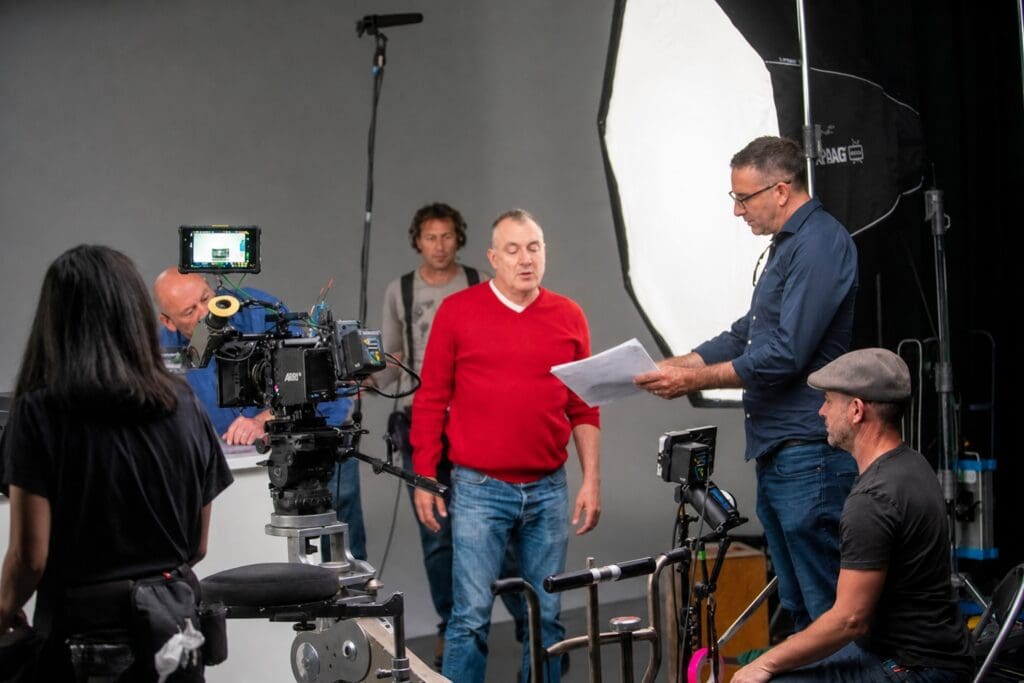
Video production is the process of creating the video itself. It includes concept development, scripting, filming, editing, graphics, and delivery. The production team turns the agreed script or outline into recorded footage, graphics and a finished edit.
For examples of the types of videos Melbourne businesses rely on, explore our dedicated service pages:
These pages show the range of production styles, from interviews and case studies to training content and event coverage.
Key Elements of Video Production
- Concept development
- Scriptwriting or interview planning
- Filming on location or in studio
- Lighting, sound recording, and direction
- Editing, animation, colour correction, and sound mix
- Final delivery in the required formats
Production determines how the video is made. For a marketing project, it needs to follow a brief that identifies the audience, message and intended use. Internal training or documentation may have a different communication purpose.
What Is Video Marketing?
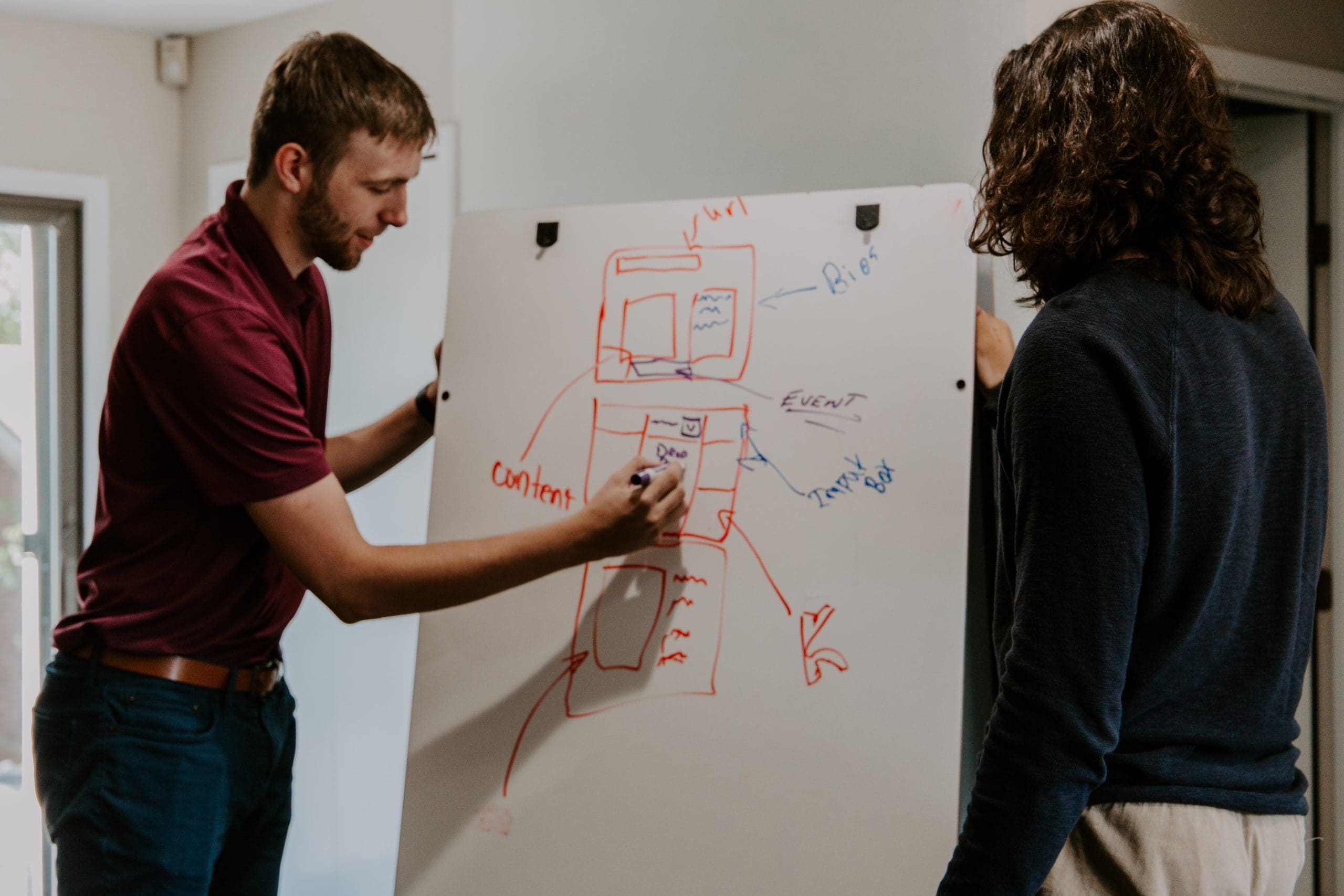
Video marketing focuses on how video supports your wider goals. It asks bigger questions about audience, timing, channels, messaging, and what a viewer should do after watching.
A clear video marketing plan covers:
- Who the video is for
- What problem it solves
- Where it will live on your website or marketing funnel
- How it aligns with your brand and messaging
- How it helps move someone closer to an enquiry or purchase
If you are looking to use video as part of a broader lead generation process, these related articles from our Lead the Way series will help:
Where Video Marketing Makes the Difference
A video marketing plan ensures your video fits into a clear structure, such as:
- Attracting new leads at the top of the funnel
- Building trust through thought leadership
- Addressing objections through case study videos
- Helping prospective customers understand a product through demonstrations
Without a plan, even beautifully produced content can underperform or go unused.
Plan Production and Marketing Together
Production and marketing involve different tasks, whether one team handles both or separate specialists work together. Agree the audience, message, distribution and required versions before filming so the production brief reflects the campaign.
At Dream Engine, we start by understanding your audience, what they need to know and where the video will be used. We use that information to plan the filming and editing, and discuss any marketing support required as part of the scope.
Planning these details together can reduce the need to revisit filming or create unplanned versions later. Our video production brief guide can help you set out the audience, purpose and required versions.
Examples of Production and Marketing Working Together
Case Study Videos
A case study answers potential clients’ questions through an interview with someone you’ve helped. Our Case Study Video insights explain how to use these videos effectively.
Training Videos
Internal training is a communication project rather than necessarily a marketing activity. The same planning principle applies: define what learners need to do, where they will access the video and how understanding will be checked. Our Training Video Service Page covers the full process.
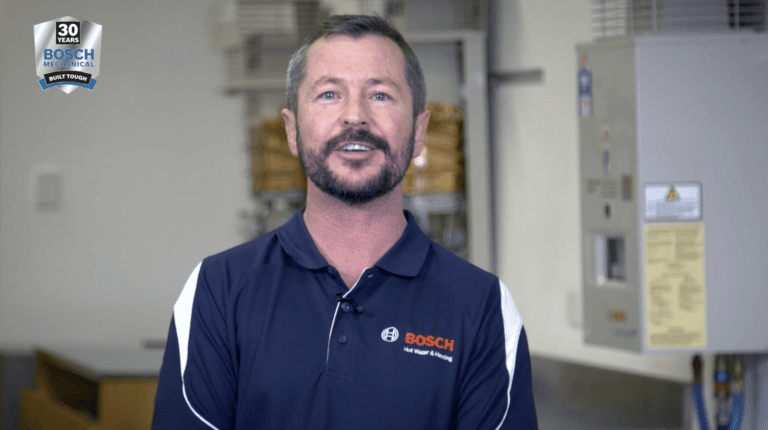
Corporate Brand Videos
Brand videos support positioning and messaging. They must sit neatly within a website, presentation, or campaign to make sense to the viewer.
When Should You Focus on Production vs Marketing?
Focus on Production When:
- You need high-quality visuals for a brand launch
- You are filming interviews, testimonials, or internal communications
- You need to improve the production quality of your content
Focus on Marketing When:
- You want a video to drive enquiries or leads
- You are planning a new campaign and need content to support it
- You need to map how multiple videos fit together
For the strongest results, combine both disciplines from the start.
Planning and production
Video marketing and production: frequently asked questions
Different tasks, with a shared purpose.
What is the main difference between video marketing and video production?
Video production is about creating the content. Video marketing focuses on how that content supports your wider goals and where it fits in your overall plan.
Do I need a video marketing plan for every project?
Not always. Simple videos such as interviews or training clips can work without a full strategy. But any video designed to generate leads or build trust benefits from a clear plan.
Can a beautifully produced video still fail?
Yes. Production quality helps, but without the right message, placement, and purpose, even great-looking content can have a limited impact.
Does Dream Engine handle both production and strategy?
Yes. Our approach integrates marketing and production so your video supports your broader goals while still looking polished and professional.
Where should my video live for best results?
Choose where your intended audience is likely to need the information. A service page, email, LinkedIn post or targeted campaign may suit different uses. Check the response rather than assuming one placement will work best.
Talk to Us About Your Video Marketing Strategy
If you want your next video to support your wider goals, our team can help you plan, produce, and distribute content that works across your marketing funnel. Contact Dream Engine to discuss your project.
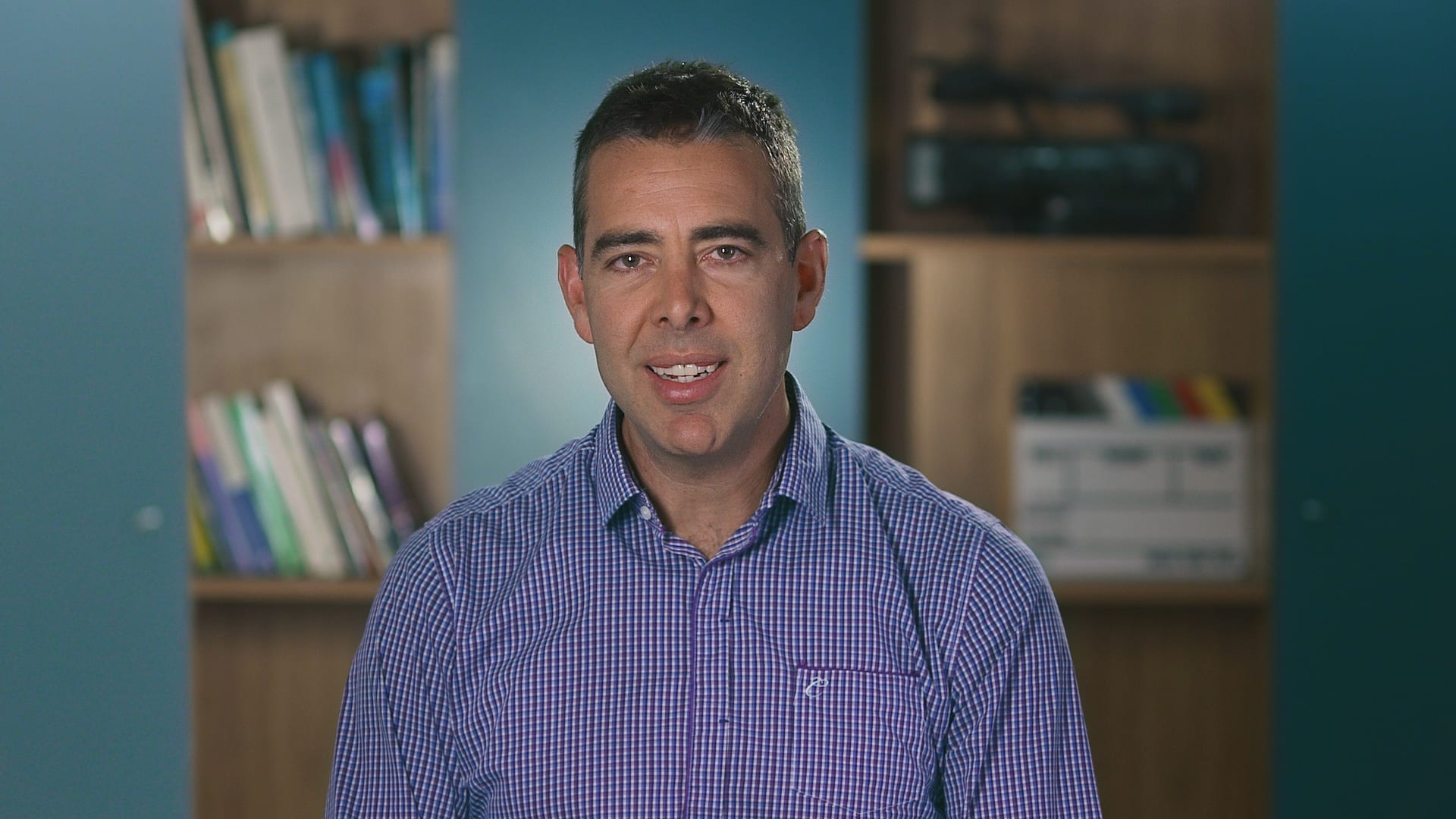
Ryan Spanger is the founder and managing director of Dream Engine, a Melbourne video production company established in 2002. Over the past two decades, he’s produced hundreds of videos for businesses, government departments, universities and healthcare organisations across Australia. Ryan specialises in helping organisations explain complex ideas through clear, engaging video content, with particular experience in corporate communications, training and education.