
Turn the objective into a plan
Agree on the audience, message, budget and finished videos. Book the crew and locations, prepare contributors and set filming and review dates.
Video production company in Melbourne, Australia.
Work with a Melbourne video producer who plans the shoot, guides the interviews and manages the edit. Based in Prahran, Dream Engine produces corporate, training and customer story videos, with one producer as your main contact from the first conversation to delivery.
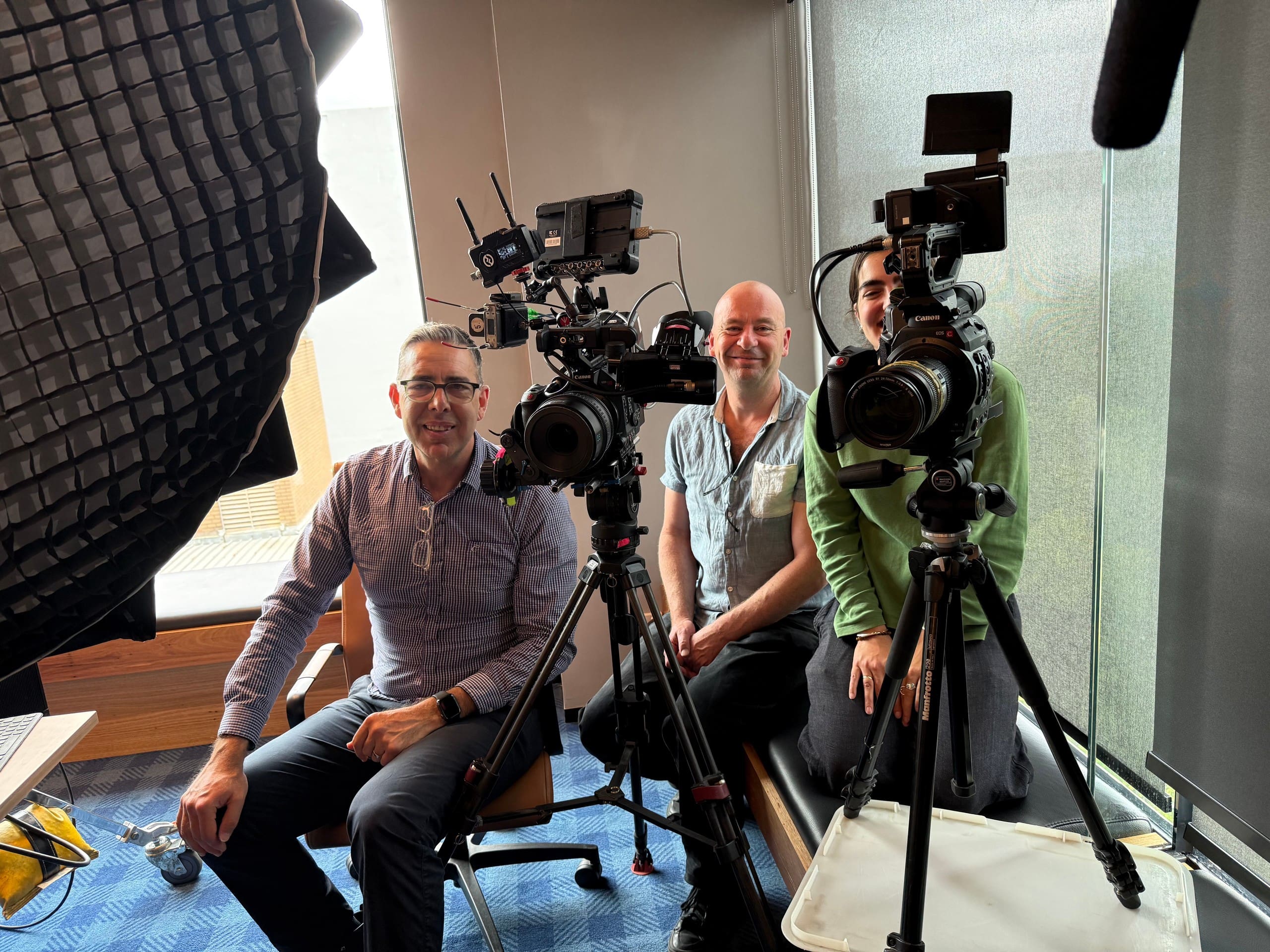
Your producer at Dream Engine
Dream Engine founder Ryan Spanger has produced hundreds of videos for businesses, government departments, universities and healthcare organisations across Australia since 2002.
Ryan holds a Postgraduate Diploma of Film and Television from the Victorian College of the Arts. His work includes planning leadership interviews, helping staff explain specialist subjects on camera and producing films that need approval from several people. You can see how that works in the Mosaic Private example below.
Your producer coordinates the crew and gives you a person to call when you have a question, need advice or want to change something.
Agree on the audience, message, budget and finished videos. Book the crew and locations, prepare contributors and set filming and review dates.
Brief the crew, prepare the people appearing on camera, direct interviews and adjust the plan when something changes.
Brief the editor, manage feedback, resolve conflicting comments and deliver the approved video in the agreed formats.
A producer organises the whole project: the approach, budget, crew, schedule and delivery. A video director concentrates on what happens on camera, including the interviews and performances. A camera operator is responsible for capturing the pictures. On smaller productions, one person may take on more than one role.
If you need help working out what to film, coordinating several contributors or getting the video through internal approval, a producer can manage that work with you. If you already have a producer, brief and schedule and need someone to film, our camera operator service may be a better fit.
At Dream Engine, the producer often directs interviews as well. They bring in camera operators, sound recordists, editors, animators or autocue operators according to what the job needs.
You don’t need a completed brief or script. Tell us who will watch, what they need to understand and where you’ll use the video. A deadline, an approximate budget and an example of a video you like will help us recommend an approach.
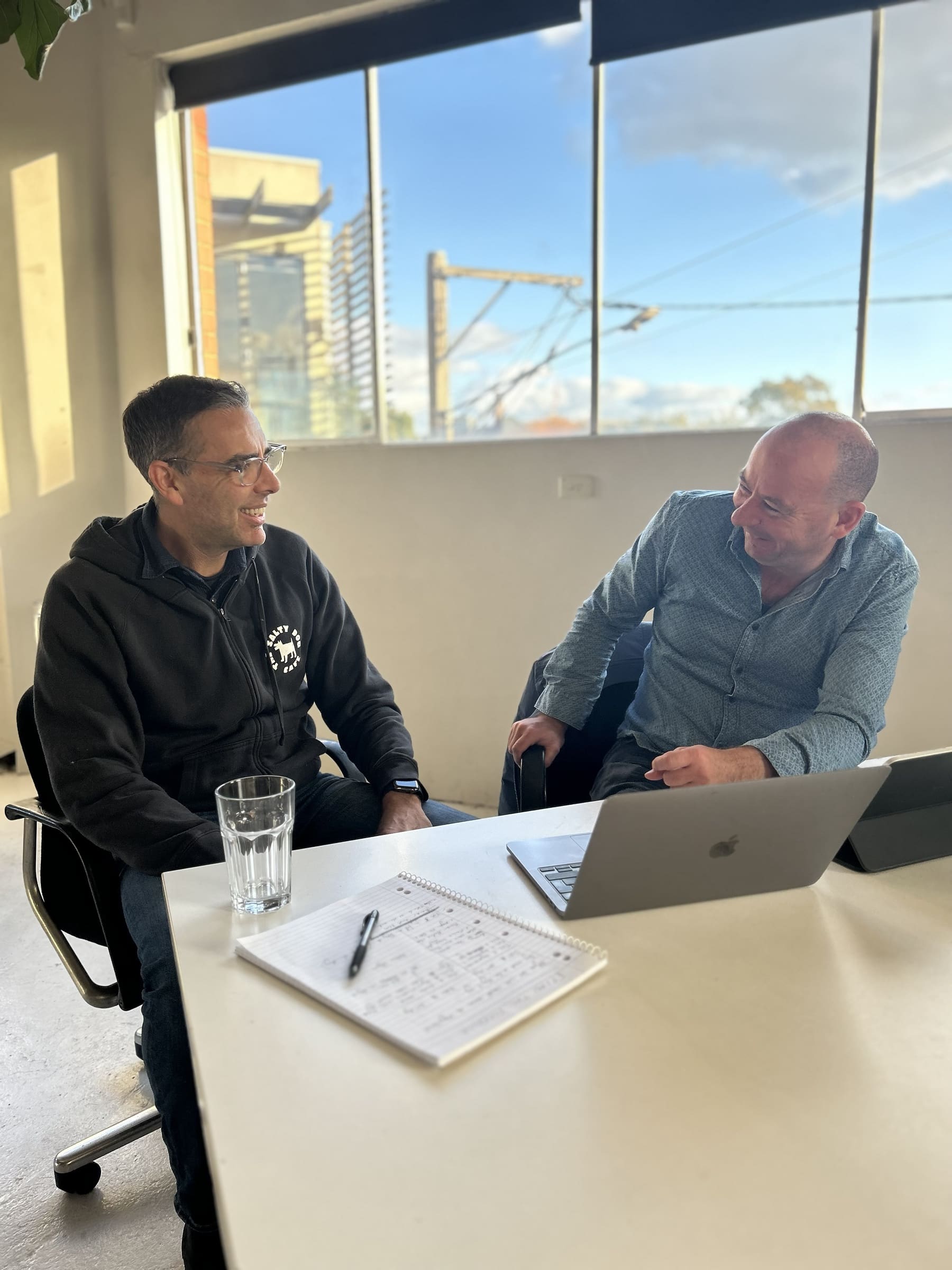

For an office interview, we need to check room noise, space for lights, access for equipment and when the speaker is available. If you also need vertical social clips, tell us before filming so we can plan framing and questions for those versions.
Corporate video projects often involve more people than those who appear on camera. Marketing or communications may lead the project, an executive may sponsor it, subject matter experts may check the detail and other stakeholders may need to approve the final message.
Your producer helps establish who needs to contribute, who has final approval and when decisions are needed. They prepare contributors, explain the process, keep everyone updated on the schedule and present clear options when choices need to be made.
For example, if a technical expert must check a product claim, involve them when we prepare the script or questions. Discovering after filming that a speaker’s explanation needs to change can mean recording the answer again. Your team makes the final call on factual accuracy and approved wording.
On filming day, your producer keeps the schedule on track and makes sure the client team, contributors and crew know what needs to be captured. They monitor the time and check that all agreed material is covered.
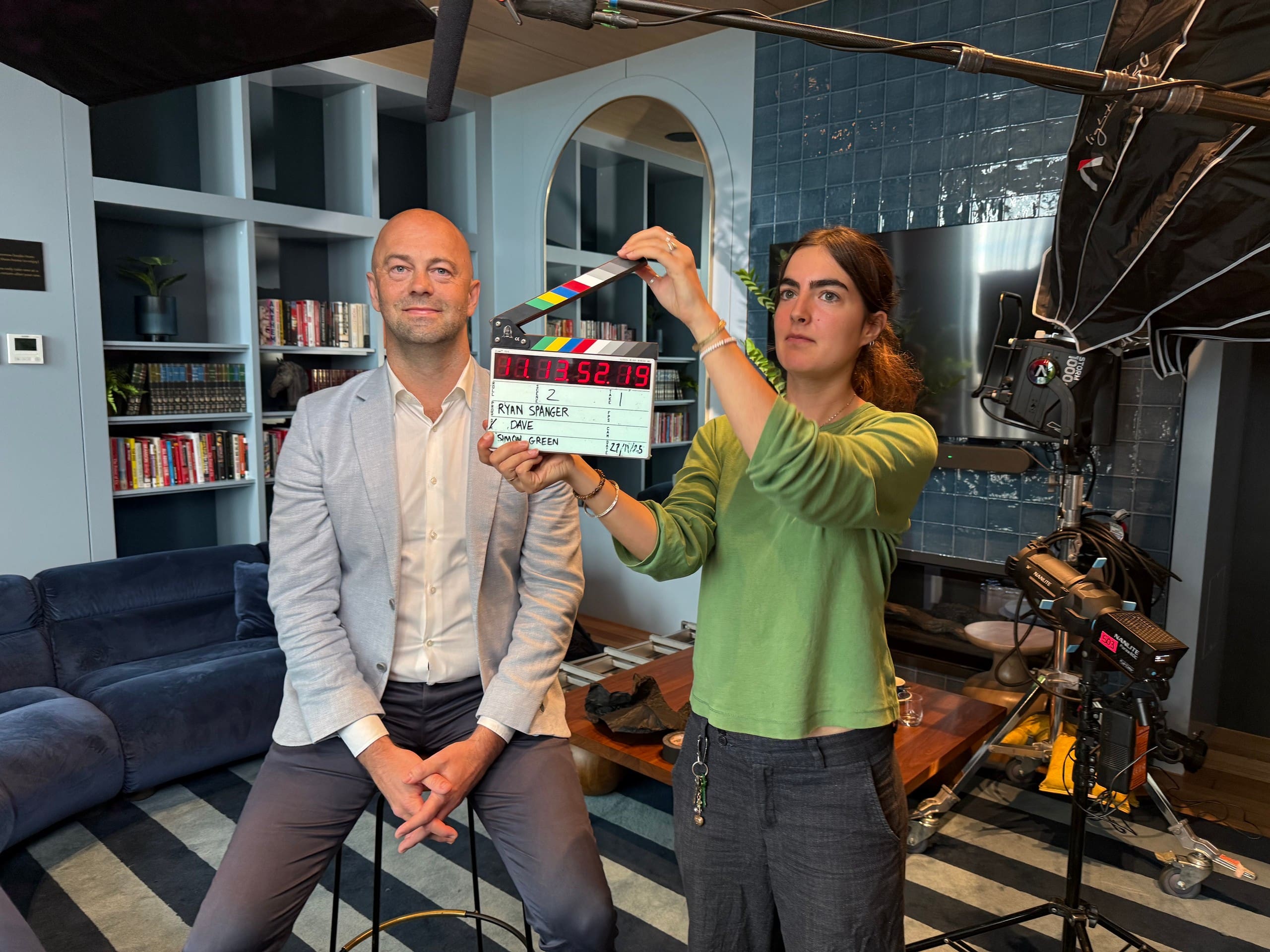
A speaker may become unavailable or a room may be noisier than expected. Your producer works through the options with the crew and your team. They also check that we have the supporting footage the editor will need, such as a process being demonstrated or the equipment an interviewee describes.
On many Dream Engine projects, the producer also directs the interviews. This means the person who discussed the objectives with you is also listening for the right material on camera.
We explain where to look, how the interview will work and that it’s fine to pause or start an answer again. During the conversation, the producer listens for specific examples. If someone says a new system saves time, a useful follow-up is to ask what the old process involved and what happens now.
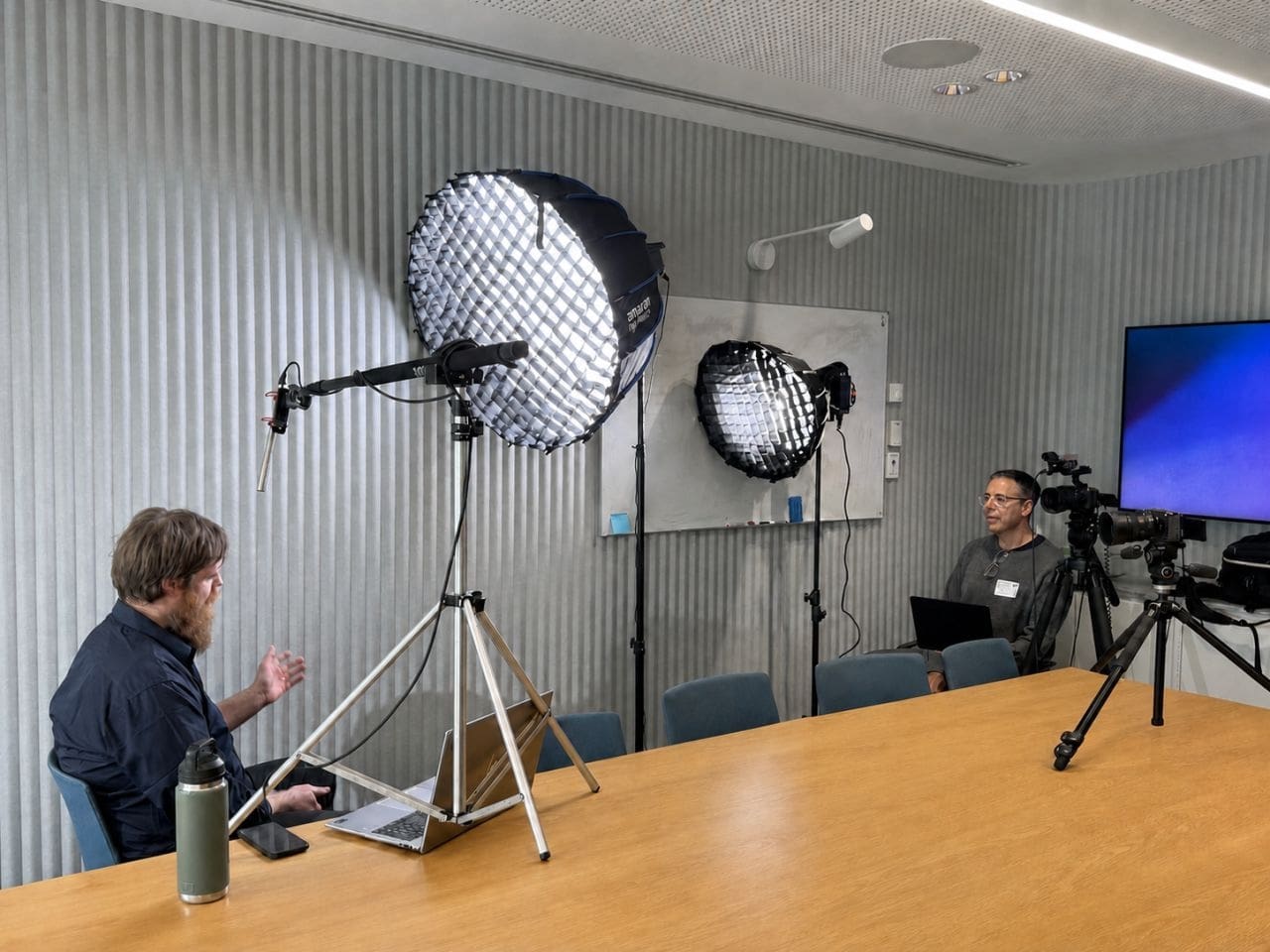
That gives the editor concrete material and helps the speaker explain the subject in their own words. If approved wording needs to be delivered exactly, we can prepare a script and use an autocue.
Your producer briefs the editor on the story, the intended audience and any decisions made during filming. They review the structure, interview selections and supporting footage, then coordinate your feedback and the agreed stages of editing, graphics, sound and colour.
We ask for one agreed set of comments at each review. Feedback such as “explain the installation before the interview at 00:45” gives the editor a specific change to make. If one reviewer wants more technical detail and another wants a shorter video, your producer helps you decide what the intended viewer needs.
After approval, the producer confirms the final versions and coordinates delivery in the formats agreed for your website, presentations, internal channels or social platforms.
The amount of producing work depends on the number of people and locations involved, how much preparation is needed and how many videos we’re delivering. One interview at your office needs a different plan from a series filmed across several sites.
When comparing quotes, check whether they cover planning, crew and equipment, filming, editing, revision rounds and final versions. Ask about travel, animation, voiceover, music licensing and captions where you need them. A filming day rate alone won’t tell you the cost of a finished video.
Tell us your budget and priorities early. We can discuss the scope and explain what the quote includes. If you later add interviews, locations or extra edits, we’ll work through the effect on cost and timing with you before proceeding.
Ask to see a complete video similar to the one you need. For an interview project, listen to how comfortably people speak and whether their answers make sense to someone unfamiliar with the subject. For training, check whether the video shows the task closely enough to follow it.
Ask who will produce your project, who will conduct the interviews and who you’ll deal with during editing. Discuss how much time your staff need to set aside and who needs to review the work. Those answers will help you judge whether the working arrangement suits your organisation.
You know the subject and the people in your organisation. We handle the production work. Agreeing on these responsibilities early helps you allow enough time for your part of the project.
Mosaic Private example
For Mosaic Private, we planned one day of leadership interviews to create a 3-minute 16-second end-of-year film and shorter videos about individual subjects, including the Sydney office and borrowers.
“A pleasure dealing with the Dream Engine team. Professional, responsive and high quality production.”
David Cowen, CEO (Co-Founder), Mosaic Private
We scheduled senior staff and board members for one organised filming day.
We prepared questions around separate subjects and made sure the answers contained enough context to make sense in a short video on their own.
We used controlled lighting, deliberate framing, two-camera coverage and professional sound across the interviews.
The main film brought together the annual message. The shorter edits gave Mosaic material to release over the following months without arranging another round of leadership interviews.
A video producer manages the budget, schedule, crew and decisions needed to take a video from the first conversation to delivery. At Dream Engine, your producer also helps develop the approach, prepares contributors and guides the edit.
Yes. Your Dream Engine producer is your main contact for planning, filming, editing and delivery. They brief the crew and editor, so you have someone who knows what was agreed and can answer questions as the project progresses.
Yes. Start with who the video is for, what you need to explain and when you need it. We can help prepare the brief and recommend interviews, a script, demonstrations or a combination. You can send examples and an approximate budget if you have them.
On many Dream Engine projects, yes. The producer prepares the interviewee, asks the questions and follows up on useful answers. Where a project needs a separate director, the producer coordinates that role with the rest of the crew.
We agree on who needs to review the work, who has final approval and when feedback is due. Your team provides one agreed set of comments for each review round. If comments conflict, your producer explains the options so the person responsible can make a decision.
We’re based in Prahran and produce videos across Melbourne and throughout Australia. We can coordinate filming at multiple offices or sites. Tell us where your contributors are based so we can allow for crew, access and travel in the production plan.
Tell us who the video is for, what you have in mind and when you need it. We’ll talk through the options, answer your questions and put together a plan and quote.
