Careful planning leading up to the livestream
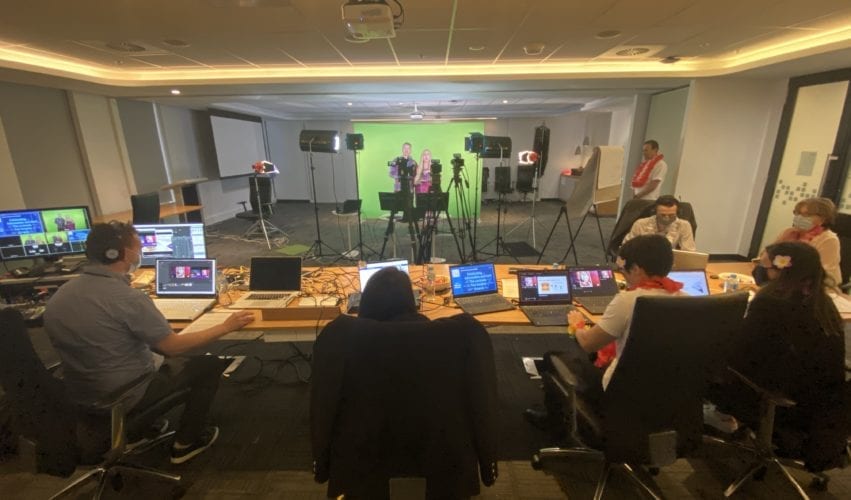
Planning will have the biggest impact on making your live-streaming video a success. Errors and hiccups can significantly detract from the experience. Be clear about the type of experience you want to curate. Not just what you want your audience to see and hear, but also how you want them to feel. What impact do you want to have? How can you bridge the digital divide and truly connect with your audience?
Set a realistic budget for your event
It’s essential to allocate an appropriate live-streaming budget to ensure you have the necessary resources to run a smooth, successful event. You only have one chance to get it right. Therefore, it’s crucial that you have the right team, resources, and time allocated to achieve a successful result.
Rehearse before the live stream
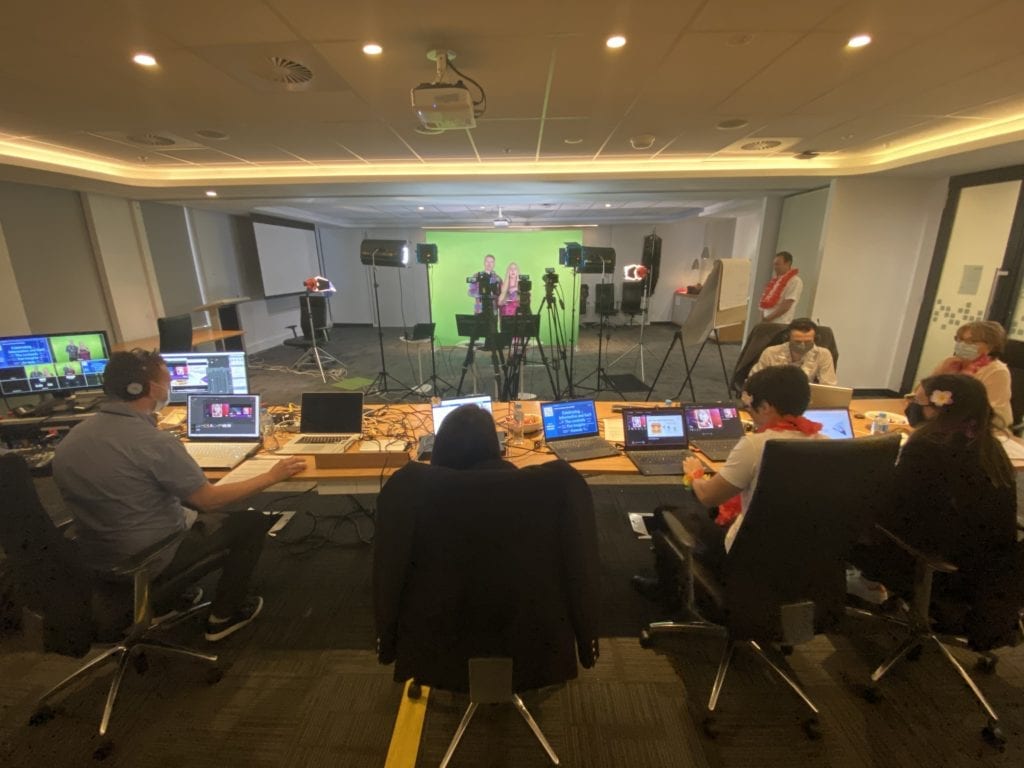
If possible, it’s ideal to conduct a full tech rehearsal the day before the live event. That way, you can ensure everyone involved is on the same page and identify potential challenges to overcome before the event.
Don’t just replicate a live in-person event on Zoom
There’s an energy to live, in-person events that makes them so special. Simply doing the same thing on a webcast just won’t achieve the same effect. This is a different medium. So, it needs to be approached differently. Learn more here about key differences between Zoom and live stream.
Allocate plenty of set-up time
Even if your live event is only an hour long, it’s ideal to allocate a few hours to set up, test and rehearse. You are putting on a show and, as already mentioned, you have one chance to get it right. Allocating sufficient time will reduce stress and the risk of things going wrong.
Encourage engagement and interaction
For your audience, watching a live stream event doesn’t naturally have the same level of intimacy and connection as attending an event in person. So, it’s important to find ways to engage them. For example, encouraging discussion and interaction through social media can help them feel involved. Give your viewers an opportunity to pose questions via the chat pad. Or have them engage in an activity that bonds them with other audience members.
Redundancy
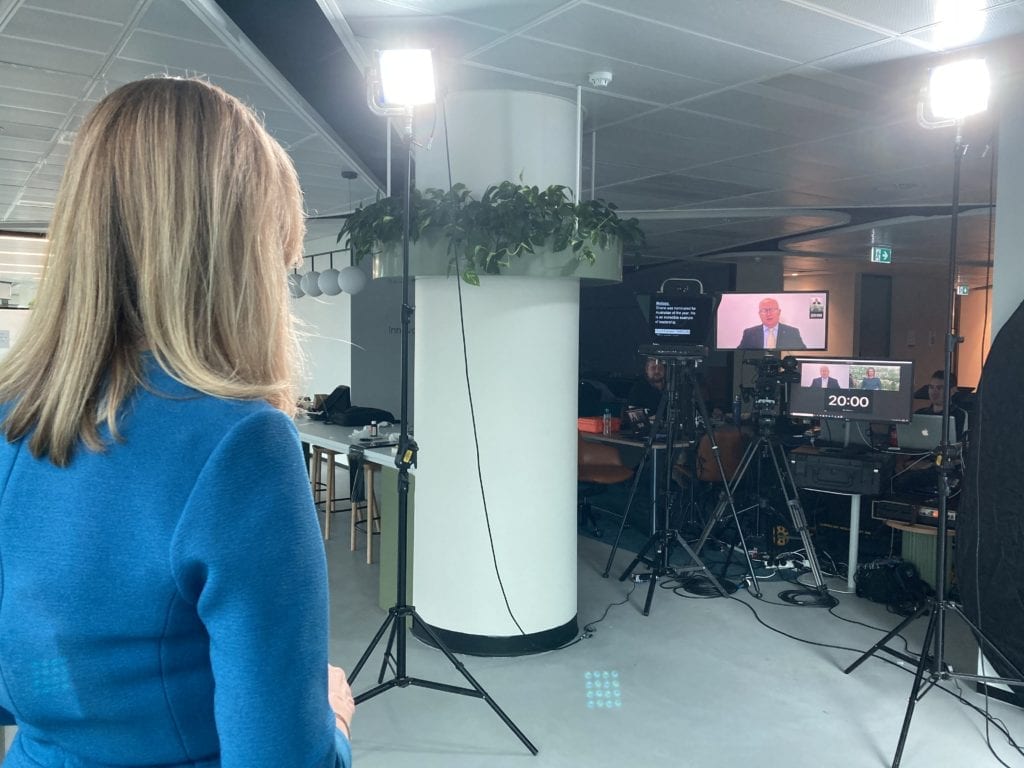
For smooth and successful livestream events, it’s important to analyse the process and identify potential weak links. Redundancy is good practice because it means having a backup for anything that may go wrong: If you’re relying on the location’s internet connection, even if it’s fast, it’s important to have a backup 5g bonded connection. Backup audio, lighting, cameras, and other essential equipment are also important.
Contingency
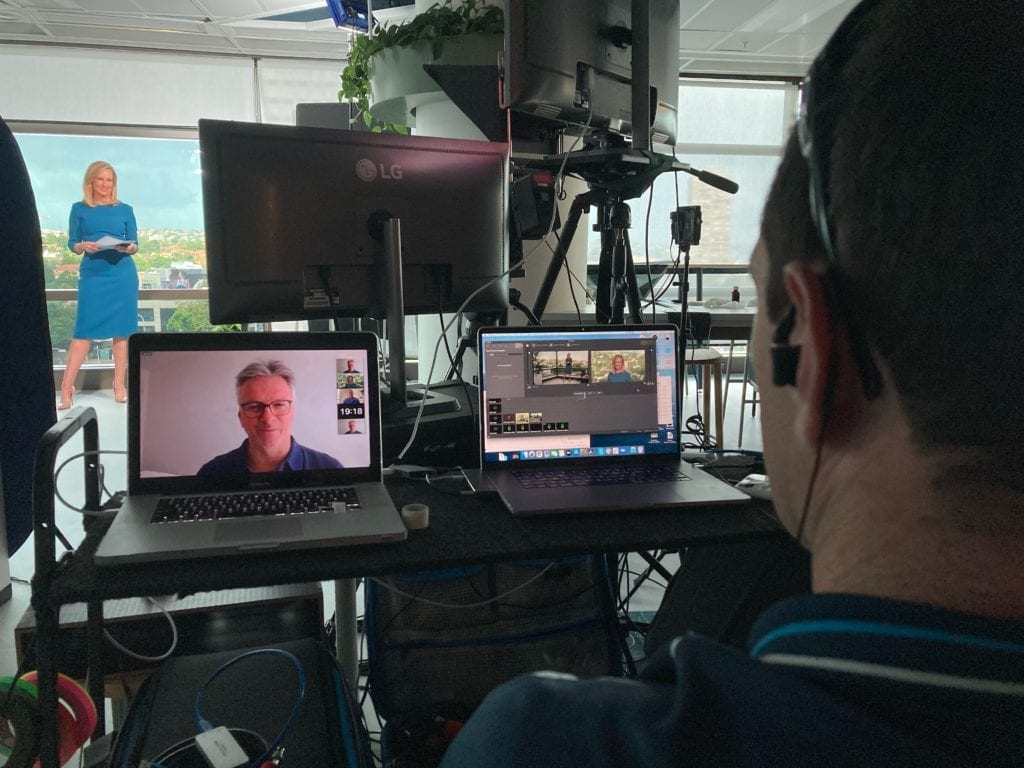
Have a plan in place for your presenters in case of a hiccup, such as when you switch to a remote Zoom interview, but your interviewee’s audio isn’t working. You may then cut to a pre-recorded video, engage in some banter, or opt for an alternative. Even the most masterfully planned events can throw curveballs at you. But if you’re prepared, you can sail through them with poise and grace.
Review
Once the event is over and you’ve celebrated your success, it’s important to conduct a review. What worked well? What can be improved? What have you learned from this livestream event to make your next one even better?
Ready to discuss your livestream event? Contact us, and we’ll be happy to help.
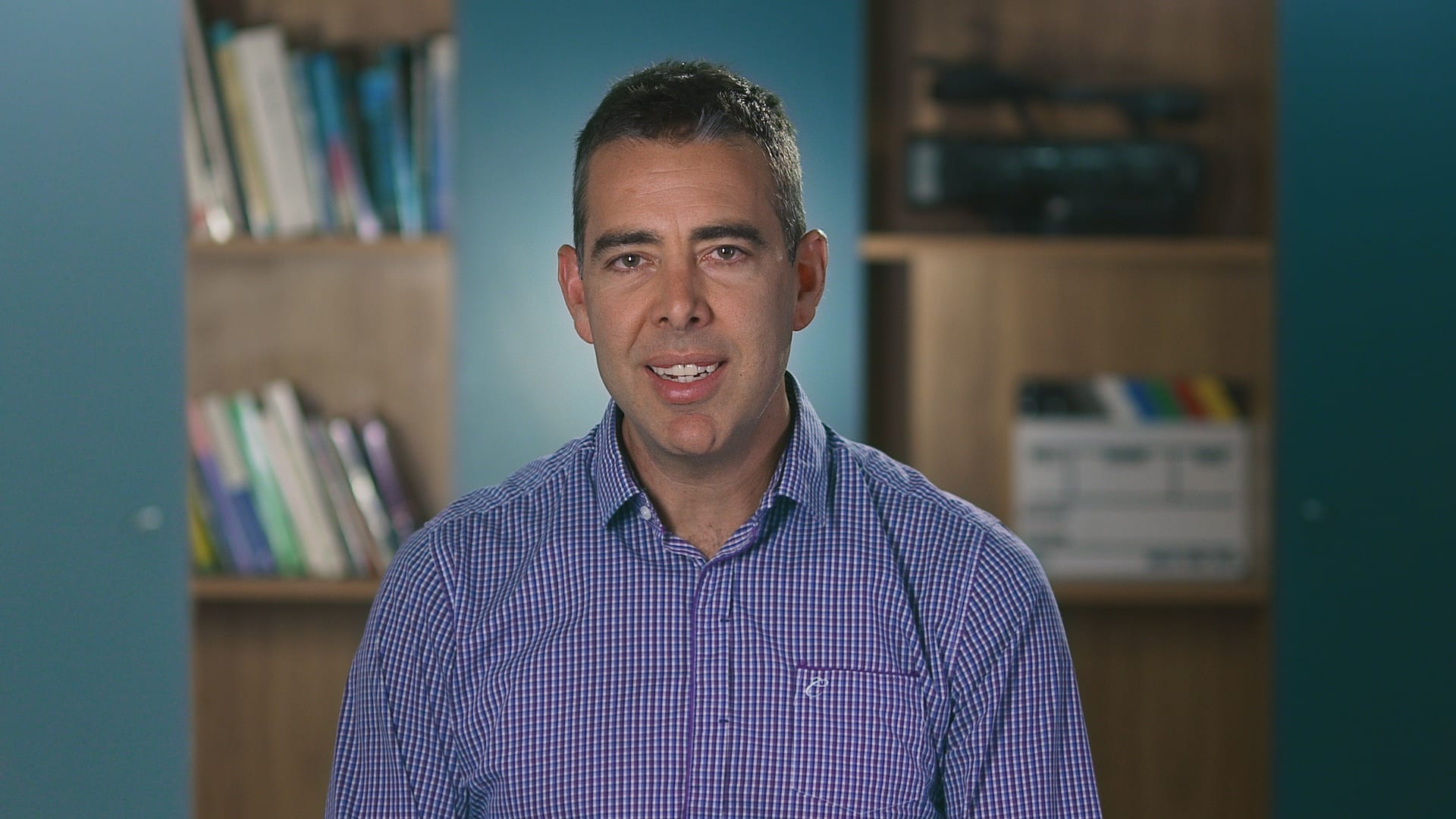
Ryan Spanger is the founder and managing director of Dream Engine, a Melbourne-based video production company established in 2002. With more than two decades of experience, Ryan has helped leading Australian businesses, government departments, and non-profits communicate their message with clarity and impact through video. He’s known for his strategic approach, reliable process, and commitment to producing videos that deliver measurable results.