How to Select the Right Video Production Company
A well-produced video can engage your audience, build trust, and support your marketing goals. Choosing the wrong video production company can lead to wasted resources and disappointing results.
With many options available, here are clear and practical ways to find a company that is the right fit.
Review Their Portfolio and Expertise
You wouldn’t hire an employee without reviewing their work. The same applies when selecting a video production company. Look closely at their portfolio to assess quality, consistency, storytelling, and technical skill.
What to look for:
- Full-length projects, not just highlight reels
- Work that reflects emotion, clarity, and intention
- Examples relevant to your industry
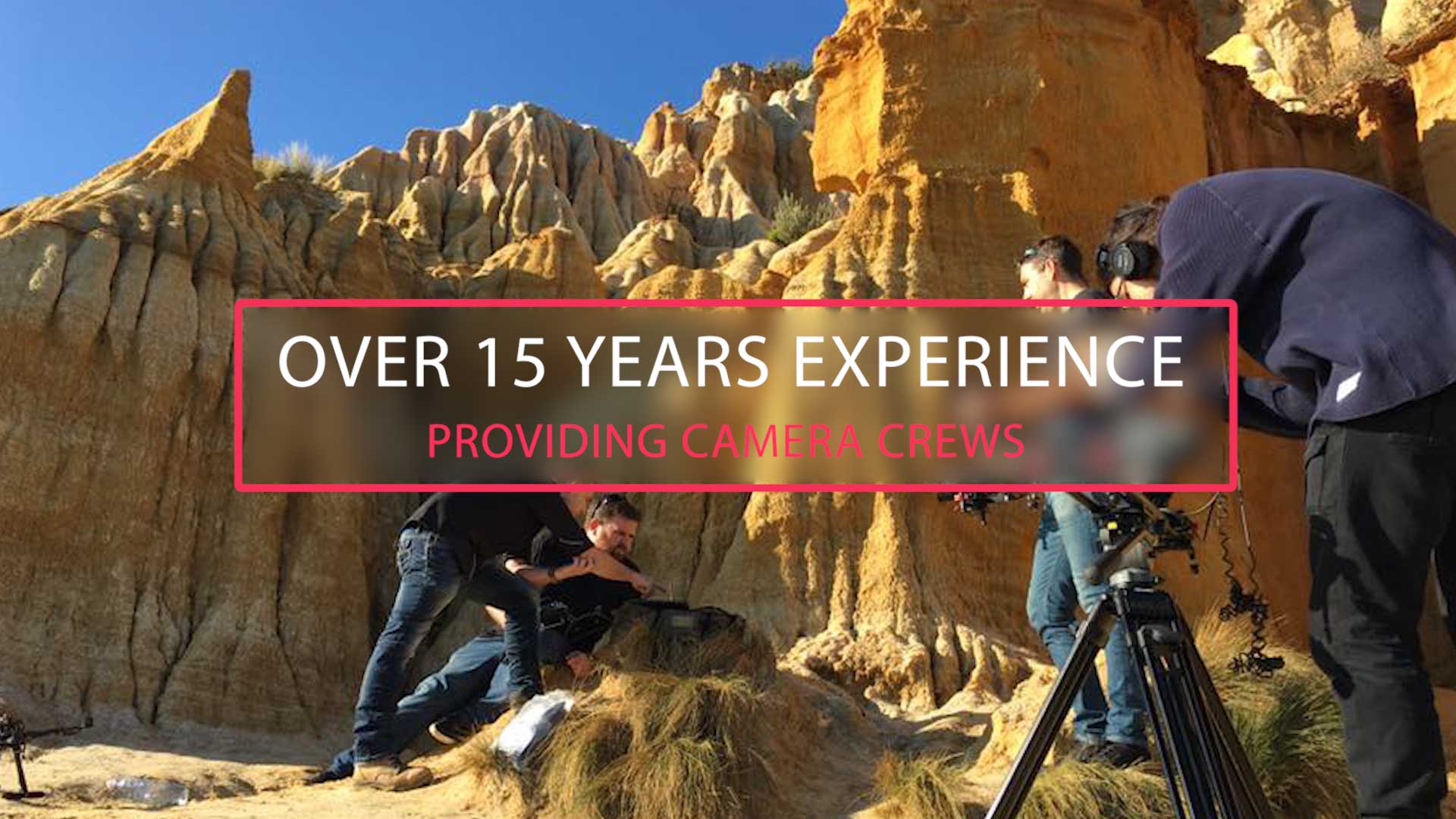
If you are based in Melbourne, a company with experience filming in workplaces, offices, clinical settings, industrial sites, or government environments will have practical insight into permissions, safety, and communication needs.
For example, when we filmed at The Florey Institute, we had to coordinate hospital clearances, staff schedules, and filming access. Experience like this supports a smooth production process.
Understand Your Budget and Expectations
It’s common to be unsure about video production costs at the beginning. A good production partner will help you understand what influences the budget and offer clear options.
Key factors:
- Scale of production: simple interview shoot or multi-location filming
- Crew size and equipment requirements
- Whether you need motion graphics, subtitles, or versioning for social media
- Number of revision rounds for editing
Discuss your budget early. A transparent company will provide a written scope of work, explain how the budget is utilised, and help you achieve the best result without unnecessary extras.
Communicate Your Vision Clearly
Before asking for quotes, prepare a video production brief that explains the audience, purpose and intended use. Giving each company the same information makes their proposals easier to compare.
Useful elements to share:
- Who the video is for and what you want them to do after watching
- The tone and style (natural, polished, documentary-style, animated, etc.)
- Where the video will be used: website, LinkedIn, internal training, events, advertising
A reliable production company will guide you through this process and help refine your message. They should ask questions, challenge assumptions when useful, and provide creative direction that supports your goals.
Check Client Testimonials and Reputation
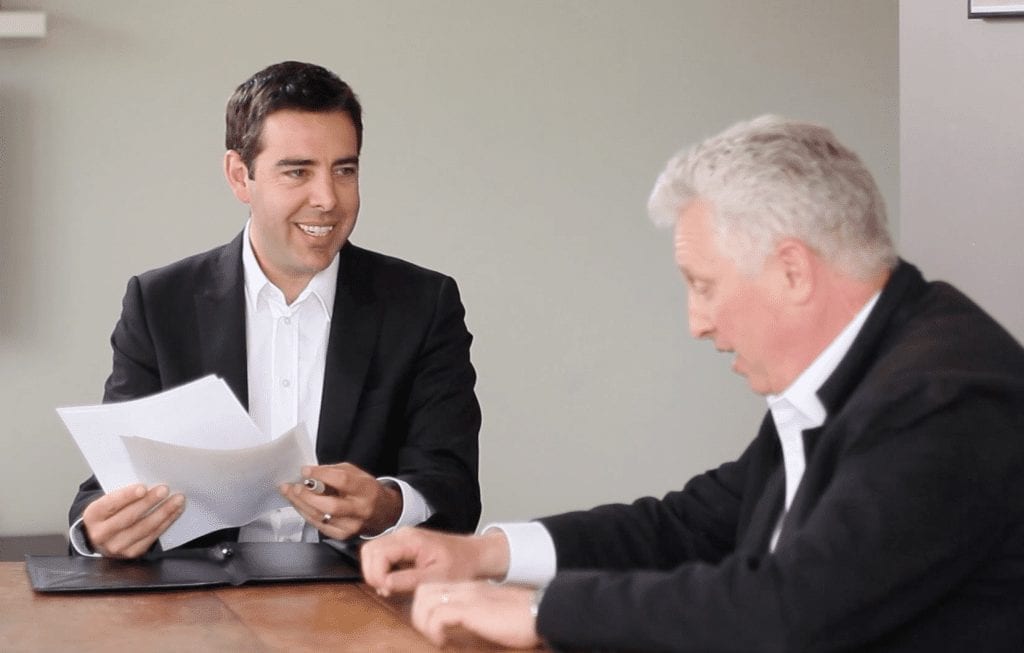
Past client experience is one of the strongest indicators of reliability.
Look for:
- Written testimonials and Google reviews
- Case studies describing the challenge, approach, and outcome
- Examples of long-term repeat clients
If possible, ask to speak with a previous client about their experience. You will quickly sense how the company communicates, manages schedules, handles pressure, and manages revisions.
Ensure a Strong Working Relationship
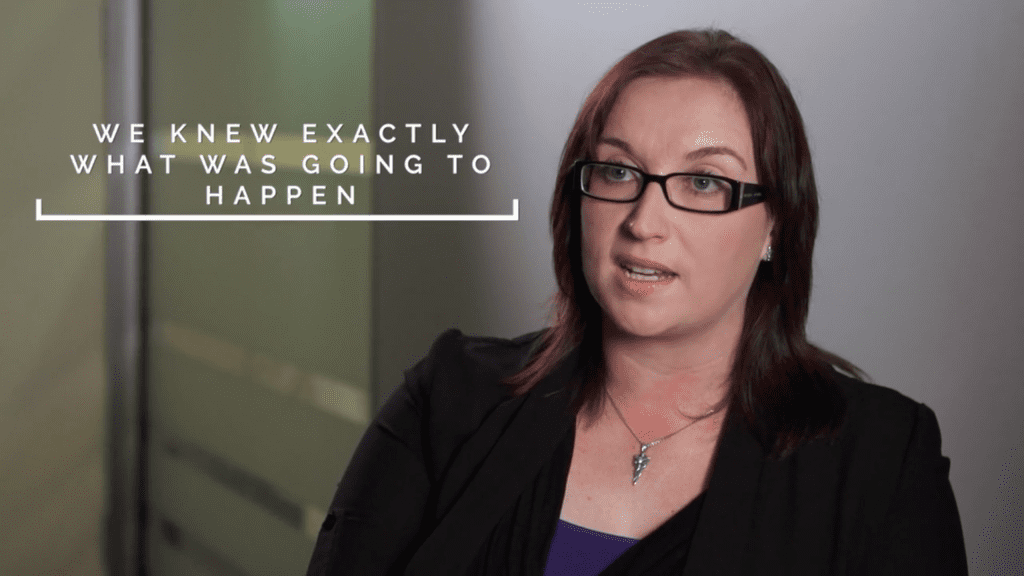
Technical skills and a great portfolio are important, but so is the ability to collaborate effectively. A video project requires teamwork, trust, and clear communication.
Before hiring, ask yourself:
- Do they listen to your needs and understand your goals?
- Are they responsive, professional, and easy to communicate with?
- Do you feel confident in their ability to handle unexpected challenges?
Agree on the main contact, review stages and approval responsibilities so both teams know how decisions will be made.
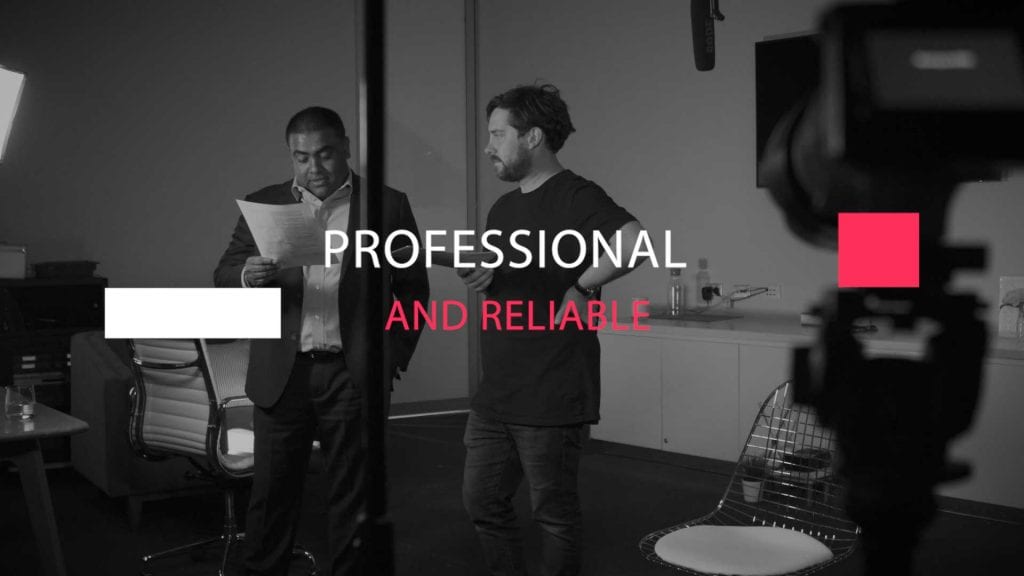
Watch for Red Flags
- No full projects in their portfolio
- Vague pricing with no detail on deliverables
- Slow response times early in the conversation
- Overpromising quick turnarounds without a proper schedule
- No clear process for revisions or approvals
Resolve unclear communication or scope before booking.
Before you accept a quote, use our pre-hire checklist to confirm insurance, footage backups, revision arrangements and who is responsible for delivery.
A Simple Production Process
A smooth project usually follows a clear structure:
- Initial planning call
- Pre-production: scripts, interview questions, scheduling, shot list
- Filming day
- Editing and review
- Revisions
- Delivery in the correct formats for your platforms
Confirm the responsibilities and deadlines at each stage.
Talk to Us About Your Video
At Dream Engine, we work with businesses, universities, government organisations, and professional services firms across Melbourne. Our goal is to create videos that feel natural, clear, and confident. We focus on organised planning, a calm set, and a thoughtful edit.
If you have a project in mind, we can review your brief or concept and give suggestions. The initial conversation can help you work out the scope before requesting a quote.
Get in touch to start the conversation.
Choosing a Video Production Company: Frequently Asked Questions
How many quotes should I get?
Two or three is usually enough. Compare scope, timelines, deliverables, and revision rounds, not just headline price.
What drives cost the most?
Crew size, filming time, number of locations, motion graphics, and the number of edit versions. Clear planning keeps costs sensible.
Do I need actors or a voice-over?
Not always. Authentic interviews often work best. For training or complex topics, a concise voice-over can help clarity and pacing.
How long should my video be?
Base the length on the audience, subject and where the video will be used. A short introduction may need a minute or two; a detailed demonstration or training piece may need longer.
Can you provide captions and multiple sizes?
Yes. We deliver captions and platform-ready versions in 16:9, 1:1, and 9:16 where required.
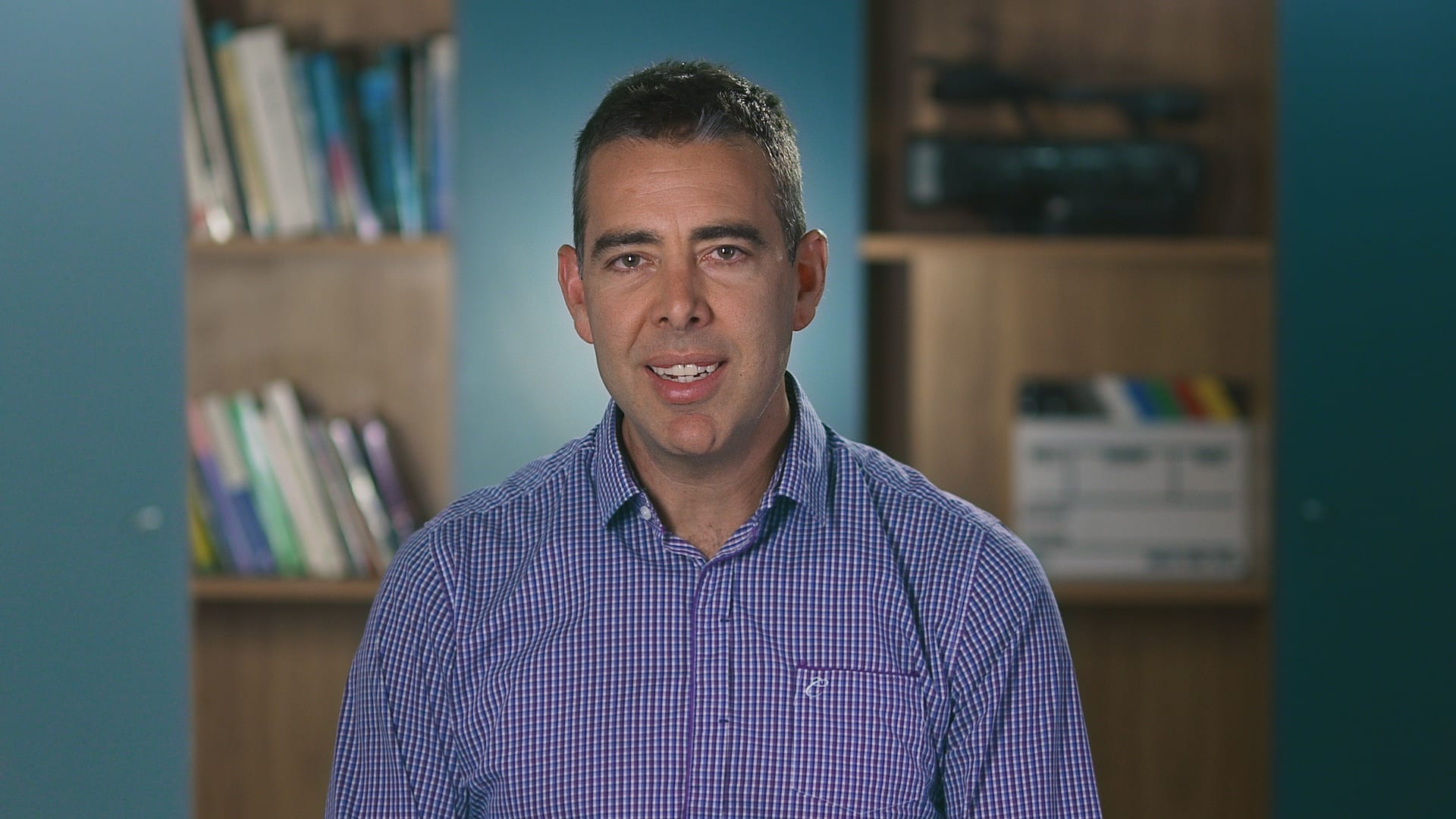
Ryan Spanger is the founder and managing director of Dream Engine, a Melbourne video production company established in 2002. Over the past two decades, he’s produced hundreds of videos for businesses, government departments, universities and healthcare organisations across Australia. Ryan specialises in helping organisations explain complex ideas through clear, engaging video content, with particular experience in corporate communications, training and education.